In a sensitive matter involving the custody of a six-year-old girl, the Bombay High Court disposed of a writ of habeas corpus by prioritizing the child's welfare. The Court directed that the girl reside with her biological father while granting visitation rights to her maternal grandparents, underscoring the importance of familial bonds and the child's best interests in such disputes.
Background & Facts
The Dispute
The petitioner, the maternal grandfather of a six-year-old girl, filed a writ of habeas corpus alleging that the girl was snatched from his custody by her paternal uncle (Respondent No. 2). The girl’s biological mother had passed away due to a terminal illness, and her biological father (Respondent No. 3), a government servant, had initially allowed the child to reside with her maternal grandparents. However, after recently remarrying, the biological father expressed a desire to raise his daughter himself.
Key Facts
- The girl was born on 06.12.2019, and her mother passed away shortly thereafter.
- The biological father, employed as a Senior Clerk in the office of the Assistant Commissioner, Fisheries, Chandrapur, had allowed the girl to reside with her maternal grandparents for nearly six years.
- On 31.05.2026, the petitioner lodged a complaint with the Chamorshi Police Station, alleging that the paternal uncle had forcibly taken the girl away.
- The Station House Officer (SHO) refused to register an offence, treating the matter as a family dispute.
- The petitioner approached the Bombay High Court, Nagpur Bench, invoking the writ of habeas corpus to secure the girl’s custody.
Procedural History
- 29.06.2026: The Court directed the SHO of Chamorshi Police Station to produce the girl child in court.
- 30.06.2026: The matter was listed for urgent hearing. The SHO failed to appear, citing participation in a Commander Training Course (CTC).
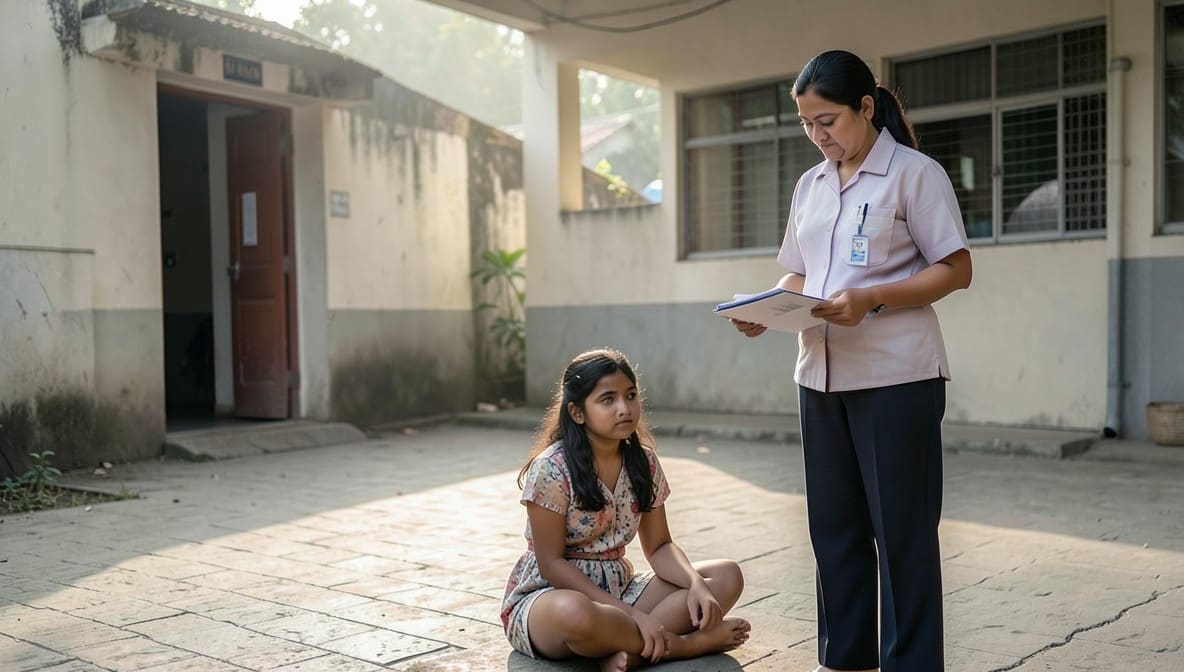
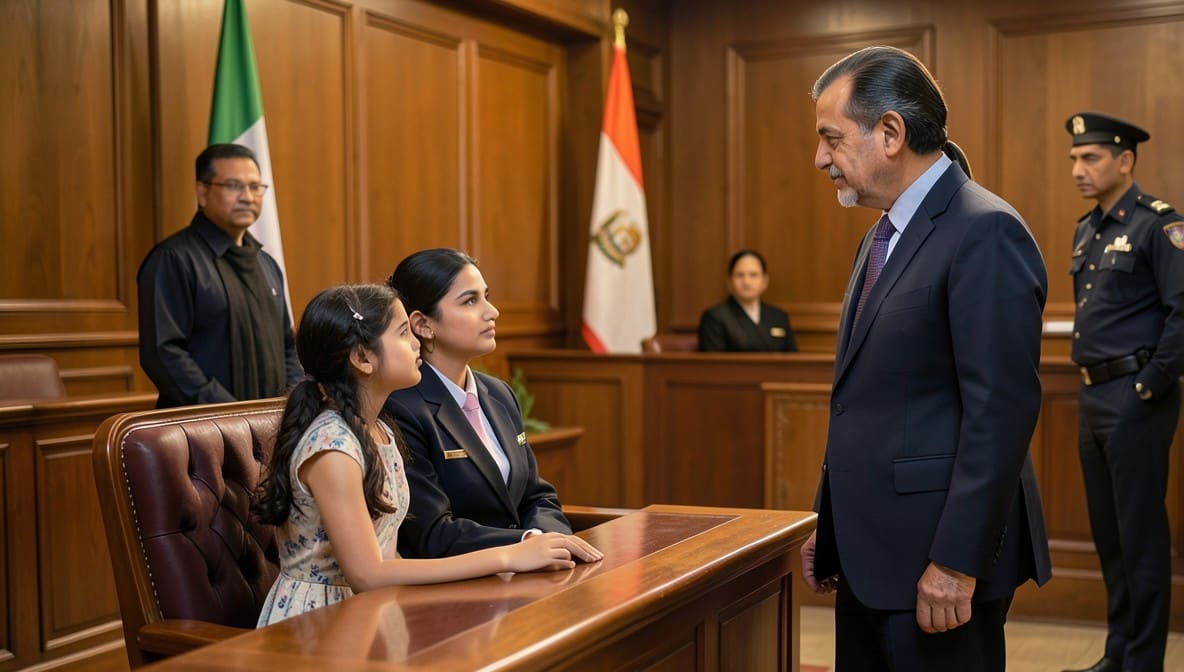
- The Court interacted with the girl child, the biological father, the paternal uncle, and the maternal grandparents in chambers to assess the situation.
Relief Sought
The petitioner sought the girl’s custody, alleging kidnapping by the paternal uncle and police negligence in failing to register an offence.
The Legal Issue
The central question before the Court was whether the writ of habeas corpus could be invoked to resolve a custody dispute between family members, and if so, what factors should determine the child’s best interests in such cases.
Arguments Presented
For the Petitioner
- The petitioner contended that the paternal uncle had forcibly taken the girl from his custody, constituting an offence under the Indian Penal Code (IPC).
- He argued that the police failed to perform their duty by refusing to register an FIR, thereby violating his rights under Article 226 of the Constitution of India.
- The petitioner insisted that the girl’s welfare would be best served by allowing her to reside with the maternal grandparents until she turned 12 years old.
For the Respondents
- Respondent No. 3 (Biological Father): Submitted that he had not snatched the child but had decided to raise her himself after remarrying. He assured the Court of his financial and emotional capability to care for the child.
- Respondent No. 2 (Paternal Uncle): Denied any wrongdoing, stating that the girl was voluntarily brought to live with the paternal family.
- State of Maharashtra (Respondent No. 1): The Additional Public Prosecutor (APP) assisted the Court in facilitating the interaction with the child and the parties.
The Court's Analysis
The Court emphasized that the welfare of the minor child is of paramount importance in custody disputes, even when adjudicated under a writ of habeas corpus. The Court observed:
"It is beyond debate that the welfare of the girl child is of paramount importance. At the same time, it is equally necessary to assess as to whether the biological father, in these peculiar facts and circumstances, would be physically, mentally and financially capable of nourishing and nurturing his biological daughter."
The Court noted the following factors:
- The biological father’s stable employment and financial capability under the 7th Pay Commission.
- The absence of any allegations against the biological father regarding his conduct or temperament.
- The joint family structure of the paternal side, which included the paternal grandparents and a recently born cousin, providing a supportive environment for the child.
- The girl’s expressed preference to reside with her biological father during the Court’s interaction with her.
The Court also criticized the SHO’s conduct, noting that the refusal to register an offence in such a sensitive matter was unjustified and negligent. It directed the District Superintendent of Police, Gadchiroli, to initiate appropriate action against the SHO and ensure sensitization training for him.
The Verdict
The Court disposed of the writ petition with the following directions:
- The girl child was allowed to reside with her biological father (Respondent No. 3) and his joint family.
- The Chamorshi Police Station was directed to dispose of the complaint filed by the petitioner by recording the events as narrated in the judgment.
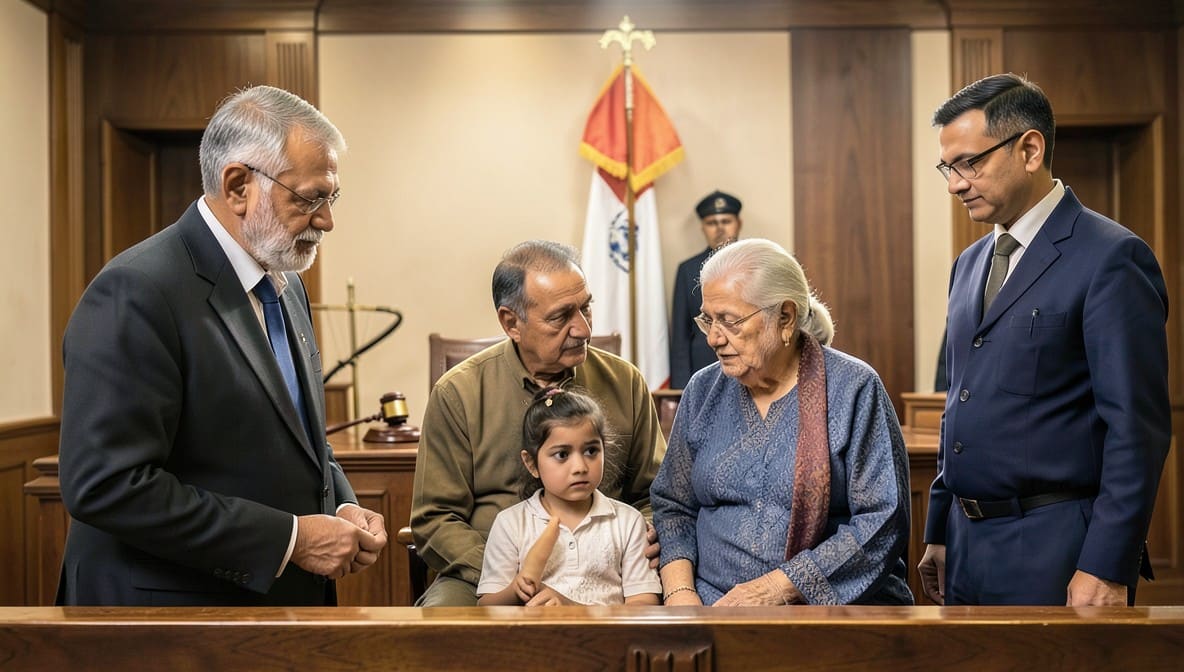
- Visitation Rights were granted to the maternal grandparents as follows:
- Video interaction with the girl child once every 15 days (on the 2nd and 4th Sunday of each month).
- Physical visitation on the 3rd Saturday of each month at the biological father’s residence, from 11:00 AM to 5:00 PM.
- The biological father agreed to facilitate these interactions and provide lunch during physical visits.
- Liberty was granted to the parties to approach the Court in the future if any complexities arise as the child grows older.
- The Court directed the District Superintendent of Police, Gadchiroli, to take appropriate action against the SHO for dereliction of duty and ensure his sensitization training.
What This Means For Similar Cases
Welfare of the Child Overrides Technicalities
This judgment reaffirms that in custody disputes, the welfare of the minor child takes precedence over technical legal arguments, such as the formal registration of an offence. Courts are empowered to interact directly with the child and assess her best interests rather than relying solely on procedural formalities.
Police Accountability in Family Disputes
The Court’s strong criticism of the SHO highlights that police officers cannot dismiss complaints involving minors as mere "family disputes." This sets a precedent for holding law enforcement accountable in cases where their inaction could endanger a child’s well-being.
Visitation Rights as a Balancing Tool
The judgment demonstrates how visitation rights can be structured to balance the child’s welfare with the emotional needs of extended family. Practitioners can cite this case to argue for customized visitation schedules in similar disputes, ensuring that the child’s bond with both sides of the family is preserved.
Future Liberty for Evolving Circumstances
The Court’s grant of liberty to the parties to approach it again in the future acknowledges that custody arrangements may need revisiting as the child grows older. This provides a flexible framework for addressing changing dynamics in family disputes.