Bombay High Court judgments

2134 Bombay High Court judgments explained in plain English: what was decided, the law applied and why it matters. Page 49 of 89.

Rental Compensation Mandatory Under State GRs for Pre-Acquisition Possession | Bombay HC Upholds Landowner Entitlement Regardless of Public Purpose
Case Law Analysis
|Bombay High Court

Rental Compensation Mandatory Under State GRs for Pre-Acquisition Possession | Bombay HC Upholds Landowner Entitlement Regardless of Public Purpose

Bombay High Court rules that landowners are entitled to rental compensation under State Government Resolutions when possession is taken before formal acquisition, even without statutory backing. The court mandates 6% interest on delayed payments and clarifies that entitlement applies irrespective of the public purpose, reinforcing promissory estoppel principles.

Order VI Rule 17 CPC | Post-Trial Amendment Requires Proven Due Diligence - Absence of Explanation Bars Relief : Bombay HC
Case Law Analysis
|Bombay High Court

Order VI Rule 17 CPC | Post-Trial Amendment Requires Proven Due Diligence - Absence of Explanation Bars Relief : Bombay HC

The Bombay High Court has ruled that parties seeking to amend pleadings after trial must demonstrate due diligence in raising the proposed changes; a failure to explain the delay or oversight renders the application unsustainable. This reinforces that procedural fairness cannot override strict compliance with civil procedure rules, affecting litigants and advocates in property, contract, and cooperative law disputes.

Section 11 MOFA | Competent Authority Cannot Substantively Amend Order via Corrigendum : Bombay HC
Case Law Analysis
|Bombay High Court

Section 11 MOFA | Competent Authority Cannot Substantively Amend Order via Corrigendum : Bombay HC

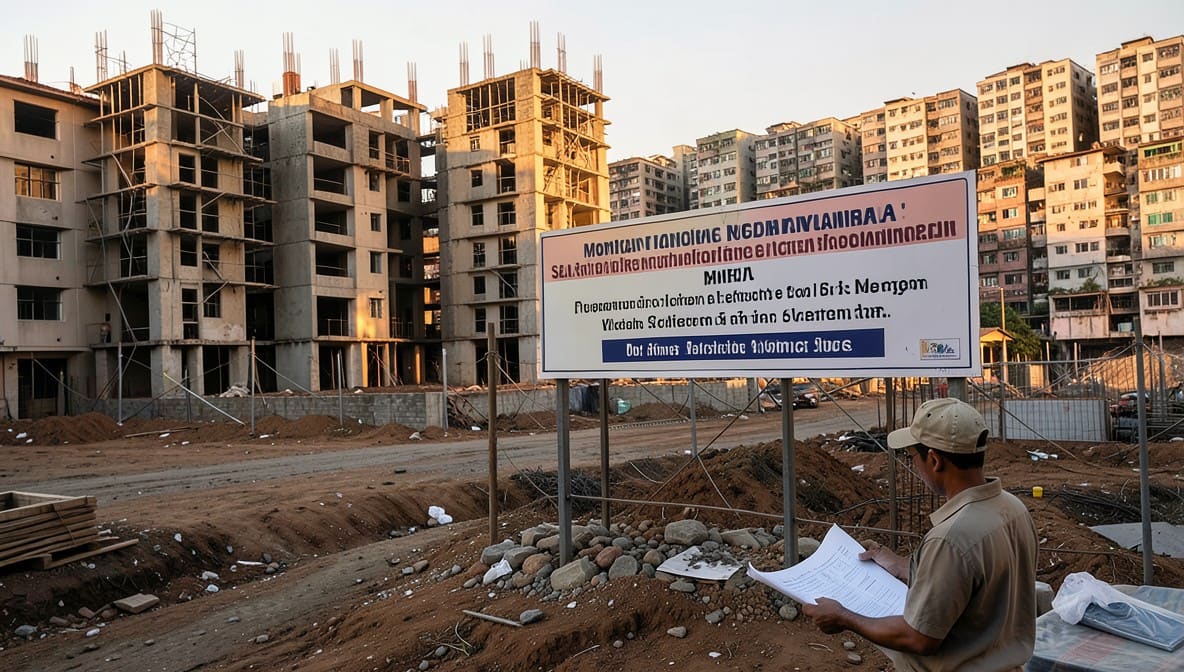
Bombay HC rules that altering property area from 566.94 sq. mtrs to 828.24 sq. mtrs via corrigendum constitutes a substantive review, not a clerical correction, violating the functus officio doctrine under Section 11 of the Maharashtra Ownership Flats Act. The ruling bars authorities from indirectly reviewing their own orders without due process, impacting property rights and obligations of housing societies.

Pre-1976 Documentary Evidence Trumps Affinity Test & Area Restrictions for ST Caste Certificates : Bombay HC (Nagpur Bench)
Case Law Analysis
|Bombay High Court

Pre-1976 Documentary Evidence Trumps Affinity Test & Area Restrictions for ST Caste Certificates : Bombay HC (Nagpur Bench)

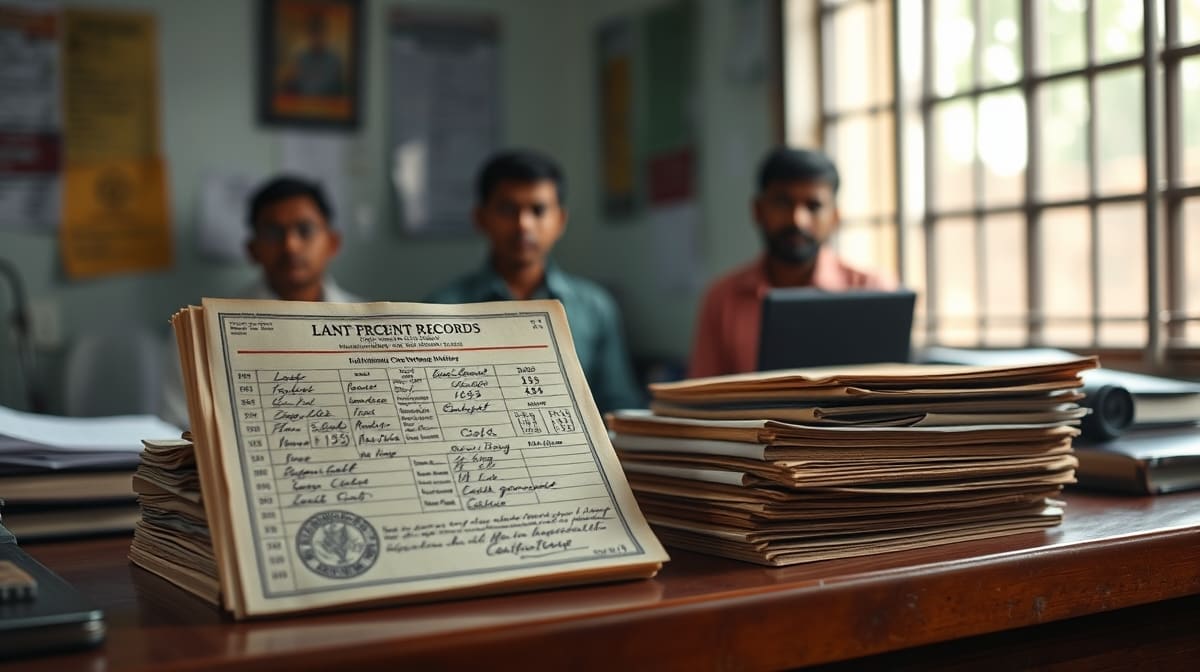
Bombay HC's Nagpur Bench ruled that pre-independence documents listing 'Mana' as a Scheduled Tribe hold superior probative value, invalidating post-1976 affinity tests and area restrictions. The judgment reinforces reliance on historical records for caste verification, impacting thousands of ST certificate holders facing scrutiny challenges.

Non-Joinder of Auction Purchaser Fatal to Challenge Under Rule 107(g) of Maharashtra Co-operative Societies Rules : Bombay HC
Case Law Analysis
|Bombay High Court

Non-Joinder of Auction Purchaser Fatal to Challenge Under Rule 107(g) of Maharashtra Co-operative Societies Rules : Bombay HC

Bombay High Court rules that failure to implead the auction purchaser in a challenge to a co-operative society auction under Rule 107(g) of the Maharashtra Co-operative Societies Rules, 1961, renders the proceedings defective. The court emphasizes strict compliance with procedural requirements, holding that even a one-day delay in depositing 15% of the bid amount invalidates the auction, reinforcing the mandatory nature of the provision.

Section 12(5) Arbitration Act | Unilateral Arbitrator Appointment Void Ab Initio Even in Execution: Bombay HC
Case Law Analysis
|Bombay High Court

Section 12(5) Arbitration Act | Unilateral Arbitrator Appointment Void Ab Initio Even in Execution: Bombay HC

The Bombay High Court has held that a unilateral appointment of an arbitrator renders the entire arbitration void ab initio, and this defect cannot be cured even at the execution stage. This ruling extends the Supreme Court’s Bhadra International precedent to execution proceedings, making it clear that parties cannot bypass impartiality safeguards by waiting until enforcement - a critical warning to corporate litigants and arbitrators alike.

Anticipatory Bail Under BNS | Mere Name in Lease Agreement Insufficient for Prima Facie Link : Bombay HC
Case Law Analysis
|Bombay High Court

Anticipatory Bail Under BNS | Mere Name in Lease Agreement Insufficient for Prima Facie Link : Bombay HC

Bombay High Court grants anticipatory bail to a waiter accused under Bharatiya Nyaya Sanhita, ruling that his name appearing in a lease agreement does not establish a prima facie link to the alleged brothel operations. The judgment underscores that mere documentary association without active involvement fails to meet the threshold for custodial detention under Section 482 BNS.

Public Premises Act, Section 9 | Writ Petition Maintainable Only in Emergent Eviction Threats : Bombay HC (Aurangabad Bench)
Case Law Analysis
|Bombay High Court

Public Premises Act, Section 9 | Writ Petition Maintainable Only in Emergent Eviction Threats : Bombay HC (Aurangabad Bench)

Bombay HC rules that writ jurisdiction under Article 226 is barred when an efficacious alternate remedy (appeal to District Judge under Section 9 of the Public Premises Act) exists, unless imminent execution threatens possession. The court granted limited protection to petitioners to approach the District Judge within 15 days, emphasizing exhaustion of statutory remedies before invoking writ jurisdiction.

Caveatable Interest in Probate | Creditor of Deceased Insolvent Cannot Challenge Will Under Succession Act: Bombay HC
Case Law Analysis
|Bombay High Court

Caveatable Interest in Probate | Creditor of Deceased Insolvent Cannot Challenge Will Under Succession Act: Bombay HC

Bombay High Court rules that a creditor of a deceased insolvent lacks caveatable interest to oppose probate, as probate proceedings are limited to verifying the will's validity and do not extend to adjudicating debt or title claims. The judgment reinforces the procedural boundaries of probate under the Indian Succession Act, impacting creditors and beneficiaries in estate disputes.

Section 34 Arbitration Act | Contractual Readiness Mandatory for Specific Performance Relief: Bombay HC
Case Law Analysis
|Bombay High Court

Section 34 Arbitration Act | Contractual Readiness Mandatory for Specific Performance Relief: Bombay HC

Bombay High Court rules that even if termination of a development agreement is illegal, specific performance under Section 34 of the Arbitration Act cannot be granted unless the claimant proves readiness to perform contractual obligations. The judgment underscores that arbitral awards denying relief on grounds of lack of readiness remain valid, impacting developers and contracting parties in commercial disputes.

Legitimate Expectation & Natural Justice | Land Valuation Must Reflect Allotment Year, Not Delayed Assessment: Bombay HC (Nagpur Bench)
Case Law Analysis
|Bombay High Court

Legitimate Expectation & Natural Justice | Land Valuation Must Reflect Allotment Year, Not Delayed Assessment: Bombay HC (Nagpur Bench)

Bombay HC quashes an arbitrary demand for differential payment after 18 years, ruling that land valuation must align with market rates at the time of allotment. The court held that delayed assessment violates principles of legitimate expectation and natural justice, setting a precedent for government land transactions.

SARFAESI Act | Writ Petitions Filed One Day Before Possession Deemed Tactical Delay to Circumvent DRT Process : Bombay HC
Case Law Analysis
|Bombay High Court

SARFAESI Act | Writ Petitions Filed One Day Before Possession Deemed Tactical Delay to Circumvent DRT Process : Bombay HC

The Bombay High Court has ruled that borrowers who delay challenging SARFAESI proceedings until the eve of asset possession are abusing judicial urgency protocols. This practice undermines the DRT’s statutory role and enables tactical delays that prejudice secured creditors, setting a clear precedent against last-minute writ petitions in financial recovery cases.

Refusal to Join Lawful Transfer for Seven Years Constitutes Grave Misconduct Justifying Compulsory Retirement : Bombay HC
Case Law Analysis
|Bombay High Court

Refusal to Join Lawful Transfer for Seven Years Constitutes Grave Misconduct Justifying Compulsory Retirement : Bombay HC

The Bombay High Court upheld compulsory retirement of a government employee who, despite a clear transfer clause in his appointment, remained absent from his assigned post for seven years. This ruling establishes that persistent defiance of a lawful transfer order, even without physical misconduct, amounts to grave misconduct under service rules, setting a precedent for disciplinary action against prolonged non-compliance in public employment.

Contractual Transfer Clauses Enforceable Absent Mala Fide | No Personal Hardship Overrides Managerial Prerogative : Bombay HC
Case Law Analysis
|Bombay High Court

Contractual Transfer Clauses Enforceable Absent Mala Fide | No Personal Hardship Overrides Managerial Prerogative : Bombay HC

The Bombay High Court upholds that employers may enforce pre-agreed transfer clauses in employment contracts even after reinstatement, provided no mala fide intent is proven. Personal hardship, however significant, cannot override the employer's legitimate managerial discretion under service law. This reinforces contractual certainty for employers across industries with mobility clauses.

Statutory Pension Rights Trump Administrative Circulars | Bombay HC Directs Release of Pensionary Benefits Despite Untraceable Records
Case Law Analysis
|Bombay High Court

Statutory Pension Rights Trump Administrative Circulars | Bombay HC Directs Release of Pensionary Benefits Despite Untraceable Records

Bombay High Court reaffirms that statutory pension entitlements under service rules cannot be denied or delayed by non-statutory circulars or administrative lapses like untraceable records. The court directed the Municipal Corporation to release pensionary benefits, including gratuity and provident fund, within eight weeks, emphasizing that public employers cannot evade statutory obligations on procedural grounds.

SARFAESI Act | State Duty to Enforce Physical Possession of Secured Assets Within Deadline : Bombay HC Directs Tahsildar & Police Compliance
Case Law Analysis
|Bombay High Court

SARFAESI Act | State Duty to Enforce Physical Possession of Secured Assets Within Deadline : Bombay HC Directs Tahsildar & Police Compliance

Bombay High Court mandates state authorities to assist secured creditors under SARFAESI Act by enforcing physical possession of assets within a strict deadline. The ruling underscores the state's obligation to uphold rule of law, directing Tahsildar and police to act by 21.04.2026 or face contempt, setting a precedent for expedited enforcement of security interests.

Consent Terms Bind Employer to Pension Division Between Two Wives | Bombay HC Upholds 55:45 Ratio Under Succession & Pension Law
Case Law Analysis
|Bombay High Court

Consent Terms Bind Employer to Pension Division Between Two Wives | Bombay HC Upholds 55:45 Ratio Under Succession & Pension Law

Bombay High Court enforces a 55:45 split of pension, gratuity, and PF between two wives of a deceased employee, binding MTNL to the consent terms. The ruling underscores the legal validity of private agreements in inheritance disputes, even where probate proceedings are contested, and prioritizes medical urgency in disbursement.

Order VII Rule 11 CPC | Rejection of Plaint Does Not Operate as Res Judicata; Fresh Suit Permissible on Same Cause of Action : Bombay HC
Case Law Analysis
|Bombay High Court

Order VII Rule 11 CPC | Rejection of Plaint Does Not Operate as Res Judicata; Fresh Suit Permissible on Same Cause of Action : Bombay HC

Bombay High Court clarifies that rejection of a plaint under Order VII Rule 11 CPC does not bar a fresh suit on the same cause of action, as it does not attract res judicata. The ruling underscores the procedural distinction between rejection and dismissal, impacting litigants' rights to re-agitate disputes where pleadings were initially deficient.

Natural Justice in Licensing | Bombay HC Quashes Live Music License Refusal Based on Speculative Public Objections : Bombay HC
Case Law Analysis
|Bombay High Court

Natural Justice in Licensing | Bombay HC Quashes Live Music License Refusal Based on Speculative Public Objections : Bombay HC

Bombay High Court rules that denying an entertainment license solely on public objections-without substantive evidence of law-and-order risks-violates natural justice and Article 19(1)(g). The judgment reinforces that licensing authorities must balance constitutional rights with procedural fairness, setting a precedent for future licensing disputes in the entertainment sector.