Topic

title dispute

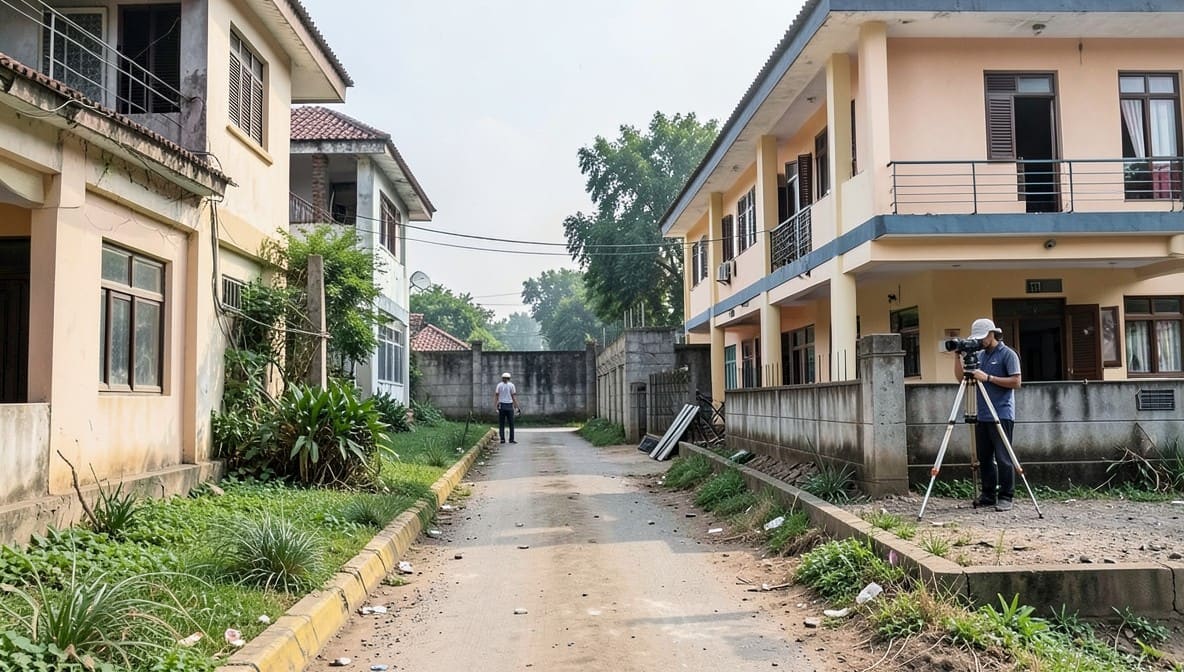
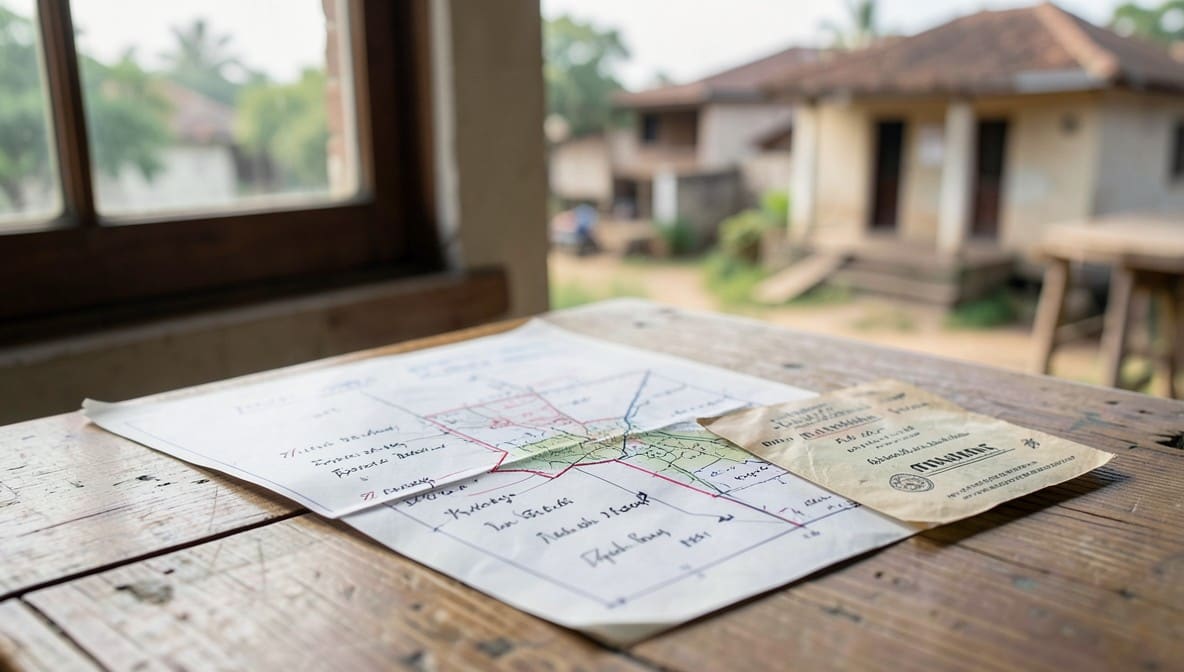
A title dispute in Indian law involves conflicting claims over ownership of land or property, often arising between private parties or between private claimants and revenue authorities under land revenue statutes.

38 articlesLatest August 2026
Judgment on admission allowed under Order XII Rule 6 CPC when title is admitted, but appellate remands for fresh trial | Partition suit : Calcutta HC
Case Law Analysis
|Calcutta High Court

Judgment on admission allowed under Order XII Rule 6 CPC when title is admitted, but appellate remands for fresh trial | Partition suit : Calcutta HC

The Calcutta High Court held that clear admissions of title and unchallenged tax receipts justify a judgment on admission, yet because the trial court did not examine the merits, the case must be remanded for a fresh trial. This clarifies that judgment on admission does not replace a full merits assessment in partition disputes, impacting parties relying on admitted title.

MRTP Act Section 11(3) | Alternate Plot Allotment Does Not Vest Title Without Scheme Modification: Bombay HC
Case Law Analysis
|Bombay High Court

MRTP Act Section 11(3) | Alternate Plot Allotment Does Not Vest Title Without Scheme Modification: Bombay HC

Bombay High Court rules that alternate plot allotment under the MRTP Act does not automatically confer title unless the scheme is formally modified. The court dismissed the appellant’s claim due to a 40-year delay and a doubtful conveyance deed, reinforcing that interim relief in property disputes requires strict compliance with statutory procedures.

Section 11 MOFA | Unilateral Deemed Conveyance Certificate Does Not Confer Absolute Title: Bombay HC Leaves Door Open for Civil Court Challenge
Case Law Analysis
|Bombay High Court

Section 11 MOFA | Unilateral Deemed Conveyance Certificate Does Not Confer Absolute Title: Bombay HC Leaves Door Open for Civil Court Challenge

Bombay High Court clarifies that a unilateral deemed conveyance certificate under Section 11 of the Maharashtra Ownership of Flats Act (MOFA) is not conclusive proof of title. Affected parties retain the right to challenge ownership in civil courts, emphasizing the certificate's procedural rather than substantive finality.

Registered Sale Deed Establishes Paramount Title Over Adverse Possession Claims | MP HC Indore
Case Law Analysis
|Madhya Pradesh High Court

Registered Sale Deed Establishes Paramount Title Over Adverse Possession Claims | MP HC Indore

The Madhya Pradesh High Court has ruled that a duly registered sale deed conclusively establishes legal ownership, rendering claims of adverse possession legally unsustainable even after prolonged possession. This reinforces the primacy of documentary title in property disputes and protects bona fide purchasers from encroachment claims based solely on occupation.

CPC Order XLI Rule 27 | Additional Evidence Permitted to Resolve Khasra Number Conflicts in Title Disputes: MP HC
Case Law Analysis
|Madhya Pradesh High Court

CPC Order XLI Rule 27 | Additional Evidence Permitted to Resolve Khasra Number Conflicts in Title Disputes: MP HC

The Madhya Pradesh High Court allowed supplemental evidence under Order XLI Rule 27 to reconcile conflicting Khasra numbers in revenue records, remanding the case for fresh adjudication on title and limitation. This clarifies that procedural rigidity must yield to substantive justice when revenue documentation fails to reflect actual possession or transaction history, empowering litigants with registered deeds but flawed mutations.

Mandatory Injunction Denied for Encroachment Without Precise Measurement & Documentary Proof : Karnataka HC
Case Law Analysis
|Karnataka High Court

Mandatory Injunction Denied for Encroachment Without Precise Measurement & Documentary Proof : Karnataka HC

Karnataka High Court rules that mandatory injunction in property disputes cannot be granted without clear proof of encroachment, emphasizing the need for precise property measurements and strict compliance with documentary evidence. The judgment sets a precedent for procedural rigor in declaratory suits, impacting landowners and litigants in boundary disputes.

Order XXI Rule 97 CPC | Pendente Lite Transferee May Assert Title via Proved Will to Claim Inherited Share in Execution: MP HC Gwalior
Case Law Analysis
|Madhya Pradesh High Court

Order XXI Rule 97 CPC | Pendente Lite Transferee May Assert Title via Proved Will to Claim Inherited Share in Execution: MP HC Gwalior

A pendente lite transferee in execution proceedings can claim a share of property by invoking a proved will that bequeaths an interest to him, even if he was not a party to the original suit. This ruling clarifies that testamentary succession can override mere possession claims in execution, empowering heirs of deceased parties to assert rights through wills without initiating fresh title suits.

Section 23 PSCC Act | Serious Title Disputes Require Plaint Return, Not Merits-Based Dismissal : Allahabad HC
Case Law Analysis
|Allahabad High Court

Section 23 PSCC Act | Serious Title Disputes Require Plaint Return, Not Merits-Based Dismissal : Allahabad HC

The Allahabad High Court has ruled that when a Small Cause Court encounters a bona fide, documentary-supported title dispute, it must return the plaint under Section 23 of the PSCC Act rather than decide it on merits. This prevents jurisdictional overreach and preserves the civil court’s exclusive authority over title adjudication, safeguarding landlords and tenants alike from summary adjudication of complex ownership claims.

Mutation Authorities Cannot Decide Title Disputes | Registered Sale Deed Suffices for Record-of-Rights; Revenue Records Lack Presumptive Value : Orissa HC
Case Law Analysis
|Orissa High Court

Mutation Authorities Cannot Decide Title Disputes | Registered Sale Deed Suffices for Record-of-Rights; Revenue Records Lack Presumptive Value : Orissa HC

The Orissa High Court has ruled that revenue authorities handling mutation proceedings lack jurisdiction to adjudicate ownership disputes - even when conflicting sale deeds are presented. Only civil courts can determine title, and a registered sale deed is sufficient for mutation, rendering revenue records non-conclusive on ownership. This clarifies the limits of administrative power in land record updates and protects buyers relying on documented transfers.

1870 Indenture Grants Proprietary Rights, Not Leasehold | Bombay HC Settles Title Dispute Over Alienated Land Under Land Revenue Laws
Case Law Analysis
|Bombay High Court

1870 Indenture Grants Proprietary Rights, Not Leasehold | Bombay HC Settles Title Dispute Over Alienated Land Under Land Revenue Laws

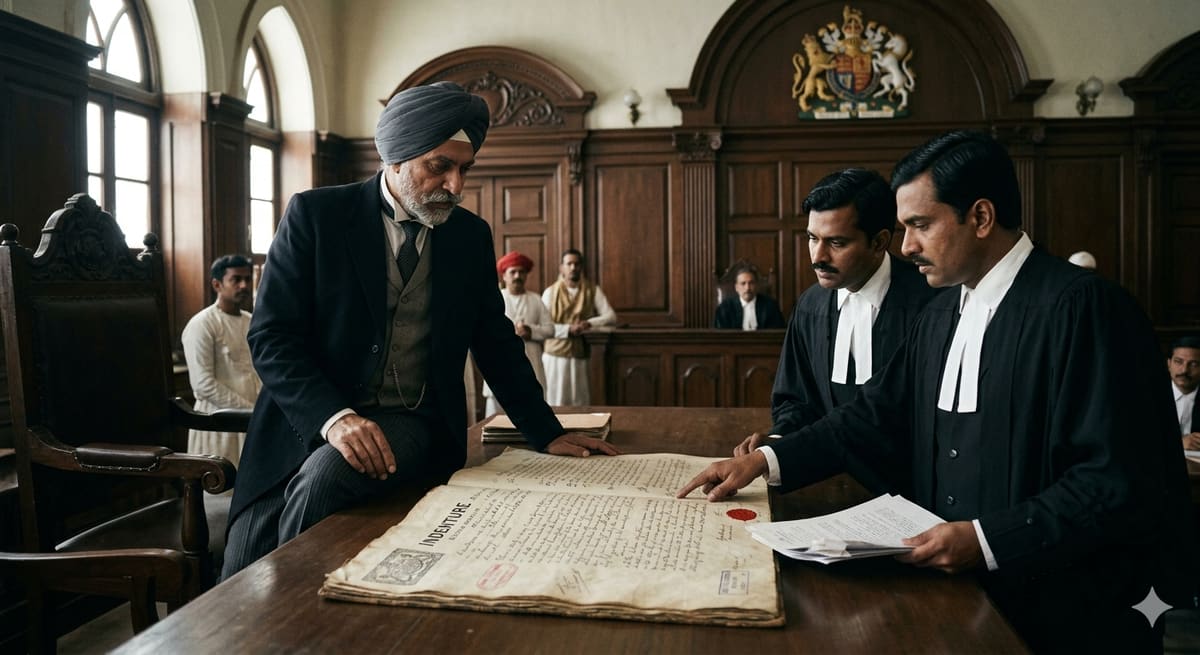
Bombay High Court rules that the 1870 Indenture conferred absolute proprietary rights, not a lease, on the grantee, defeating the Union of India’s claim over salt works land. The judgment reaffirms that government grants under colonial-era indentures must be interpreted as conveying full title unless expressly limited.

Civil Decree Finality Overrides Municipal Title Disputes | Layout Plan Incorporation Cannot Be Blocked by Reopening Settled Property Rights : SC
Case Law Analysis
|Supreme Court of India

Civil Decree Finality Overrides Municipal Title Disputes | Layout Plan Incorporation Cannot Be Blocked by Reopening Settled Property Rights : SC

The Supreme Court has ruled that once a civil decree conclusively establishes property title, municipal authorities cannot revive title disputes to block layout plan incorporation. Mere revenue records or registry entries cannot override registered conveyances or judicial findings, reinforcing that final civil judgments bind administrative bodies in land use matters.

Maharashtra Cooperative Societies Act | Cooperative Societies Cannot Deny Membership Transfer Over Disputed Common Areas : Bombay HC
Case Law Analysis
|Bombay High Court

Maharashtra Cooperative Societies Act | Cooperative Societies Cannot Deny Membership Transfer Over Disputed Common Areas : Bombay HC

The Bombay High Court has ruled that cooperative housing societies must process membership transfers based solely on registered instruments and statutory eligibility, even when common areas are in dispute. This clarifies that title disagreements over shared spaces cannot be weaponized to block legal transfers, protecting buyers' rights under the Act and ensuring statutory compliance over arbitrary society discretion.

Section 250 Chhattisgarh Land Revenue Code | Revenue Authorities Lack Jurisdiction Over Title Disputes When Civil Suit Pending : CGHC
Case Law Analysis
|Chhattisgarh High Court

Section 250 Chhattisgarh Land Revenue Code | Revenue Authorities Lack Jurisdiction Over Title Disputes When Civil Suit Pending : CGHC

Chhattisgarh High Court reinforces that revenue authorities cannot adjudicate title disputes under Section 250 of the Chhattisgarh Land Revenue Code when a civil suit is already pending. The ruling clarifies that revenue authorities' powers are limited to summary possession remedies, preserving civil court jurisdiction over substantive title disputes.