The Chhattisgarh High Court has reaffirmed a foundational principle of Indian land law: revenue authorities cannot adjudicate questions of title when a civil suit is pending. This judgment clarifies the limits of summary possession proceedings under the Chhattisgarh Land Revenue Code, 1959, and reinforces the exclusive jurisdiction of civil courts in resolving complex title disputes. The ruling provides critical guidance to practitioners navigating overlapping remedies in land litigation.
Background & Facts
The Dispute
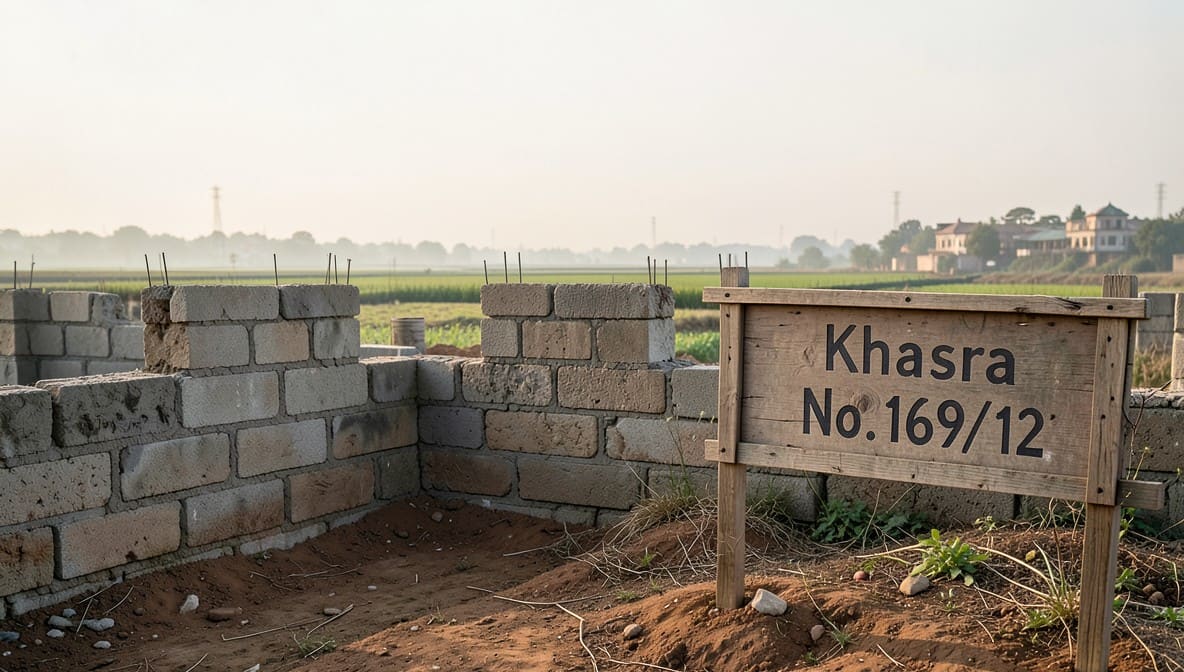
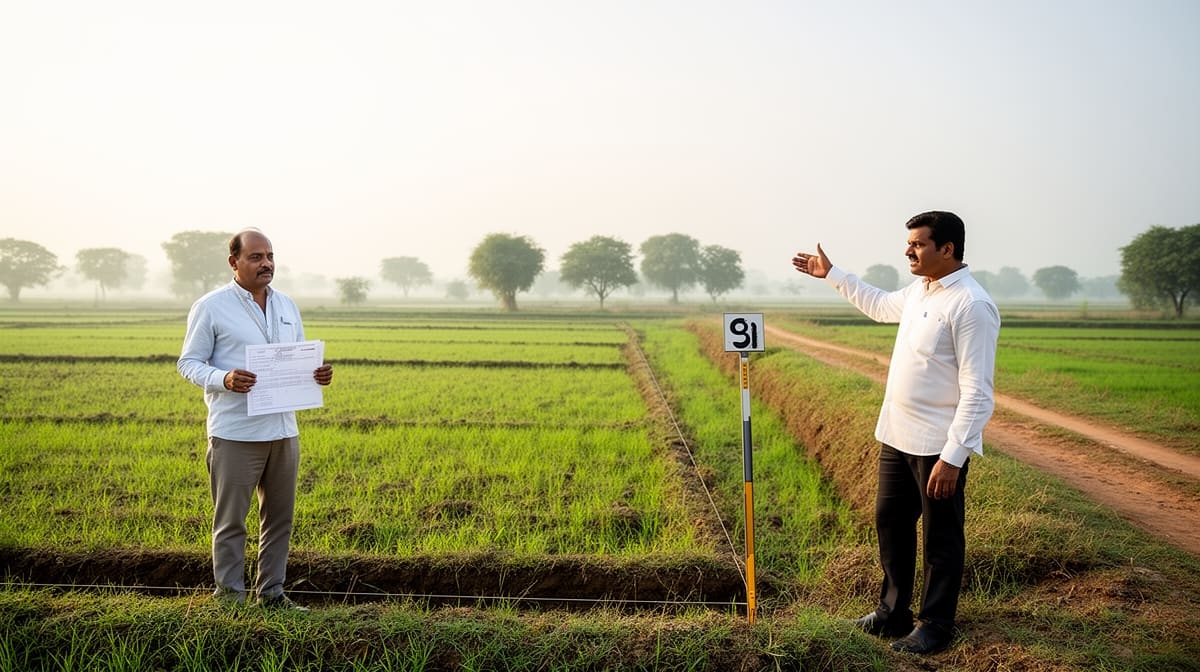
The dispute centers on land bearing Survey No. 94 (old) and Survey No. 117 (new), measuring 4.70 acres, located in Village Thelkadih, Tehsil Khairagarh, District Rajnandgaon, Chhattisgarh. The land was historically recorded in the name of Bihari, then Bhondu, who died on 29.05.1975. Subsequently, it was recorded in the names of Makru Das (the petitioner’s father) and other co-sharers. The petitioner and his family have remained in continuous possession since then.
On 09.10.2014, the private respondents (Respondents 5 to 7) filed a complaint before the Naib Tehsildar alleging encroachment by the petitioner, relying on alleged sale deeds dated 1975 and 1982. The petitioner contested the authenticity of these documents, asserting they were forged and executed by persons without title.
Key Facts
- The land has been in the petitioner’s family’s continuous, peaceful possession for over five decades.
- The private respondents have never been in physical possession of the land.
- The alleged sale deeds were executed more than 40 - 45 years ago.
- No mutation entries or possession claims were made by the private respondents between 1975 and 2014.
- The petitioner’s family has residential structures and places of worship on the land.
- A civil suit challenging the validity of the sale deeds was filed by the petitioner and is pending.
- The petitioner’s application for restoration of the civil suit was also pending.
Procedural History
- 09.10.2014: Private respondents filed complaint before Tehsildar alleging encroachment.
- 25.03.2017: Naib Tehsildar passed order directing eviction of petitioner under Section 250 of the Chhattisgarh Land Revenue Code, 1959.
- 27.03.2017: Naib Tehsildar reaffirmed eviction order.
- 30.11.2015: Earlier revision petition by private respondents was dismissed by Board of Revenue.
- 01.05.2018: Sub-Divisional Officer set aside the Naib Tehsildar’s orders, remanded the matter for fresh adjudication.
- 21.01.2020: Divisional Commissioner affirmed the Sub-Divisional Officer’s order.
- 16.07.2021: Board of Revenue allowed revision petition, set aside orders of Sub-Divisional Officer and Divisional Commissioner, and restored the Naib Tehsildar’s eviction orders.
- 16.08.2021: High Court granted interim stay on the impugned order dated 16.07.2021 and the Naib Tehsildar’s order dated 27.03.2017.
- 2021: Petitioner filed Writ Petition (WPC No. 3318 of 2021) before the Chhattisgarh High Court.
The Parties' Positions
Petitioner: Argued that the Board of Revenue exceeded its revisional jurisdiction by adjudicating title, which is exclusively within the domain of civil courts. He contended that the sale deeds are forged, the proceedings were barred by limitation under Section 250(1)(b), and natural justice was violated when his request for adjournment (due to examination duties on 25.03.2017) was denied.
Respondents (State and Private): Argued that the writ petition is not maintainable because the petitioner has an alternative remedy in the pending civil suit. They contended that the civil suit had been dismissed and an appeal was pending, making the writ petition an attempt at parallel litigation.
Relief Sought
The petitioner sought:
- Quashing of the Board of Revenue’s order dated 16.07.2021.
- Restoration of the Sub-Divisional Officer’s order dated 01.05.2018.
- Any other relief deemed fit by the Court.
The Legal Issue
Can revenue authorities under Section 250 of the Chhattisgarh Land Revenue Code, 1959, adjudicate questions of title and validity of sale deeds when a civil suit on the same subject matter is pending before a competent civil court?
Arguments Presented
For the Petitioner
The petitioner’s counsel argued that Section 250 of the Code, 1959 provides only a summary remedy for restoration of possession in cases of clear dispossession. It does not empower revenue authorities to determine title, especially when documents are disputed and a civil suit is pending. The Board of Revenue erred in setting aside the Sub-Divisional Officer’s well-reasoned order, which correctly held that the private respondents failed to prove dispossession, limitation, or demarcation. The petitioner also demonstrated violation of natural justice when his adjournment request was denied without consideration of documentary proof.
For the Respondent
The State and private respondents contended that the petitioner had already approached the civil court and that the pendency of the civil appeal rendered the writ petition redundant. They relied on the doctrine of alternative remedy and the principle that writ jurisdiction should not be invoked when an efficacious remedy exists before a civil court.
The Court's Analysis
The Court observed that the dispute is not a simple case of unlawful possession but involves complex questions of title, including the genuineness of sale deeds executed over four decades ago. The Court emphasized that Section 250 of the Chhattisgarh Land Revenue Code, 1959 is a summary provision meant for quick restoration of possession in unambiguous cases, not for adjudicating title.
"The jurisdiction exercised by the revenue authorities under Section 250 of the Code, 1959 is summary in nature and is confined to restoration of possession in clear cases of dispossession; it does not extend to adjudication of intricate questions of title."
The Court noted that the petitioner had already instituted a civil suit seeking declaration of title and injunction against the private respondents, and that suit, though initially dismissed, was now sub judice before the appellate court. The Court held that once a civil court is seized of a matter involving title, revenue authorities must refrain from entering the field to avoid conflicting findings and multiplicity of proceedings.
The Court further held that the Board of Revenue, in restoring the Naib Tehsildar’s order, had effectively acted as a trial court, recording evidence and evaluating documents - a function beyond its revisional powers. The Court rejected the argument that the civil suit’s dismissal rendered the writ petition maintainable, noting that the appeal was pending and the civil forum remained active.
The Court also declined to rule on the merits of the title dispute, the validity of the sale deeds, or the question of limitation, explicitly leaving these open for adjudication by the civil court.
The Verdict
The writ petition was disposed of with the observation that the parties must pursue their claims before the competent civil court. The Board of Revenue’s order dated 16.07.2021 was set aside in effect, and the Sub-Divisional Officer’s order dated 01.05.2018 stood restored by implication. The Court directed that all questions relating to title, possession, limitation, and validity of the sale deeds be left open for adjudication by the civil court, which shall decide the matter independently without being influenced by any observations in the impugned orders or this judgment. There shall be no order as to costs.
What This Means For Similar Cases
Revenue Authorities Cannot Decide Title
- Practitioners must immediately challenge any revenue order that attempts to determine title, ownership, or validity of documents - even if framed as a possession dispute.
- The mere existence of a pending civil suit on title is sufficient to render Section 250 proceedings unsustainable.
- Revenue authorities must restrict themselves to possession issues where title is not disputed or is already established by record.
Parallel Proceedings Are Prohibited
- Filing writ petitions to circumvent civil court proceedings will be dismissed as an abuse of process.
- The pendency of an appeal in civil court is sufficient to bar writ jurisdiction, even if the trial court’s order was dismissed.
- Courts will not entertain writ petitions where the remedy before the civil court is efficacious and pending.
Natural Justice Remains Paramount
- Denial of adjournment on bona fide grounds, especially when supported by documentary evidence, constitutes a violation of natural justice.
- Revenue officers must afford parties a fair opportunity to present evidence and cross-examine witnesses.
- Failure to do so renders orders liable to be set aside, regardless of the outcome on merits.