Topic

statutory appeal

A statutory appeal is a legally mandated right to challenge an administrative or quasi-judicial order as provided under specific Indian statutes, such as the Electricity Act or Land Revenue Code.

15 articlesLatest August 2026
Proviso to Section 6(1) Struck Down: Minister-in-Charge Appeal Violates Institutional Impartiality | Arunachal Pradesh Defection Act : Gauhati HC
Case Law Analysis
|Gauhati High Court

Proviso to Section 6(1) Struck Down: Minister-in-Charge Appeal Violates Institutional Impartiality | Arunachal Pradesh Defection Act : Gauhati HC

The court upheld appeals to the Chief Secretary but invalidated the proviso routing appeals to the Minister-in-Charge when the Chief Secretary doubles as State Election Commissioner, ruling that a constitutional authority exercising statutory powers cannot claim immunity from legislative oversight. This preserves the State Election Commission's quasi-judicial independence in municipal defection cases.

Statutory Appeal Must Be Heard Within Reasonable Time to Avoid Rendered Infructuous Remedy | Licence Suspension Under Bombay Police Act : Bombay HC
Case Law Analysis
|Bombay High Court

Statutory Appeal Must Be Heard Within Reasonable Time to Avoid Rendered Infructuous Remedy | Licence Suspension Under Bombay Police Act : Bombay HC

The Bombay High Court has ruled that when a statutory appeal against a short-term licence suspension is delayed, the remedy becomes meaningless - mandating that appellate authorities hear such appeals expeditiously or at least decide stay applications within four weeks. This sets a critical precedent for administrative litigants facing time-sensitive licensing penalties, ensuring statutory rights are not nullified by bureaucratic inertia.

Section 67 Consumer Protection Act 2019 | National Commission Orders Exclusively Appealable to Supreme Court: Bombay HC Bars Article 227 Challenge
Case Law Analysis
|Bombay High Court

Section 67 Consumer Protection Act 2019 | National Commission Orders Exclusively Appealable to Supreme Court: Bombay HC Bars Article 227 Challenge

Bombay High Court rules that orders of the National Consumer Disputes Redressal Commission under Section 67 of the Consumer Protection Act, 2019 must be appealed exclusively to the Supreme Court, stripping High Courts of supervisory jurisdiction under Article 227. The decision reinforces statutory finality and restricts alternative legal remedies for aggrieved parties.

Article 226 | Writ Petition for Unauthorised Construction Dismissed Without Exhausting GMDA Act Appeal Remedy : Gauhati HC
Case Law Analysis
|Gauhati High Court

Article 226 | Writ Petition for Unauthorised Construction Dismissed Without Exhausting GMDA Act Appeal Remedy : Gauhati HC

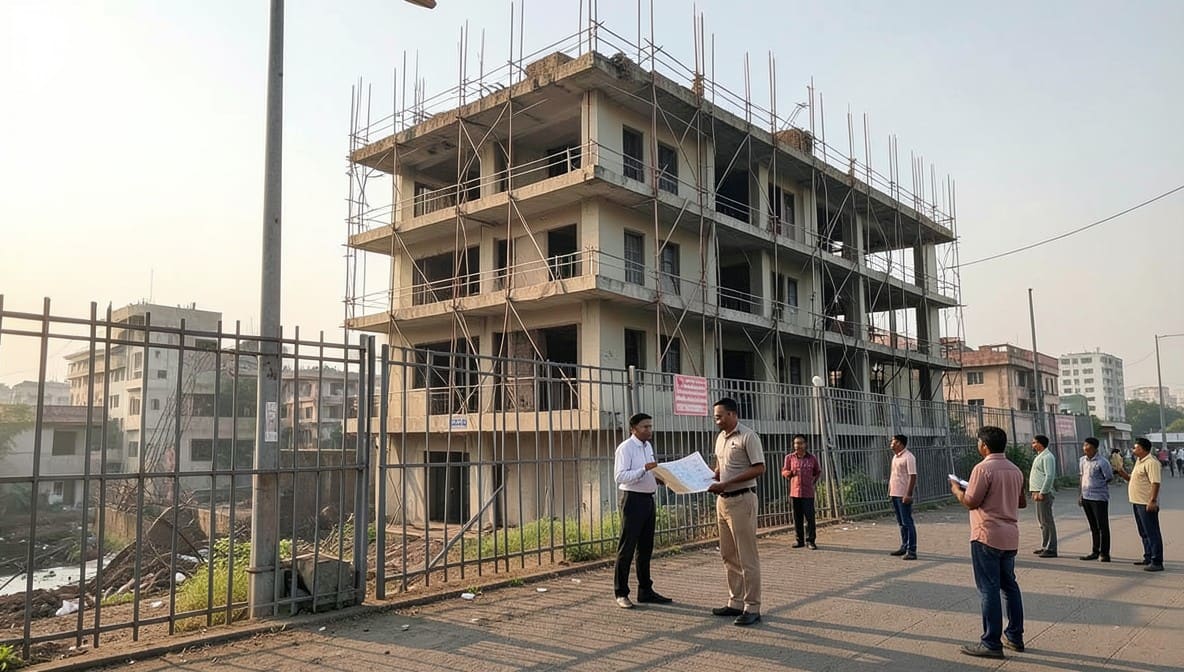
Gauhati High Court reinforces the exhaustion doctrine by dismissing a writ petition challenging a demolition order for unauthorised construction, directing petitioners to first pursue the statutory appeal under the GMDA Act. The ruling underscores that Article 226 cannot be invoked bypassing available statutory remedies, impacting property owners and developers in urban development disputes.

Section 59 Karnataka Police Act | Statutory Appeal Must Be Exhausted Before Writ Petition Against Externment Orders : Karnataka HC
Case Law Analysis
|Karnataka High Court

Section 59 Karnataka Police Act | Statutory Appeal Must Be Exhausted Before Writ Petition Against Externment Orders : Karnataka HC

Karnataka High Court dismisses writ petition challenging externment orders under Section 56 of the Karnataka Police Act, 1963, ruling that aggrieved parties must first exhaust the statutory appeal remedy under Section 59 unless gross procedural violations are demonstrated. The decision reinforces the principle that constitutional courts should not bypass statutory remedies in the absence of exceptional circumstances.

Section 127 Electricity Act, 2003 | Appellate Authority Must Record and Decide Appeal on Merits Before Examining Limitation : Bombay HC
Case Law Analysis
|Bombay High Court

Section 127 Electricity Act, 2003 | Appellate Authority Must Record and Decide Appeal on Merits Before Examining Limitation : Bombay HC

The Bombay High Court has ruled that appellate authorities under the Electricity Act, 2003 cannot reject appeals outright on limitation grounds without first recording them and issuing a reasoned order. This ensures litigants receive formal adjudication and preserves the right to challenge procedural decisions in higher courts, reinforcing procedural fairness in energy disputes.

Article 227 Not Maintainable Where Statutory Appeal Under Section 104 CPC Exists | Urgency Does Not Bypass Appellate Remedy : Allahabad HC
Case Law Analysis
|Allahabad High Court

Article 227 Not Maintainable Where Statutory Appeal Under Section 104 CPC Exists | Urgency Does Not Bypass Appellate Remedy : Allahabad HC

The Allahabad High Court has ruled that the mere urgency of an injunction dispute cannot override the statutory right to appeal under Section 104 read with Order XLIII Rule 1(r) of the CPC. This reinforces that constitutional writ jurisdiction under Article 227 is not a substitute for appellate remedies, ensuring procedural discipline in civil litigation and protecting the hierarchy of judicial review.

Section 250 Income Tax Act | Bona Fide Reliance on Tax Consultant Constitutes Sufficient Cause for Condonation of Delay : ITAT Mumbai
Case Law Analysis
|Income Tax Appellate Tribunal

Section 250 Income Tax Act | Bona Fide Reliance on Tax Consultant Constitutes Sufficient Cause for Condonation of Delay : ITAT Mumbai

ITAT Mumbai condoned a 124-day delay in filing an appeal, holding that honest dependence on a tax consultant - not mere negligence - qualifies as sufficient cause under Section 250. This reinforces that statutory appeal rights must not be defeated by hyper-technical interpretations, especially when the taxpayer acted in good faith and provided credible evidence of the delay’s origin.

Section 248 MP Land Revenue Code | Status Quo Mandatory During Pending Appeal to Prevent Irreparable Harm : MP HC Gwalior
Case Law Analysis
|Madhya Pradesh High Court

Section 248 MP Land Revenue Code | Status Quo Mandatory During Pending Appeal to Prevent Irreparable Harm : MP HC Gwalior

MP High Court Gwalior rules that eviction during pendency of an appeal under Section 248 of the MP Land Revenue Code violates natural justice and causes irreparable prejudice. The court directed status quo to protect appellants from coercive action until the appeal is decided, reinforcing the principle that procedural fairness must precede enforcement.