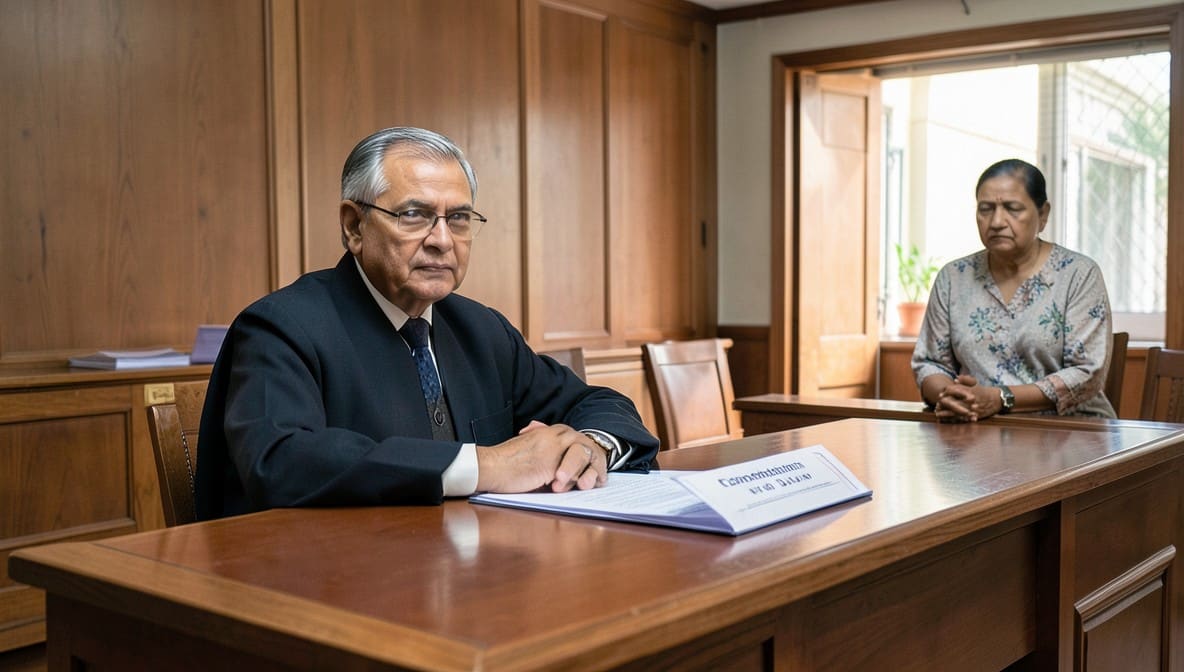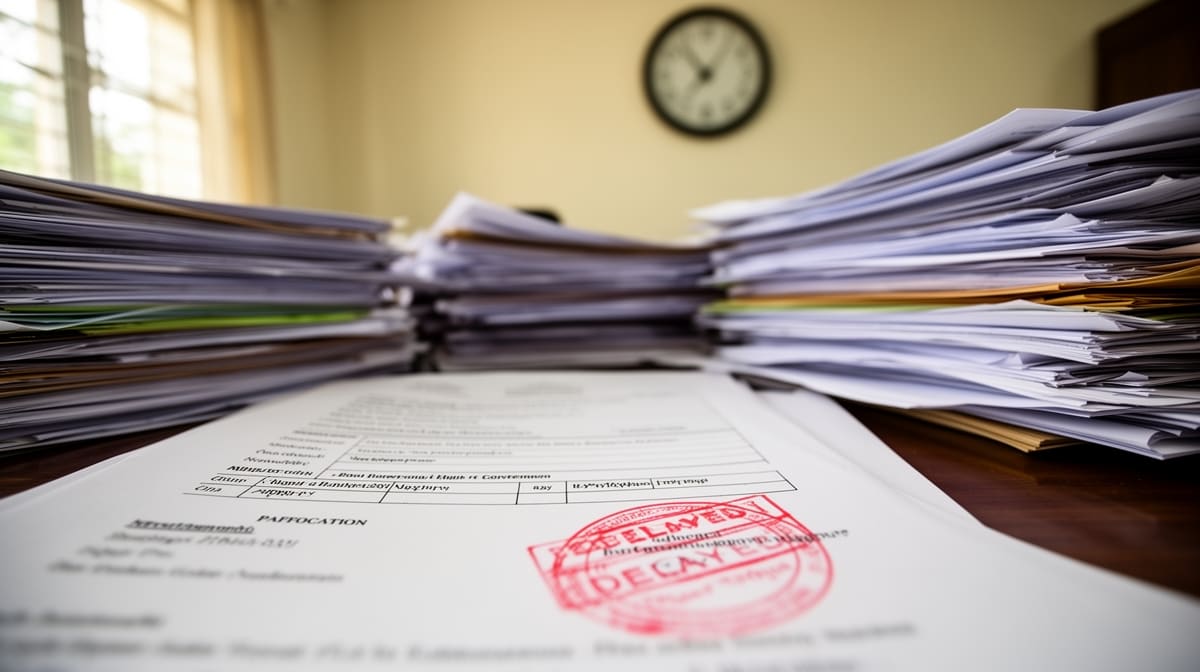
The Bombay High Court’s decision to condone a 142-day delay in filing a statutory appeal underscores a pragmatic approach to procedural compliance, affirming that technical defaults should not defeat substantive rights when the delay is neither deliberate nor prejudicial. This ruling reinforces the principle that courts must balance procedural rigour with the overarching imperative of justice.
Background & Facts
The Dispute
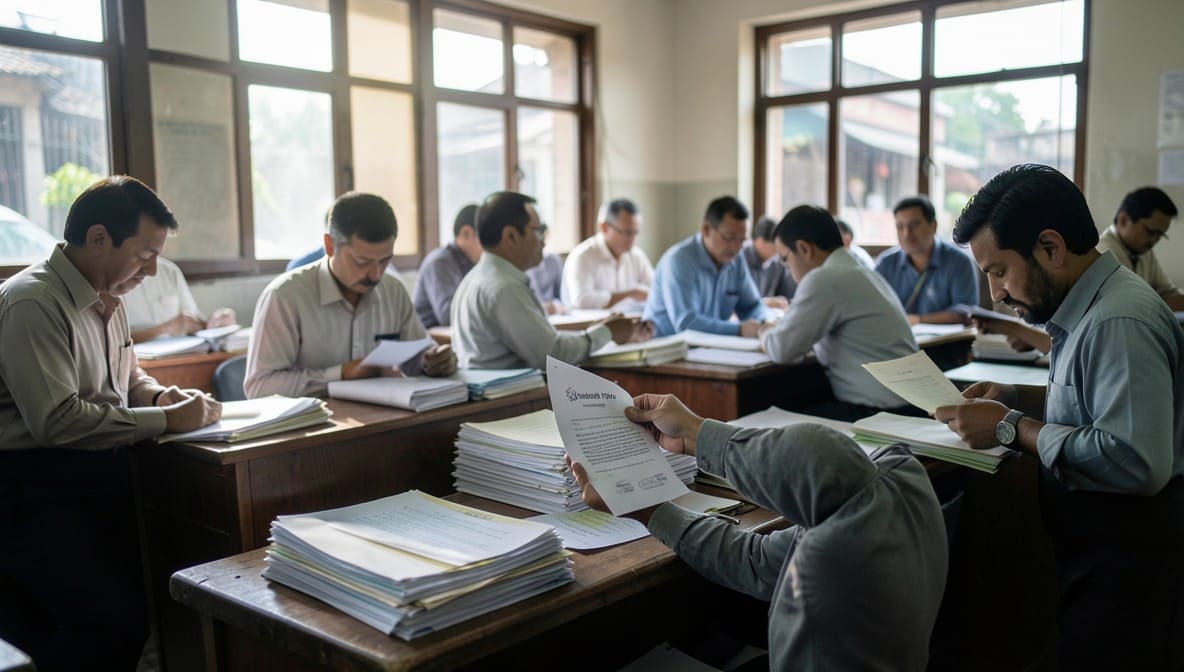
The appellant, VIDC, Amravati, sought to file a statutory appeal against an order passed by the District Forum under the Land Acquisition Act. The appeal was due to be filed within 90 days of the order, but was delayed by 142 days. The appellant attributed the delay to internal administrative processes, including the need to obtain multiple approvals from government departments before initiating litigation.
Procedural History
- Original Order: Passed by District Forum under the Land Acquisition Act
- Deadline for Appeal: 90 days from date of order
- Filing Delay: 142 days beyond statutory limit
- Application Filed: Civil Application No. 3363 of 2024 seeking condonation of delay
- Respondent Response: Respondent No. 1 waived appearance; State opposed condonation on technical grounds
Relief Sought
The appellant sought condonation of delay under Section 5 of the Limitation Act, 1963, arguing that the delay was due to bona fide administrative exigencies and not mala fide intent. The appellant also requested that the appeal be allowed to proceed on merits.
The Legal Issue
The central question was whether Section 5 of the Limitation Act permits condonation of delay in filing a statutory appeal when the cause is internal bureaucratic delay, and whether such delay can be deemed non-intentional under the doctrine of interest of justice.
Arguments Presented
For the Appellant
The appellant relied on State of U.P. v. Rajendra Prasad and Smt. Sushila Devi v. Ram Prasad, arguing that administrative delays arising from procedural formalities within government bodies constitute sufficient cause under Section 5. Counsel emphasized that the delay was neither malicious nor calculated to prejudice the respondent, and that the appeal raised substantial questions of compensation entitlement.
For the Respondent/State
The State, through the Additional Government Pleader, contended that statutory timelines are sacrosanct and that internal administrative inefficiencies cannot be equated with unavoidable circumstances. It cited K. Srinivasan v. State of Tamil Nadu to argue that condonation should be granted only in exceptional cases involving external factors like illness or natural calamity, not bureaucratic inertia.
The Court's Analysis
The Court examined the nature of the delay and the appellant’s conduct over the 142-day period. It noted that the appellant had not sought any interim relief or attempted to circumvent the limitation period, and that the delay stemmed from obtaining requisite permissions from multiple departments - a process common in public sector litigation.
"The delay does not appear to be intentional and the application needs to be allowed in the interest of justice."
The Court rejected the rigid interpretation urged by the State, distinguishing between deliberate evasion and systemic delays inherent in public administration. It held that Section 5 is a remedial provision designed to prevent technical defeats of substantive rights. The Court emphasized that the legislature intended flexibility where the cause is genuine and the delay does not prejudice the opposite party.
The Court further observed that the respondent No. 1 had waived appearance, and the State had not demonstrated any actual prejudice caused by the delay. The Court concluded that the appellant’s conduct was consistent with due diligence, and that denying the appeal on procedural grounds would amount to a denial of justice.
The Verdict
The appellant succeeded. The Court held that Section 5 of the Limitation Act permits condonation of delay in statutory appeals when the cause is non-intentional and rooted in administrative necessity, provided no prejudice is shown. The 142-day delay was condoned, and the appeal was permitted to proceed.
What This Means For Similar Cases
Administrative Delays Can Justify Condonation
- Practitioners may now argue that internal government approvals, inter-departmental coordination, or bureaucratic clearance processes qualify as sufficient cause under Section 5
- Courts are likely to accept such delays if supported by affidavits detailing the steps taken and time consumed
- No need to prove external force - systemic inefficiency within public institutions suffices
Prejudice Must Be Demonstrated, Not Assumed
- Respondents must show concrete prejudice from delay; mere assertion of technical violation is insufficient
- Waiver by one respondent weakens the State’s opposition to condonation
- Courts will prioritize substantive justice over procedural technicalities where delay is bona fide
Procedural Flexibility in Public Law Matters
- This judgment signals a shift toward equitable interpretation in land acquisition and public law appeals
- Legal teams should proactively document all administrative steps taken during delay periods
- Applications for condonation must clearly link delay to institutional processes, not individual negligence