Topic

Municipal Law

Municipal law in India governs the powers and duties of urban local bodies, including land use, demolition, town planning, and public infrastructure under state municipal acts.

52 articlesLatest October 2026
Sections 297 & 299 M.C.C. Act cannot be invoked for land not constituting an existing public street | Road-widening acquisition of private factory land : Bombay HC
Case Law Analysis
|Bombay High Court

Sections 297 & 299 M.C.C. Act cannot be invoked for land not constituting an existing public street | Road-widening acquisition of private factory land : Bombay HC

The Bombay High Court quashed municipal notices to acquire part of a privately owned factory for road widening. It ruled that Sections 297 and 299 of the Mumbai Municipal Corporation Act apply only to existing public streets, so they cannot be used to take private land that is not a street, protecting owners from unlawful acquisition.

Registered Sale Deeds Prevail Over Revenue Records | Allahabad HC Upholds Title Based on 1913 & 1920 Deeds, Bars Municipal NOC Denial
Case Law Analysis
|Allahabad High Court

Registered Sale Deeds Prevail Over Revenue Records | Allahabad HC Upholds Title Based on 1913 & 1920 Deeds, Bars Municipal NOC Denial

Allahabad High Court rules that valid registered sale deeds from 1913 and 1920 override century-old revenue records classifying land as a pond. The judgment estops municipal authorities from denying NOCs for construction on developed abadi land, reinforcing the supremacy of documentary title over administrative records.

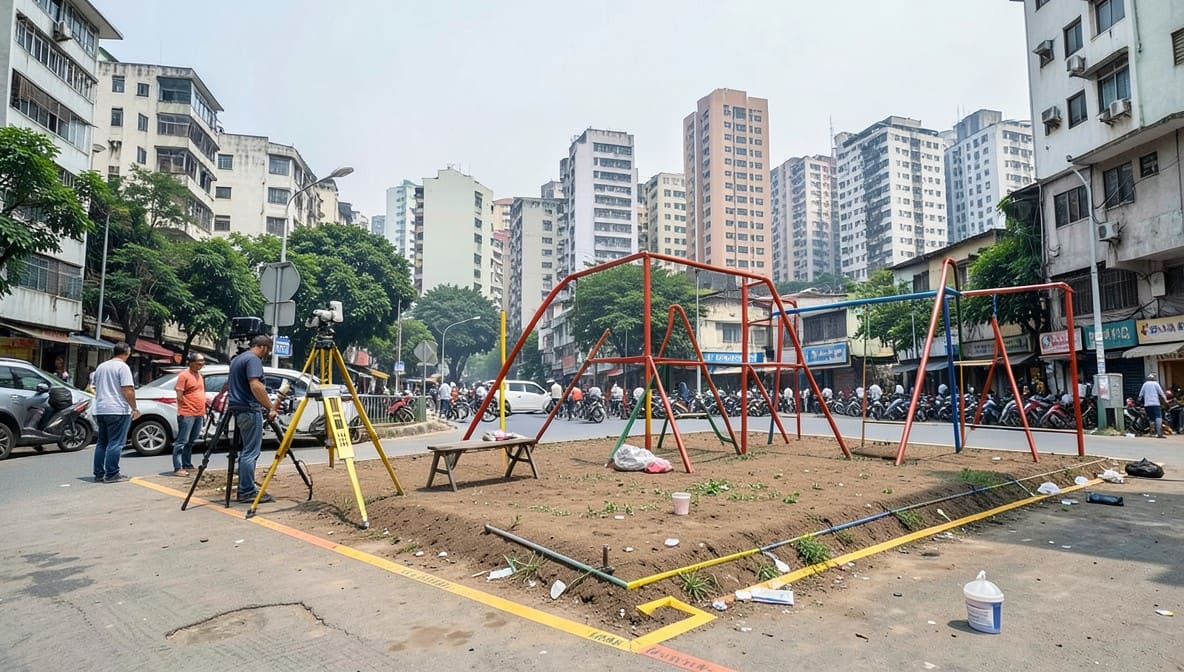
Article 14, 21 & 300-A | Municipal Survey Without Title Document Verification Violates Property Rights : Andhra Pradesh HC
Case Law Analysis
|Andhra Pradesh High Court

Article 14, 21 & 300-A | Municipal Survey Without Title Document Verification Violates Property Rights : Andhra Pradesh HC

Andhra Pradesh High Court rules that municipal authorities must conduct surveys based on title documents before initiating public works on private land. The judgment mandates due process under Articles 14, 21, and 300-A, ensuring property owners are protected from arbitrary encroachment without statutory acquisition or notice.

Inadvertent Alteration & Proportionality | Penalty Imposed But Seal Must Be Removed Pending Compounding: MP HC Gwalior
Case Law Analysis
|Madhya Pradesh High Court

Inadvertent Alteration & Proportionality | Penalty Imposed But Seal Must Be Removed Pending Compounding: MP HC Gwalior

The Madhya Pradesh High Court ruled that an inadvertent, bona fide shop alteration by a lessee does not bar compounding of the violation - while the penalty must be paid, the municipal seal must be lifted immediately to restore livelihood rights. This affirms that administrative penalties must yield to the constitutional right to trade when no malice or intent to evade law exists, setting a critical precedent for small traders facing rigid municipal enforcement.

Article 19(1)(g) | Due Process Mandatory Before Evicting Street Vendors: AP High Court Upholds Constitutional Right to Livelihood
Case Law Analysis
|Andhra Pradesh High Court

Article 19(1)(g) | Due Process Mandatory Before Evicting Street Vendors: AP High Court Upholds Constitutional Right to Livelihood

The Andhra Pradesh High Court ruled that municipal authorities cannot evict street vendors without following due process, reinforcing the constitutional right to livelihood under Article 19(1)(g). The judgment mandates compliance with the National Urban Street Vendors Policy, ensuring vendors are not arbitrarily displaced without notice or hearing, impacting thousands of informal workers across India.

Registered Exchange Deed Defines Property Boundaries | Municipal Authorities Cannot Override with Unregistered Communications: Karnataka HC
Case Law Analysis
|Karnataka High Court

Registered Exchange Deed Defines Property Boundaries | Municipal Authorities Cannot Override with Unregistered Communications: Karnataka HC

The Karnataka High Court has ruled that a registered exchange deed conclusively establishes property boundaries, and municipal bodies cannot unilaterally alter them through unregistered notices or permit encroachments on designated public roads. This reinforces that documented title trumps administrative convenience, protecting landowners from arbitrary municipal overreach in urban planning disputes.

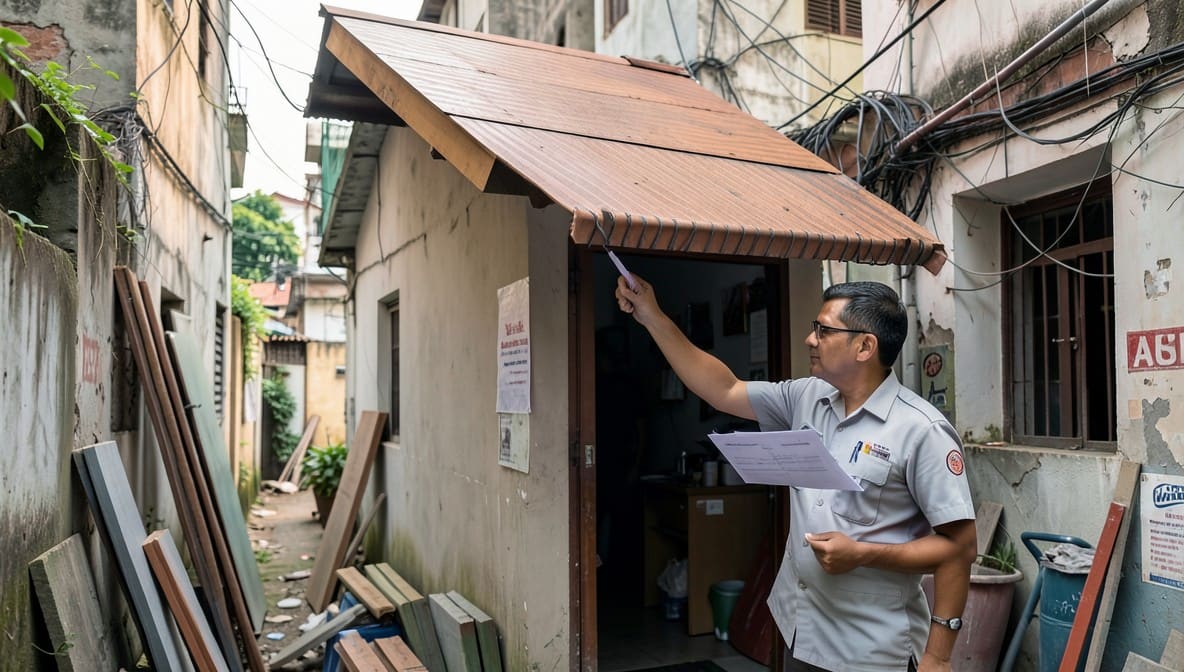
Section 354A MMC Act | Roof Replacement with Different Material Requires Prior Municipal Permission : Bombay HC
Case Law Analysis
|Bombay High Court

Section 354A MMC Act | Roof Replacement with Different Material Requires Prior Municipal Permission : Bombay HC

Bombay High Court rules that replacing a roof with a different material (e.g., Ladi Coba slab instead of A.C. sheets) constitutes an 'alteration' under Section 354A of the Mumbai Municipal Corporation Act, mandating prior permission. The Court dismissed reliance on a 1987 circular, reinforcing strict compliance with statutory provisions for property modifications.

Contempt of Court Under Sections 10-12 | Issuing Notices Alone Insufficient for Judicial Compliance; Willful Disobedience Attracts Fine & Costs : Andhra Pradesh HC
Case Law Analysis
|Andhra Pradesh High Court

Contempt of Court Under Sections 10-12 | Issuing Notices Alone Insufficient for Judicial Compliance; Willful Disobedience Attracts Fine & Costs : Andhra Pradesh HC

The Andhra Pradesh High Court ruled that mere issuance of notices does not constitute compliance with judicial orders. Willful disobedience of a final court directive-even without malice-amounts to contempt, warranting imposition of fines and costs on public officials. The judgment underscores that administrative inaction post-notice violates judicial authority and mandates tangible enforcement of orders.

Right to Hearing Before Fine Imposition | Municipal Seizure of Flex Materials Requires Opportunity to Contest: Kerala HC
|Kerala High Court

Right to Hearing Before Fine Imposition | Municipal Seizure of Flex Materials Requires Opportunity to Contest: Kerala HC

The Kerala High Court has ruled that municipal authorities cannot impose fines based on seized materials without first providing the affected party a meaningful opportunity to be heard and substantiate their objections. This sets a critical precedent for all local bodies enforcing administrative penalties, ensuring procedural fairness overrides summary action in regulatory enforcement.

Section 209 Mumbai Municipal Corporation Act | Occupier-Specific Property Tax Billing Mandatory : Bombay HC Quashes Collective Liability Notices
Case Law Analysis
|Bombay High Court

Section 209 Mumbai Municipal Corporation Act | Occupier-Specific Property Tax Billing Mandatory : Bombay HC Quashes Collective Liability Notices

Bombay High Court rules that Section 209 of the Mumbai Municipal Corporation Act requires individual property tax billing based on rent shares, not collective liability. The Court quashed BMC demand notices issued to non-defaulting occupiers, limiting recovery to the defaulter and capping the petitioner’s liability at Rs. 67,071, reinforcing statutory compliance in municipal tax assessments.

Mumbai Municipal Corporation Act Section 154 | Land Under Construction Must Be Assessed as Vacant Land, Not as Developed Property : Bombay HC
Case Law Analysis
|Bombay High Court

Mumbai Municipal Corporation Act Section 154 | Land Under Construction Must Be Assessed as Vacant Land, Not as Developed Property : Bombay HC

The Bombay High Court ruled that land under construction, even with partial development activity, must be classified as vacant land for rateable value purposes under the MMC Act, invalidating assessments based on construction progress. This clarifies that water charges and sewerage taxes are separate obligations requiring actual infrastructure, impacting developers and municipal revenue officers across Mumbai.