Topic

Employer Liability

Employer liability in Indian law refers to legal responsibilities of employers for workplace injuries, wage violations, statutory dues, and actions of employees performed in the course of employment.

24 articlesLatest August 2026
Employer-Liability Policy Excludes Interest - Insurer Not Liable for Compensation Interest | Employees' Compensation Act, 1923 : Gujarat HC
Case Law Analysis
|Gujarat High Court

Employer-Liability Policy Excludes Interest - Insurer Not Liable for Compensation Interest | Employees' Compensation Act, 1923 : Gujarat HC

Gujarat High Court ruled that an insurer cannot be compelled to pay interest on workmen's compensation when the employer-liability policy expressly excludes such liability. The decision overturns the Labour Court's interest award, reinforcing the primacy of policy terms. Employers and insurers must review policy wording to avoid unexpected interest obligations.

Section 14B EPF Act | Technical Glitches Do Not Excuse Statutory Damages for Delayed Contributions : Karnataka HC
Case Law Analysis
|Karnataka High Court

Section 14B EPF Act | Technical Glitches Do Not Excuse Statutory Damages for Delayed Contributions : Karnataka HC

The Karnataka High Court has ruled that employers cannot evade full statutory damages under Section 14B of the EPF Act by citing technical issues in online remittance uploads. The order quashes a 50% reduction of Rs. 2.42 lakh, reinforcing that compliance is non-negotiable and digital barriers do not override statutory obligations - a critical precedent for all EPF-covered establishments.

Payment of Gratuity Act | Employer Liable for 4% Interest on Delayed Gratuity Despite Qualification Dispute : MP HC Jabalpur
Case Law Analysis
|Madhya Pradesh High Court

Payment of Gratuity Act | Employer Liable for 4% Interest on Delayed Gratuity Despite Qualification Dispute : MP HC Jabalpur

The Madhya Pradesh High Court ruled that employers must pay 4% per annum interest on delayed gratuity payments, even if the employee's qualifications are later challenged. The court held that once an employee is allowed to work until superannuation, disputes over qualifications cannot justify withholding statutory benefits, reinforcing employer liability for delayed payments under the Payment of Gratuity Act.

Employees Compensation Act | Insurer’s Liability Survives Policy Violation If Death Occurs in Course of Employment : Allahabad HC
Case Law Analysis
|Allahabad High Court

Employees Compensation Act | Insurer’s Liability Survives Policy Violation If Death Occurs in Course of Employment : Allahabad HC

The Allahabad High Court has ruled that an insurer cannot escape liability under the Employees Compensation Act merely because the employer violated policy terms-so long as the worker’s death occurred during employment. The insurer retains a right to recover from the employer later, but the statutory duty to compensate dependents is absolute and non-negotiable, reinforcing the welfare-centric intent of the law.

Section 42(4) MIRA | Non-Compliance with Approach Notice Excused If Employer Conceals Employment Status: Bombay HC
Case Law Analysis
|Bombay High Court

Section 42(4) MIRA | Non-Compliance with Approach Notice Excused If Employer Conceals Employment Status: Bombay HC

Bombay High Court rules that failure to serve an approach notice under Section 42(4) of the Maharashtra Industrial Relations Act is not fatal if the employer misleads the employee about their employment status or termination. The ruling allows industrial disputes to proceed on merits, protecting workers from procedural technicalities exploited by employers.

Section 4 Payment of Gratuity Act | Principal Employer Liable for Gratuity Only with Direct Employment Relationship : Calcutta HC
Case Law Analysis
|Calcutta High Court

Section 4 Payment of Gratuity Act | Principal Employer Liable for Gratuity Only with Direct Employment Relationship : Calcutta HC

Calcutta High Court clarifies that principal employers under the Payment of Gratuity Act, 1972, are not vicariously liable for gratuity payments to contract workers unless a direct employer-employee relationship exists. The ruling rejects judicial expansion of liability via the Contract Labour Act, reinforcing statutory interpretation over judicial precedent.

MRTU & PULP Act | Employers Must Pay Full Wages for Unjustified Work Withholding as Unfair Labour Practice : Bombay HC
Case Law Analysis
|Bombay High Court

MRTU & PULP Act | Employers Must Pay Full Wages for Unjustified Work Withholding as Unfair Labour Practice : Bombay HC

Bombay High Court rules that employers committing unfair labour practices by withholding work without valid cause must compensate employees with full wages, reinforcing worker protections under the MRTU & PULP Act. The judgment underscores that wage entitlement persists even when employees are ready and willing to work, holding employers strictly liable for arbitrary work denial.

Employer Liability for Gratuity & Leave Encashment | Central Co-Operative Bank Cannot Shift Burden to Cooperative Societies: Rajasthan HC
Case Law Analysis
|Rajasthan High Court

Employer Liability for Gratuity & Leave Encashment | Central Co-Operative Bank Cannot Shift Burden to Cooperative Societies: Rajasthan HC

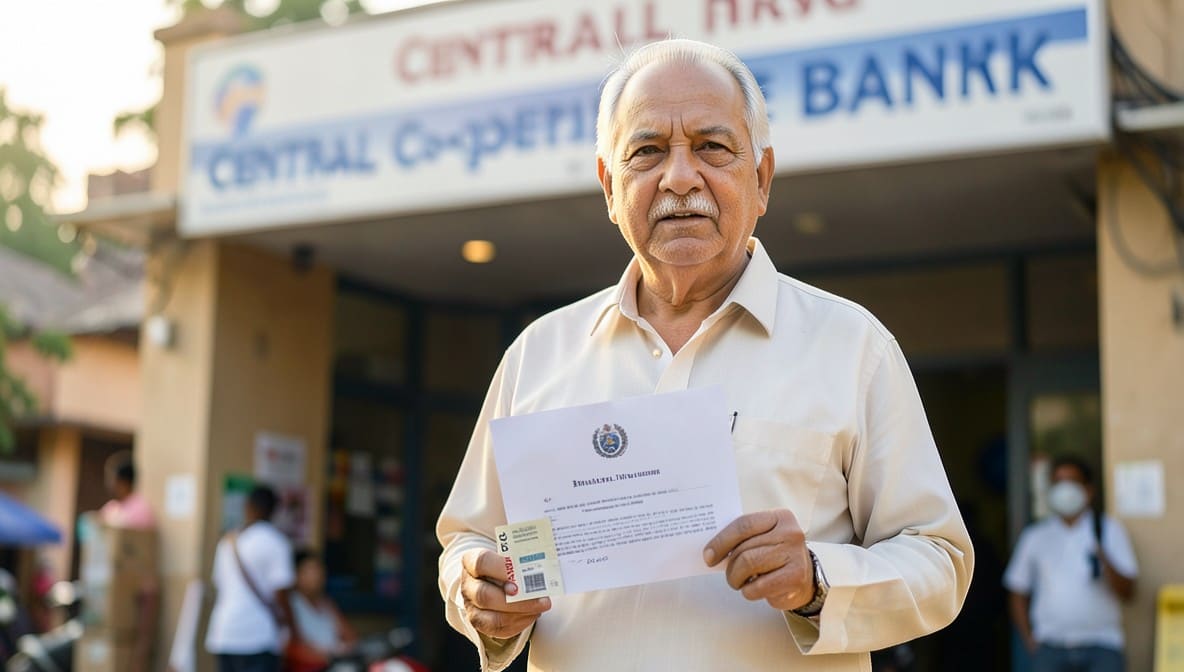
Rajasthan High Court rules that the Central Co-Operative Bank, as the entity issuing retirement orders and maintaining service records, remains statutorily liable for gratuity and leave encashment payments-irrespective of internal arrangements assigning liability to cooperative societies. The judgment reinforces that employer obligations under service law cannot be contractually delegated to avoid statutory benefits.

Employer Liability for Gratuity & Leave Encashment Irreversible Despite Internal Shifts: Rajasthan HC
Case Law Analysis
|Rajasthan High Court

Employer Liability for Gratuity & Leave Encashment Irreversible Despite Internal Shifts: Rajasthan HC

Rajasthan High Court rules that the Central Co-Operative Bank remains statutorily liable for gratuity and leave encashment payments to retired employees, even if internal arrangements shift liability to affiliated cooperatives. The judgment reinforces that retiral benefits cannot be evaded through administrative reallocations, directly impacting employer obligations under service law.

Workmen’s Compensation Act | Employer Liability Established Through Circumstantial Evidence Even Without Formal Employment Records : HP HC
Case Law Analysis
|Himachal Pradesh High Court

Workmen’s Compensation Act | Employer Liability Established Through Circumstantial Evidence Even Without Formal Employment Records : HP HC

The Himachal Pradesh High Court ruled that an employer’s liability under the Workmen’s Compensation Act arises from factual employment, irrespective of formal records. The ESI Act’s bar applies only if the deceased was an insured person, ensuring compensation for dependents even in informal employment scenarios.

Employer Liable for TDS Mismatch Between Form 16 and Form 26AS | Must Rectify Within 30 Days or Pay Refund with Interest : J&K and Ladakh HC
Case Law Analysis
|Jammu & Kashmir and Ladakh High Court

Employer Liable for TDS Mismatch Between Form 16 and Form 26AS | Must Rectify Within 30 Days or Pay Refund with Interest : J&K and Ladakh HC

When an employer issues a correct Form 16 but fails to ensure accurate TDS reflection in Form 26AS due to administrative error, the law holds the employer responsible-not the taxpayer. The J&K and Ladakh High Court mandates rectification within one month and requires the government to refund the withheld tax with interest, establishing that bureaucratic negligence cannot shift the burden to employees.

Employee's Compensation Act | Contractual Workers Entitled to Compensation if Employment Nexus Proven, Even Without Formal Appointment Docs: Bombay HC
Case Law Analysis
|Bombay High Court

Employee's Compensation Act | Contractual Workers Entitled to Compensation if Employment Nexus Proven, Even Without Formal Appointment Docs: Bombay HC

The Bombay High Court affirmed that contractual workers killed in work-related accidents are entitled to compensation under the Employee's Compensation Act, even in the absence of formal appointment letters or salary records, if the employment nexus is established through circumstantial evidence. This ruling expands employer liability and protects vulnerable informal workers by prioritizing factual employment over documentary formalities.