Tribunals and Commissions judgments

1767 Tribunals and Commissions judgments explained in plain English: what was decided, the law applied and why it matters. Page 10 of 74.

Section 148 IT Act | Reassessment Notice Based on Unverified Insight Portal Data Invalid Without Independent Verification: ITAT Pune
Case Law Analysis
|Income Tax Appellate Tribunal

Section 148 IT Act | Reassessment Notice Based on Unverified Insight Portal Data Invalid Without Independent Verification: ITAT Pune

ITAT Pune holds that reassessment notices under Section 148 of the Income Tax Act, 1961, relying solely on unverified Insight Portal data without independent verification, are invalid. The ruling reinforces CBDT Circular compliance, mandating AO scrutiny beyond automated alerts to protect taxpayers from arbitrary proceedings.

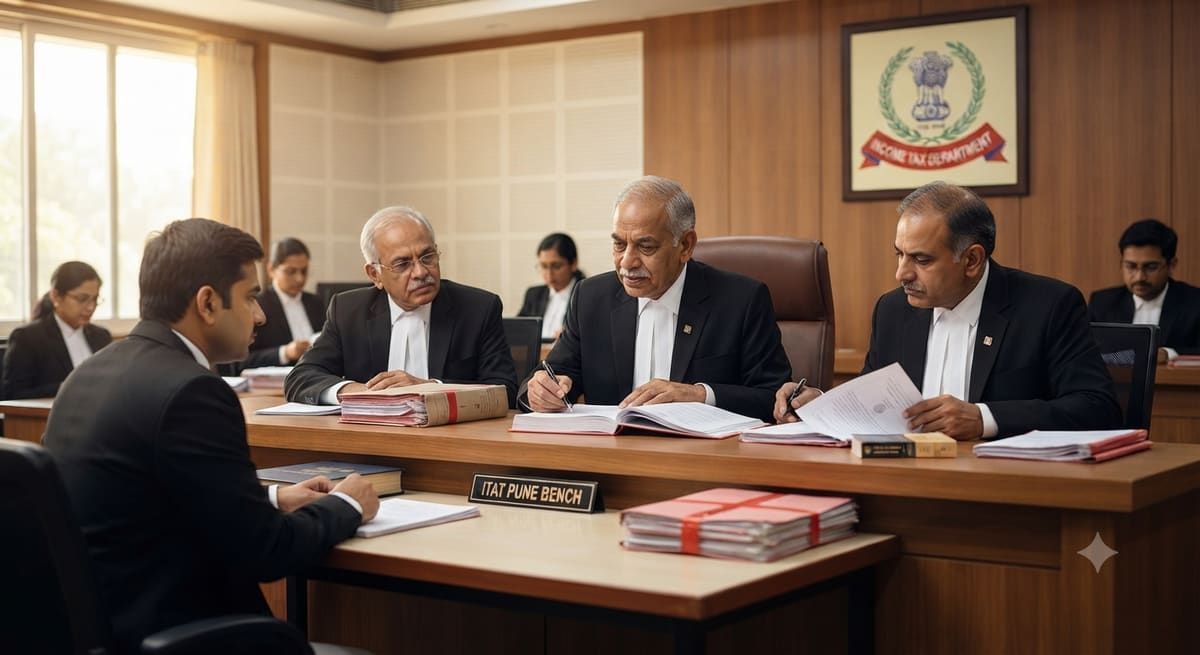
Section 270A IT Act | Penalty for Misreporting Requires Cogent Evidence of False Particulars : ITAT Ahmedabad
Case Law Analysis
|Income Tax Appellate Tribunal

Section 270A IT Act | Penalty for Misreporting Requires Cogent Evidence of False Particulars : ITAT Ahmedabad

ITAT Ahmedabad sets a precedent that penalties under Section 270A for misreporting income cannot be imposed without concrete proof of false particulars or deliberate suppression, even if a deduction is disallowed. This ruling reinforces natural justice principles, protecting taxpayers from arbitrary penalties based solely on disallowed claims.

Section 3(4) & 4 Competition Act | Vertical Agreements Without Market Dominance Not Anti-Competitive : CCI Dismisses Dealership Termination Case
Competition Law
|Competition Commission of India

Section 3(4) & 4 Competition Act | Vertical Agreements Without Market Dominance Not Anti-Competitive : CCI Dismisses Dealership Termination Case

CCI clarifies that vertical agreements under Section 3(4) of the Competition Act require proof of dominance to establish anti-competitive practices. Dealers cannot challenge unilateral termination unless market power is demonstrated, reinforcing the threshold for abuse of dominance claims under Section 4. The ruling impacts automotive dealerships and vertical business relationships across sectors.

Section 11D Central Excise Act | Retrospective Application Barred; CESTAT Chandigarh Quashes Rs. 55 Lakh Demand for Pre-1991 Period : CESTAT
Case Law Analysis
|Custom, Excise & Service Tax Tribunal

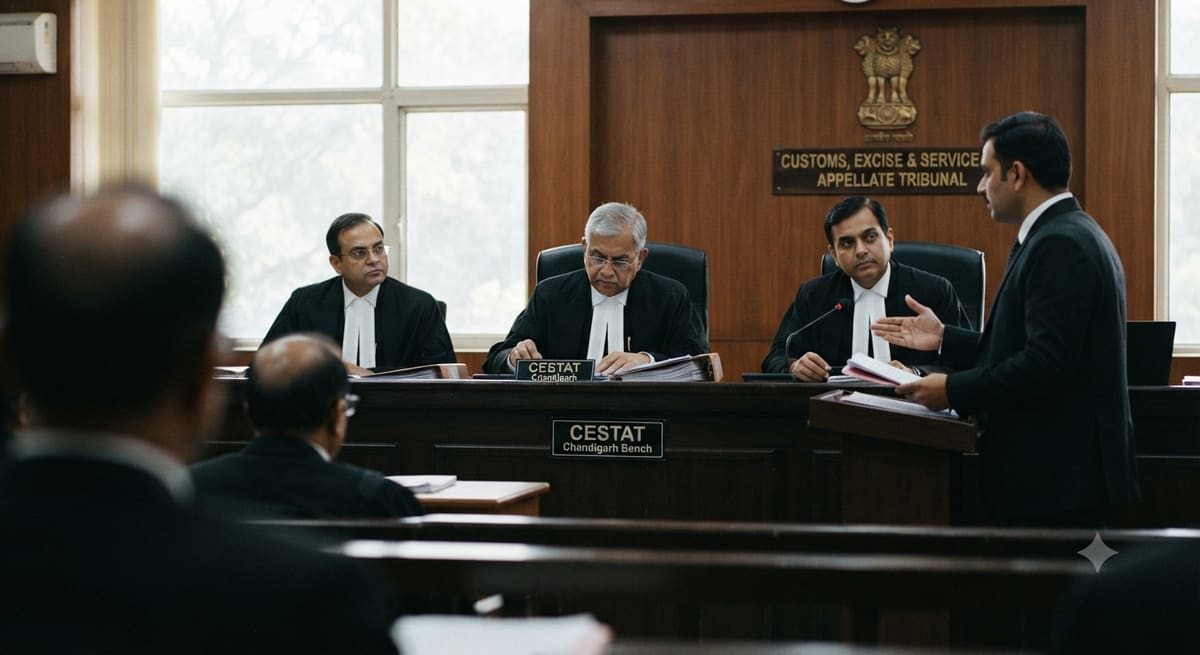
Section 11D Central Excise Act | Retrospective Application Barred; CESTAT Chandigarh Quashes Rs. 55 Lakh Demand for Pre-1991 Period : CESTAT

CESTAT Chandigarh rules that Section 11D of the Central Excise Act, 1944 cannot be applied retrospectively, setting aside a Rs. 55,01,282 demand for the period prior to September 20, 1991. The ruling reinforces that excise duty demands under Section 11D are prospective only, impacting businesses facing retrospective tax claims.

Section 69A IT Act | Mere Mobile Phone Estimates Without Corroborative Evidence Insufficient for Unexplained Investment Addition : ITAT Jaipur
Case Law Analysis
|Income Tax Appellate Tribunal

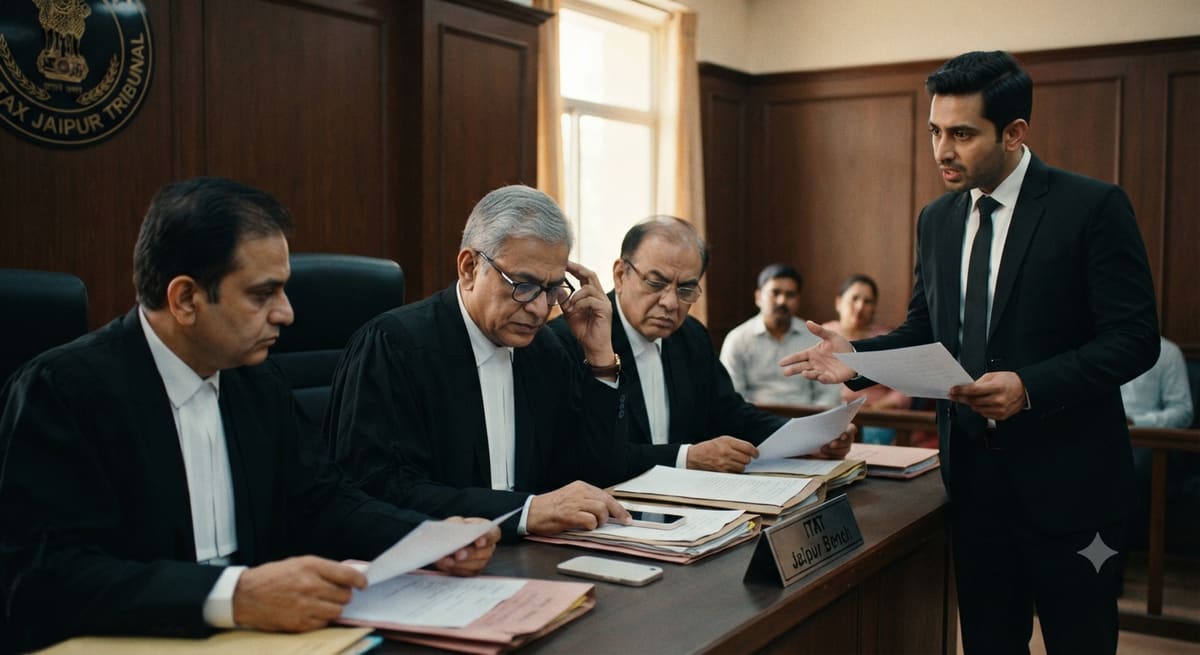
Section 69A IT Act | Mere Mobile Phone Estimates Without Corroborative Evidence Insufficient for Unexplained Investment Addition : ITAT Jaipur

ITAT Jaipur holds that rough estimates of jewellery purchases found on a mobile phone, without proof of actual transactions or physical possession, cannot justify additions under Section 69A of the Income Tax Act. The ruling reinforces strict evidentiary standards for unexplained investments, protecting assessees from double taxation based on loose notings.

Section 33(1)(a) IBC | Liquidation Mandatory When Promoter Fails Settlement Commitments & CoC Cooperation : NCLAT Chennai
Case Law Analysis
|National Company Law Appellate Tribunal

Section 33(1)(a) IBC | Liquidation Mandatory When Promoter Fails Settlement Commitments & CoC Cooperation : NCLAT Chennai

NCLAT Chennai upholds liquidation under Section 33(1)(a) of the IBC, ruling that repeated failure to honor settlement proposals and non-cooperation with the Committee of Creditors (CoC) justifies bypassing resolution efforts. The judgment reinforces that liquidation is a last resort but becomes binding when promoters undermine the Corporate Insolvency Resolution Process (CIRP).

CRZ-IA Compliance | NGT Upholds Bund Strengthening with Mandatory Eco-Conditions : NGT Western Zone Bench
Case Law Analysis
|National Green Tribunal

CRZ-IA Compliance | NGT Upholds Bund Strengthening with Mandatory Eco-Conditions : NGT Western Zone Bench

NGT Western Zone Bench validates Goa Coastal Zone Management Authority's permission for bund strengthening in CRZ-IA areas, subject to strict eco-friendly conditions like mangrove replantation and solar lighting. The ruling reinforces regulatory compliance while balancing infrastructure development with environmental conservation under the CRZ Notification.

Rule 26 Central Excise Rules | Penalty Requires Corroborative Evidence & Specific Clause Invocation : CESTAT Ahmedabad
Case Law Analysis
|Custom, Excise & Service Tax Tribunal

Rule 26 Central Excise Rules | Penalty Requires Corroborative Evidence & Specific Clause Invocation : CESTAT Ahmedabad

CESTAT Ahmedabad sets aside penalties under Rule 26 of Central Excise Rules 2002, ruling that statements alone are insufficient for imposing penalties without corroborative evidence and explicit invocation of the penal clause. The decision underscores the need for strict adherence to procedural safeguards in excise penalty proceedings, impacting manufacturers and corporate officers facing similar allegations.

Section 80P(2)(a)(i) | Co-operative Societies Entitled to Deduction on Interest Income from Member Loans : ITAT Pune
Case Law Analysis
|Income Tax Appellate Tribunal

Section 80P(2)(a)(i) | Co-operative Societies Entitled to Deduction on Interest Income from Member Loans : ITAT Pune

ITAT Pune reaffirms that co-operative societies engaged in providing credit facilities exclusively to members are eligible for deduction under Section 80P(2)(a)(i) on interest income, distinguishing the Totgars precedent. The ruling reinforces binding judicial consistency for salary earners' credit societies, impacting tax liability calculations for similar entities.

Section 31(4) IBC | One-Year Deadline for Regulatory Approvals Mandatory; Failure Triggers Liquidation : NCLAT
Case Law Analysis
|National Company Law Appellate Tribunal

Section 31(4) IBC | One-Year Deadline for Regulatory Approvals Mandatory; Failure Triggers Liquidation : NCLAT

NCLAT upholds liquidation of a corporate debtor after the resolution applicant failed to secure RBI approvals within the one-year deadline under Section 31(4) of the Insolvency and Bankruptcy Code. The ruling reinforces strict compliance with regulatory timelines, impacting insolvency practitioners and creditors in CIRP proceedings.

NGT Mandates Strict Compliance with Solid Waste Management Rules 2026 | District Collectors Held Accountable, CSR Funds Directed for Waste-to-Energy Projects : NGT Central Zone Bench
Case Law Analysis
|National Green Tribunal

NGT Mandates Strict Compliance with Solid Waste Management Rules 2026 | District Collectors Held Accountable, CSR Funds Directed for Waste-to-Energy Projects : NGT Central Zone Bench

The National Green Tribunal has directed strict enforcement of the Solid Waste Management Rules 2026, holding District Collectors personally accountable for implementation. Non-compliance will attract penalties, and CSR funds must be utilized for waste-to-energy projects to curb environmental violations.

Section 133 Indian Contract Act | Novation or Variance Without Guarantor Consent Discharges Personal Guarantee : NCLAT
Case Law Analysis
|National Company Law Appellate Tribunal

Section 133 Indian Contract Act | Novation or Variance Without Guarantor Consent Discharges Personal Guarantee : NCLAT

NCLAT holds that any renewal, novation, or variance of credit facilities without the personal guarantor's consent automatically discharges their liability under Section 133 of the Indian Contract Act. This ruling reinforces the protection of guarantors under the IBC and sets a precedent for creditors to secure explicit consent for modifications.