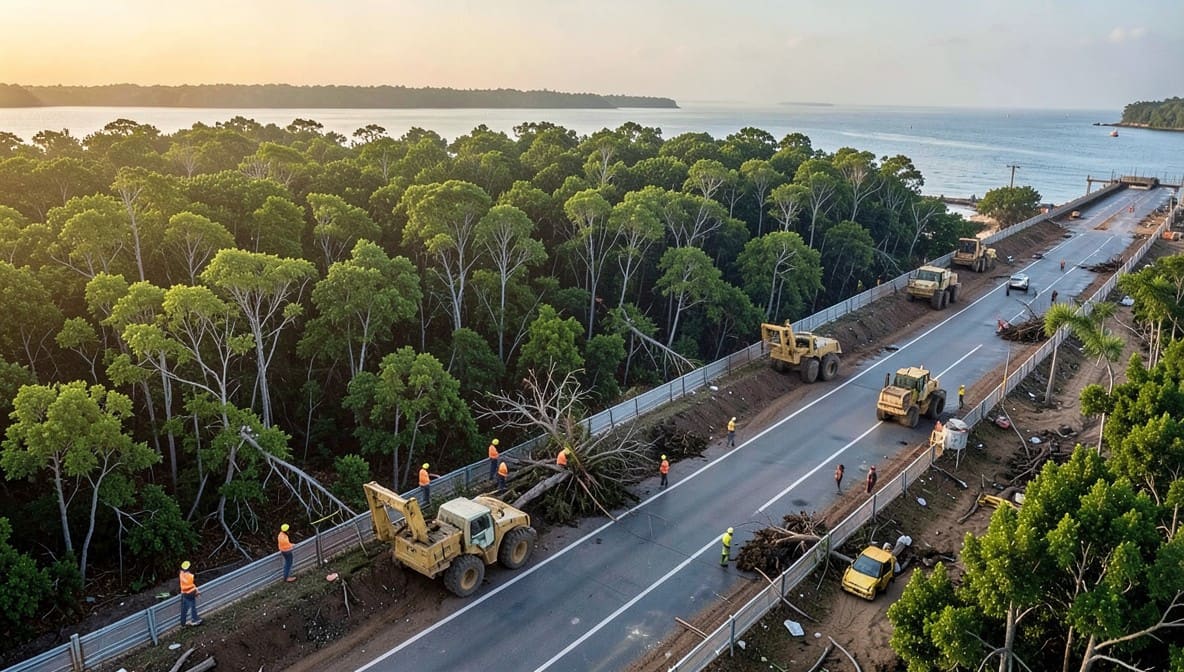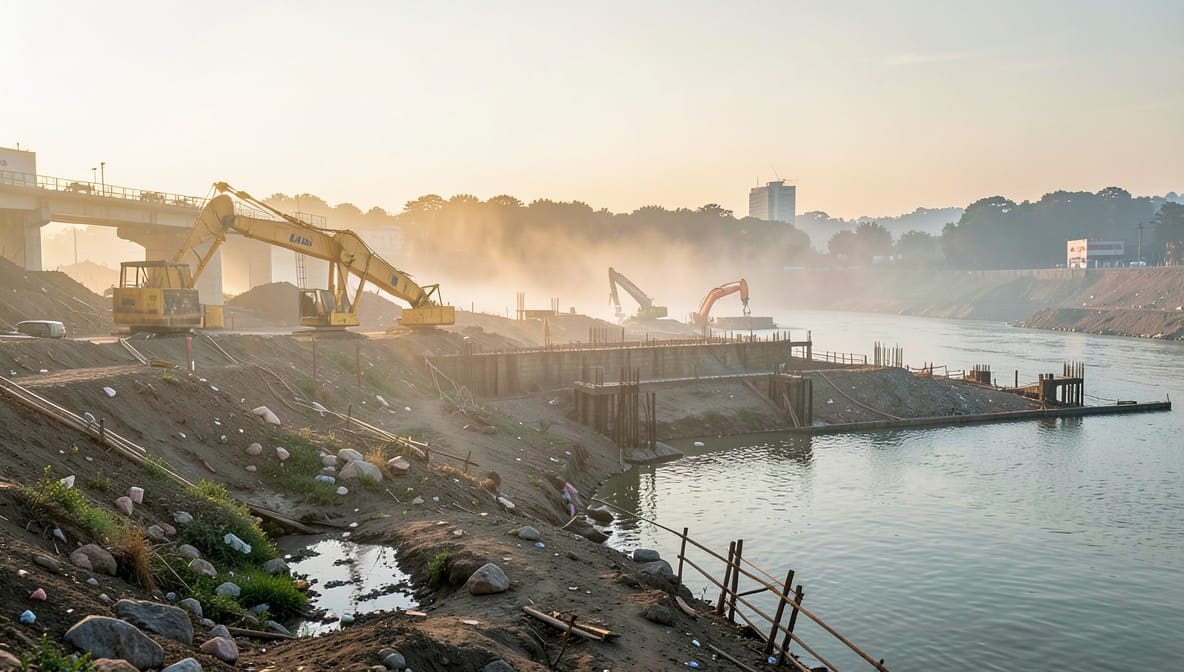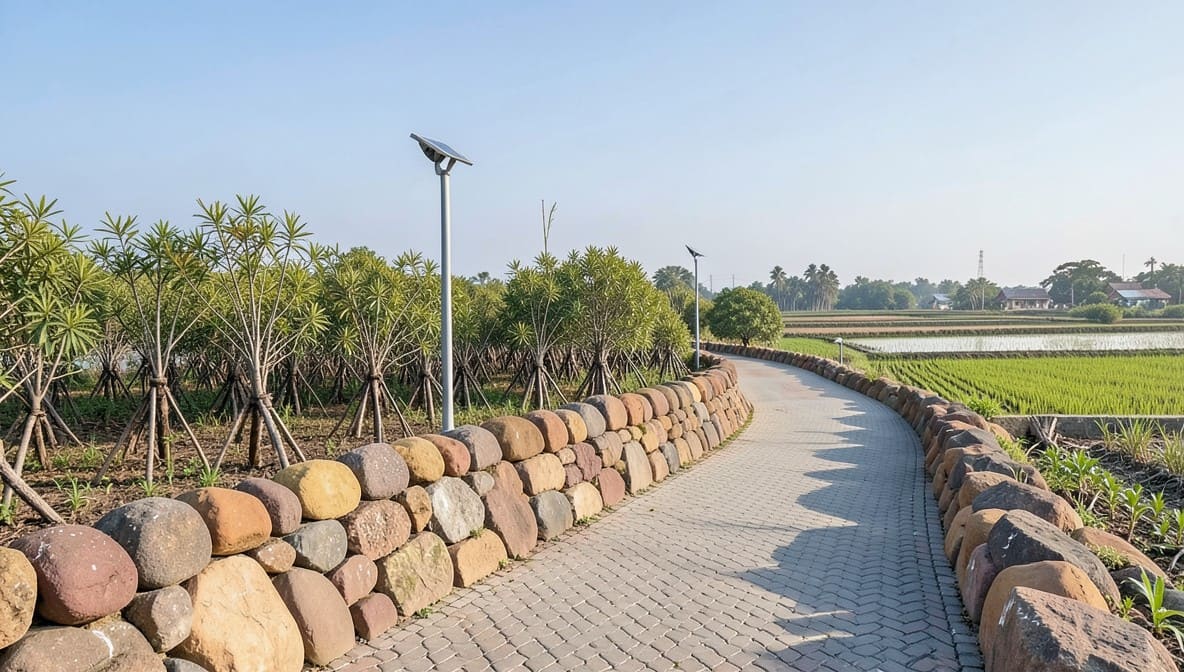
The National Green Tribunal, Western Zone Bench, has upheld an order of the Goa Coastal Zone Management Authority permitting the strengthening of an existing bund in Candolim, Goa, despite its location in a CRZ-IA area. The judgment clarifies that developmental activities in ecologically sensitive zones are not outright prohibited if conducted with eco-friendly measures and proper regulatory oversight, offering crucial guidance for similar infrastructure projects near coastal ecosystems.
Background & Facts
The Dispute
The appellant, Calangute Constituency Forum, challenged an order dated 30.11.2023 passed by the Goa Coastal Zone Management Authority (GCZMA), which discharged a complaint regarding the destruction of mangroves during the strengthening of an existing bund from Nerul Bridge to Caculo House in Candolim, Goa. The appellant alleged that the project violated Section 5 of the Environment (Protection) Act, 1986 and CRZ-IA Regulations, which prohibit developmental activities in ecologically sensitive areas.
Key Facts
- The appellant filed a complaint on 21.12.2022 alleging:
- Expansion of the existing bund from 3.5 meters to 6-8 meters through land filling and concrete construction.
- Destruction of mangroves and river biodiversity due to non-eco-friendly materials.
- Violation of the NOC dated 26.08.2019 issued by GCZMA, which permitted only repair and renovation of the bund.
- The project was allegedly undertaken in the interest of a builder lobby, with improper access granted to a project in Survey No. 12, Candolim, despite its location within the CRZ line.
- The appellant relied on a joint inspection report dated 06.02.2019 by the Goa State Biodiversity Board (GSBB), which recommended:
- Avoiding mangrove cutting unless absolutely necessary.
- Using eco-friendly materials like boulders and laterites for construction.
- Compensatory replantation if mangroves were cut.
Procedural History
- 21.12.2022: Complaint filed by the appellant before GCZMA.
- 26.08.2019: GCZMA granted NOC to the Water Resources Department (WRD) for bund strengthening, subject to conditions including:
- Obtaining permissions from local authorities.
- Using eco-friendly materials.
- Consulting GSBB for mangrove replantation.
- 30.11.2023: GCZMA discharged the complaint with conditions:
- No road access to the bund; access limited to staircases.
- Replantation of mangroves in consultation with GSBB.
- Maintenance of sluice gates.
- Use of pavers with at least 50% opening for surface runoff control.
- Installation of solar street lights.
- 02.01.2024: Appeal filed before the NGT Western Zone Bench.
The Parties' Positions
- Appellant: Argued that the bund strengthening violated CRZ-IA Regulations, which prohibit developmental activities in ecologically sensitive areas. Emphasized the destruction of mangroves and non-compliance with eco-friendly construction guidelines.
- Respondents (WRD, GCZMA, Village Panchayat, etc.):
- WRD: Contended that the project aimed to prevent saline water inundation in agricultural lands and was carried out with due permissions. Only 10% of the work was completed, and no mangroves were destroyed.
- GCZMA: Submitted that the project was permissible under the CRZ Notification for preventing erosion and was subject to strict conditions.
- Village Panchayat: Highlighted that the bund was 10 meters wide near the bridge, contradicting the appellant's claim of expansion from 3.5 meters.
Relief Sought
The appellant sought:
- Quashing of the GCZMA order dated 30.11.2023.
- Immediate stoppage of the bund strengthening work.
- Restoration of the mangroves and biodiversity destroyed during construction.
The Legal Issue
The central question was whether strengthening and renovation of an existing bund in a CRZ-IA area constitutes a prohibited developmental activity under Regulation 2.1.1 of the CRZ Notification, or whether it is permissible if conducted with eco-friendly measures and regulatory oversight.
Arguments Presented
For the Appellant
- Relied on Regulation 2.1.1 of the CRZ Notification, which designates CRZ-IA as ecologically sensitive areas where developmental activities are prohibited.
- Argued that the use of concrete and land filling violated the NOC dated 26.08.2019, which permitted only repair and renovation using eco-friendly materials.
- Contended that the project was undertaken in the interest of a builder lobby, with improper access granted to a project in Survey No. 12, Candolim.
For the Respondents
- WRD: Submitted that the project was essential to prevent saline water inundation in agricultural lands and was carried out with due permissions from GCZMA, GSBB, and other authorities. Only 10% of the work was completed, and no mangroves were destroyed.
- GCZMA: Argued that the project was permissible under the CRZ Notification for preventing erosion and was subject to strict conditions, including mangrove replantation and solar lighting.
- Village Panchayat: Highlighted that the bund was already 10 meters wide near the bridge, and the project aimed to beautify the area for tourism while preventing misuse of the bund width.
The Court's Analysis
The Tribunal examined the following key aspects:
-
Permissibility of Developmental Activities in CRZ-IA: The Tribunal noted that CRZ-IA Regulations prohibit developmental activities in ecologically sensitive areas. However, it distinguished between outright prohibition and regulated activities aimed at preventing environmental damage, such as bund strengthening to stop saline water intrusion.
-
Compliance with NOC Conditions: The Tribunal observed that the NOC dated 26.08.2019 permitted bund strengthening subject to conditions, including:
- Use of eco-friendly materials.
- Consultation with GSBB for mangrove replantation.
- Maintenance of sluice gates. The Tribunal found that the WRD had complied with these conditions, as evidenced by:
- Joint inspection reports recommending eco-friendly construction methods.
- Affidavits stating that only 25% of the work (amounting to Rs. 75 lakhs) was completed, with no evidence of mangrove destruction.
-
Misuse of Bund Width: The appellant argued that the bund was being widened to 6-8 meters for vehicular movement. However, the Tribunal relied on:
- Site inspection reports showing the bund was already 10 meters wide near the bridge.
- Affidavits from WRD stating that the bund was designed for pedestrian movement only, with a 4-meter width for maintenance purposes.
-
Precautionary Measures: The Tribunal emphasized that the GCZMA's order imposed strict conditions to prevent misuse of the bund, including:
- No road access; only pedestrian movement via staircases.
- Replantation of mangroves in consultation with GSBB.
- Use of pavers with 50% opening for surface runoff control.
- Installation of solar street lights to minimize environmental impact.
"The Tribunal is satisfied that the project, as permitted by GCZMA, is aimed at preventing environmental damage and is subject to stringent conditions to ensure ecological protection. The appellant's apprehensions regarding misuse of the bund width are addressed by the conditions imposed, including virtual monitoring systems and restrictions on vehicular access."
The Verdict
The NGT upheld the GCZMA's order dated 30.11.2023, dismissing the appeal. The Tribunal concluded that:
- The bund strengthening project was permissible under the CRZ Notification as it aimed to prevent saline water intrusion and erosion.
- The project complied with eco-friendly measures and regulatory conditions, including mangrove replantation and solar lighting.
- No evidence was found of mangrove destruction or violation of the NOC conditions.
- The appellant's concerns about misuse of the bund width were addressed through strict conditions imposed by GCZMA.
What This Means For Similar Cases
Developmental Activities in CRZ-IA Are Not Outright Prohibited
- Projects aimed at preventing environmental damage (e.g., bund strengthening to stop saline water intrusion) may be permitted if conducted with eco-friendly measures and regulatory oversight.
- Key Takeaway: Authorities must ensure compliance with CRZ Notification conditions, including:
- Use of eco-friendly materials (e.g., boulders, laterites).
- Consultation with biodiversity boards for mangrove replantation.
- Restrictions on vehicular access and surface runoff control.
Regulatory Conditions Must Be Strictly Enforced
- The judgment underscores the importance of conditional permissions for projects in ecologically sensitive areas.
- Practitioners should note:
- Virtual monitoring systems may be mandated to prevent misuse of infrastructure.
- Compensatory measures (e.g., mangrove replantation) must be implemented if environmental damage is unavoidable.
- Solar lighting and other sustainable practices may be required to minimize ecological impact.
Documentary Evidence Trumps Allegations
- The Tribunal relied on site inspection reports, affidavits, and NOC conditions to dismiss the appellant's allegations of environmental destruction.
- Key Takeaway: In environmental disputes, documentary evidence (e.g., joint inspection reports, expert affidavits) holds significant weight over oral allegations of violations.