Punjab and Haryana High Court judgments

776 Punjab and Haryana High Court judgments explained in plain English: what was decided, the law applied and why it matters. Page 20 of 33.

Anticipatory Bail Conditional on Surrender of Mobile & Passport | Digital Evidence Handover Mandated Under BNSS 2023 : Punjab & Haryana HC
Case Law Analysis
|Punjab and Haryana High Court

Anticipatory Bail Conditional on Surrender of Mobile & Passport | Digital Evidence Handover Mandated Under BNSS 2023 : Punjab & Haryana HC

The Punjab & Haryana High Court has set a new precedent by granting anticipatory bail only on the condition that the accused surrenders their mobile phone and passport within two weeks, with automatic vacation of bail for non-compliance. This ruling establishes a binding digital evidence protocol under BNSS 2023, directly impacting how courts enforce cooperation in NDPS and other serious offence cases.


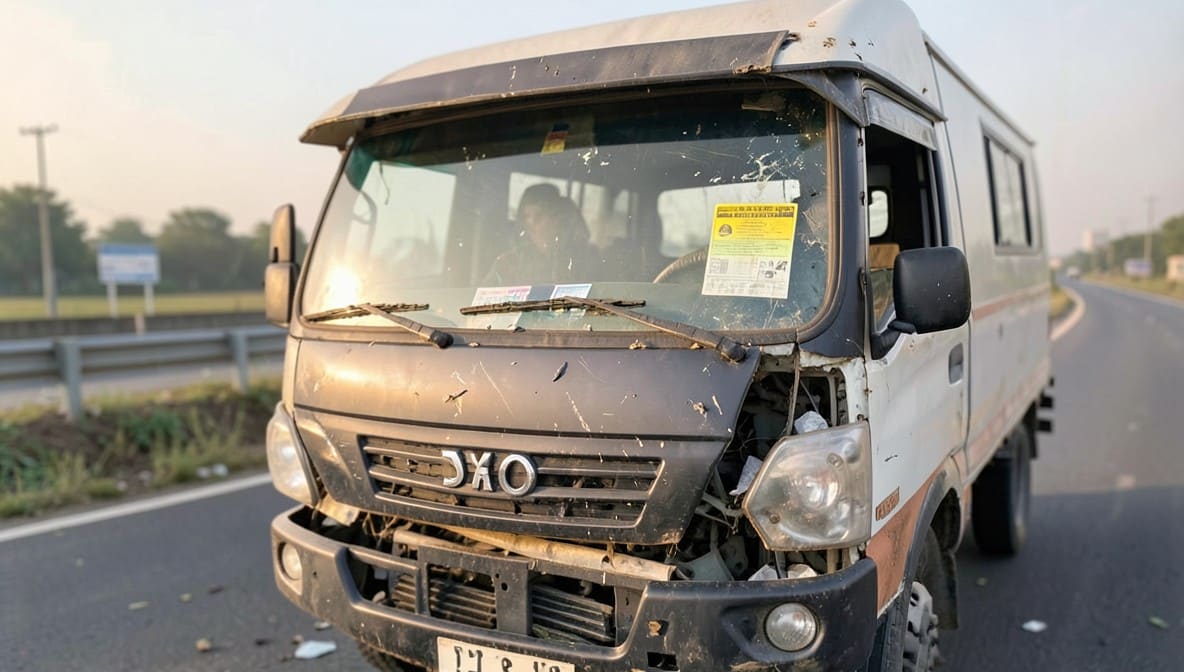
Sovereign Immunity Does Not Shield Military Drivers from Negligence on Public Roads | Motor Accident Claim under MV Act : Punjab & Haryana HC
Case Law Analysis
|Punjab and Haryana High Court

Sovereign Immunity Does Not Shield Military Drivers from Negligence on Public Roads | Motor Accident Claim under MV Act : Punjab & Haryana HC

The Punjab & Haryana High Court has ruled that operating a military vehicle negligently on a public road is a non-sovereign function, making the Union liable for compensation under the Motor Vehicles Act. This decision removes a common shield used by state entities in accident claims and reinforces civilian safety rights against state-operated vehicles.

Section 482 CrPC | FIR Under Section 307 IPC Quashed on Compromise Where Injury More Appropriately Falls Under Section 326 IPC : Punjab & Haryana HC
Case Law Analysis
|Punjab and Haryana High Court

Section 482 CrPC | FIR Under Section 307 IPC Quashed on Compromise Where Injury More Appropriately Falls Under Section 326 IPC : Punjab & Haryana HC

The Punjab & Haryana High Court quashed an FIR under Section 307 IPC after a genuine compromise, ruling that injuries classified as 'dangerous to life' in medical reports are better prosecuted under Section 326 IPC. The court emphasized that quashing is permissible under Section 482 CrPC when the likelihood of conviction is remote due to a valid compromise, aligning with precedents like Gian Singh and Narinder Singh.

Section 69(1) Indian Partnership Act | Registration at Filing Date Suffices for Suit Maintainability, Not Transaction Date : Punjab & Haryana HC
Case Law Analysis
|Punjab and Haryana High Court

Section 69(1) Indian Partnership Act | Registration at Filing Date Suffices for Suit Maintainability, Not Transaction Date : Punjab & Haryana HC

Unregistered firms can maintain suits under Section 69(1) of the Indian Partnership Act if registered by the filing date, regardless of registration status during the transaction. The Punjab & Haryana HC upheld a ₹3.89 lakh decree, clarifying that the critical date is filing, not the transaction period, easing compliance for businesses.

Insurance Payout Mandatory for Vehicle Loss Regardless of Theft vs Robbery Classification: Punjab & Haryana HC
Case Law Analysis
|Punjab and Haryana High Court

Insurance Payout Mandatory for Vehicle Loss Regardless of Theft vs Robbery Classification: Punjab & Haryana HC

The Punjab & Haryana High Court ruled that insurers must compensate vehicle loss claims even if police reports classify the incident as theft or robbery differently, as long as the loss is undisputed and no fraud is proven. This decision reinforces that technical distinctions in FIR terminology cannot absolve insurers of their liability under motor insurance policies.

CrPC Section 468 | Limitation Period Must Be Examined at Summoning Stage in Regulatory Offences : Punjab & Haryana HC Quashes Delayed Insecticides Act Complaint
Case Law Analysis
|Punjab and Haryana High Court

CrPC Section 468 | Limitation Period Must Be Examined at Summoning Stage in Regulatory Offences : Punjab & Haryana HC Quashes Delayed Insecticides Act Complaint

The Punjab & Haryana High Court ruled that Magistrates must assess the limitation period under Section 468 CrPC at the summoning stage itself, not post-trial. The Court quashed a complaint under the Insecticides Act filed six years after the offence, emphasizing that mechanical summoning orders violate procedural fairness and prejudice accused rights.

CPC Order 18 Rule 3 | Plaintiff Cannot Lead Rebuttal Evidence to Prove Issues Burdened on Them : Punjab & Haryana HC
Case Law Analysis
|Punjab and Haryana High Court

CPC Order 18 Rule 3 | Plaintiff Cannot Lead Rebuttal Evidence to Prove Issues Burdened on Them : Punjab & Haryana HC

The Punjab & Haryana High Court ruled that a plaintiff cannot rely on rebuttal evidence under CPC Order 18 Rule 3 to prove issues where the burden of proof lies on them, such as the authenticity of a will. The court set aside a trial court order permitting a handwriting expert's examination post-evidence closure, reinforcing that rebuttal evidence is inadmissible to discharge the plaintiff's primary burden of proof.

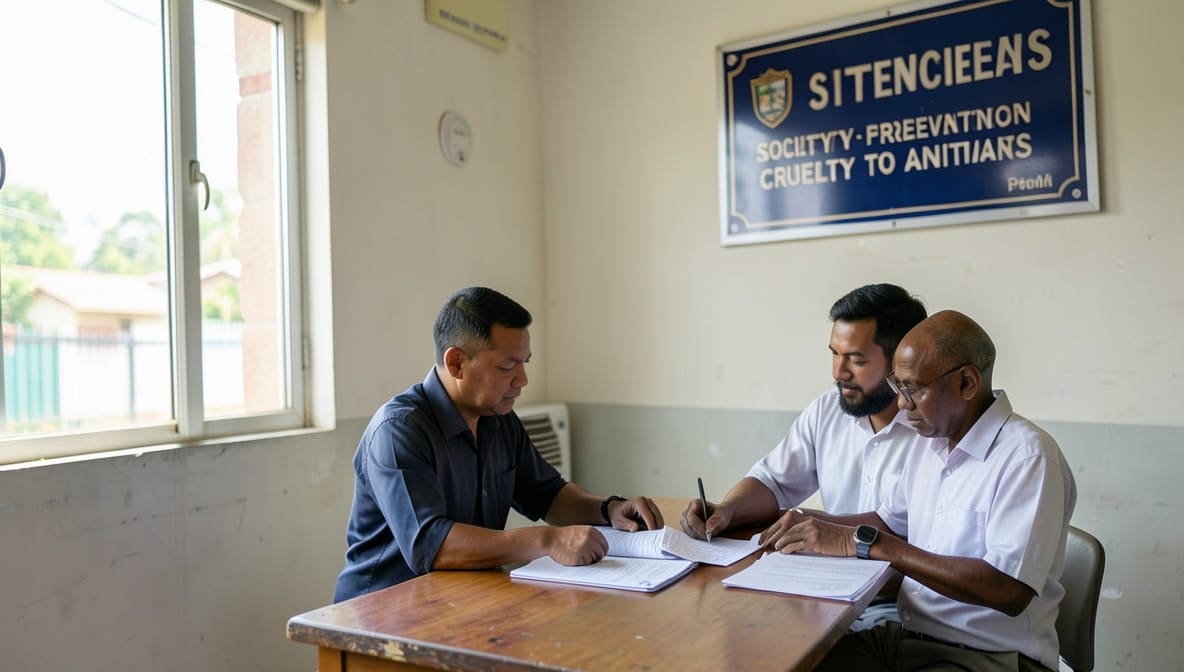
Section 31 Prevention of Cruelty to Animals Act | PIL Dismissed as FIR Remedy Under CrPC Adequate : Punjab & Haryana HC
Case Law Analysis
|Punjab and Haryana High Court

Section 31 Prevention of Cruelty to Animals Act | PIL Dismissed as FIR Remedy Under CrPC Adequate : Punjab & Haryana HC

The Punjab & Haryana High Court dismissed a PIL seeking action against dog fighting, ruling that citizens can directly file FIRs under Section 31 of the Prevention of Cruelty to Animals Act, 1960, as the offences are cognizable. The Court held that existing district-level SPCAs fulfill the state’s enforcement obligations, making judicial intervention unnecessary.

Contradictory Witness Testimony Under Section 166 MV Act | Unexplained Perjury Vitiates Motor Accident Compensation Claims : Punjab & Haryana HC
Case Law Analysis
|Punjab and Haryana High Court

Contradictory Witness Testimony Under Section 166 MV Act | Unexplained Perjury Vitiates Motor Accident Compensation Claims : Punjab & Haryana HC

The Punjab & Haryana High Court ruled that a compensation claim under the Motor Vehicles Act fails if the sole eyewitness contradicts their earlier testimony without explanation, rendering the evidence unreliable. This sets a precedent that perjury, even in civil claims, undermines the credibility of evidence and can lead to dismissal of claims.

Order VIII Rule 10 CPC | Striking Off Defence Without Reasonable Opportunity Violates Natural Justice : Punjab & Haryana HC
Case Law Analysis
|Punjab and Haryana High Court

Order VIII Rule 10 CPC | Striking Off Defence Without Reasonable Opportunity Violates Natural Justice : Punjab & Haryana HC

The Punjab & Haryana High Court ruled that striking off a defendant’s defence for non-filing of a written statement without granting a reasonable opportunity violates principles of natural justice. The Court directed the trial court to provide one effective opportunity to file the written statement, emphasizing that procedural fairness must precede drastic remedies under the CPC.

Mutual Contractual Extension Validates Specific Performance; Lis Pendens Voids Post-Injunction Sales : Punjab & Haryana HC
Case Law Analysis
|Punjab and Haryana High Court

Mutual Contractual Extension Validates Specific Performance; Lis Pendens Voids Post-Injunction Sales : Punjab & Haryana HC

The Punjab & Haryana High Court ruled that a mutual agreement to extend the sale deadline binds parties to specific performance, even if subsequent sales occur during litigation. The court held that lis pendens overrides bona fide purchaser claims, voiding transactions made in violation of an injunction. This reinforces the primacy of contractual agreements and lis pendens in property disputes.

Order 6 Rule 17 CPC | Belated Amendments Introducing New Causes of Action After Evidence Closure Violate Limitation: Punjab & Haryana HC
Case Law Analysis
|Punjab and Haryana High Court

Order 6 Rule 17 CPC | Belated Amendments Introducing New Causes of Action After Evidence Closure Violate Limitation: Punjab & Haryana HC

The Punjab & Haryana High Court ruled that amendments to pleadings under Order 6 Rule 17 CPC cannot introduce new causes of action against third parties after evidence closure, as it violates limitation principles and due diligence. The court set aside belated amendments and impleadment orders, emphasizing that such changes cannot bypass statutory time bars or alter the nature of the suit.

Section 28-A Land Acquisition Act | Limitation Period for Enhanced Compensation Runs from Final Judicial Determination, Not Initial Award : Punjab & Haryana HC
Case Law Analysis
|Punjab and Haryana High Court

Section 28-A Land Acquisition Act | Limitation Period for Enhanced Compensation Runs from Final Judicial Determination, Not Initial Award : Punjab & Haryana HC

Landowners are entitled to seek enhanced compensation under Section 28-A of the Land Acquisition Act even if their application was filed earlier, as the limitation period begins only upon final judicial determination of market value. This ruling ensures equitable compensation by preventing premature dismissal of claims pending adjudication.

Admission in NI Act Case Eliminates Need to Prove Readiness in Specific Performance Suits : Punjab & Haryana HC
Case Law Analysis
|Punjab and Haryana High Court

Admission in NI Act Case Eliminates Need to Prove Readiness in Specific Performance Suits : Punjab & Haryana HC

The Punjab & Haryana High Court ruled that a defendant's admission in a prior Negotiable Instruments Act case conclusively proves the existence of an Agreement to Sell, relieving the plaintiff of the burden to prove readiness and willingness in detail when execution is denied. This streamlines specific performance claims by leveraging admissions from related proceedings.

NDPS Act Section 21 | Pillion Rider Not Guilty of Conscious Possession Without Knowledge or Control of Contraband : Punjab & Haryana HC
Case Law Analysis
|Punjab and Haryana High Court

NDPS Act Section 21 | Pillion Rider Not Guilty of Conscious Possession Without Knowledge or Control of Contraband : Punjab & Haryana HC

The Punjab & Haryana High Court ruled that mere presence as a pillion rider on a motorcycle where contraband is found with the driver does not establish conscious possession under the NDPS Act. The judgment reinforces that guilt requires proof of actual knowledge and dominion over the drugs, protecting innocent passengers from automatic liability in drug cases.

Section 2(i) THOTA 1994 | Mother-in-Law Qualifies as 'Near Relative' for Organ Swap Under Purposive Interpretation : Punjab & Haryana HC
Case Law Analysis
|Punjab and Haryana High Court

Section 2(i) THOTA 1994 | Mother-in-Law Qualifies as 'Near Relative' for Organ Swap Under Purposive Interpretation : Punjab & Haryana HC

The Punjab & Haryana High Court has ruled that a mother-in-law qualifies as a 'near relative' under Section 2(i) of the Transplantation of Human Organs and Tissues Act, 1994, enabling life-saving kidney swaps when biological compatibility fails. This purposive interpretation prioritizes humanitarian outcomes over literal statutory limits, setting a precedent for family-based organ donation networks across India.

Order 22 Rule 10-A CPC | Delay Condoned for Substitution of Legal Heirs in 12-Year Pending Revision Petition Where Respondents Failed to Raise Abatement: Punjab HC
Case Law Analysis
|Punjab and Haryana High Court

Order 22 Rule 10-A CPC | Delay Condoned for Substitution of Legal Heirs in 12-Year Pending Revision Petition Where Respondents Failed to Raise Abatement: Punjab HC

The Punjab High Court allowed substitution of legal heirs in a revision petition pending since 2012, condoning a 12-year delay because respondents never invoked Order 22 Rule 10-A CPC to seek abatement. The ruling reinforces that procedural technicalities must not override substantive justice when no prejudice is caused, setting a vital precedent for heirs in long-pending civil litigation.

Section 482 BNSS | Anticipatory Bail Denied for Principal Architect of MBBS Admission Fraud: Punjab & Haryana HC
Case Law Analysis
|Punjab and Haryana High Court

Section 482 BNSS | Anticipatory Bail Denied for Principal Architect of MBBS Admission Fraud: Punjab & Haryana HC

The Punjab & Haryana High Court ruled that custodial interrogation is essential for the principal architect of an economic conspiracy with societal ramifications, denying anticipatory bail under Section 482 of the BNSS. The court emphasized that economic offences disrupt public trust and require stringent scrutiny, particularly when the accused is central to the fraudulent scheme.

Section 528 BNSS | High Court Lacks Power to Direct Time-Bound Investigation; Magistrate’s Remedy Under Section 175(3) Exclusive : Punjab & Haryana HC
Case Law Analysis
|Punjab and Haryana High Court

Section 528 BNSS | High Court Lacks Power to Direct Time-Bound Investigation; Magistrate’s Remedy Under Section 175(3) Exclusive : Punjab & Haryana HC

The Punjab & Haryana High Court reiterated that High Courts cannot intervene in investigation delays or direct time-bound probes under Section 528 BNSS, as the Magistrate holds exclusive powers under Section 175(3) BNSS. The ruling reinforces judicial restraint, limiting writ petitions to extraordinary circumstances and emphasizing the Magistrate’s role in ensuring fair investigations.

Section 202 CrPC | Non-Speaking Summoning Orders Void for Violating Natural Justice: Punjab & Haryana HC Quashes SC/ST Act Summons
Case Law Analysis
|Punjab and Haryana High Court

Section 202 CrPC | Non-Speaking Summoning Orders Void for Violating Natural Justice: Punjab & Haryana HC Quashes SC/ST Act Summons

The Punjab & Haryana High Court ruled that non-speaking summoning orders under Section 202 CrPC violate natural justice by failing to consider inquiry reports or prior adversarial proceedings. The court quashed summoning orders under the SC/ST Act and IPC, emphasizing that mechanical orders without judicial application of mind are legally unsustainable and prejudicial to accused rights.

Section 120-B IPC & Insurance Fraud | Premeditated Murder Conspiracy Overrides Bail Under BNSS : Punjab & Haryana HC
Case Law Analysis
|Punjab and Haryana High Court

Section 120-B IPC & Insurance Fraud | Premeditated Murder Conspiracy Overrides Bail Under BNSS : Punjab & Haryana HC

The Punjab & Haryana High Court ruled that active participation in a premeditated murder conspiracy-orchestrated to fake an accident for insurance fraud-justifies bail denial, even amid prolonged custody and trial delays. The ruling reinforces that conspiracy under Section 120-B IPC, when linked to grave offences like murder, outweighs procedural lapses in bail considerations.

Sections 22 & 23, Maintenance and Welfare of Parents and Senior Citizens Act | Eviction Applications Exclusively Lie Before Maintenance Tribunal, Not Appellate Tribunal : Punjab & Haryana HC
Case Law Analysis
|Punjab and Haryana High Court

Sections 22 & 23, Maintenance and Welfare of Parents and Senior Citizens Act | Eviction Applications Exclusively Lie Before Maintenance Tribunal, Not Appellate Tribunal : Punjab & Haryana HC

The Punjab & Haryana High Court reaffirmed that eviction applications under the Maintenance and Welfare of Parents and Senior Citizens Act, 2007 must be filed exclusively before the Maintenance Tribunal-cum-Sub-Divisional Magistrate. Filing before the Appellate Tribunal or delegated officers renders the application non-maintainable, reinforcing jurisdictional boundaries for senior citizens' eviction rights.

Supreme Court Directive | Mandatory CBI Takeover for IT Act Cybercrime Cases Regardless of Investigation Stage : Punjab & Haryana HC
Case Law Analysis
|Punjab and Haryana High Court

Supreme Court Directive | Mandatory CBI Takeover for IT Act Cybercrime Cases Regardless of Investigation Stage : Punjab & Haryana HC

Punjab & Haryana HC enforces the Supreme Court’s binding directive, mandating immediate CBI takeover of cybercrime investigations under the IT Act, 2000, irrespective of whether the investigation is ongoing or a charge sheet has been filed. This ruling underscores the primacy of central agency intervention in IT Act offences, impacting all state governments and law enforcement agencies.