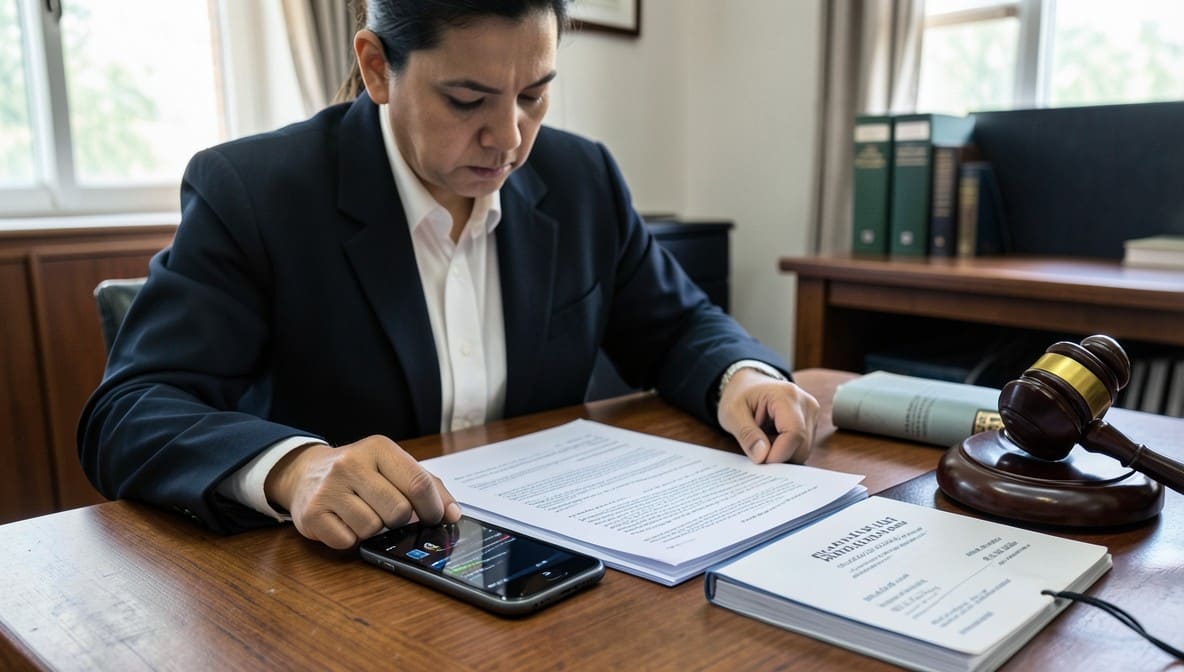
The Punjab & Haryana High Court has clarified that anticipatory bail is not an absolute right but contingent upon active cooperation with the investigation, particularly in drug-related cases under the NDPS Act. The judgment underscores that procedural compliance, including surrender of digital evidence, is a non-negotiable condition for maintaining bail protection.
Background & Facts
The Dispute
The petitioner, Maninderpal Singh alias Maninder Singh, aged 21, is accused in FIR No. 162 dated 13.08.2025 registered at Khem Karan Police Station, Tarn Taran district, under Sections 21(c), 29 of the Narcotic Drugs and Psychotropic Substances Act, 1985, and Sections 10, 11, 12 of the Aircraft Act, 1934. The case stems from the recovery of 1 kg 86 grams of heroin from two main accused, Balwinder Singh and Gurdit Singh, who were arrested at the spot. During interrogation, these accused disclosed that the contraband was procured from an unknown person, later identified as Jaspal Singh. Jaspal Singh, in turn, implicated the petitioner as a co-conspirator in supplying the heroin.
Key Facts
- The petitioner has no prior conviction under the NDPS Act, though two cases under the Indian Penal Code are registered against him.
- The prosecution’s case rests primarily on the disclosure statement of Jaspal Singh, which is inadmissible as evidence under Section 27 of the Evidence Act.
- No independent corroborative evidence links the petitioner to the offence.
- The Investigating Agency has demanded the surrender of a mobile phone bearing SIM No. 9779712254, allegedly used by the petitioner in connection with the offence.
- The petitioner has not surrendered the mobile phone despite repeated demands.
Procedural History
- 13.08.2025: FIR registered at Khem Karan Police Station.
- 13.10.2025: Petitioner filed anticipatory bail petition under Section 482 of the BNSS, 2023 (formerly Section 438 Cr.P.C.).
- 13.10.2025: Court issued interim order directing petitioner to join investigation, furnish bail bonds if arrested, surrender passport or file affidavit of non-possession, and not leave the country without court permission.
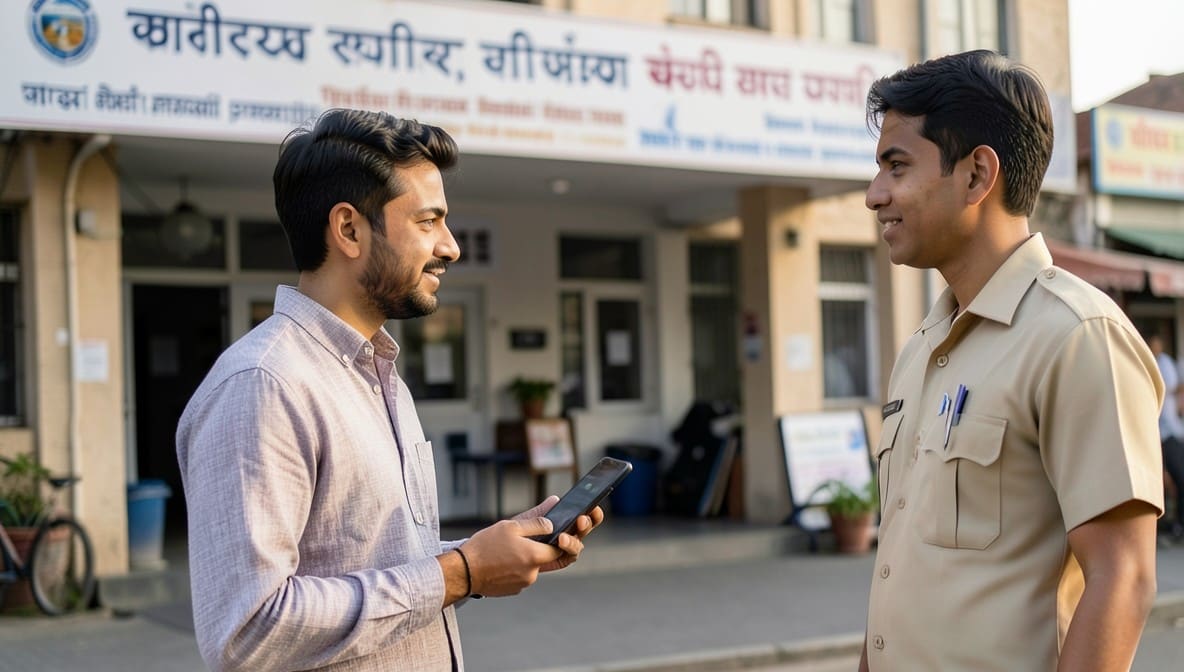
- 31.10.2025: Petitioner appeared before Investigating Officer as directed.
- 20.03.2026: Hearing concluded; court examined compliance with interim directions.
Relief Sought
The petitioner sought grant of anticipatory bail to protect himself from arrest in the NDPS case, with conditions of cooperation and compliance. He also sought confirmation of the interim bail order issued on 13.10.2025.
The Legal Issue
The central question was whether an applicant for anticipatory bail under Section 482 of the BNSS, 2023 can claim protection from arrest while refusing to surrender digital evidence - specifically a mobile phone - directly linked to the alleged offence, despite court directions.
Arguments Presented
For the Petitioner
Learned counsel argued that the petitioner is a first-time offender under the NDPS Act, has no prior criminal record for drug offences, and has fully cooperated by appearing before the Investigating Officer on 31.10.2025. He submitted that the prosecution lacks any independent evidence against the petitioner beyond an inadmissible disclosure statement. Counsel emphasized the petitioner’s willingness to continue cooperating and requested confirmation of the interim bail order.
For the Respondent
The State contended that while the petitioner appeared before the Investigating Officer, he failed to comply with a critical condition: surrender of the mobile phone bearing SIM No. 9779712254. The State argued that this device is vital to the investigation, potentially containing communication records, location data, and financial transactions linking the petitioner to the drug supply chain. Non-compliance, it was submitted, undermines the integrity of the investigation and renders the interim protection conditional.
The Court's Analysis
The Court observed that anticipatory bail is a discretionary remedy, not a right, and must be balanced against the needs of a fair and effective investigation. While acknowledging the petitioner’s age and lack of prior NDPS convictions, the Court emphasized that cooperation is not optional but a foundational condition for such relief.
"It is noticed that although petitioner has joined the investigation, mobile phone, as required by the Investigating Agency, has not been handed over to the Investigating Officer."
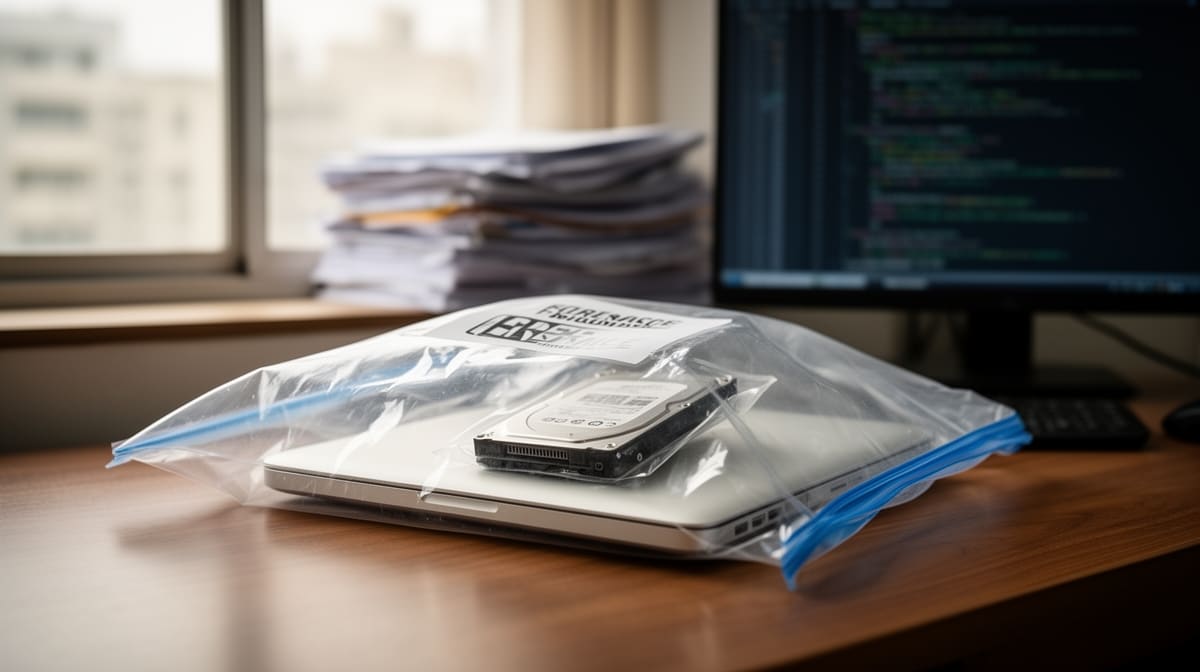
The Court noted that the mobile phone is not merely a piece of property but a potential repository of digital evidence critical to establishing the petitioner’s role in the conspiracy. The failure to surrender it, despite explicit directions issued on 13.10.2025, constituted a material breach of the terms of interim protection.
The Court further held that the petitioner’s compliance with other conditions - such as appearing before the Investigating Officer and agreeing to surrender his passport - does not compensate for the refusal to produce a key evidentiary item. The Court rejected the notion that mere physical appearance equates to full cooperation.
The Court also reaffirmed the binding nature of its interim orders under Section 482(2) of the BNSS, 2023, which incorporates the same conditions as the former Section 438(2) Cr.P.C. Non-compliance, the Court held, renders the bail protection voidable.
The Verdict
The petition was disposed of with the interim order dated 13.10.2025 made absolute, subject to two mandatory conditions: (1) the petitioner shall appear before the Investigating Officer and hand over the mobile phone bearing SIM No. 9779712254 within two weeks from 20.03.2026; and (2) the petitioner shall submit his passport or an affidavit of non-possession to the Investigating Agency or Court within the same period. In case of non-compliance, the order shall stand inoperative, and the Investigating Officer may proceed with arrest. The petitioner shall continue to cooperate fully in the investigation and abide by all conditions under Section 482(2) of the BNSS, 2023.
What This Means For Similar Cases
Cooperation Is Not Optional in Anticipatory Bail
- Practitioners must advise clients that anticipatory bail under Section 482 BNSS requires active, tangible cooperation - not just physical appearance.
- Refusal to surrender digital devices, even without a formal seizure order, may be treated as non-compliance and lead to automatic vacation of bail.
Digital Evidence Is a Critical Compliance Factor
- Mobile phones, laptops, or SIM cards linked to alleged offences are now treated as essential evidence in drug and cyber-related cases.
- Courts will enforce surrender of such devices as a condition precedent to maintaining bail, even if no formal charge sheet has been filed.
Interim Orders Are Binding and Enforceable
- Interim bail conditions issued under Section 482 BNSS are not advisory; they are judicial orders with immediate legal effect.
- Failure to comply with any condition, however minor it may seem, can result in immediate arrest without fresh proceedings.
Non-Compliance Triggers Automatic Vacation
- The Court’s explicit warning that non-compliance renders the order "inoperative" establishes a clear, automatic consequence.
- Practitioners must ensure clients understand that compliance deadlines are absolute and non-extendable unless formally modified by court order.
Burden of Proof Shifts to the Accused on Compliance
- Once directions are issued, the burden lies on the accused to prove compliance - not on the State to prove non-compliance.
- Affidavits, receipts, or signed acknowledgments from Investigating Officers should be obtained and preserved as proof of surrender.