The Punjab and Haryana High Court has decisively rejected the invocation of sovereign immunity to deny compensation in a motor accident involving a military vehicle driven negligently on a public road. This judgment reaffirms that the State cannot evade liability for operational negligence, even when committed by armed forces personnel, under the constitutional framework of a welfare state.
Background & Facts
The Dispute
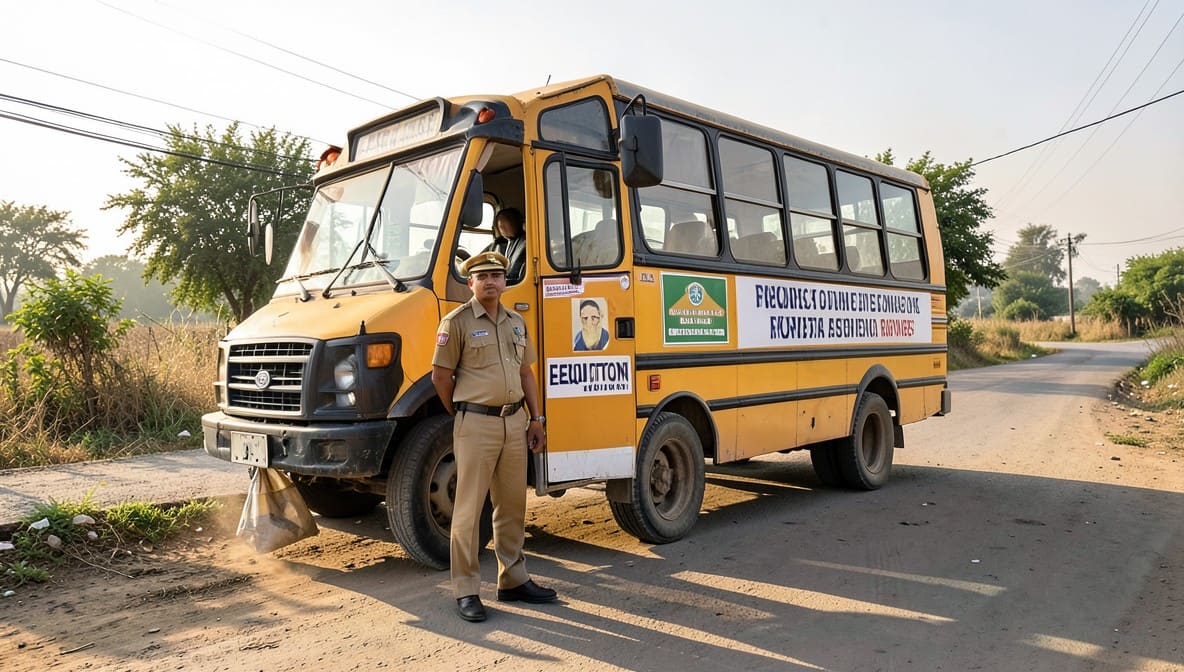
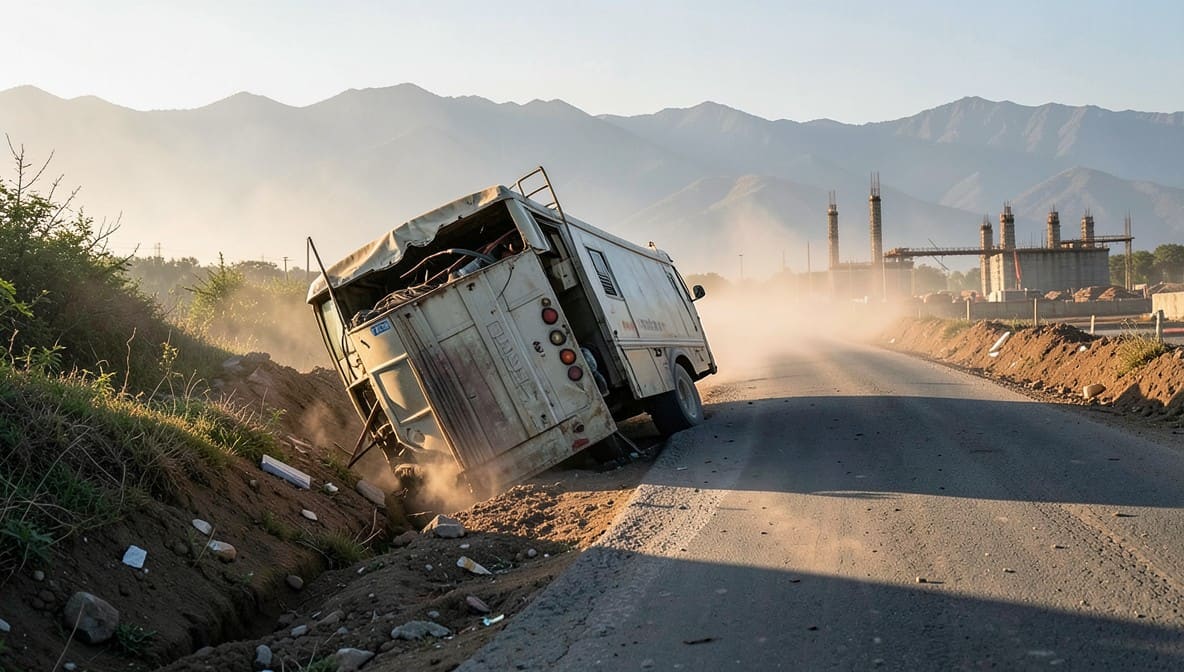
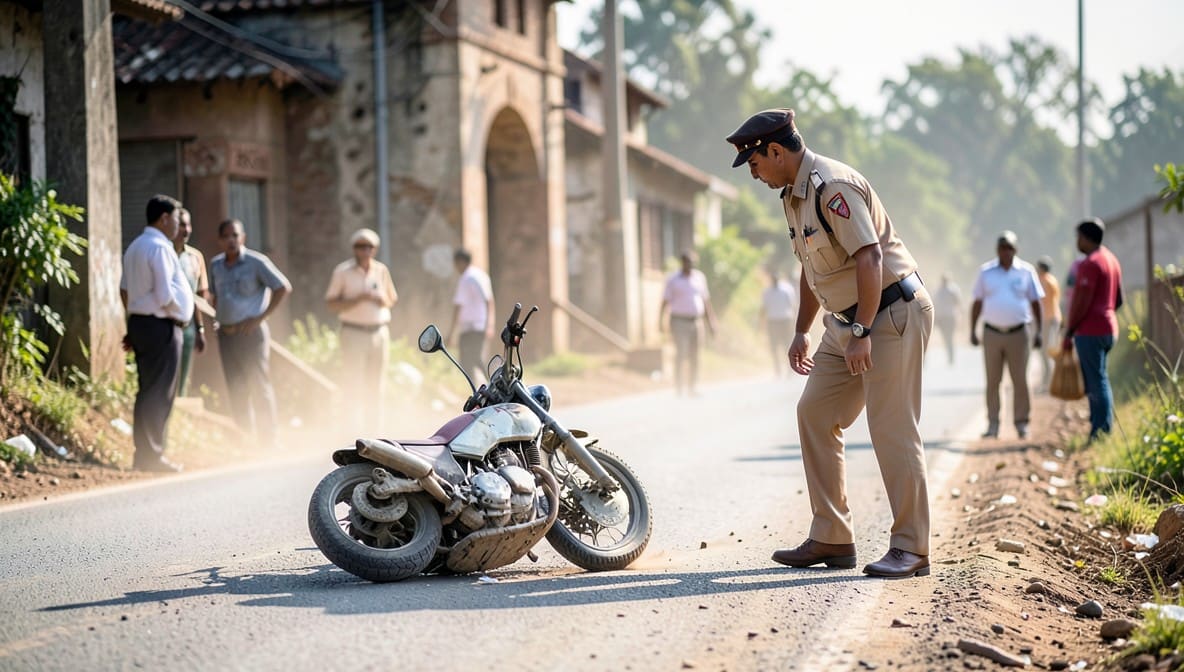
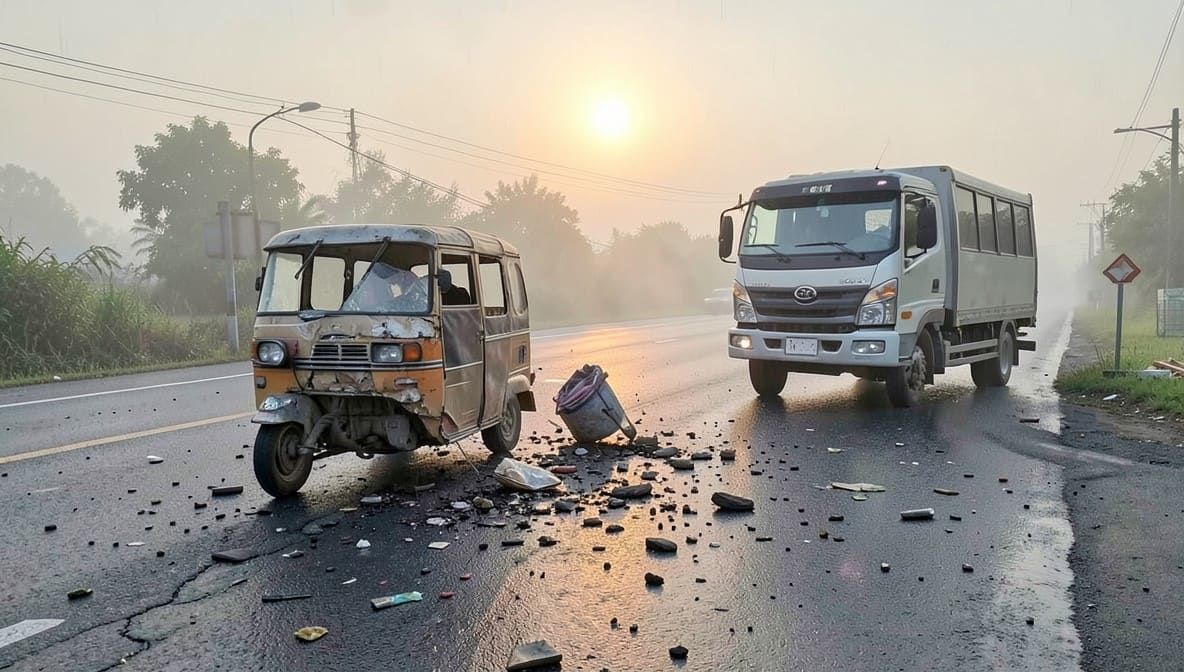
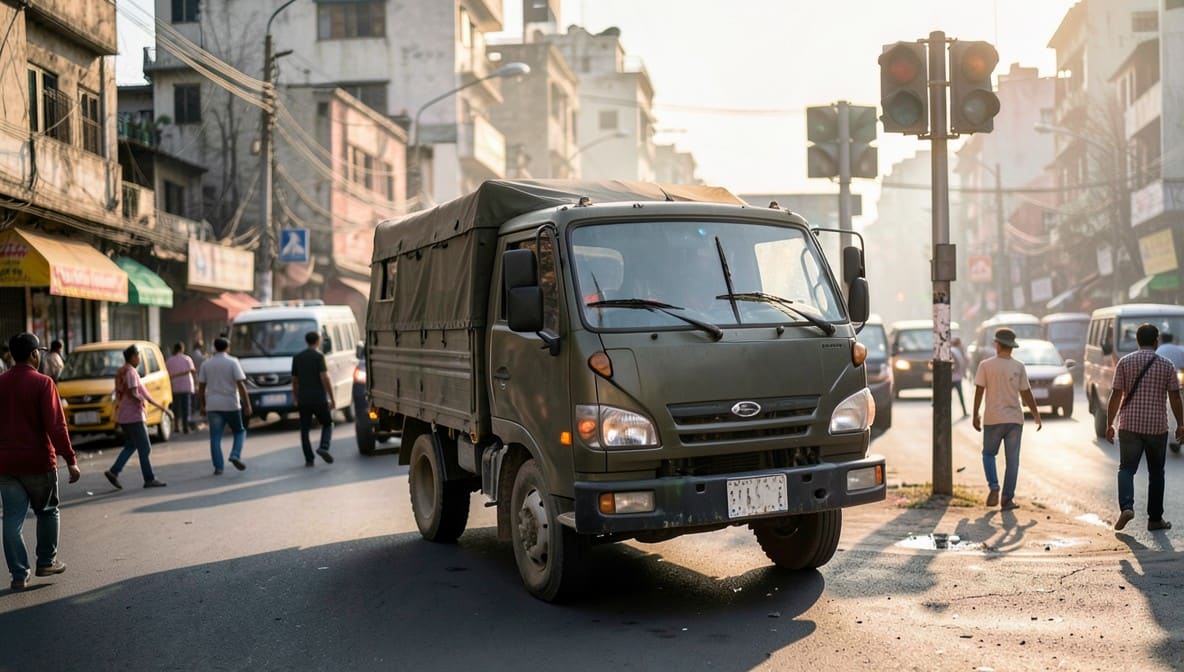
On 15.10.2000, Rakesh Kumar, a three-year-old child, was fatally injured when a military truck, bearing registration No. 59D-105458 X Shaktiman, collided with a bicycle he was riding with his elder brother, Ramesh Kumar. The accident occurred near Lights Crossing/Chowk, Sheranwala Gate, Patiala, as the truck allegedly ran a red traffic signal while being driven by respondent No.1, Parmar Ramesh Chander, a serving Army driver. Rakesh Kumar sustained severe head injuries and died despite medical treatment at Rajindra Hospital, Patiala.
Key Facts
- The deceased child, Rakesh Kumar, was aged approximately 3 years at the time of the accident on 15.10.2000
- The vehicle involved was a military truck owned by the Union of India and operated by a serving Army driver
- The accident occurred on a public road during routine transit between military offices
- The driver allegedly ignored a red traffic signal and approached at high speed
- The claimants produced eyewitness testimony from Ramesh Kumar (AW-2), who stated he was crossing on a green signal
- The FIR (Ex.A1), post-mortem report (Ex.A2), and death certificate (Ex.A3) were submitted as evidence
- No dispute existed regarding the occurrence of the accident or the death of the child
Procedural History
- 15.10.2000: Accident occurred
- 2001: Claim petition filed under Section 166 of the Motor Vehicles Act, 1988 before the Motor Accidents Claims Tribunal, Patiala
- 05.02.2002: Tribunal dismissed the claim petition on grounds of sovereign immunity
- 18.03.2026: Appeal heard by the Punjab and Haryana High Court
- 20.03.2026: Judgment pronounced
Relief Sought
The appellants sought compensation for the wrongful death of Rakesh Kumar, including damages for loss of dependency, medical expenses, funeral costs, and solatium, as per the principles under the Motor Vehicles Act, 1988.
The Legal Issue
The central question was whether the doctrine of sovereign immunity can be invoked to absolve the Union of India from vicarious liability for the negligent driving of a military vehicle on a public road, even when the act results in the death of a civilian.
Arguments Presented
For the Appellant
Learned counsel for the appellants contended that the Tribunal erred in dismissing the claim without adjudicating the issue of negligence. They argued that negligent driving of a vehicle on a public road is an operational, non-sovereign function, and that the Union of India, as employer and owner, is vicariously liable under established principles of tort law. Reliance was placed on State of Rajasthan v. Mst. Vidhyawati and M/s. Kasturi Lal Ralia Ram Jain v. State of U.P. to demonstrate that sovereign immunity does not extend to routine vehicular operations. The counsel emphasized that the evidence - FIR, eyewitness testimony, and medical reports - clearly established the driver’s negligence.
For the Respondent
Learned counsel for respondent No.2, the insurance company, supported the Tribunal’s decision, arguing that the driver was performing official duties in an official convoy, and therefore the act fell within the realm of sovereign functions. They relied on Baxi Amrik Singh v. Union of India to assert that military operations, even those involving transport, are immune from civil liability.
The Court's Analysis
The Court held that the Tribunal’s reliance on sovereign immunity was legally untenable. It observed that the Tribunal failed to examine the core issue of negligence, instead dismissing the claim on a preliminary doctrinal ground. The Court emphasized that sovereign immunity, rooted in the feudal maxim rex non potest peccare, has no place in India’s constitutional democracy.
"The immunity of the Crown in the United Kingdom was based on the old feudalistic notions of Justice... In India... there is no justification, in principle, or in public interest, that the State should not be held liable vicariously for the tortuous act of its servant."
The Court cited State of Rajasthan v. Mst. Vidhyawati to affirm that the State is liable for torts committed by its servants in the course of non-sovereign functions. It further relied on M/s. Kasturi Lal Ralia Ram Jain v. State of U.P. to distinguish between sovereign and non-sovereign functions, holding that the operation of a motor vehicle on a public road is purely administrative and operational, not intrinsic to the State’s sovereign powers.
The Court also referenced Pushpa Thakur v. Union of India, where the Supreme Court explicitly held that negligent driving of a military truck does not attract sovereign immunity. The Court stressed that sovereignty in India vests in the people, as declared in the Preamble, and the State must act within constitutional limits. The act of driving a truck on a public road, regardless of ownership, is indistinguishable from private conduct and cannot be cloaked in sovereign immunity.
The Court concluded that the Tribunal’s refusal to assess negligence was a failure to exercise jurisdiction. The dismissal on sovereign immunity grounds was a misapplication of law and a denial of justice to the victim’s family.
The Verdict
The appeal was allowed. The High Court set aside the Tribunal’s order dated 05.02.2002 and remanded the matter for fresh adjudication. The Motor Accidents Claims Tribunal, Patiala, is directed to determine, within two months, whether the accident resulted from the rash and negligent driving of respondent No.1. If negligence is established, the Tribunal shall assess compensation in accordance with settled principles under the Motor Vehicles Act, 1988, including damages for loss of dependency, medical expenses, and solatium. The Union of India shall be held vicariously liable if negligence is proven.
What This Means For Similar Cases
Sovereign Immunity Does Not Shield Operational Negligence
- Practitioners must now argue that any accident involving government or military vehicles on public roads falls outside sovereign immunity, regardless of the driver’s status
- Claims under the Motor Vehicles Act cannot be dismissed on the ground of sovereign immunity without first examining negligence
- The burden shifts to the State to prove the act was truly sovereign, not merely official
Evidence of Negligence Must Be Adjudicated
- Tribunals and courts must not bypass factual inquiries into rashness or negligence
- FIRs, eyewitness accounts, and medical reports are sufficient to trigger liability; sovereign immunity cannot be a procedural shortcut
- Failure to assess negligence constitutes a jurisdictional error warranting remand
Vicarious Liability of the Union Is Firmly Established
- The Union of India is vicariously liable for negligent acts of its employees, including military personnel, when acting in operational roles
- Insurance companies cannot evade liability by invoking sovereign immunity
- Compensation claims must proceed on merits, not on doctrinal avoidance