Madras High Court judgments

539 Madras High Court judgments explained in plain English: what was decided, the law applied and why it matters. Page 14 of 23.

Prisoners' Rights | Pending Case Cannot Deny Emergency Leave for Life Convicts on Humanitarian Grounds : Madras HC
Case Law Analysis
|Madras High Court

Prisoners' Rights | Pending Case Cannot Deny Emergency Leave for Life Convicts on Humanitarian Grounds : Madras HC

Madras High Court rules that a pending case alone cannot override a life convict's right to emergency leave, especially when prior compliant leaves and humanitarian needs (serious ailment of spouse) are established. The court imposed conditions like daily police reporting and family sureties, reinforcing that administrative discretion must balance legal compliance with prisoners' rights under Article 21.
Section 108 BSA 2023 | Civil Court Declaration Mandatory for Presumption of Death Before Legal Heir Certificate Issuance : Madras HC
Case Law Analysis
|Madras High Court

Section 108 BSA 2023 | Civil Court Declaration Mandatory for Presumption of Death Before Legal Heir Certificate Issuance : Madras HC

Madras High Court reinforces judicial primacy by ruling that revenue authorities cannot issue legal heir certificates based solely on presumption of death under Section 108 of the Bharatiya Sakshya Adhiniyam 2023. A civil court decree declaring death is mandatory, impacting inheritance and property succession procedures for missing persons.

Article 22(5) | Failure to Translate Preventive Detention Grounds into Detenu's Language Violates Natural Justice : Madras HC
Case Law Analysis
|Madras High Court

Article 22(5) | Failure to Translate Preventive Detention Grounds into Detenu's Language Violates Natural Justice : Madras HC

Madras High Court quashed a preventive detention order under the Tamil Nadu Goonda Act, ruling that non-translation of detention grounds into the detenu's language (Tamil) denies the right to effective representation. The court held that Article 22(5) mandates comprehensible communication of all materials to uphold natural justice principles.

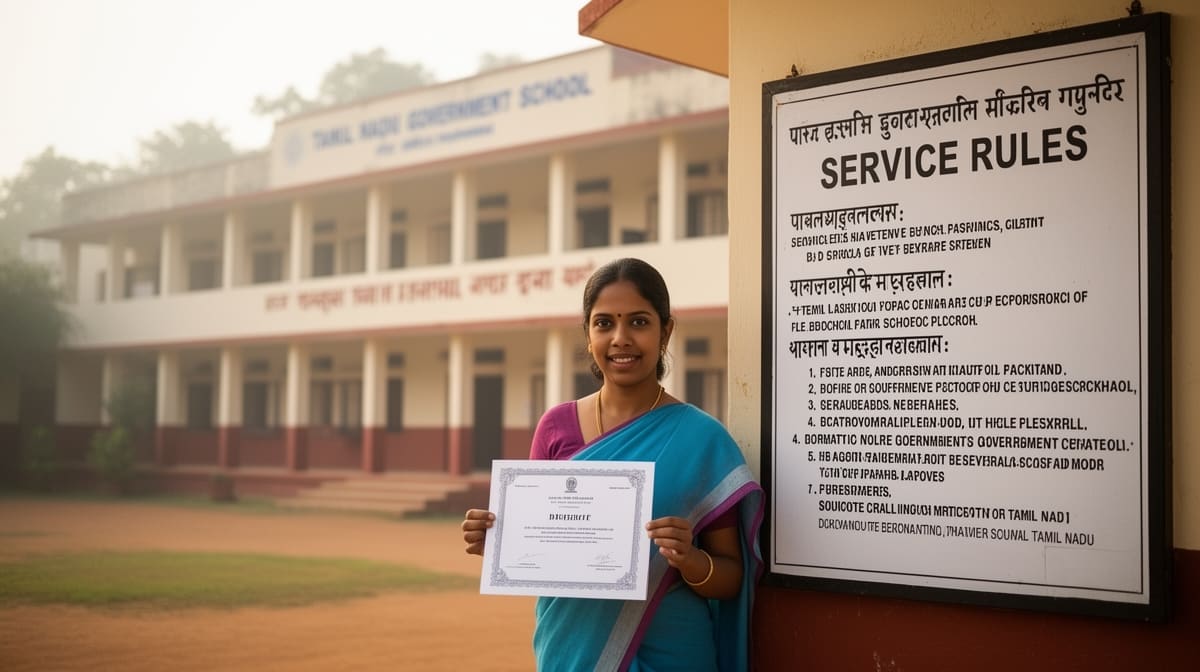
Tamil Nadu Elementary Service Rules | B.Ed. Not Additional Qualification for Incentive Increment When B.Lit. Meets Minimum Requirement : Madras HC
Case Law Analysis
|Madras High Court

Tamil Nadu Elementary Service Rules | B.Ed. Not Additional Qualification for Incentive Increment When B.Lit. Meets Minimum Requirement : Madras HC

Madras High Court ruled that a B.Ed. degree cannot be considered an additional qualification for incentive increments under the Tamil Nadu Elementary Service Rules if a B.Lit. degree already satisfies the minimum promotion requirement. The court upheld the recovery of past payments made on this basis, reinforcing statutory interpretation over administrative discretion in service law matters.

NRI Quota PG Seat Withdrawal Due to Medical Grounds Justified | Natural Justice & Fee Refund Mandated : Madras HC
Case Law Analysis
|Madras High Court

NRI Quota PG Seat Withdrawal Due to Medical Grounds Justified | Natural Justice & Fee Refund Mandated : Madras HC

Madras High Court rules that a candidate's medical withdrawal from an NRI quota PG seat must be honored, directing the college to refund the USD 80,500 fee and return original certificates. The judgment reinforces principles of natural justice in medical seat allotment and reversion processes, impacting NRI quota candidates and institutions.

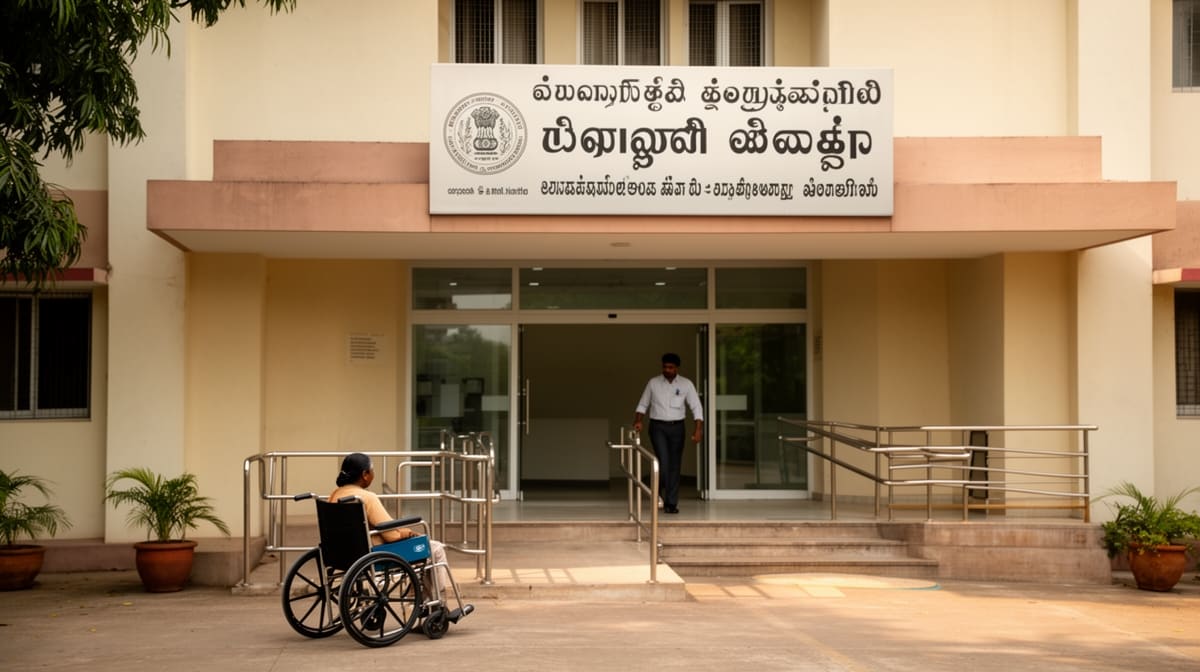
Disability Accommodation Under Service Law | Madras HC Directs Consideration of Transfer Request for 91% Hearing-Impaired Employee
Case Law Analysis
|Madras High Court

Disability Accommodation Under Service Law | Madras HC Directs Consideration of Transfer Request for 91% Hearing-Impaired Employee

Madras High Court rules that administrative inaction on disability-based transfer requests violates constitutional rights under Articles 14 and 21, directing Annamalai University to consider the representation of a hearing-impaired employee within three weeks. The judgment reinforces the duty of public employers to provide reasonable accommodation under disability policies.

Preventive Detention Under TN Goondas Act Vitiated by 30-Day Delay Between Arrest and Detention Order: Madras HC
Case Law Analysis
|Madras High Court

Preventive Detention Under TN Goondas Act Vitiated by 30-Day Delay Between Arrest and Detention Order: Madras HC

Madras High Court quashed a detention order under the Tamil Nadu Goondas Act, 1982, holding that a 30-day unexplained gap between arrest and detention severs the 'live and proximate link' required for lawful preventive detention. The ruling reinforces that delays without justification invalidate detention orders, impacting detenu rights under constitutional safeguards.

Section 4, Maintenance and Welfare of Parents Act | Right to Peaceful Residence in Home Overrides Monthly Maintenance : Madras HC
Case Law Analysis
|Madras High Court

Section 4, Maintenance and Welfare of Parents Act | Right to Peaceful Residence in Home Overrides Monthly Maintenance : Madras HC

Madras High Court clarifies that under the Maintenance and Welfare of Parents and Senior Citizens Act, 2007, ensuring a parent's peaceful residence in their home is a non-negotiable right, not satisfied by mere monetary payments. Police must enforce this right when directed by the court, marking a critical precedent for senior citizens' protection.

Guardian's Alienation of Minor's Property | No Court Permission Required for Validity, Only Right to Repudiate Upon Majority : Madras HC
Case Law Analysis
|Madras High Court

Guardian's Alienation of Minor's Property | No Court Permission Required for Validity, Only Right to Repudiate Upon Majority : Madras HC

Madurai HC rules that a guardian's sale of a minor's property without prior court permission is not invalid, but the minor retains the right to repudiate the transaction upon attaining majority. The judgment clarifies that court permission is not a mandatory validity requirement, impacting guardians, minors, and property registrars across Tamil Nadu.

Contempt of Court | Failure to Produce Acknowledgement Due to COVID-19 Constraints Not Wilful Disobedience : Madras HC
Case Law Analysis
|Madras High Court

Contempt of Court | Failure to Produce Acknowledgement Due to COVID-19 Constraints Not Wilful Disobedience : Madras HC

The Madurai Bench of the Madras High Court ruled that failure to produce an appeal acknowledgement during COVID-19 lockdowns does not constitute wilful disobedience, directing the appeal to be treated as timely filed. The judgment underscores judicial discretion in procedural compliance during extraordinary circumstances, offering relief to litigants facing pandemic-related constraints.

Section 6(a) Hindu Minority and Guardianship Act | Child Welfare Trumps Maternal Presumption for Autistic Child : Madras HC Modifies Visitation Venue
Case Law Analysis
|Madras High Court

Section 6(a) Hindu Minority and Guardianship Act | Child Welfare Trumps Maternal Presumption for Autistic Child : Madras HC Modifies Visitation Venue

Madras High Court ruled that the welfare of an autistic child outweighs the presumptive maternal right under Section 6(a) of the Hindu Minority and Guardianship Act, 1956, restricting visitation to a neutral venue instead of granting extended interim custody. The decision underscores the court's duty to prioritize the child's therapeutic needs and structured care over parental rights in custody disputes involving special needs children.

Preventive Detention | Unexplained Delay Between Arrest and Detention Order Snaps 'Live and Proximate Link' : Madras HC
Case Law Analysis
|Madras High Court

Preventive Detention | Unexplained Delay Between Arrest and Detention Order Snaps 'Live and Proximate Link' : Madras HC

Madras High Court quashed a preventive detention order under the Tamil Nadu Act 14 of 1982, ruling that an unexplained delay of over a month between arrest and detention order breaks the 'live and proximate link,' rendering the detention unlawful. The judgment reinforces that preventive detention must be based on immediate and proximate grounds to comply with constitutional safeguards.

Section 18 Limitation Act | Acknowledgment of Liability in Third-Party Minutes Extends Limitation Period : Madras HC Restores Rs. 1.21 Crore Arbitral Award
Case Law Analysis
|Madras High Court

Section 18 Limitation Act | Acknowledgment of Liability in Third-Party Minutes Extends Limitation Period : Madras HC Restores Rs. 1.21 Crore Arbitral Award

Madras HC ruled that an acknowledgment of liability recorded in meeting minutes-even if addressed to a third party-qualifies as a valid acknowledgment under Section 18 of the Limitation Act, extending the limitation period. The Court restored an arbitral award of Rs. 1.21 crore, rejecting claims of patent illegality and emphasizing that written acknowledgment need not be directed to the creditor to be effective.

Section 34 Arbitration Act | Champertous Agreement Renders Arbitral Award Opposed to Public Policy : Madras HC Upholds Dismissal
Case Law Analysis
|Madras High Court

Section 34 Arbitration Act | Champertous Agreement Renders Arbitral Award Opposed to Public Policy : Madras HC Upholds Dismissal

The Madras High Court ruled that an arbitration award based on a champertous agreement-where a third party funds litigation in exchange for a share of proceeds-is unlawful and contrary to public policy under Section 34 of the Arbitration and Conciliation Act, 1996. This decision reinforces that courts will not enforce awards tainted by agreements that violate legal or ethical standards, impacting commercial disputes involving third-party funding arrangements.

Section 37 Arbitration Act | Arbitral Award Vitiated by Patent Illegality and Natural Justice Violations : Madras HC Sets Aside NHAI Land Acquisition Award
Case Law Analysis
|Madras High Court

Section 37 Arbitration Act | Arbitral Award Vitiated by Patent Illegality and Natural Justice Violations : Madras HC Sets Aside NHAI Land Acquisition Award

Madras High Court held that an arbitral award suffers from patent illegality if it disregards principles of natural justice, particularly in land acquisition disputes involving NHAI. The ruling reinforces that arbitrators must adhere to procedural fairness and contractual evidence, failing which the award is liable to be set aside under Section 34 of the Arbitration Act.

Article 19(1)(b) | Police Denial of Assembly Permission Without Hearing or Reasoned Order Violates Constitutional Right : Madras HC
Case Law Analysis
|Madras High Court

Article 19(1)(b) | Police Denial of Assembly Permission Without Hearing or Reasoned Order Violates Constitutional Right : Madras HC

Madras High Court quashes a police order rejecting permission for a political conference, ruling that arbitrary denial without affording a hearing or providing reasoned grounds infringes the fundamental right to peaceful assembly. The court emphasizes that public order concerns must be addressed through mitigation measures, not outright prohibition, setting a precedent for procedural fairness in police discretion.