Madras High Court judgments

539 Madras High Court judgments explained in plain English: what was decided, the law applied and why it matters. Page 13 of 23.

Natural Justice Under Electricity Act | TANGEDCO Cannot Disconnect Agricultural Power Without Notice or Hearing : Madras HC
Case Law Analysis
|Madras High Court

Natural Justice Under Electricity Act | TANGEDCO Cannot Disconnect Agricultural Power Without Notice or Hearing : Madras HC

Madras HC quashes TANGEDCO’s arbitrary disconnection of agricultural electricity, ruling that due process-including notice, hearing, and opportunity to appeal-must precede any levy or disconnection. The court mandates instalment-based restoration of power supply pending adjudication of the disputed Rs. 4.12 lakh demand, reinforcing that public utilities cannot bypass procedural fairness even in cases of alleged unauthorized use.

Swachh Bharat Scheme | Madras HC Halts New Toilet Construction Until Existing Abandoned Facilities Are Maintained : Madurai Bench
Case Law Analysis
|Madras High Court

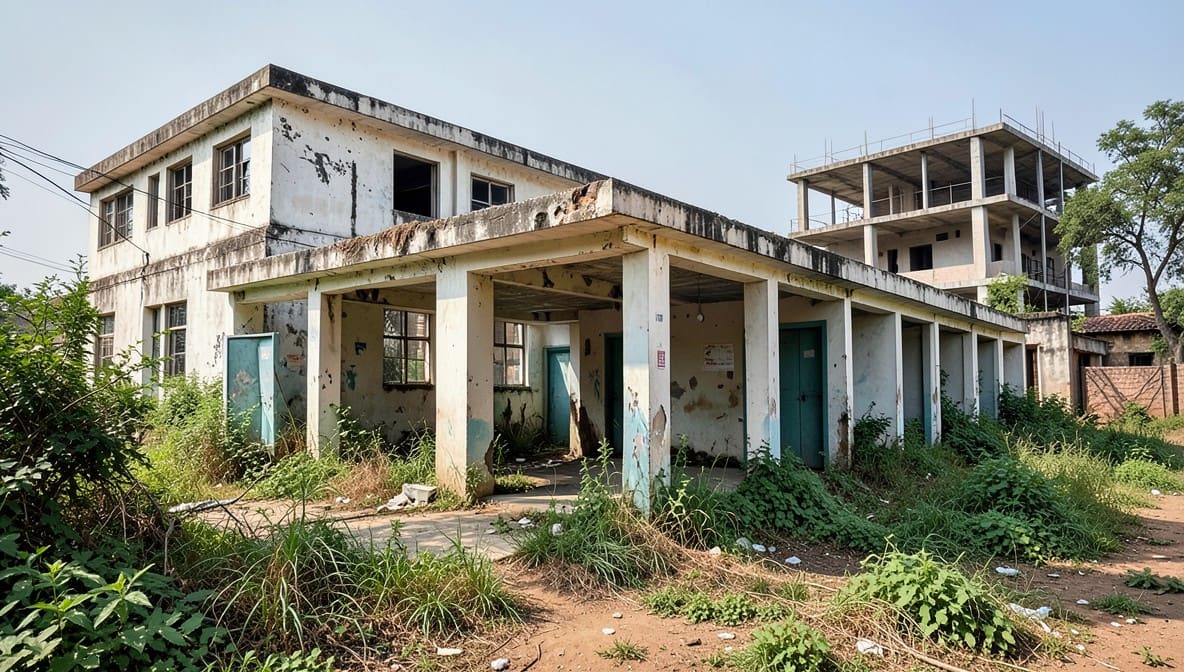
Swachh Bharat Scheme | Madras HC Halts New Toilet Construction Until Existing Abandoned Facilities Are Maintained : Madurai Bench

Madurai Bench of Madras High Court mandates authorities to prioritize maintenance of existing public toilets before allocating funds for new construction, emphasizing sustainable use of public funds under the Swachh Bharat Scheme. The ruling sets a precedent for fiscal accountability in public infrastructure projects, impacting local bodies and urban development policies.

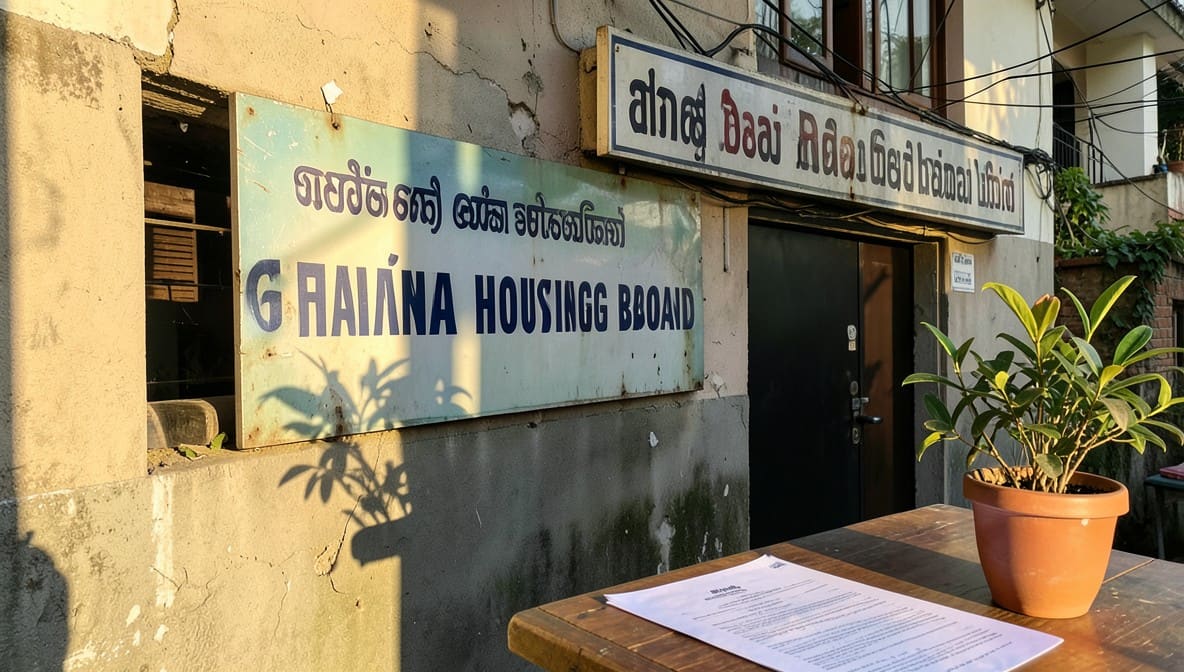
Section 23 Indian Contract Act | Void Agreement for Housing Board Property Sale Violating Statutory Restrictions Bars Specific Performance : Madras HC
Case Law Analysis
|Madras High Court

Section 23 Indian Contract Act | Void Agreement for Housing Board Property Sale Violating Statutory Restrictions Bars Specific Performance : Madras HC

Madras High Court rules that agreements for sale of Housing Board properties violating statutory transfer restrictions are void ab initio under Section 23 of the Indian Contract Act, denying specific performance and requiring strict documentary proof for refund claims. The judgment reinforces that statutory compliance in public housing schemes overrides private contractual rights.

Legal Heirship Rights | Marital Status Survives Separation Unless Dissolved by Court Decree : Madras HC Madurai Bench
Case Law Analysis
|Madras High Court

Legal Heirship Rights | Marital Status Survives Separation Unless Dissolved by Court Decree : Madras HC Madurai Bench

Madras High Court rules that a legally wedded spouse remains a legal heir despite separation or cohabitation allegations, unless the marriage is formally dissolved by a court decree. The judgment underscores that administrative authorities cannot disqualify a spouse from heirship rights based on separation alone, remanding the case for fresh hearing with notice to all parties.

Article 21 & Mandamus | Madras HC Sets 12-Week Deadline for Land Demarcation to Uphold Adi Dravidar Housing Rights : Madras HC
Case Law Analysis
|Madras High Court

Article 21 & Mandamus | Madras HC Sets 12-Week Deadline for Land Demarcation to Uphold Adi Dravidar Housing Rights : Madras HC

Madras HC rules that administrative delays in executing land assignment orders for Adi Dravidar beneficiaries violate constitutional rights under Article 21. The court mandates a 12-week deadline for survey and demarcation, ensuring timely implementation of welfare schemes and protecting marginalized communities' right to shelter.

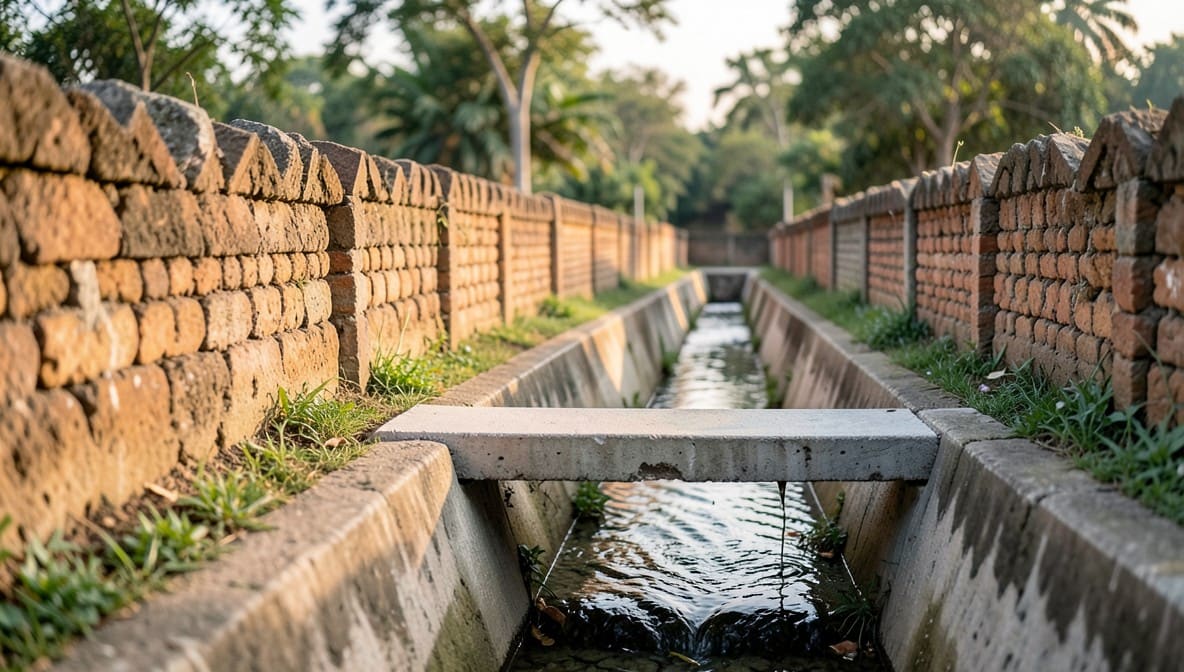
Writ of Mandamus | Municipal Corporation Must Decide Culvert Permission Within 3 Months Post Water Resources Dept Approval : Madurai HC
Case Law Analysis
|Madras High Court

Writ of Mandamus | Municipal Corporation Must Decide Culvert Permission Within 3 Months Post Water Resources Dept Approval : Madurai HC

Madurai HC mandates Kumbakonam Municipal Corporation to decide on a property owner’s request for a culvert over a concreted sewage canal within three months, subject to Water Resources Department approval. The court rejects blanket deferral to pending contempt proceedings, emphasizing timely administrative action to ensure right of access.

Article 22(5) Violation | Preventive Detention Quashed for Relying on Irrelevant Bail Order : Madras HC
Case Law Analysis
|Madras High Court

Article 22(5) Violation | Preventive Detention Quashed for Relying on Irrelevant Bail Order : Madras HC

Madras HC sets aside a preventive detention order under the Tamil Nadu Preventive Detention Act, ruling that basing detention on an unrelated bail order from a dissimilar case amounts to non-application of mind and violates constitutional safeguards under Article 22(5). The judgment reaffirms that subjective satisfaction for detention must be grounded in relevant, case-specific facts.

Section 20(4) RPwD Act | Mandatory Medical Board Referral & Light Duty for Disabled Employees : Madras HC
Case Law Analysis
|Madras High Court

Section 20(4) RPwD Act | Mandatory Medical Board Referral & Light Duty for Disabled Employees : Madras HC

Madras High Court mandates that employers must refer disabled employees to a Medical Board within one week and act on its report under Section 20(4) of the Rights of Persons with Disabilities Act, 2016. The ruling ensures light duty, continuity of service, and back wages, reinforcing employer obligations toward disability accommodation in public employment.

SARFAESI Act Section 14 | Possession Order Without Notice During Pending DRT Proceedings Violates Natural Justice : Madras HC
Case Law Analysis
|Madras High Court

SARFAESI Act Section 14 | Possession Order Without Notice During Pending DRT Proceedings Violates Natural Justice : Madras HC

Madras High Court quashes an ex parte possession order under SARFAESI Act, ruling that secured creditors cannot take physical possession of a borrower's property without notice while DRT proceedings are pending. The court directed the borrower to deposit Rs. 14,94,138 and mandated expeditious disposal of the DRT application, reinforcing the principles of natural justice in secured asset enforcement.

Section 40A(2) IT Act | Misappropriated Funds by Related Party Cannot Be Claimed as Business Expenditure : Madras HC
Case Law Analysis
|Madras High Court

Section 40A(2) IT Act | Misappropriated Funds by Related Party Cannot Be Claimed as Business Expenditure : Madras HC

Madras High Court rules that funds misappropriated by a related party (husband of a partner) cannot be deducted as business expenditure under Section 40A(2) of the Income Tax Act. The judgment underscores that such claims require strict documentary evidence and cannot be justified merely by internal allegations of misappropriation, reinforcing tax compliance rigor for related-party transactions.

CrPC 156(3) | Procedural Irregularities Like Missing Affidavit Do Not Vitiate FIR or Charge Sheet: Madras HC
Case Law Analysis
|Madras High Court

CrPC 156(3) | Procedural Irregularities Like Missing Affidavit Do Not Vitiate FIR or Charge Sheet: Madras HC

Madras High Court rules that failure to file an affidavit under CrPC 156(3) is a mere procedural irregularity, not a jurisdictional defect, and does not invalidate the FIR or charge sheet. The court held that a prima facie case of poisoning and criminal conspiracy suffices to proceed to trial, reinforcing that technical lapses cannot override substantive justice.

Section 14(d) Specific Relief Act | Determinable Contracts Cannot Be Specifically Enforced Even If Termination is Flawed : Madras HC
Case Law Analysis
|Madras High Court

Section 14(d) Specific Relief Act | Determinable Contracts Cannot Be Specifically Enforced Even If Termination is Flawed : Madras HC

Madras High Court rules that contracts terminable at will under Section 14(d) of the Specific Relief Act cannot be specifically enforced, regardless of procedural defects in termination. The decision sets aside an arbitral award ordering licence renewal, reinforcing that courts lack power to revive determinable agreements.

Adverse Possession Under Hindu Law | Void Wills & Settlement Deeds Cannot Override 32-Year Hostile Possession : Madras HC
Case Law Analysis
|Madras High Court

Adverse Possession Under Hindu Law | Void Wills & Settlement Deeds Cannot Override 32-Year Hostile Possession : Madras HC

Madras High Court rules that void settlement deeds over joint family property under Mitakshara law cannot defeat title acquired through adverse possession after 32 years of open, continuous, and hostile possession. The judgment reinforces that adverse possession, once perfected, extinguishes all prior claims, including those based on invalid documents.

Article 102(1)(a) | Government Servant Disqualified from Election Candidature Until Formal Retirement Order : Madras HC
Case Law Analysis
|Madras High Court

Article 102(1)(a) | Government Servant Disqualified from Election Candidature Until Formal Retirement Order : Madras HC

Madras High Court rules that a government servant remains disqualified from contesting elections under Article 102(1)(a) until a formal retirement order is issued, even if a voluntary retirement application is pending. The judgment clarifies that service status continues despite disciplinary actions or unauthorized absence, impacting government employees seeking electoral office.

Non-Speaking Orders Violate Natural Justice | Madras HC Quashes Stamp Duty Demand Without Opportunity of Hearing : Madras HC
Case Law Analysis
|Madras High Court

Non-Speaking Orders Violate Natural Justice | Madras HC Quashes Stamp Duty Demand Without Opportunity of Hearing : Madras HC

Madras High Court sets aside non-speaking stamp duty orders, ruling that failure to provide a hearing opportunity violates principles of natural justice. The Court remands the matter for fresh adjudication with strict timelines: petitioner must respond within two weeks, and authorities must issue a reasoned order within four weeks.