Madhya Pradesh High Court judgments

1273 Madhya Pradesh High Court judgments explained in plain English: what was decided, the law applied and why it matters. Page 12 of 54.

BNSS Section 483 | Mere Mule Account Holding Without Active Role Insufficient for Custody: MP HC Grants Bail in Rs. 67 Lakh Fraud Case
Case Law Analysis
|Madhya Pradesh High Court

BNSS Section 483 | Mere Mule Account Holding Without Active Role Insufficient for Custody: MP HC Grants Bail in Rs. 67 Lakh Fraud Case

Madhya Pradesh High Court ruled that passive mule account holders cannot be denied bail under BNSS Section 483 if no active participation in fraud is proven. The decision underscores that mere account ownership, without evidence of direct involvement, does not justify pre-trial detention in financial fraud cases.

SC & ST Act | Accused's Scheduled Caste Identity Negates Prima Facie Case; Anticipatory Bail Granted Despite Statutory Bar : MP HC
|Madhya Pradesh High Court

SC & ST Act | Accused's Scheduled Caste Identity Negates Prima Facie Case; Anticipatory Bail Granted Despite Statutory Bar : MP HC

Madhya Pradesh High Court rules that an accused belonging to a Scheduled Caste cannot be prima facie charged under the SC & ST (Prevention of Atrocities) Act, granting anticipatory bail despite the statutory bar. The decision hinges on the absence of a caste-based power dynamic, setting a precedent for bail jurisprudence under the Act.

Section 2(1) MP Uchcha Nyayalaya Adhiniyam | Interlocutory Orders Granting Final Relief Are Appealable: MP High Court Clarifies Scope of Writ Appeals
Case Law Analysis
|Madhya Pradesh High Court

Section 2(1) MP Uchcha Nyayalaya Adhiniyam | Interlocutory Orders Granting Final Relief Are Appealable: MP High Court Clarifies Scope of Writ Appeals

MP High Court rules that interlocutory orders with final relief implications-such as directions for enquiry or report submission-are appealable under Section 2(1) of the MP Uchcha Nyayalaya Adhiniyam, 2005. The judgment distinguishes between routine interim orders and those affecting substantive rights, reinforcing the right to appellate review for affected parties.

Section 254 BNSS | Accused’s Right to Immediate Cross-Examination After Chief Testimony Cannot Be Deferred Until All Prosecution Witnesses Are Examined : MP HC Gwalior
Case Law Analysis
|Madhya Pradesh High Court

Section 254 BNSS | Accused’s Right to Immediate Cross-Examination After Chief Testimony Cannot Be Deferred Until All Prosecution Witnesses Are Examined : MP HC Gwalior

The Madhya Pradesh High Court at Gwalior has ruled that delaying cross-examination until the completion of all prosecution witnesses' chief examinations violates the accused’s statutory right to a fair trial under Section 254 of the Bharatiya Nagarik Suraksha Sanhita. This decision reinforces that procedural fairness requires timely opportunity to challenge testimony, preventing prejudice and ensuring meaningful defense participation in real time.

SARFAESI Act Section 13(4) | Temporary DRT Jurisdiction Transfer Preserves Statutory Remedy; Writ Dismissed : MP HC Jabalpur
Case Law Analysis
|Madhya Pradesh High Court

SARFAESI Act Section 13(4) | Temporary DRT Jurisdiction Transfer Preserves Statutory Remedy; Writ Dismissed : MP HC Jabalpur

The Madhya Pradesh High Court holds that assigning DRT Jabalpur matters to Ahmedabad’s Presiding Officer does not deprive borrowers of their statutory right to approach the Debts Recovery Tribunal under the SARFAESI Act. This ensures administrative continuity in financial recovery proceedings even during judicial vacancies, safeguarding procedural fairness for debtors and lenders alike.

Welfare of Child Doctrine | Habeas Corpus Used to Grant Custody to Mother When Toddler Shows Emotional Attachment: MP HC
Case Law Analysis
|Madhya Pradesh High Court

Welfare of Child Doctrine | Habeas Corpus Used to Grant Custody to Mother When Toddler Shows Emotional Attachment: MP HC

The Madhya Pradesh High Court awarded custody of a 3-year-old child to his mother in a habeas corpus petition, holding that the child’s demonstrated emotional attachment and need for maternal care outweigh parental claims. This reinforces that in custody disputes involving very young children, the child’s behavioral response and emotional well-being are decisive factors under the welfare principle, not just parental conduct or status.

Section 430 BNSS | Suspension of Custodial Sentence Pending Appeal Permitted Even for SC/ST Act Convictions: MP HC Gwalior
Case Law Analysis
|Madhya Pradesh High Court

Section 430 BNSS | Suspension of Custodial Sentence Pending Appeal Permitted Even for SC/ST Act Convictions: MP HC Gwalior

The Madhya Pradesh High Court has ruled that the short-term custodial sentence under the SC/ST Act may be suspended during appeal under Section 430 BNSS, even where conviction is for a serious atrocity offense. This clarifies that the gravity of the offense does not automatically bar bail pending appeal when the sentence is brief and final disposal is delayed, benefiting first-time offenders with no criminal record.

Education Policy Compliance | Merger of Schools Beyond 2 km Violates State Directive: Madhya Pradesh HC
Case Law Analysis
|Madhya Pradesh High Court

Education Policy Compliance | Merger of Schools Beyond 2 km Violates State Directive: Madhya Pradesh HC

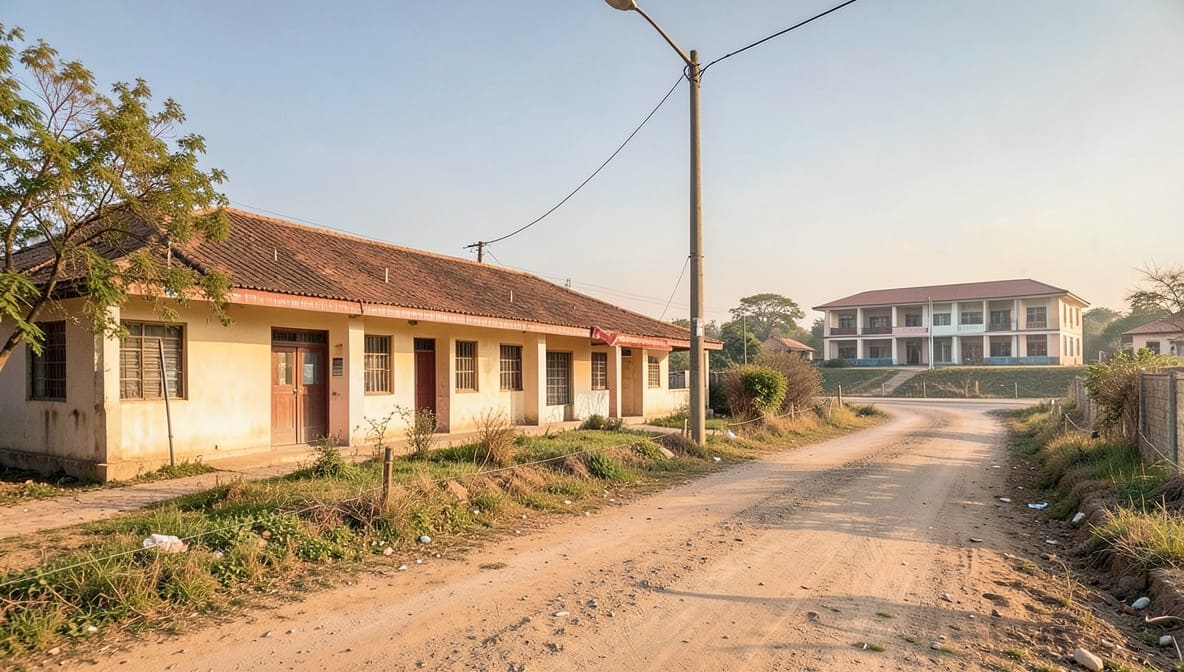
The Madhya Pradesh High Court quashed an order merging a government primary school located 5 km from a Saandipani School, holding that state policy strictly limits mergers to schools within 2 km. This reinforces that administrative actions must strictly adhere to policy thresholds, protecting rural schools from arbitrary consolidation and safeguarding access to education for marginalized communities.

Section 482 BNSS | POCSO Proceedings Quashed After Voluntary Compromise Between Accused and Minor Victim : MP HC Indore
Case Law Analysis
|Madhya Pradesh High Court

Section 482 BNSS | POCSO Proceedings Quashed After Voluntary Compromise Between Accused and Minor Victim : MP HC Indore

MP High Court invokes inherent jurisdiction under Section 482 BNSS to quash POCSO proceedings where the victim (17) and accused (21) entered a voluntary compromise, verified by the Principal Registrar. The ruling reinforces that courts may intervene to prevent judicial futility, even in special statutes, when parties resolve disputes amicably without coercion.

Natural Justice in Demolition Orders | Quasi-Judicial Authorities Must Record Reasons for Ancestral Land Construction: MP HC Jabalpur
Case Law Analysis
|Madhya Pradesh High Court

Natural Justice in Demolition Orders | Quasi-Judicial Authorities Must Record Reasons for Ancestral Land Construction: MP HC Jabalpur

MP High Court sets aside a demolition order for failure to provide reasoned justification, reinforcing that quasi-judicial authorities must adhere to principles of natural justice. The ruling protects landowners from arbitrary actions, mandating prior permission consideration and cogent reasoning in administrative orders.

Section 528 BNSS | Compromise in Non-Compoundable Offences Permits FIR Quashing Despite IPC Gravity : MP HC Indore
Case Law Analysis
|Madhya Pradesh High Court

Section 528 BNSS | Compromise in Non-Compoundable Offences Permits FIR Quashing Despite IPC Gravity : MP HC Indore

MP High Court quashes FIR under Sections 420, 466, 467, and 468 IPC after parties settle amicably, reinforcing that compromise can override non-compoundable offence gravity under Section 528 BNSS. This ruling clarifies that inherent powers to prevent process abuse extend to serious offences where complainant voluntarily withdraws allegations.

Section 125 CrPC | Marriage Not Automatically Void Due to Premature Birth; Maintenance Enforceable Until Judicial Declaration : MP HC
Case Law Analysis
|Madhya Pradesh High Court

Section 125 CrPC | Marriage Not Automatically Void Due to Premature Birth; Maintenance Enforceable Until Judicial Declaration : MP HC

Madhya Pradesh High Court rules that a marriage remains valid for maintenance purposes under Section 125 CrPC unless judicially declared void, even if a child is born within four months of marriage. The court upheld maintenance for the wife, emphasizing that the husband's failure to seek annulment preserves the marriage's legal standing.

Payment of Gratuity Act | Employer Liable for 4% Interest on Delayed Gratuity Despite Qualification Dispute : MP HC Jabalpur
Case Law Analysis
|Madhya Pradesh High Court

Payment of Gratuity Act | Employer Liable for 4% Interest on Delayed Gratuity Despite Qualification Dispute : MP HC Jabalpur

The Madhya Pradesh High Court ruled that employers must pay 4% per annum interest on delayed gratuity payments, even if the employee's qualifications are later challenged. The court held that once an employee is allowed to work until superannuation, disputes over qualifications cannot justify withholding statutory benefits, reinforcing employer liability for delayed payments under the Payment of Gratuity Act.