The Madhya Pradesh High Court has clarified that the temporary vacancy of a Presiding Officer in a Debts Recovery Tribunal does not invalidate statutory remedies under the SARFAESI Act, nor does it justify bypassing the tribunal system through writ jurisdiction. The Court emphasized that administrative arrangements to ensure continuity of judicial functions must be respected, reinforcing the principle that writ petitions under Article 226 cannot be used as substitutes for statutory appellate mechanisms.
Background & Facts
The Dispute
The petitioners, MUKESH KUMAR MISHRA AND OTHERS, are borrowers whose secured assets are subject to enforcement proceedings initiated by UNION BANK OF INDIA under Section 13 of the Securitisation and Reconstruction of Financial Assets and Enforcement of Security Interest Act, 2002 (SARFAESI Act). The bank issued a demand notice and an e-auction notice, prompting the petitioners to challenge the proceedings on grounds of procedural irregularity and lack of adjudicatory forum.
Key Facts
- The petitioners’ secured assets are located within the territorial jurisdiction of DRT Jabalpur
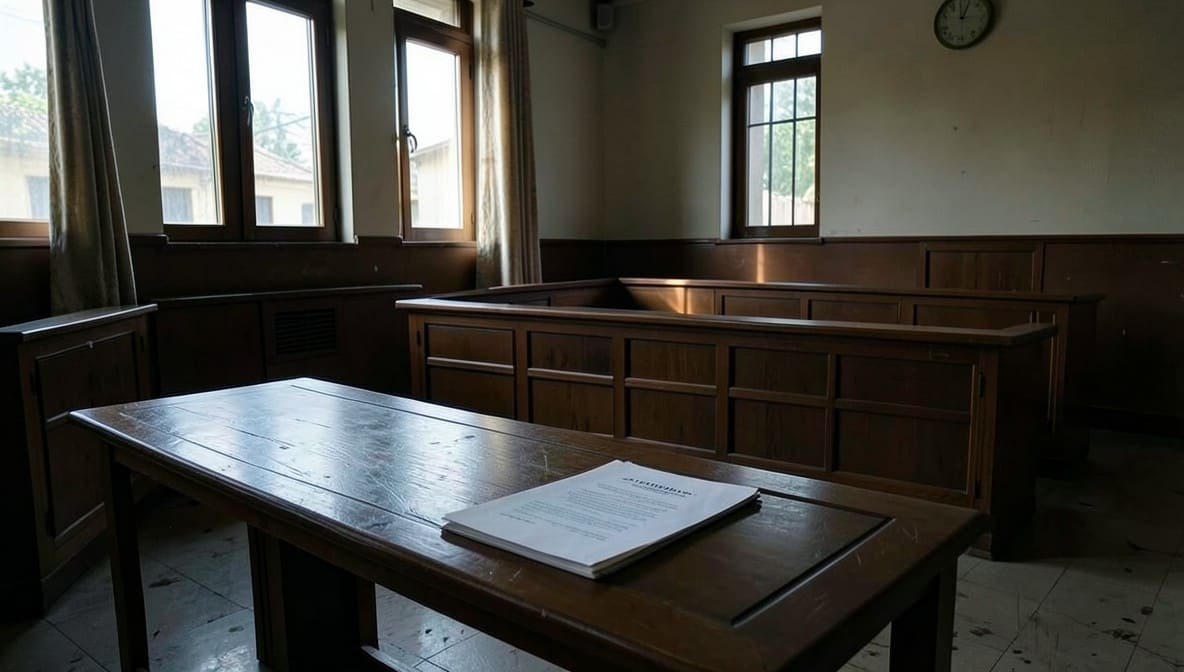
- The post of Presiding Officer, DRT Jabalpur, has been vacant since at least early 2023
- On 13.06.2023, the District Magistrate issued a notice under Section 13(4) of the SARFAESI Act for possession of the secured asset (ANNEXURE-P/1)
- On 03.02.2026 and 10.04.2026, the Tehsildar issued further notices under Section 13(4) (ANNEXURE-P/2 and P/4)
- The petitioners filed this writ petition on 15.06.2026, seeking quashing of these notices and restraint on auction
- The petitioners argued that the absence of a Presiding Officer rendered DRT Jabalpur non-functional, depriving them of any forum to challenge the bank’s actions
Procedural History
- 13.06.2023: District Magistrate issued possession notice under Section 13(4) SARFAESI Act
- 03.02.2026: Tehsildar issued second notice under Section 13(4)
- 10.04.2026: Tehsildar issued third notice under Section 13(4)
- 04.06.2026: Department of Financial Services, Ministry of Finance, issued order assigning additional charge of DRT Jabalpur to Presiding Officer, DRT-1 Ahmedabad
- 15.06.2026: Writ Petition No. 15129 of 2026 filed before High Court of Madhya Pradesh at Jabalpur
- 08.06.2026: Judgment delivered by Division Bench
The Parties' Positions
For the Petitioners
The petitioners contended that:
- The vacancy in the DRT Jabalpur post rendered the tribunal non-functional
- Without a Presiding Officer, they had no avenue to file applications under Section 17 of the SARFAESI Act to challenge the bank’s actions
- The notices issued by the District Magistrate and Tehsildar were therefore illegal and ultra vires
- The absence of a forum amounted to denial of natural justice and violated Article 14 and Article 21 of the Constitution
For the Respondents
The Union Bank of India and the State contended that:
- The Central Government had taken proactive steps to ensure continuity of judicial functions
- The order dated 04.06.2026 clearly assigned the additional charge of DRT Jabalpur to the Presiding Officer of DRT-1 Ahmedabad
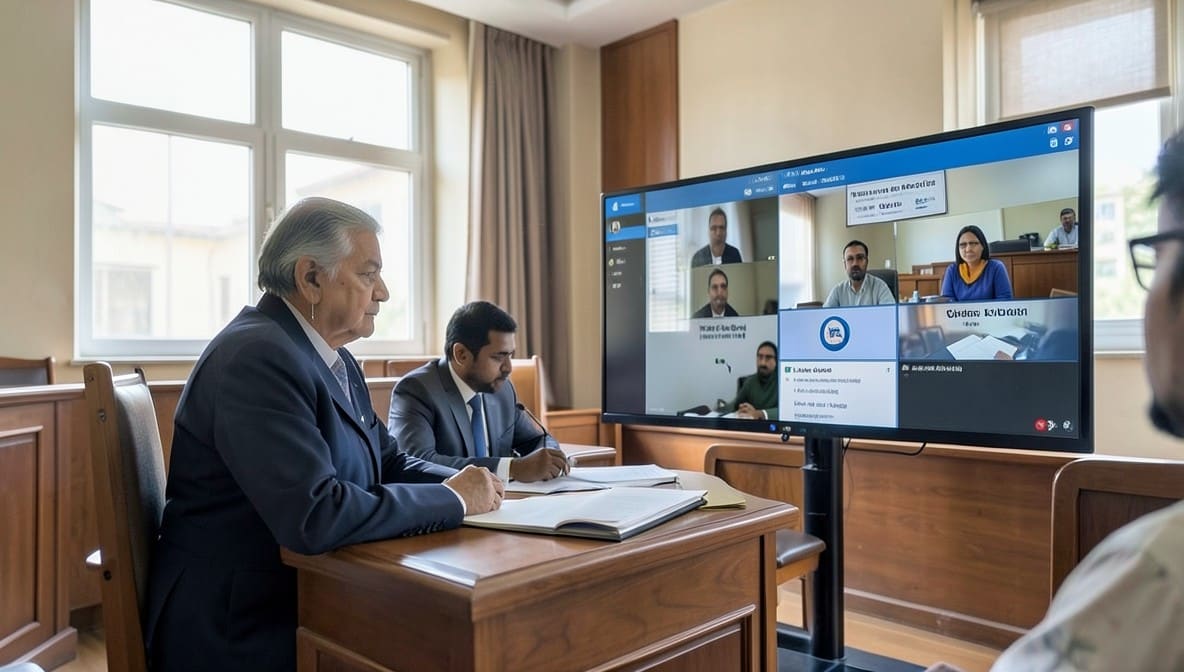
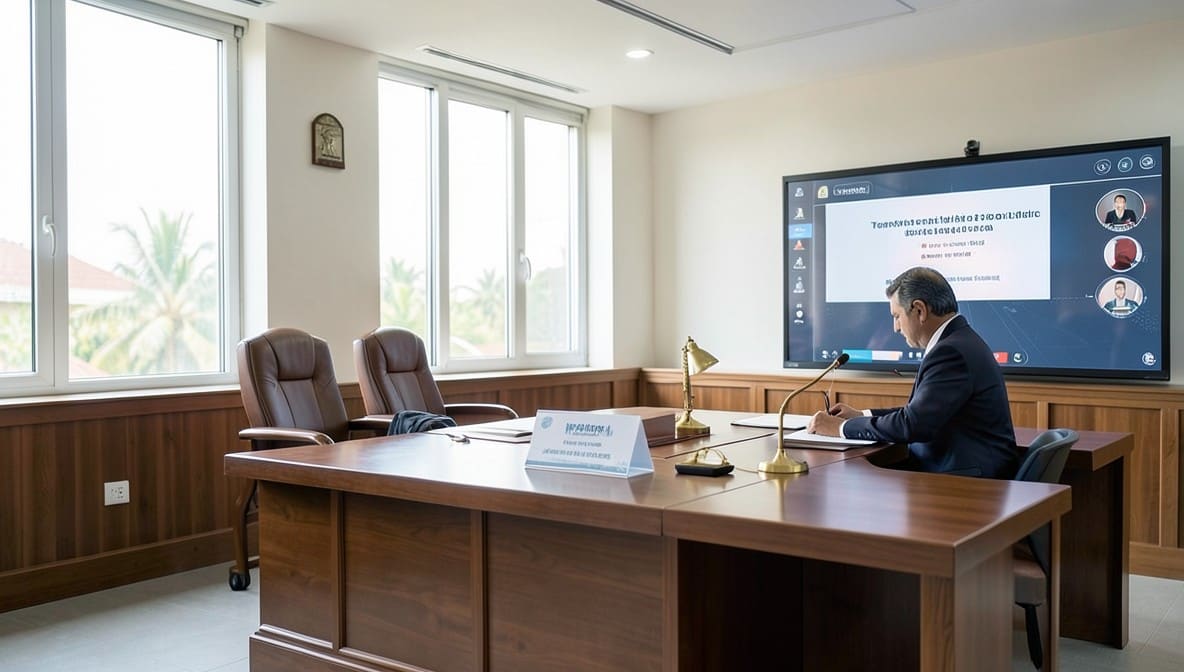
- Hearings are being conducted virtually, filings are being accepted through the e-DRT portal, and urgent matters are being addressed on same-day basis
- The statutory remedy under Section 17 remains fully available
Relief Sought
The petitioners sought:
- Quashing of the District Magistrate’s order dated 13.06.2023
- Quashing of the Tehsildar’s notices dated 03.02.2026 and 10.04.2026
- Declaration that the e-auction and demand notices under Section 13(4) are invalid
- Restraint on further auction or transfer of secured assets
- Direction to issue a fresh 15-day notice after DRT Jabalpur becomes fully functional
- Costs of the petition
The Legal Issue
The central question was whether the temporary administrative vacancy in the post of Presiding Officer, DRT Jabalpur, renders the statutory remedy under Section 17 of the SARFAESI Act ineffective, thereby justifying the invocation of writ jurisdiction under Article 226 of the Constitution.
Arguments Presented
For the Petitioner
The petitioners relied on the principle that access to justice requires a functional adjudicatory forum. They argued that the absence of a Presiding Officer meant no hearing could be held, no applications could be adjudicated, and no orders could be passed under Section 17. They cited Mardia Chemicals Ltd. v. Union of India to assert that procedural fairness under SARFAESI requires a live tribunal. They contended that virtual hearings conducted by an officer based in Ahmedabad were insufficient to meet the requirements of natural justice, particularly for local litigants.
For the Respondent
The respondents countered that the Department of Financial Services had issued a valid order under Section 4(2) of the Recovery of Debts and Bankruptcy Act, 1993, assigning the additional charge to the Presiding Officer of DRT-1 Ahmedabad. They highlighted that the order explicitly mandated:
- Continued filing of applications through the e-DRT portal
- Virtual hearings via video conferencing
- Same-day listing for urgent matters
- Administrative continuity through the Registrar, DRT Jabalpur
They emphasized that the remedy under Section 17 remained fully operational and that the petitioners had not attempted to file any application before the designated officer.
The Court's Analysis
The Court examined the order dated 04.06.2026 issued by the Department of Financial Services and found it to be a lawful exercise of power under Section 4(2) of the Recovery of Debts and Bankruptcy Act, 1993. The Court noted that the Central Government has the authority to assign additional charges to ensure the uninterrupted functioning of tribunals.
"The assignment of additional charge to the Presiding Officer of DRT-1, Ahmedabad, does not extinguish the jurisdiction of DRT Jabalpur; it merely ensures its continuity through a temporary administrative arrangement."
The Court rejected the petitioners’ argument that virtual hearings violated natural justice, observing that video conferencing has been widely accepted in judicial proceedings across India, including in tribunals and high courts. The Court further noted that the e-DRT portal remains fully functional, filings are being accepted, and urgent matters are being listed on the same day.
The Court distinguished this situation from cases where a tribunal is completely defunct or where no mechanism exists for filing or hearing applications. Here, the mechanism was not only intact but actively operational. The Court held that the existence of a statutory remedy under Section 17, even if conducted remotely, precludes the invocation of writ jurisdiction under Article 226.
The Court also emphasized that the petitioners had not approached the designated Presiding Officer with any application under Section 17, thereby failing to exhaust their statutory remedy.
The Verdict
The writ petition was dismissed. The Court held that the petitioners have an efficacious statutory remedy under Section 17 of the SARFAESI Act through the Presiding Officer of DRT-1, Ahmedabad, who is now discharging duties for DRT Jabalpur. The notices issued under Section 13(4) remain valid. The petitioners are at liberty to file applications before the designated officer. No costs were awarded.
What This Means For Similar Cases
Statutory Remedy Prevails Over Writ Jurisdiction
- Practitioners must exhaust remedies under Section 17 of the SARFAESI Act before approaching High Courts under Article 226
- A temporary administrative assignment of a Presiding Officer does not constitute a breakdown of the tribunal system
- Virtual hearings and e-filing are legally sufficient to satisfy procedural fairness
Administrative Continuity Is Legally Valid
- Orders assigning additional charge under Section 4(2) of the RDB Act are binding and enforceable
- The physical location of the Presiding Officer is irrelevant if judicial functions are being discharged through designated channels
- Litigants cannot challenge SARFAESI proceedings merely because the Presiding Officer is based in another city
Urgent Matters Are Protected
- The judgment confirms that urgent SARFAESI matters (e.g., imminent auctions) can be listed on the same day through coordination between DRT Jabalpur’s Registrar and the in-charge officer
- Practitioners must proactively communicate urgency to the Registrar and request same-day listing
- Failure to do so may be viewed as lack of diligence, weakening future claims of prejudice