Karnataka High Court judgments

570 Karnataka High Court judgments explained in plain English: what was decided, the law applied and why it matters. Page 7 of 24.

Land Regularization | State Must Decide Unauthorized Cultivation Applications Within 3 Months Under Writ of Mandamus : Karnataka HC
Case Law Analysis
|Karnataka High Court

Land Regularization | State Must Decide Unauthorized Cultivation Applications Within 3 Months Under Writ of Mandamus : Karnataka HC

The Karnataka High Court has mandated that state authorities dispose of regularization applications for unauthorized cultivation within three months, enforcing this deadline through writ of mandamus to prevent indefinite delays that jeopardize farmers' livelihoods. This ruling binds revenue and forest departments across Karnataka, ensuring timely relief to thousands of small landholders facing eviction threats.
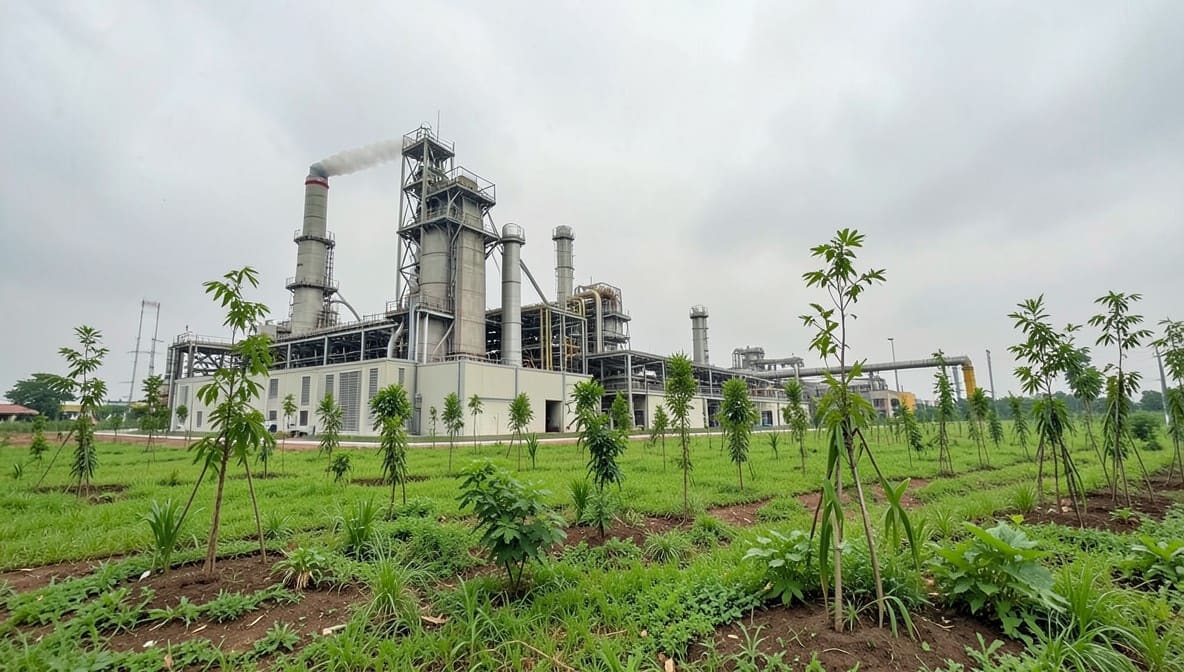
Consent for Operation Renewal Cannot Be Withheld Due to Closure Order | Karnataka HC Directs KSPCB to Decide Within 4 Weeks : Karnataka HC
Case Law Analysis
|Karnataka High Court

Consent for Operation Renewal Cannot Be Withheld Due to Closure Order | Karnataka HC Directs KSPCB to Decide Within 4 Weeks : Karnataka HC

The Karnataka High Court has ruled that a closure order under environmental law does not automatically justify denying renewal of Consent for Operation. The KSPCB must now decide on the renewal application within four weeks, ensuring that regulatory compliance and operational continuity are assessed separately under the Pollution Control Act. This protects industries from de facto shutdowns due to administrative delays, reinforcing procedural fairness in environmental governance.

Section 65B Evidence Act | Defence Evidence Not Inadmissible for Lack of Certificate; Fresh Application Permitted in NI Act Trials : Karnataka HC
Case Law Analysis
|Karnataka High Court

Section 65B Evidence Act | Defence Evidence Not Inadmissible for Lack of Certificate; Fresh Application Permitted in NI Act Trials : Karnataka HC

The Karnataka High Court has ruled that the absence of a Section 65B certificate does not permanently bar defence evidence in cheque bounce cases. The accused may file a fresh application to cure the defect, ensuring fair trial rights are not sacrificed over procedural technicalities. This clarifies that Section 65B’s certificate requirement is curable, not fatal, when applied to defence documents.

Ancient Monuments Act | Joint Survey Mandatory Before Land Conversion Denial; Karnataka HC Quashes Presumptive Rejection : Karnataka HC
Case Law Analysis
|Karnataka High Court

Ancient Monuments Act | Joint Survey Mandatory Before Land Conversion Denial; Karnataka HC Quashes Presumptive Rejection : Karnataka HC

Karnataka High Court ruled that land conversion denials under the Ancient Monuments Act must be based on joint surveys, not administrative presumptions. The Court quashed a denial order and directed fresh consideration after on-ground verification, reinforcing due process in property disputes involving protected monuments.

PITNDPS Act | Non-Supply of Relying Documents Violates Article 22(5) Right to Effective Representation : Karnataka HC
Case Law Analysis
|Karnataka High Court

PITNDPS Act | Non-Supply of Relying Documents Violates Article 22(5) Right to Effective Representation : Karnataka HC

Karnataka High Court sets aside a detention order under the PITNDPS Act, ruling that failure to supply relied-upon documents to the detenu deprives them of the constitutional right to make an effective representation. The judgment reinforces that procedural fairness under Article 22(5) is non-negotiable in preventive detention cases.

Section 8(1)(b) Karnataka Lokayukta Act | Grievances Involving Private Disputes Barred from Re-Investigation: Karnataka HC
Case Law Analysis
|Karnataka High Court

Section 8(1)(b) Karnataka Lokayukta Act | Grievances Involving Private Disputes Barred from Re-Investigation: Karnataka HC

Karnataka High Court clarifies that Section 8(1)(b) of the Karnataka Lokayukta Act, 1984, bars re-investigation of grievances rooted in private disputes, reinforcing that revenue entries are presumptive and not conclusive of title. The ruling underscores the limited jurisdiction of the Lokayukta in adjudicating civil disputes, directing aggrieved parties to civil courts instead.

Section 136 Karnataka Land Revenue Act | Revenue Authorities Barred from Adjudicating Title Disputes; Civil Courts Exclusive Jurisdiction : Karnataka HC
Case Law Analysis
|Karnataka High Court

Section 136 Karnataka Land Revenue Act | Revenue Authorities Barred from Adjudicating Title Disputes; Civil Courts Exclusive Jurisdiction : Karnataka HC

The Karnataka High Court reaffirmed that revenue authorities lack jurisdiction to decide title disputes, reserving such powers exclusively for civil courts under Section 136 of the Karnataka Land Revenue Act. This ruling reinforces the separation of powers, ensuring property disputes are adjudicated by competent civil courts, protecting landowners from administrative overreach.

BNS 2023 | DNA Evidence Excluding Paternity Creates Reasonable Doubt, Justifies Bail in Rape Case : Karnataka HC
Case Law Analysis
|Karnataka High Court

BNS 2023 | DNA Evidence Excluding Paternity Creates Reasonable Doubt, Justifies Bail in Rape Case : Karnataka HC

Karnataka High Court granted bail in a rape case under Bharatiya Nyaya Sanhita 2023, holding that DNA evidence excluding paternity establishes reasonable doubt, overriding serious allegations. The ruling underscores the weight of forensic evidence in bail considerations under Section 483 BNSS, impacting criminal defense strategies in cases with biological evidence.

Order 21 Rule 54 CPC | 18-Year Delay in Seeking Attachment Bars Decree Holder's Relief : Karnataka HC
Case Law Analysis
|Karnataka High Court

Order 21 Rule 54 CPC | 18-Year Delay in Seeking Attachment Bars Decree Holder's Relief : Karnataka HC

The Karnataka High Court ruled that an 18-year delay in seeking attachment of property under Order 21 Rule 54 CPC disentitles the decree holder to relief, particularly when the judgment debtor's properties were transferred out of their name. The ruling underscores the decree holder's duty to act promptly in execution proceedings to avoid forfeiture of claims.

Order XXVI Rule 9 CPC | Mandatory Court Commissioner Appointment in Property Disputes Over Identity, Location, or Measurement : Karnataka HC
|Karnataka High Court

Order XXVI Rule 9 CPC | Mandatory Court Commissioner Appointment in Property Disputes Over Identity, Location, or Measurement : Karnataka HC

The Karnataka High Court ruled that appointment of a Court Commissioner under Order XXVI Rule 9 CPC is compulsory when disputes over property identity, location, or measurement arise. The trial court's refusal to appoint a commissioner was set aside, reinforcing that local inspection is essential for resolving such disputes, not merely a tool for evidence collection.

Bharatiya Nyaya Sanhita Section 316/318 | Police Freeze of Salary Account Without Statutory Authority Illegal : Karnataka HC
Case Law Analysis
|Karnataka High Court

Bharatiya Nyaya Sanhita Section 316/318 | Police Freeze of Salary Account Without Statutory Authority Illegal : Karnataka HC

Karnataka High Court holds that police cannot freeze a salary account under Bharatiya Nyaya Sanhita, 2023, without explicit statutory authority, quashing the debit freeze order. The ruling reinforces financial rights of accused persons during investigations and mandates defreezing within three days, setting a precedent for proportional police action under BNS.

Contempt of Court | Willful Disobedience Requires Actual Knowledge of Interim Order: Karnataka HC
Case Law Analysis
|Karnataka High Court

Contempt of Court | Willful Disobedience Requires Actual Knowledge of Interim Order: Karnataka HC

The Karnataka High Court dismissed a contempt petition, ruling that disobedience of an interim order does not constitute willful contempt unless the accused had actual knowledge of the order. The court emphasized that mere filing of a charge sheet without awareness of the stay order does not attract contempt liability, reinforcing procedural safeguards for public officials.

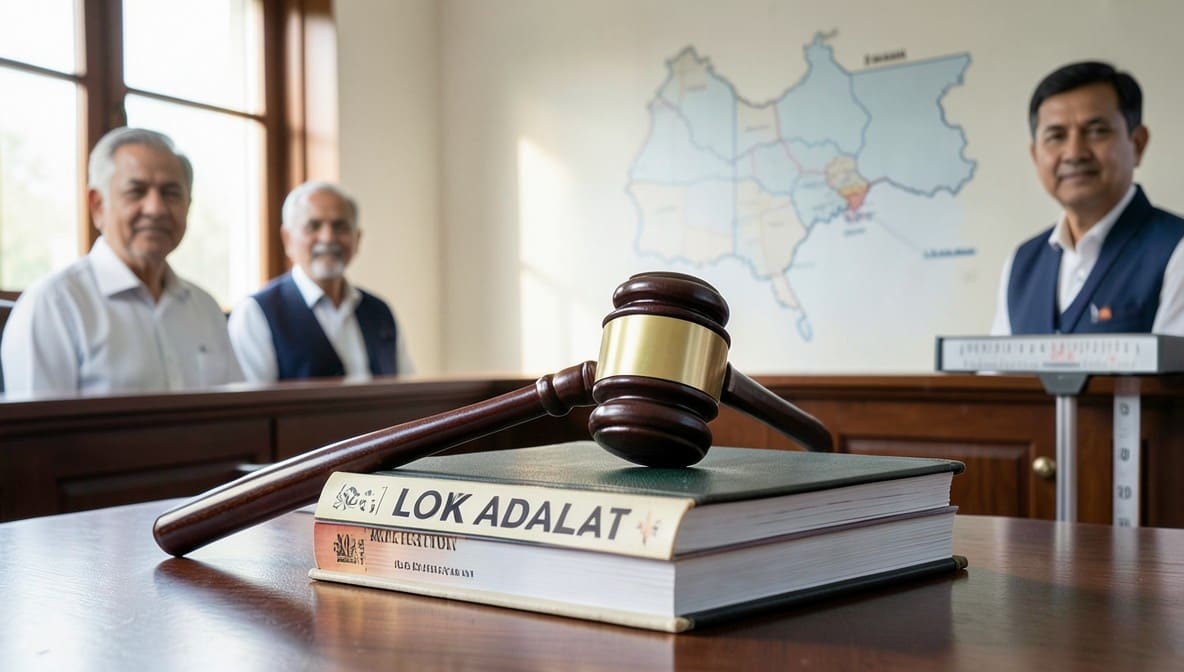
Land Acquisition Act | Abuse of Process Bars Appeal After 9-Year Delay and Undisclosed Lok Adalat Settlement : Karnataka HC
Case Law Analysis
|Karnataka High Court

Land Acquisition Act | Abuse of Process Bars Appeal After 9-Year Delay and Undisclosed Lok Adalat Settlement : Karnataka HC

Karnataka High Court sets a precedent by dismissing a landowner's appeal under Section 54(2) of the Land Acquisition Act after he accepted compensation, delayed filing for nine years, and failed to disclose a prior Lok Adalat settlement. The ruling reinforces that courts will not entertain appeals constituting abuse of process, protecting finality in land acquisition disputes.

POCSO Act Section 6 | Minor’s Consent Irrelevant for Bail; Prolonged Custody & Cooperation Justify Relief Under Section 439 CrPC : Karnataka HC
Case Law Analysis
|Karnataka High Court

POCSO Act Section 6 | Minor’s Consent Irrelevant for Bail; Prolonged Custody & Cooperation Justify Relief Under Section 439 CrPC : Karnataka HC

Karnataka High Court rules that while a minor’s consent is legally invalid under POCSO Act, bail may still be granted if the accused has undergone prolonged custody and cooperated with investigation. The ruling underscores that bail considerations under Section 439 CrPC must balance statutory strictures with individual liberty, even in heinous offences.

Section 14A(2) SC/ST Act + Section 351(2) BNS | Minors Without Direct Allegations or Weapon Use Entitled to Anticipatory Bail : Karnataka HC
Case Law Analysis
|Karnataka High Court

Section 14A(2) SC/ST Act + Section 351(2) BNS | Minors Without Direct Allegations or Weapon Use Entitled to Anticipatory Bail : Karnataka HC

Karnataka High Court rules that minors accused under the SC/ST Act and Bharatiya Nyaya Sanhita are entitled to anticipatory bail if no direct allegations or weapon involvement are proven, especially after charge sheet filing. The ruling reinforces safeguards against custodial interrogation for juvenile appellants in atrocity cases.

Section 438 CrPC + Dowry Prohibition Act | Anticipatory Bail Granted Despite Serious Allegations When Accused’s Role Remains Unproven: Karnataka HC
Case Law Analysis
|Karnataka High Court

Section 438 CrPC + Dowry Prohibition Act | Anticipatory Bail Granted Despite Serious Allegations When Accused’s Role Remains Unproven: Karnataka HC

Karnataka High Court rules that anticipatory bail cannot be denied solely on the gravity of dowry harassment allegations if the accused’s direct involvement is not established. The judgment underscores that cooperation with investigation and lack of direct evidence weigh in favor of bail, even under the Dowry Prohibition Act and Bharatiya Nyaya Sanhita.

Section 304-A IPC | Sentence Reduced to Six Months for Negligent Driving Causing Death; Delayed Identification Validated Through Vehicle Records and Absence of Denial : Karnataka HC
Case Law Analysis
|Karnataka High Court

Section 304-A IPC | Sentence Reduced to Six Months for Negligent Driving Causing Death; Delayed Identification Validated Through Vehicle Records and Absence of Denial : Karnataka HC

The Karnataka High Court upheld conviction under Section 304-A IPC for negligent driving resulting in death, reducing the sentence from one year to six months while setting aside the merged Section 279 IPC charge. It affirmed that delayed victim identification is legally sufficient when corroborated by vehicle registration details and the accused’s failure to deny involvement, reinforcing evidentiary standards in road accident prosecutions.

Agreement to Sell Does Not Confer Standing in Partition Suit | Decree for Specific Performance Required Before Impleadment: Karnataka HC (Dharwad)
Case Law Analysis
|Karnataka High Court

Agreement to Sell Does Not Confer Standing in Partition Suit | Decree for Specific Performance Required Before Impleadment: Karnataka HC (Dharwad)

The Karnataka High Court holds that a buyer under an agreement to sell cannot implead as a party in a partition suit involving the vendor’s property unless they first obtain a decree for specific performance. This clarifies that equitable rights under contract are not sufficient to intervene in ownership disputes - only a judicially enforced title grants standing, protecting co-owners from speculative claims.

Motor Accident Compensation | Fracture Union Does Not Erase Residual Disability or Loss of Amenities: Karnataka HC
Case Law Analysis
|Karnataka High Court

Motor Accident Compensation | Fracture Union Does Not Erase Residual Disability or Loss of Amenities: Karnataka HC

The Karnataka High Court has ruled that even after fracture union, residual disability and diminished quality of life entitle claimants to enhanced compensation for pain, suffering, and conveyance costs. This clarifies that medical recovery alone cannot override the enduring impact of injury on daily living, affecting thousands of MACT claimants seeking fair redress.