The Karnataka High Court has reaffirmed the jurisdictional limits of the Karnataka Lokayukta under Section 8(1)(b) of the Karnataka Lokayukta Act, 1984, dismissing a writ petition that sought to quash orders closing a complaint regarding an alleged fraudulent change of property katha. The judgment underscores that the Lokayukta lacks power to re-investigate grievances barred under the Act, particularly when the dispute involves private rights adjudicable by civil courts. Practitioners must note the distinction between grievances and allegations, and the finality of Lokayukta orders under the Act.
Background & Facts
The Dispute
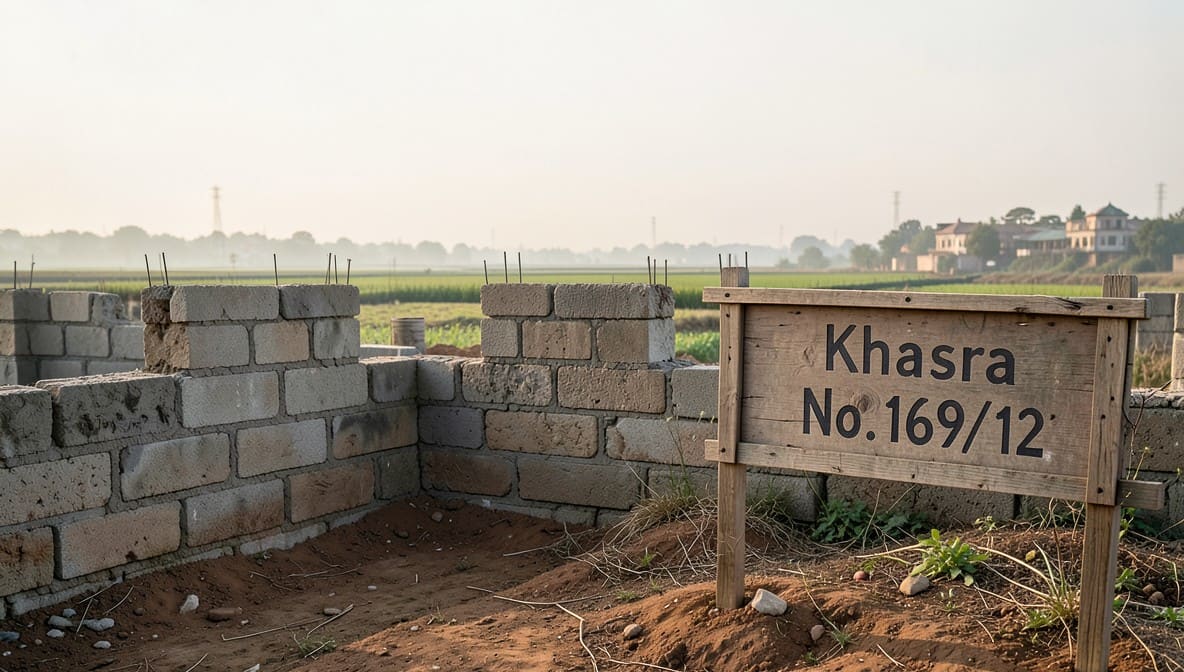
The petitioner, Shreyas P, a resident of Bengaluru, filed an application on 05.12.2018 before the Kannur Gram Panchayat seeking a change of katha (revenue record) for Form House No. 90 on Sy.No. 98 & 99 in Kannur Village. Despite submitting requisite documents and fees, no orders were passed on his application. Subsequently, the katha was changed in favor of one K.N. Jayasankar, who claimed entitlement based on a Will dated 28.01.2014. The petitioner alleged that Jayasankar, a former Panchayat President, and his wife, a former Panchayat Member, exploited their positions to effect this change fraudulently.
Key Facts
- The petitioner’s application for katha change (05.12.2018) was preceded by an application filed by K.N. Jayasankar (16.12.2017), which was processed and granted.
- The petitioner filed an RTI application on 25.08.2023, seeking the status of his katha change request. The response (01.09.2023) revealed that the katha had already been changed in Jayasankar’s name 11 months prior to the petitioner’s application.
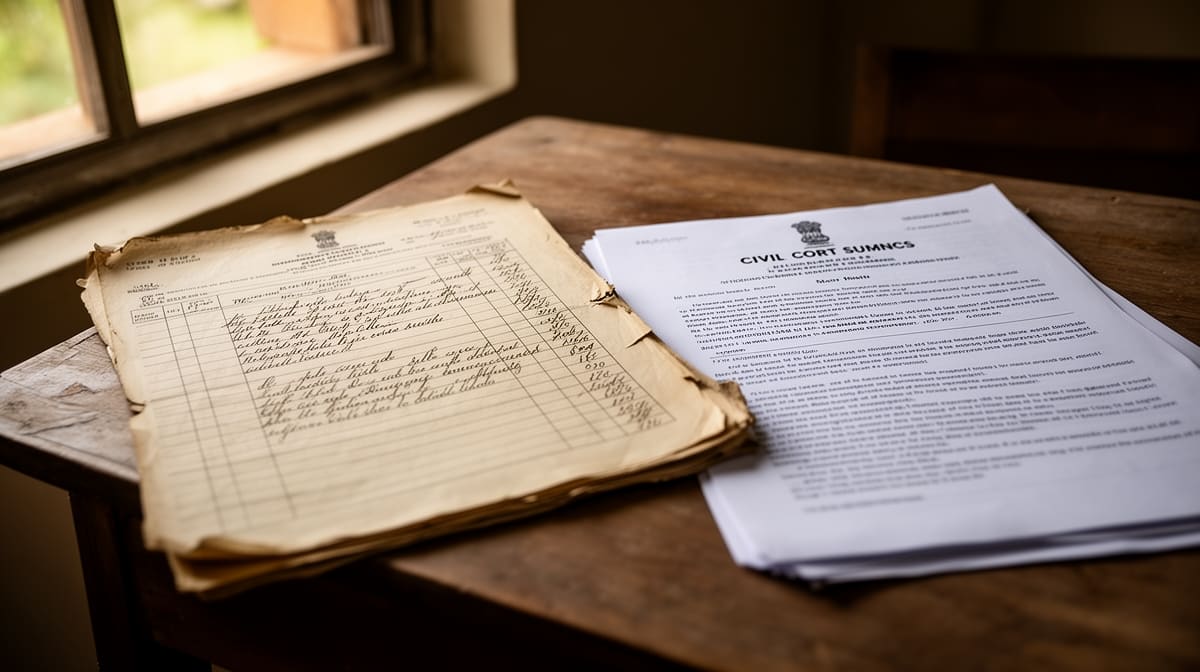
- The petitioner alleged that the Will dated 28.01.2014, relied upon for the katha change, was fabricated. Civil and criminal cases were pending between the parties, including O.S. No. 70/2019 before the Senior Civil Judge, Magadi.
- The petitioner lodged a complaint before the Karnataka Lokayukta on 21.10.2024, alleging dereliction of duty and misconduct by revenue authorities. The Lokayukta closed the complaint under Section 8(1)(b) of the Karnataka Lokayukta Act, 1984, holding that the grievance did not fall within its jurisdiction.
- A second RTI application (29.08.2025) was filed to obtain documents related to Jayasankar’s katha change application. Based on the documents received, the petitioner filed a second complaint before the Lokayukta, which was also closed (19.11.2025) on the ground that the Lokayukta lacked power to review or re-investigate the same grievance.
Procedural History
- 05.12.2018: Petitioner files application for katha change before Kannur Gram Panchayat.
- 16.12.2017: K.N. Jayasankar files application for katha change (processed before petitioner’s application).
- 25.08.2023: Petitioner files RTI application seeking status of his katha change request.
- 01.09.2023: RTI response reveals katha changed in Jayasankar’s name 11 months prior to petitioner’s application.
- 21.10.2024: Lokayukta closes first complaint (COMP/UPLOK/D/5502/2023) under Section 8(1)(b).
- 29.08.2025: Petitioner files second RTI application for documents related to Jayasankar’s katha change.
- 19.11.2025: Lokayukta closes second complaint (COMPT/UPALOK/BD/289/2025) on grounds of res judicata and lack of review power.
- 23.06.2026: Present writ petition (WP No. 38917/2025) filed before Karnataka High Court.
The Parties' Positions
Petitioner’s Contentions
- The Lokayukta erred in closing the complaint under Section 8(1)(b), as the complaint was based on allegations of fraud and misconduct, not a mere grievance.
- The Lokayukta failed to exercise jurisdiction vested under the Karnataka Lokayukta Act, 1984, despite the presence of allegations against public officials.
- Reliance was placed on T.N. Raviprakash v. State of Karnataka (W.P. No. 58401/2017), where a coordinate bench held that Section 8(1)(b) does not bar complaints based on allegations.
Respondents’ Contentions
- The Lokayukta correctly invoked Section 8(1)(b), as the complaint pertained to a private dispute between family members over property rights, not a matter of public duty dereliction.
- Repeated complaints against public officials undermine their confidence and hinder discharge of public duties.
- The dispute was already pending before a Civil Court (O.S. No. 70/2019), and the Lokayukta lacked jurisdiction to adjudicate title disputes.
- The Lokayukta’s orders were within the four corners of the law, and the petitioner was relegated to appropriate forums for redressal.
Relief Sought
The petitioner sought:
- Quashing of the Lokayukta’s orders dated 21.10.2024 and 19.11.2025.
- A writ of mandamus directing the Lokayukta to reconsider the complaint and conduct an inquiry against the erring revenue authorities.
The Legal Issue
The central question was whether the Karnataka Lokayukta could invoke Section 8(1)(b) of the Karnataka Lokayukta Act, 1984 to close a complaint alleging fraud and misconduct by public officials, where the dispute involved private property rights and was already pending before a civil court. Additionally, whether the Lokayukta’s lack of review power under the Act precluded re-investigation of the same grievance.
Arguments Presented
For the Petitioner
- Section 8(1)(b) of the Karnataka Lokayukta Act, 1984 bars investigation of grievances, not allegations of misconduct or fraud.
- The Lokayukta failed to exercise its statutory jurisdiction, leaving the petitioner without an alternative efficacious remedy.
- Cited T.N. Raviprakash v. State of Karnataka to argue that complaints based on allegations are not barred under Section 8(1)(b).
For the Respondents
- The complaint pertained to a private dispute between family members over property rights, not a matter of public duty dereliction.
- The Lokayukta correctly invoked Section 8(1)(b), as the grievance was excluded from its jurisdiction.
- Repeated complaints against public officials amount to abuse of legal process and undermine their ability to discharge public duties.
- The dispute was already pending before a Civil Court, which had jurisdiction to adjudicate title disputes.
The Court's Analysis
The Court examined the scope of Section 8(1)(b) of the Karnataka Lokayukta Act, 1984, which bars the Lokayukta from investigating grievances where alternative remedies exist. The Court observed:
"The order of the Lokayukta clearly shows that the complaint was in the form of a grievance alleging that the persons named acted on a fabricated Will. However, revenue officials and the Panchayat Development Officer have no authority to deliberate on title disputes, as this falls exclusively within the jurisdiction of the Civil Court. A suit is already pending between the parties, and the petitioner may raise all contentions before the Civil Court."
The Court emphasized the presumptive nature of revenue entries, which do not confer title or create rights in property. Such entries are subject to adjudication by civil courts in appropriate proceedings. The Lokayukta’s orders closing the complaint were held to be within the legal framework, as the grievance did not fall within its investigative purview under Section 8(1)(b).
The Court distinguished the present case from T.N. Raviprakash v. State of Karnataka, noting that the earlier judgment involved allegations, whereas the present complaint was framed as a grievance barred under Section 8(1)(b). The Court further held that the Lokayukta’s lack of review power under the Act precluded re-investigation of the same grievance.
The Verdict
The Karnataka High Court dismissed the writ petition, upholding the Lokayukta’s orders dated 21.10.2024 and 19.11.2025. The Court held:
- The Lokayukta correctly invoked Section 8(1)(b) of the Karnataka Lokayukta Act, 1984, as the complaint pertained to a grievance excluded from its jurisdiction.
- The dispute involved private property rights, which fell within the exclusive jurisdiction of the Civil Court, where a suit (O.S. No. 70/2019) was already pending.
- The Lokayukta lacked power to review or re-investigate the same grievance, and its orders were final and conclusive under the Act.
- No costs were awarded.
What This Means For Similar Cases
Lokayukta’s Jurisdiction is Limited to Public Duty Dereliction
Practitioners must note that the Karnataka Lokayukta lacks jurisdiction to investigate grievances involving private disputes, particularly those pending before civil courts. Section 8(1)(b) of the Karnataka Lokayukta Act, 1984 operates as a bar where alternative remedies exist, and complaints must allege dereliction of public duty, not mere grievances over private rights.
- Key Takeaway: Complaints before the Lokayukta must allege misconduct or dereliction of public duty by public officials. Grievances involving private disputes (e.g., property title, family disputes) are excluded from its purview.
- Practical Implication: Parties aggrieved by administrative actions in private disputes must seek redressal before civil courts or revenue authorities, not the Lokayukta.
Revenue Entries Are Presumptive, Not Conclusive
The judgment reaffirms that revenue entries (e.g., katha, mutation records) are presumptive documents and do not confer title or create rights in property. Their validity is subject to adjudication by civil courts.
- Key Takeaway: Revenue authorities cannot adjudicate title disputes. Their orders are subject to challenge before civil courts.
- Practical Implication: Parties must file civil suits to establish title or challenge fraudulent revenue entries. Lokayukta complaints alleging fraud in revenue records will be dismissed if they pertain to private disputes.
Finality of Lokayukta Orders Under Section 8(1)(b)
The Lokayukta’s orders under Section 8(1)(b) are final and conclusive, and the Act does not enjoin power to review or re-investigate the same grievance.
- Key Takeaway: Once the Lokayukta closes a complaint under Section 8(1)(b), parties cannot file subsequent complaints on the same grievance.
- Practical Implication: Parties must ensure that complaints before the Lokayukta are comprehensive and allege public duty dereliction, as there is no scope for review under the Act.