The Karnataka High Court has directed the state government to consider applications for regularization of unauthorized cultivation within three months, while maintaining interim protection against eviction. This judgment underscores the state's obligation to adjudicate land regularization claims in a time-bound manner, balancing the rights of cultivators with legal compliance.
Background & Facts
The Dispute
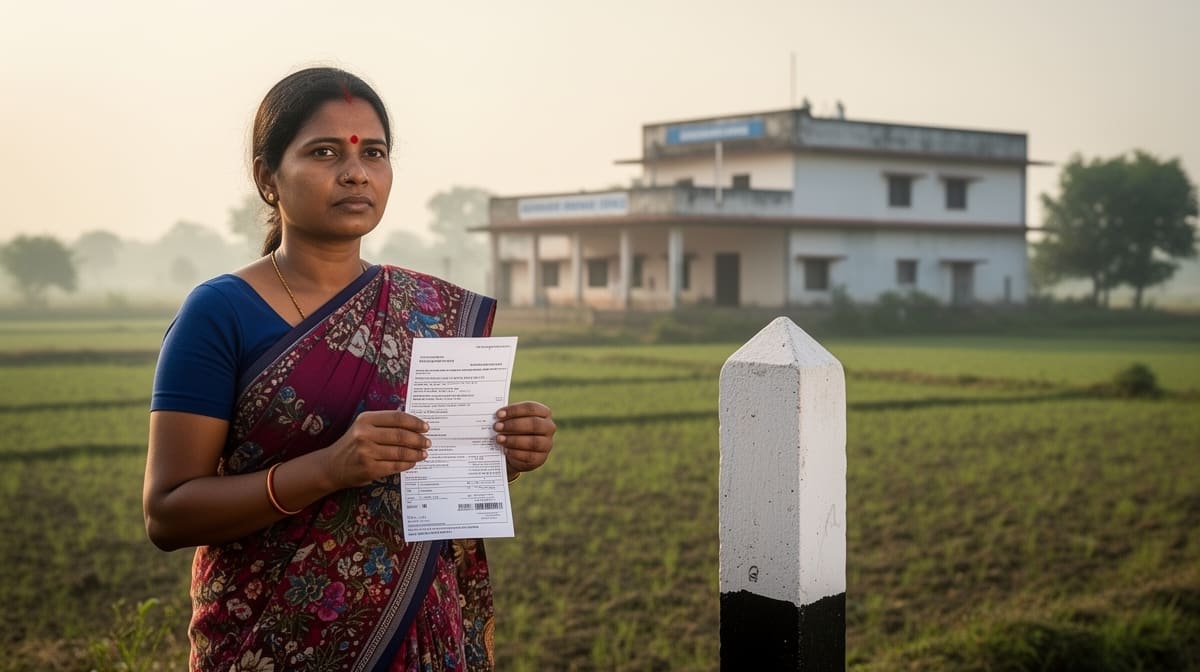
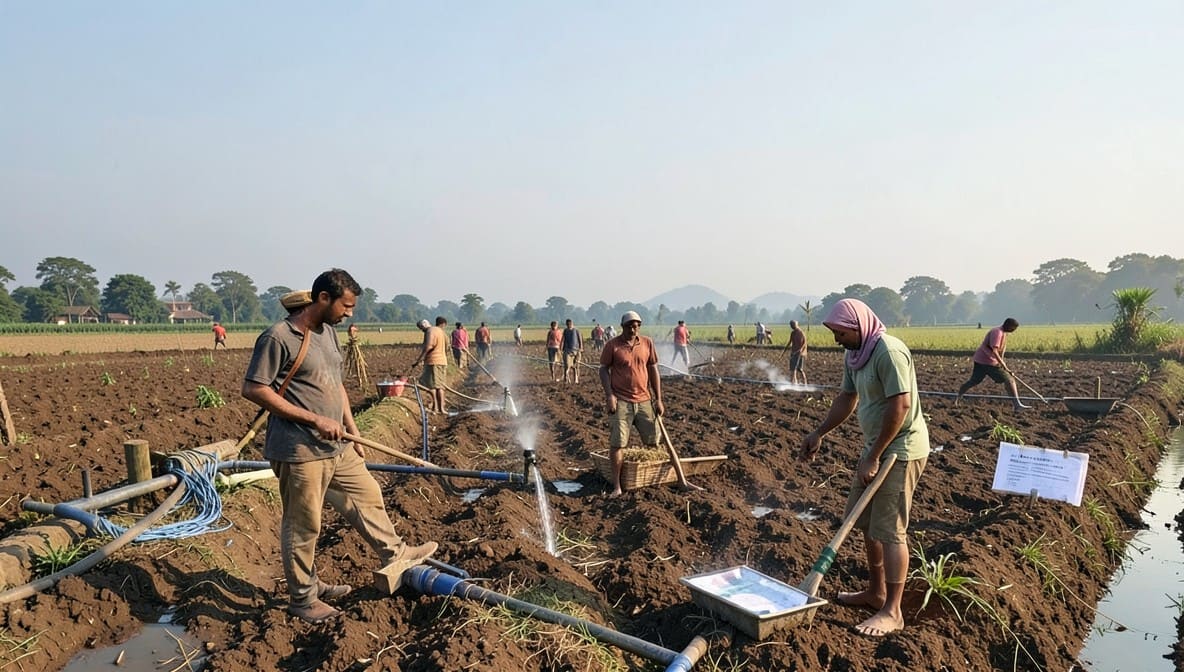
The petitioners, twelve agriculturists from Kusarampalli village, Chincholi taluk, Kalaburagi district, have been cultivating portions of Survey No. 18 without formal authorization. They sought a writ of mandamus to restrain the respondents - state authorities - from evicting them and to direct consideration of their regularization applications under Annexure-B series.
Key Facts
- The petitioners have been in occupation and cultivation of portions of Sy. No. 18, Kusarampalli village for an unspecified period.
- They filed applications for regularization of their unauthorized cultivation, which remained pending before the authorities.
- The respondents threatened eviction, prompting the petitioners to approach the High Court under Article 226 of the Constitution of India.
Procedural History
- 26.06.2024: The High Court passed an interim order directing:
- The respondents to accept notice.
- The petitioners' possession not to be disturbed until further orders.
- The High Court Government Pleader (HCGP) to verify whether the petitioners' land was part of 14,848.83 acres ordered for regularization under a Government Order dated 06.02.2004.
- The matter was listed for 18.07.2024.
- The interim order continued to remain in force, but the respondents failed to consider the petitioners' regularization applications.
Relief Sought
The petitioners sought:
- A writ of mandamus restraining respondents No. 3 and 4 from evicting them from their cultivated portions in Sy. No. 18.
- A writ of mandamus directing respondents No. 1 and 2 to consider their regularization applications (Annexure-B series) within a stipulated timeframe.
The Legal Issue
The central question was whether the state authorities were obligated to consider the petitioners' applications for regularization of unauthorized cultivation within a reasonable timeframe, and whether interim protection against eviction could be maintained pending such consideration.
Arguments Presented
For the Petitioners
- The petitioners contended that their applications for regularization, filed under Annexure-B series, had been pending for an unreasonable period without any action from the respondents.
- They relied on the Government Order dated 06.02.2004, which provided for regularization of unauthorized cultivation over 14,848.83 acres, arguing that their land should be considered under this scheme.
- They sought interim protection to prevent eviction while their applications were pending.
For the Respondents
- The respondents, represented by the High Court Government Pleader (HCGP), did not contest the maintainability of the petition but failed to address the delay in considering the regularization applications.
- The HCGP was directed to verify whether the petitioners' land fell within the scope of the Government Order dated 06.02.2004.
The Court's Analysis
The Court observed that the petitioners' applications for regularization had remained pending for an extended period without any action from the respondents. While the interim order dated 26.06.2024 provided temporary protection against eviction, the Court emphasized the need for a time-bound adjudication of the petitioners' claims.
The Court relied on the principle that administrative delays cannot prejudice the rights of citizens, especially when their livelihoods are at stake. It noted that the respondents had a statutory obligation to consider the regularization applications in accordance with the law and the Government Order dated 06.02.2004.
"Under these circumstances, I deem it just and appropriate to dispose of this petition directing the concerned respondent Nos.1 and 2 to consider the representations of the petitioners at Annexure B series and take appropriate decision/pass appropriate orders in accordance with law within a period of three months from the date of receipt of a copy of this order."
The Court further directed that the interim order dated 26.06.2024 would continue to remain in force until the respondents passed final orders on the petitioners' applications.
The Verdict
The High Court disposed of the writ petition with the following directions:
- Respondents No. 1 and 2 must consider the petitioners' regularization applications (Annexure-B series) and pass appropriate orders within three months from the date of receipt of the judgment.
- The interim order dated 26.06.2024, which restrained the respondents from disturbing the petitioners' possession, shall continue to remain in force until the final decision on the applications is taken.
What This Means For Similar Cases
Time-Bound Adjudication of Regularization Claims
- The judgment reinforces the principle that administrative authorities must adjudicate land regularization claims within a reasonable timeframe.
- Practitioners can cite this judgment to argue for time-bound disposal of pending applications, especially when interim protection is granted.
- Courts may impose strict deadlines for authorities to decide such matters, failing which contempt proceedings could be initiated.
Interim Protection as a Safeguard
- The Court's decision to continue interim protection until final orders are passed highlights the judiciary's role in safeguarding citizens' rights during pendency of administrative proceedings.
- This sets a precedent for maintaining status quo in cases where eviction or dispossession could cause irreparable harm to the petitioners.
- Practitioners should emphasize the urgency and livelihood concerns in similar cases to seek interim relief.
Government Orders and Statutory Compliance
- The judgment underscores the importance of complying with government orders and statutory schemes for land regularization.
- Authorities cannot ignore or indefinitely delay applications filed under such schemes, and courts may intervene to ensure compliance.
- Petitioners can rely on this judgment to challenge administrative inaction and seek judicial directions for implementation of government policies.