Karnataka High Court judgments

570 Karnataka High Court judgments explained in plain English: what was decided, the law applied and why it matters. Page 5 of 24.

By-law No. 40 Karnataka Co-operative Rules | Common Electorate for A & B Class Members Mandatory, Delayed Revision Quashed : Karnataka HC
Case Law Analysis
|Karnataka High Court

By-law No. 40 Karnataka Co-operative Rules | Common Electorate for A & B Class Members Mandatory, Delayed Revision Quashed : Karnataka HC

Karnataka High Court upholds the validity of By-law No. 40 under the Karnataka Co-operative Rules, mandating a common electorate for A and B class members in secondary co-operative societies. The court quashed a 27-year delayed revision, directed immediate vote counting under amended by-laws, and held the Administrator's power to withdraw litigation as ultra vires, reinforcing judicial oversight in co-operative governance.
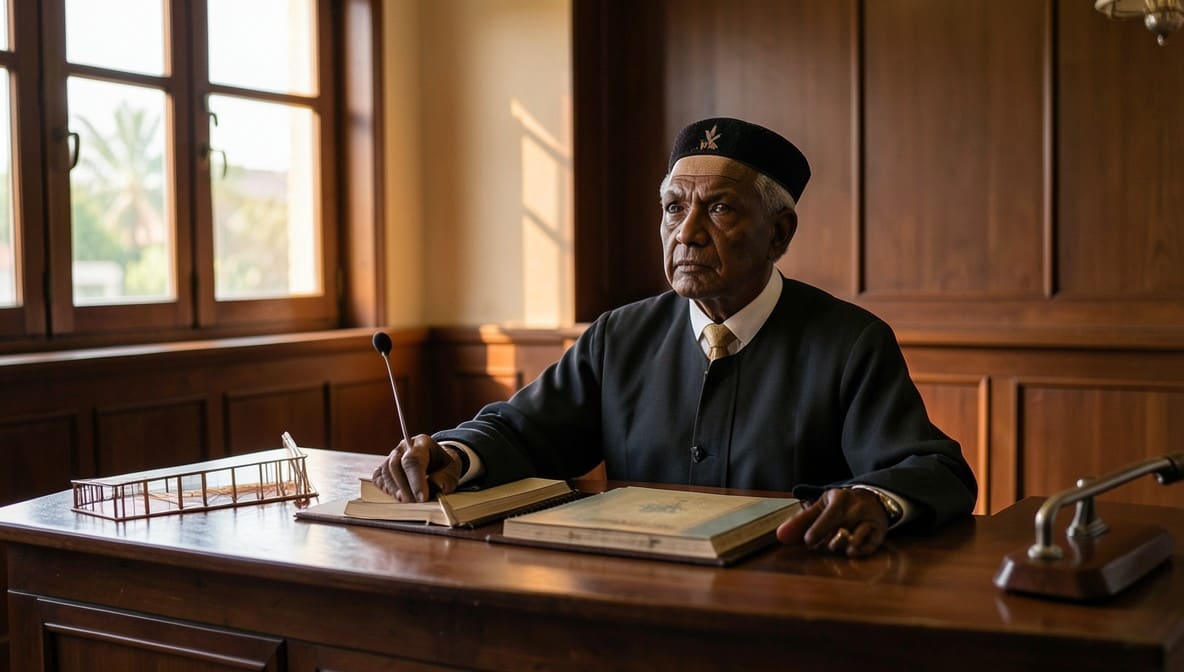
Section 482 BNSS | Transit Anticipatory Bail Granted to 78-Year-Old Ex-Service Man in Inter-State Cheating Case : Karnataka HC
Case Law Analysis
|Karnataka High Court

Section 482 BNSS | Transit Anticipatory Bail Granted to 78-Year-Old Ex-Service Man in Inter-State Cheating Case : Karnataka HC

Karnataka High Court grants limited transit anticipatory bail under Section 482 BNSS to a 78-year-old ex-service man, enabling him to approach the jurisdictional court in Madhya Pradesh. The ruling underscores the court's discretion to balance age, service record, and the need for fair legal recourse in inter-state criminal proceedings.

BNSS Section 482 | Anticipatory Bail Granted Where Accused Not Named in FIR and No Prima Facie Evidence: Karnataka HC
Case Law Analysis
|Karnataka High Court

BNSS Section 482 | Anticipatory Bail Granted Where Accused Not Named in FIR and No Prima Facie Evidence: Karnataka HC

Karnataka High Court sets a precedent under Bharatiya Nagarik Suraksha Sanhita (BNSS) by granting anticipatory bail to an accused not named in the FIR, emphasizing that mere allegations without incriminating evidence cannot justify denial of bail. The ruling underscores the judiciary's role in protecting personal liberty where investigation fails to establish a prima facie case.

Section 7(a) PCA | Completed Investigation + Clean Record Justify Regular Bail Despite Corruption Charges: Karnataka HC
Case Law Analysis
|Karnataka High Court

Section 7(a) PCA | Completed Investigation + Clean Record Justify Regular Bail Despite Corruption Charges: Karnataka HC

Karnataka High Court grants regular bail to police officers accused under Section 7(a) of the Prevention of Corruption Act, holding that completed investigation, absence of criminal antecedents, and cooperation with authorities outweigh speculative risks of evidence tampering. The ruling reinforces that bail conditions, not blanket denial, suffice to secure trial integrity in corruption cases.

PMLA Section 66(2) | ED’s Financial Intelligence Sharing with Police for UAPA Probes Upheld as Prima Facie Unlawful Activity: Karnataka HC
|Karnataka High Court

PMLA Section 66(2) | ED’s Financial Intelligence Sharing with Police for UAPA Probes Upheld as Prima Facie Unlawful Activity: Karnataka HC

The Karnataka High Court ruled that the Enforcement Directorate may share financial intelligence under PMLA Section 66(2) with police for UAPA investigations, holding that systematic foreign fund flows into Naxal-affected regions constitute prima facie unlawful activity. This judgment clarifies inter-agency coordination powers and sets a precedent for national security-linked financial probes.

Section 190 CrPC | Magistrate Must Examine Police 'B' Report Before Cognizance on Protest Petition: Karnataka HC
Case Law Analysis
|Karnataka High Court

Section 190 CrPC | Magistrate Must Examine Police 'B' Report Before Cognizance on Protest Petition: Karnataka HC

The Karnataka High Court ruled that a Magistrate cannot take cognizance of a protest petition without first examining the police 'B' report, reinforcing the principle of natural justice in criminal proceedings. This judgment mandates judicial scrutiny of closure reports before accepting complaints, impacting procedural fairness in criminal trials.

Section 166(3) Motor Vehicles Act | MACT May Proceed with Adjudication Beyond 6-Month Limit, But Must Defer Final Award Pending SC Ruling: Karnataka HC
Case Law Analysis
|Karnataka High Court

Section 166(3) Motor Vehicles Act | MACT May Proceed with Adjudication Beyond 6-Month Limit, But Must Defer Final Award Pending SC Ruling: Karnataka HC

The Karnataka High Court has directed Motor Accident Claims Tribunals to continue hearing claim petitions filed after the six-month limitation period under Section 166(3) of the Motor Vehicles Act, but strictly prohibited them from issuing final awards until the Supreme Court resolves the maintainability question in SLPs 8412-8413/2023. This interim framework protects claimants' access to justice while preserving the Supreme Court's ultimate authority on statutory limitation, affecting insurers, victims, and tribunals nationwide.

Section 25 Guardians and Wards Act | Paramount Welfare of Child Overrides Parental Convenience in Custody Disputes : Karnataka HC
Case Law Analysis
|Karnataka High Court

Section 25 Guardians and Wards Act | Paramount Welfare of Child Overrides Parental Convenience in Custody Disputes : Karnataka HC

Karnataka High Court reaffirms that the welfare of a minor child is the paramount consideration in custody disputes under Section 25 of the Guardians and Wards Act, 1890, dismissing the father’s appeal for custody while upholding visitation rights. The ruling underscores that parental convenience cannot supersede the child’s best interests, setting a precedent for future guardianship cases.

Section 4 Payment of Gratuity Act | 5-Year Continuous Service Mandate Absolute: Karnataka HC Quashes Gratuity Orders for Short-Term Employees
Case Law Analysis
|Karnataka High Court

Section 4 Payment of Gratuity Act | 5-Year Continuous Service Mandate Absolute: Karnataka HC Quashes Gratuity Orders for Short-Term Employees

Karnataka High Court reaffirms that Section 4 of the Payment of Gratuity Act, 1972, strictly requires a minimum of 5 years of continuous service for gratuity eligibility, leaving no room for administrative discretion. The ruling sets aside gratuity orders favoring an employee with only 4 years and 9 months of service, reinforcing statutory compliance over equitable considerations for employers and employees alike.

Article 226 Writ Jurisdiction | Prior Representation to Competent Authority Mandatory Before Invoking High Court: Karnataka HC
Case Law Analysis
|Karnataka High Court

Article 226 Writ Jurisdiction | Prior Representation to Competent Authority Mandatory Before Invoking High Court: Karnataka HC

The Karnataka High Court dismissed a writ petition for regularisation of daily wage employees, ruling that exhaustion of alternative remedies-specifically, prior representation to the competent authority-is a prerequisite for invoking Article 226. The judgment reinforces that extraordinary remedies under writ jurisdiction cannot be sought as a matter of course without first pursuing statutory or administrative redressal.

Section 24(2) Proviso LAA 2013 | Non-Deposit of Award Amount Triggers Compensation Under New Act: Karnataka HC
Case Law Analysis
|Karnataka High Court

Section 24(2) Proviso LAA 2013 | Non-Deposit of Award Amount Triggers Compensation Under New Act: Karnataka HC

Karnataka High Court reinforces that landowners excluded from partial awards under the Land Acquisition Act, 1894, are entitled to compensation under the Right to Fair Compensation Act, 2013 if the award amount was not deposited. The ruling clarifies that the proviso to Section 24(2) of the 2013 Act operates as a safeguard, ensuring fair compensation even in cases of procedural lapses by authorities.

Parole Pending LCRC Decision | Judicial Intervention Ensures Compliance with Premature Release Guidelines : Karnataka HC
Case Law Analysis
|Karnataka High Court

Parole Pending LCRC Decision | Judicial Intervention Ensures Compliance with Premature Release Guidelines : Karnataka HC

Karnataka High Court grants parole to a life convict where the Life Convicts Release Committee's decision is pending, reinforcing judicial oversight over administrative delays in premature release cases. The ruling underscores the court's role in ensuring adherence to state guidelines under Article 226, even when statutory committees fail to act.

Order VII Rule 11 CPC | Plaint Rejection Requires Holistic Reading of Plaint; Partition Suits Have No Limitation Period: Karnataka HC
Case Law Analysis
|Karnataka High Court

Order VII Rule 11 CPC | Plaint Rejection Requires Holistic Reading of Plaint; Partition Suits Have No Limitation Period: Karnataka HC

Karnataka High Court rules that a plaint cannot be rejected under Order VII Rule 11 CPC without a meaningful reading of its entirety. The judgment also clarifies that partition suits are not barred by limitation, and fraud discovery triggers a fresh cause of action, reinforcing procedural fairness in property disputes.

Section 17 Arbitration Act | Delayed Challenge to Interim Order Renders Writ Petition Infructuous: Karnataka HC
Case Law Analysis
|Karnataka High Court

Section 17 Arbitration Act | Delayed Challenge to Interim Order Renders Writ Petition Infructuous: Karnataka HC

Karnataka High Court dismisses a writ petition challenging an interim arbitration order under Section 17 of the Arbitration Act after a decade-long delay, ruling that inaction and failure to prosecute the matter render the challenge infructuous. The judgment underscores the necessity of timely legal remedies in arbitration disputes to avoid procedural forfeiture.

Section 38 Karnataka Court Fees Act | Non-Executants Exempt from Ad Valorem Fees in Declaration Suits: Karnataka HC
Case Law Analysis
|Karnataka High Court

Section 38 Karnataka Court Fees Act | Non-Executants Exempt from Ad Valorem Fees in Declaration Suits: Karnataka HC

The Karnataka High Court ruled that plaintiffs who are not executants of a sale deed are not liable to pay ad valorem court fees under Section 38 of the Karnataka Court Fees Act for seeking a declaration of nullity. This decision reinforces the distinction between cancellation and declaration suits, impacting litigants in property disputes.

Service Continuation Beyond Superannuation Age | Karnataka HC Directs Central Silk Board to Treat Relief Period as 'On Duty' Under Judicial Precedent : Karnataka HC
Case Law Analysis
|Karnataka High Court

Service Continuation Beyond Superannuation Age | Karnataka HC Directs Central Silk Board to Treat Relief Period as 'On Duty' Under Judicial Precedent : Karnataka HC

Karnataka High Court sets a precedent by quashing the termination of a skilled worker post-retirement, directing the Central Silk Board to continue his services until age 60. The ruling mandates treating the relief period as 'on duty,' ensuring full benefits and protections under service law for affected employees.

Hindu Succession Act | Class-I Heirs Exclusively Entitled to Service Benefits; Class-II Heirs Cannot Be Impleaded: Karnataka HC
|Karnataka High Court

Hindu Succession Act | Class-I Heirs Exclusively Entitled to Service Benefits; Class-II Heirs Cannot Be Impleaded: Karnataka HC

The Karnataka High Court ruled that Class-I heirs under the Hindu Succession Act hold exclusive rights to service benefits, barring Class-II heirs like sisters from being impleaded in disputes. This reinforces the statutory hierarchy, impacting inheritance claims in service-related benefits and necessitating strict adherence to legal heir classification.

Emergency Parole for Funeral Rites | Prisoner’s Right to Humanitarian Grounds Upheld Under Article 21 : Karnataka HC
Case Law Analysis
|Karnataka High Court

Emergency Parole for Funeral Rites | Prisoner’s Right to Humanitarian Grounds Upheld Under Article 21 : Karnataka HC

Karnataka High Court grants 15-day emergency parole to a convict to perform his mother’s last rites, holding that incarceration does not extinguish fundamental familial obligations. The ruling reinforces that humanitarian grounds, subject to strict police supervision, must be balanced with prisoner rights under Article 21 of the Constitution.