Karnataka High Court judgments

570 Karnataka High Court judgments explained in plain English: what was decided, the law applied and why it matters. Page 18 of 24.

Section 482 BNSS | Cooperation with Investigation Outweighs Gravity of Allegations for Anticipatory Bail: Karnataka HC
Case Law Analysis
|Karnataka High Court

Section 482 BNSS | Cooperation with Investigation Outweighs Gravity of Allegations for Anticipatory Bail: Karnataka HC

Karnataka High Court grants anticipatory bail in a child abuse case under BNS and JJ Act, holding that voluntary cooperation with investigation and absence of arrest recommendation in the charge sheet override the seriousness of allegations. The ruling sets a precedent for bail considerations where accused demonstrate proactive engagement with authorities.

Section 438 CrPC & BNSS | Transit Anticipatory Bail Mandatory for Non-Resident Accused to Approach Jurisdictional Court: Karnataka HC
Case Law Analysis
|Karnataka High Court

Section 438 CrPC & BNSS | Transit Anticipatory Bail Mandatory for Non-Resident Accused to Approach Jurisdictional Court: Karnataka HC

The Karnataka High Court ruled that accused persons outside the jurisdiction of the investigating agency must be granted 30-day transit anticipatory bail to seek relief from the proper court. This holding reinforces procedural fairness under Section 438 CrPC and BNSS, ensuring non-resident accused in cyber crimes are not denied access to justice due to geographical constraints.

POCSO Bail Jurisprudence | Consensual Relationship & Negative FSL Report Override Presumption of Guilt: Karnataka HC Grants Bail
Case Law Analysis
|Karnataka High Court

POCSO Bail Jurisprudence | Consensual Relationship & Negative FSL Report Override Presumption of Guilt: Karnataka HC Grants Bail

Karnataka High Court granted bail in a POCSO case where the victim admitted to an 8-year consensual relationship and the forensic report was negative, emphasizing that familial complaints cannot substitute for substantive proof. The ruling underscores that the presumption of guilt under POCSO must yield to credible evidence of consent and lack of coercion.

Section 13(1)(a) PC Act | Government Servant’s Mere Record Irregularities Without Dishonest Intent Insufficient for Flight Risk: Karnataka HC Grants Anticipatory Bail
Case Law Analysis
|Karnataka High Court

Section 13(1)(a) PC Act | Government Servant’s Mere Record Irregularities Without Dishonest Intent Insufficient for Flight Risk: Karnataka HC Grants Anticipatory Bail

Karnataka High Court rules that failure to maintain documentation alone, without proof of dishonest intent, does not prima facie establish an offence under Section 13(1)(a) of the Prevention of Corruption Act. The court emphasized that government servants cannot be presumed to be flight risks solely based on corruption allegations, reinforcing bail jurisprudence for public officials.

Section 482 CrPC | Split-Up Charge Sheet Quashed When Co-Accused Acquitted on Identical Evidence: Karnataka HC Bars Prosecution Abuse
Case Law Analysis
|Karnataka High Court

Section 482 CrPC | Split-Up Charge Sheet Quashed When Co-Accused Acquitted on Identical Evidence: Karnataka HC Bars Prosecution Abuse

Karnataka High Court ruled that continuing prosecution via a split-up charge sheet after co-accused were acquitted on the same evidence constitutes judicial abuse. The ruling reinforces that Section 482 CrPC empowers courts to prevent harassment of accused when no distinct evidence supports their separate trial, setting a precedent for prosecutorial fairness in criminal proceedings.

Commercial Courts Act | Appellate Courts Barred from Granting Interim Relief on Reserved Interlocutory Applications : Karnataka HC
Case Law Analysis
|Karnataka High Court

Commercial Courts Act | Appellate Courts Barred from Granting Interim Relief on Reserved Interlocutory Applications : Karnataka HC

The Karnataka High Court held that once a commercial court reserves orders on an interlocutory application, appellate courts cannot intervene with interim relief, even if irreparable harm is alleged. This ruling reinforces judicial hierarchy and prevents bypassing of procedural timelines in commercial disputes, impacting litigants seeking urgent relief during reserved judgments.

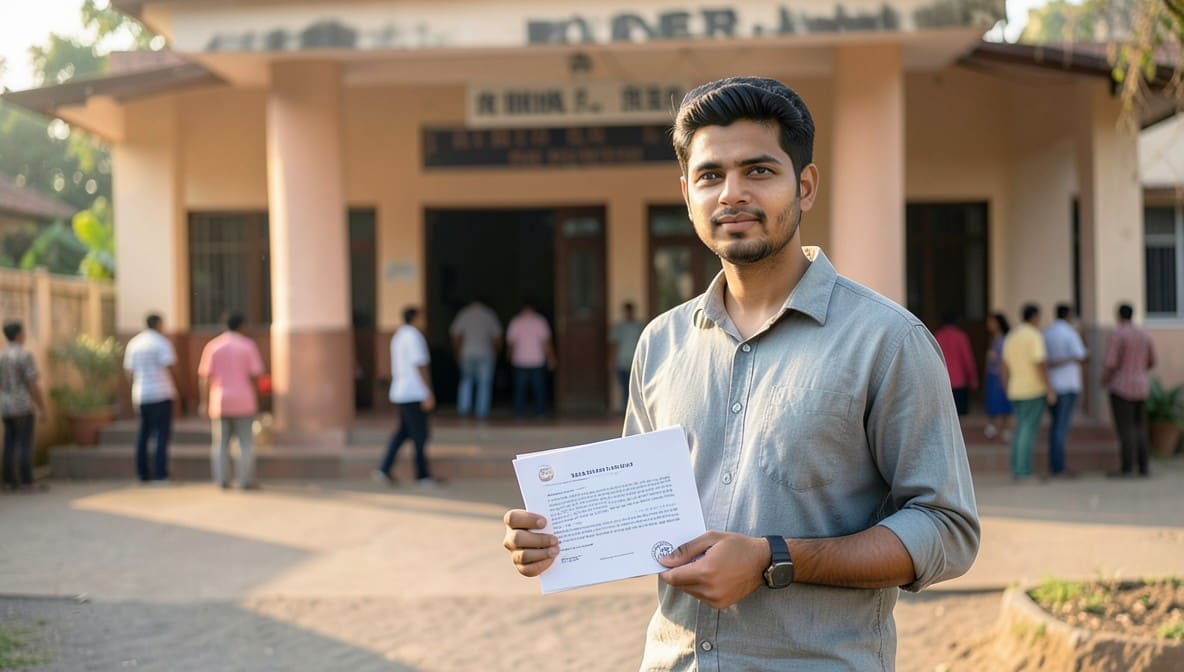
No Objection Certificate & Academic Documents | Educational Institutions Cannot Withhold Originals to Enforce Fee Claims : Karnataka HC
Case Law Analysis
|Karnataka High Court

No Objection Certificate & Academic Documents | Educational Institutions Cannot Withhold Originals to Enforce Fee Claims : Karnataka HC

The Karnataka High Court has ruled that educational institutions cannot withhold original academic documents or deny No Objection Certificates to students seeking transfer, even when fees are unpaid. This upholds the right to education and natural justice, ensuring that financial disputes do not block academic progression or future admissions.

Blanket Bank Account Freezes Without Specified Crime or Amount Violate Proportionality | Karnataka HC Quashes Order Under Khalsa Medical Store Doctrine : Karnataka HC
|Karnataka High Court

Blanket Bank Account Freezes Without Specified Crime or Amount Violate Proportionality | Karnataka HC Quashes Order Under Khalsa Medical Store Doctrine : Karnataka HC

The Karnataka High Court struck down a police-directed bank account freeze that lacked any specification of the alleged crime, amount involved, or factual nexus to the account holder, affirming that such coercive measures must satisfy the triple test of legality, necessity, and proportionality. This ruling reinforces that financial freezing is not a default investigative tool and protects small business owners from arbitrary state action under Article 21 and 300A.

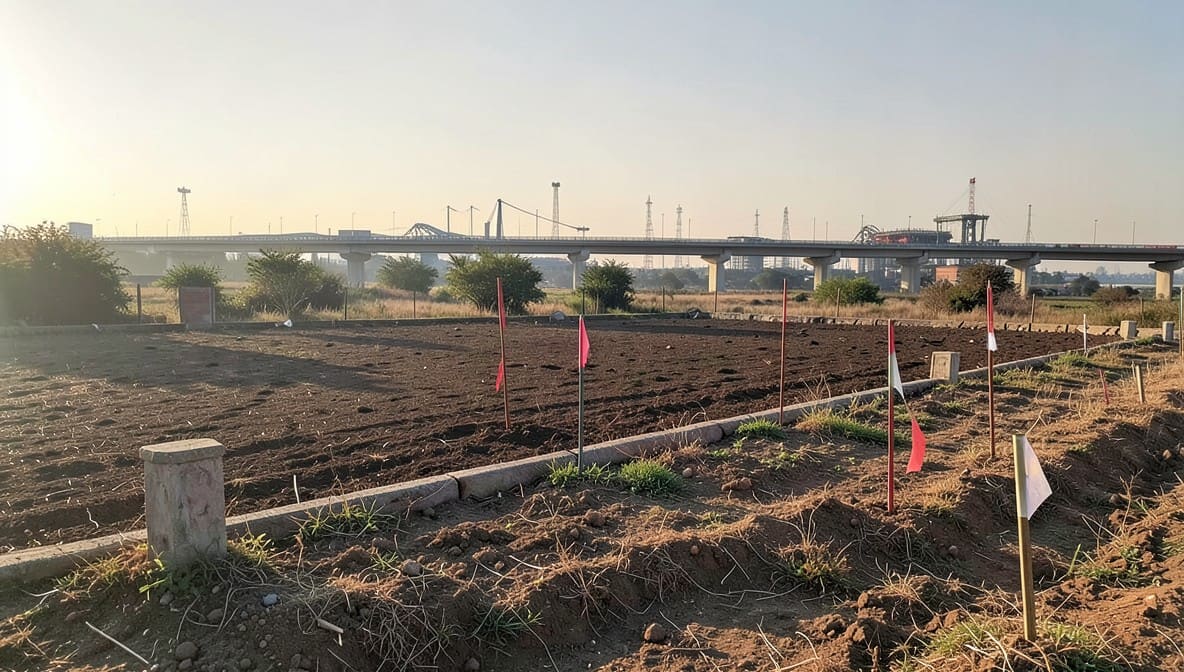
Article 21 & Land Acquisition | No Demolition Without Award or Hearing: Karnataka HC Mandates 4-Month Disposal of Representations
Case Law Analysis
|Karnataka High Court

Article 21 & Land Acquisition | No Demolition Without Award or Hearing: Karnataka HC Mandates 4-Month Disposal of Representations

The Karnataka High Court ruled that properties under land acquisition cannot be demolished until landowners' representations are heard and decided within four months. The judgment reinforces that due process under Article 21 requires prior notice, a fair hearing, and an award before any demolition, directly impacting landowners and government authorities involved in infrastructure projects.

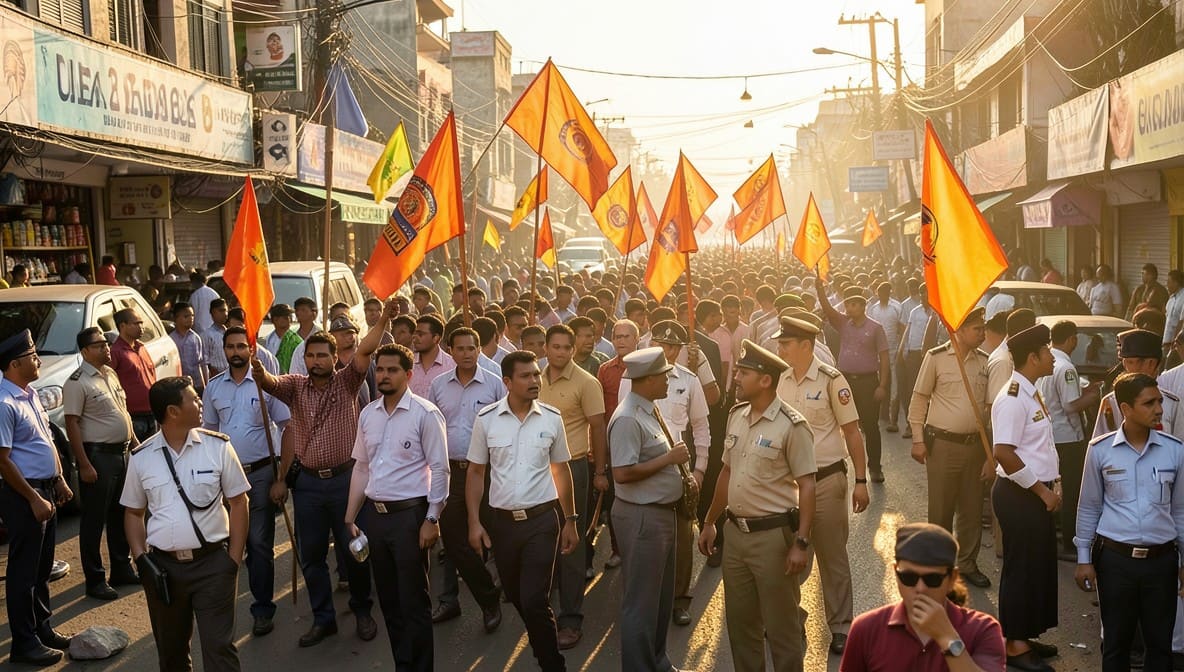
Article 226 | Police Cannot Deny Cultural Event Permission Based on Misinterpreted Interim Order: Karnataka HC Quashes Arbitrary Administrative Action
Case Law Analysis
|Karnataka High Court

Article 226 | Police Cannot Deny Cultural Event Permission Based on Misinterpreted Interim Order: Karnataka HC Quashes Arbitrary Administrative Action

Karnataka High Court holds that police cannot rely on a misread interim order to deny permission for a cultural event, reinforcing that administrative actions must align with the actual judicial mandate. The ruling underscores that arbitrary reliance on court orders without proper interpretation violates fundamental rights and due process.

Section 74 Indian Contract Act | Liquidated Damages Enforceable Without Proof of Actual Loss if Genuine Pre-Estimate : Karnataka HC
Case Law Analysis
|Karnataka High Court

Section 74 Indian Contract Act | Liquidated Damages Enforceable Without Proof of Actual Loss if Genuine Pre-Estimate : Karnataka HC

Karnataka High Court rules that liquidated damages under Section 74 of the Indian Contract Act are enforceable without proof of actual loss if the sum represents a genuine pre-estimate of damages, reinforcing contractual certainty in commercial disputes. The ₹15 crore award stands despite the breaching party's failure to dispute key factual claims.

Specific Performance Under Contract Law | 96% Payment Validates Registered Sale Agreement Despite Heirs' Posthumous Objection : Karnataka HC
Case Law Analysis
|Karnataka High Court

Specific Performance Under Contract Law | 96% Payment Validates Registered Sale Agreement Despite Heirs' Posthumous Objection : Karnataka HC

The Karnataka High Court ruled that a registered sale agreement remains enforceable for specific performance if 96% of the consideration was paid, even if legal heirs challenge it posthumously. The court emphasized that documentary evidence prevails over unsupported oral testimony, reinforcing the binding nature of duly executed agreements in property disputes.

Package Policy Trumps Section 166 MV Act Bar | Owner’s Contractual Right to Compensation for Permanent Disability Upheld : Karnataka HC
Case Law Analysis
|Karnataka High Court

Package Policy Trumps Section 166 MV Act Bar | Owner’s Contractual Right to Compensation for Permanent Disability Upheld : Karnataka HC

Karnataka HC rules that an insurance package policy’s contractual terms override the statutory limitation under Section 166 of the Motor Vehicles Act, entitling the vehicle owner to ₹1.39 lakh compensation for permanent disability. The judgment reinforces that insurers cannot evade liability based on technical bars if the policy explicitly covers such risks.

Karnataka Land Revenue Act | Locus Standi & Statutory Application Mandatory for Land Grant Challenges : Karnataka HC Upholds Mutt's Grant
Case Law Analysis
|Karnataka High Court

Karnataka Land Revenue Act | Locus Standi & Statutory Application Mandatory for Land Grant Challenges : Karnataka HC Upholds Mutt's Grant

Karnataka High Court dismisses a writ appeal challenging a land grant to Sri Raghavendra Swamy Mutt, ruling that petitioners lacked valid statutory application and locus standi. The court emphasized consistent legal claims across forums as a prerequisite for challenging government land grants to religious institutions, reinforcing procedural compliance in property disputes.

Constructive Notice Doctrine | Failure to Verify Encumbrance Certificate Defeats Bona Fide Purchaser Claim : Karnataka HC
Case Law Analysis
|Karnataka High Court

Constructive Notice Doctrine | Failure to Verify Encumbrance Certificate Defeats Bona Fide Purchaser Claim : Karnataka HC

Karnataka High Court rules that a purchaser cannot claim bona fide status if they neglect to examine the 10-year encumbrance certificate, as constructive notice of prior registered agreements binds them. The judgment reinforces that due diligence in property transactions is non-negotiable, impacting all subsequent buyers in property disputes.

BNSS Sections 497 & 503 | Sessions Courts Must Comply with High Court Directions on Interim Custody of Seized Property : Karnataka HC
Case Law Analysis
|Karnataka High Court

BNSS Sections 497 & 503 | Sessions Courts Must Comply with High Court Directions on Interim Custody of Seized Property : Karnataka HC

Karnataka High Court reinforces judicial hierarchy by mandating Sessions Courts to follow High Court directives under BNSS Sections 497 and 503 for interim custody of seized property, setting aside an order denying release of silver articles and cash worth Rs. 17.4+ lakhs. The ruling underscores that lower courts cannot disregard binding superior court directions, ensuring procedural fairness in criminal proceedings.

Section 149 MV Act | Insurer Liable for Passenger Compensation Under 'Pay and Recover' Principle Even in Act Liability Only Policies : Karnataka HC
Case Law Analysis
|Karnataka High Court

Section 149 MV Act | Insurer Liable for Passenger Compensation Under 'Pay and Recover' Principle Even in Act Liability Only Policies : Karnataka HC

Karnataka High Court reinforces that insurers cannot evade liability for passenger compensation under Act Liability Only Policies, affirming the 'pay and recover' principle. The ruling mandates immediate payment to victims, with insurers retaining the right to recover from vehicle owners, ensuring statutory compliance under the Motor Vehicles Act.

Section 28-A LA Act | Time Exclusion for Certified Copy Benefits All Land Losers, Not Just Applicants: Karnataka HC
Case Law Analysis
|Karnataka High Court

Section 28-A LA Act | Time Exclusion for Certified Copy Benefits All Land Losers, Not Just Applicants: Karnataka HC

Karnataka High Court rules that the exclusion of time under Section 28-A of the Land Acquisition Act for obtaining a certified copy applies universally to all land losers, even those who did not personally apply. This ensures equitable access to enhanced compensation, reinforcing the beneficial intent of the provision for all affected parties.

Section 411 IPC | Mere Absence of Permit in Invoice Insufficient to Prove Dishonest Receipt of Stolen Property: Karnataka HC Quashes Proceedings Against Corporate Accused
Case Law Analysis
|Karnataka High Court

Section 411 IPC | Mere Absence of Permit in Invoice Insufficient to Prove Dishonest Receipt of Stolen Property: Karnataka HC Quashes Proceedings Against Corporate Accused

Karnataka High Court ruled that the absence of permit numbers on invoices does not, by itself, establish dishonest intent under Section 411 IPC. The court emphasized that prosecution must prove knowledge or conspiracy, setting a precedent for corporate criminal liability in cases involving stolen property.

Doctrine of Approbate and Reprobate | Developer Barred from Challenging Relinquishment Deed After Accepting FAR Benefits : Karnataka HC
Case Law Analysis
|Karnataka High Court

Doctrine of Approbate and Reprobate | Developer Barred from Challenging Relinquishment Deed After Accepting FAR Benefits : Karnataka HC

The Karnataka High Court ruled that a developer who voluntarily surrendered land for a master plan road in exchange for additional Floor Area Ratio (FAR) cannot later challenge the relinquishment deed. The court applied the doctrine of approbate and reprobate, holding that accepting benefits estops the developer from adopting inconsistent positions, ensuring legal consistency in urban planning agreements.

Section 10(d) Indian Telegraph Act | 'Least Damage Principle' Mandates Enforceable Access Solutions, Not Vague Assurances: Karnataka HC
Case Law Analysis
|Karnataka High Court

Section 10(d) Indian Telegraph Act | 'Least Damage Principle' Mandates Enforceable Access Solutions, Not Vague Assurances: Karnataka HC

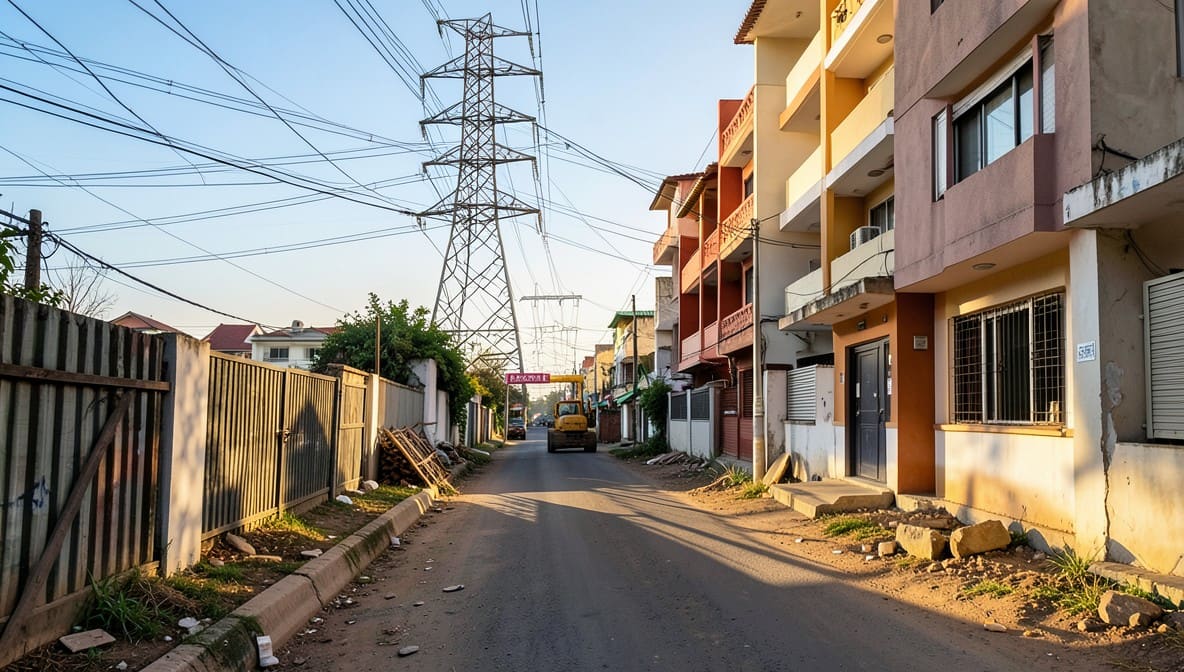
Karnataka High Court rules that obstructing the sole access to private property via a transmission tower violates the 'least damage principle' under Section 10(d) of the Indian Telegraph Act. Authorities must provide concrete, enforceable access solutions, not mere assurances, ensuring property rights are preserved without rendering the property inaccessible.