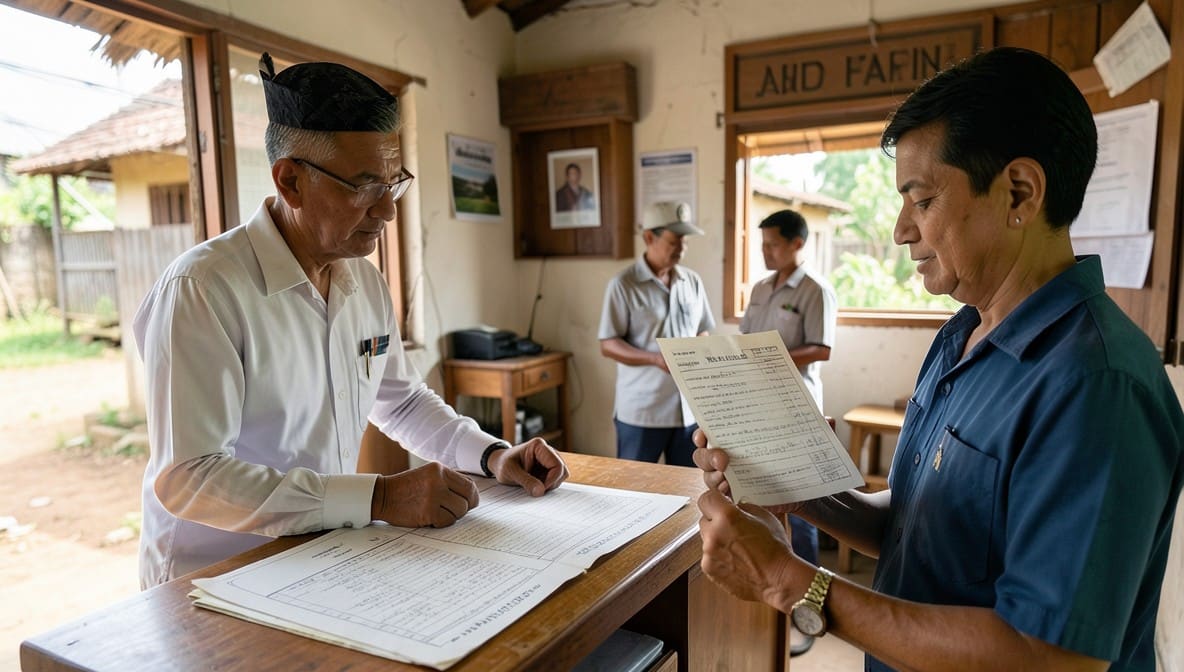
In a significant ruling on procedural fairness, the Karnataka High Court has underscored that revenue authorities cannot unilaterally declare encroachment on public land without affording the alleged encroacher an opportunity to be heard. The judgment reinforces the principles of natural justice in administrative actions, mandating show cause notices and joint surveys before any adverse action is taken.
Background & Facts
The Dispute
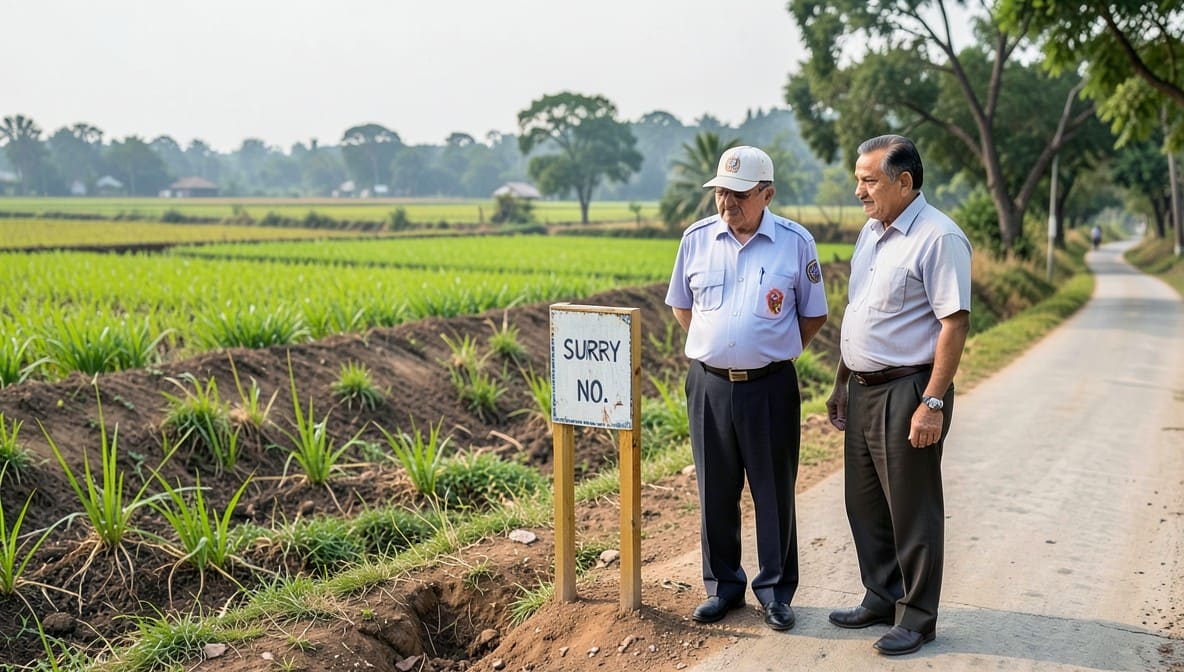
The petitioner, Sri B.R. Manjunatha, a resident of Bellamballi Village, Avani Hobli, Mulabagalu Taluk, Kolar District, challenged an impugned memorandum dated 26.03.2026 issued by the Tahsildar, Mulabagalu Taluk. The memorandum alleged that the petitioner had encroached upon a kakudari (public pathway) in Survey Nos. 186 and 186/8 of Mandikal Village, Duggasandra Hobli, Mulabagalu Taluk. The petitioner contended that no encroachment had occurred and that the Tahsildar had acted unilaterally without providing an opportunity to respond.
Key Facts
- The impugned memorandum (Annexure-A) was issued on 26.03.2026 by the 3rd respondent, Tahsildar, Mulabagalu Taluk
- The memorandum alleged encroachment on public land in Sy.No.186 and 186/8 of Mandikal Village
- The petitioner was not issued a show cause notice or afforded a hearing before the memorandum was issued
- The petitioner filed the writ petition under Articles 226 and 227 of the Constitution of India seeking quashing of the memorandum
Procedural History
- 26.03.2026: Impugned memorandum issued by the Tahsildar, Mulabagalu Taluk
- 29.04.2026: Writ Petition (WP No. 13924 of 2026) filed before the Karnataka High Court
- 29.04.2026: Preliminary hearing held; notice issued to respondents
Relief Sought
The petitioner sought quashing of the impugned memorandum dated 26.03.2026 and a direction to the Tahsildar to follow due process, including issuing a show cause notice and conducting a joint survey.
The Legal Issue
The central question was whether revenue authorities can unilaterally declare encroachment on public land without issuing a show cause notice or affording the alleged encroacher an opportunity to be heard, thereby violating the principles of natural justice.
Arguments Presented
For the Petitioner
The petitioner, represented by Sri G.S. Venkat Subbarao, argued that:
- The impugned memorandum was issued without any prior notice or opportunity to respond
- The Tahsildar acted unilaterally, violating the principles of natural justice enshrined in Article 14 of the Constitution of India
- The petitioner had a right to be heard before any adverse action was taken against him
For the Respondents
The respondents, represented by Sri Shamanth Naik, HCGP, did not present counter-arguments during the preliminary hearing. The Court noted the absence of a show cause notice and directed the Tahsildar to treat the impugned memorandum as such.
The Court's Analysis
The Court emphasized the foundational principles of natural justice, particularly the right to a fair hearing before any adverse administrative action is taken. The judgment relied on the well-established doctrine that no person shall be condemned unheard (audi alteram partem).
"Having regard to the facts narrated herein above, this Court is of the considered opinion that the Tahsildar was required to issue a show cause notice to the petitioner, call upon the petitioner to answer the allegation sought to be made against the petitioner, consider any reply that would be given by the petitioner and thereafter proceed in accordance with law."
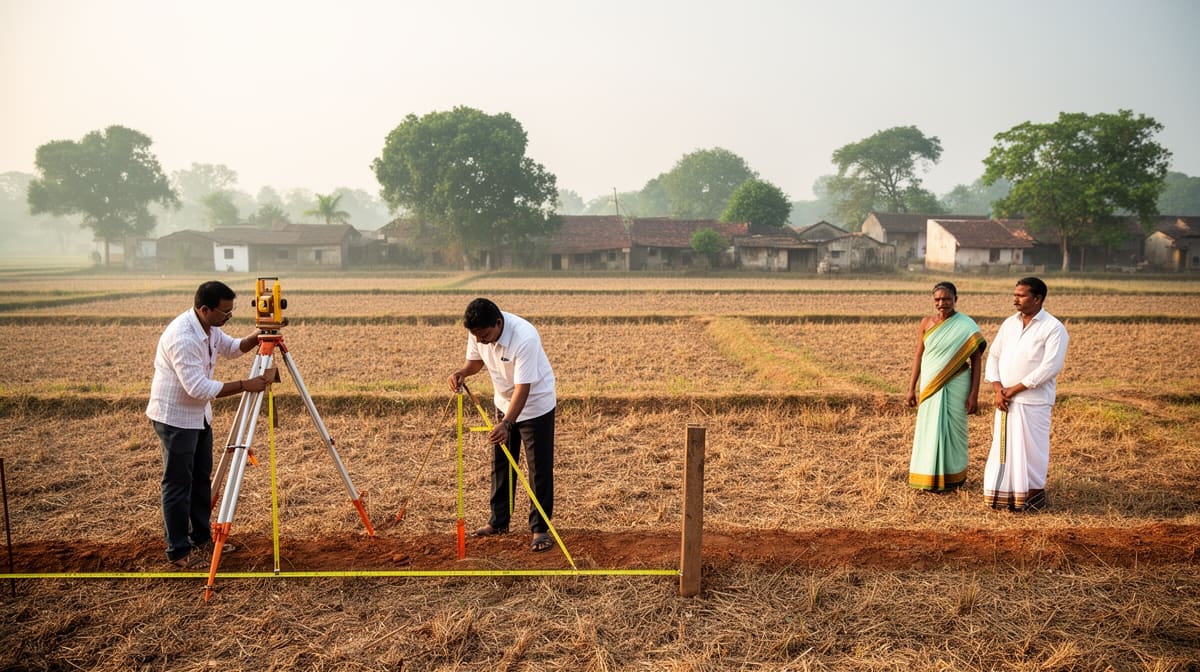
The Court further observed that the impugned memorandum, issued without due process, could not stand. It directed the Tahsildar to treat the memorandum as a show cause notice and afford the petitioner an opportunity to submit a reply along with supporting documents. The Court also mandated a joint survey in the presence of the petitioner to ascertain the facts before proceeding further.
The Verdict
The writ petition was disposed of with the following directions:
- The impugned memorandum dated 26.03.2026 was treated as a show cause notice
- The petitioner was directed to submit a reply within 10 days from the date of the judgment (29.04.2026)
- The Tahsildar was directed to consider the petitioner’s reply and, if necessary, conduct a joint survey in the petitioner’s presence
- The Tahsildar was further directed to proceed only in accordance with law after considering the petitioner’s reply
What This Means For Similar Cases
Natural Justice Is Non-Negotiable in Administrative Actions
This judgment reaffirms that administrative authorities, including revenue officials, cannot bypass the principles of natural justice. Practitioners should note:
- Show cause notices are mandatory before any adverse action is taken
- Alleged encroachers must be afforded an opportunity to present their case and submit evidence
- Joint surveys or inspections must be conducted in the presence of the affected party to ensure transparency
Procedural Fairness Prevails Over Unilateral Decisions
- Revenue authorities cannot issue memoranda or orders declaring encroachment without due process
- The burden lies on the authority to prove encroachment after affording a fair hearing
- Courts are likely to intervene if administrative actions are found to be arbitrary or procedurally flawed
Implications for Land Disputes and Encroachment Cases
- For Petitioners: This judgment provides a strong precedent to challenge unilateral actions by revenue authorities. Affected parties can seek relief under Articles 226 and 227 if denied a fair hearing
- For Respondents: Revenue officials must ensure compliance with procedural safeguards, including issuing show cause notices and conducting joint surveys, to avoid judicial intervention
- For Practitioners: Emphasize the violation of natural justice in writ petitions challenging administrative orders. Cite this judgment to argue for procedural fairness in land disputes.