The Madhya Pradesh High Court at Gwalior has granted bail in a case involving possession of 61.25 liters of poisonous liquor under the M.P. Excise Act, emphasizing that custodial interrogation is not required once the evidence is seized and investigation is nearly complete. The order reinforces the principle that personal liberty must be balanced against procedural necessity, particularly when there is no risk of flight or evidence tampering.
Background & Facts
The Dispute
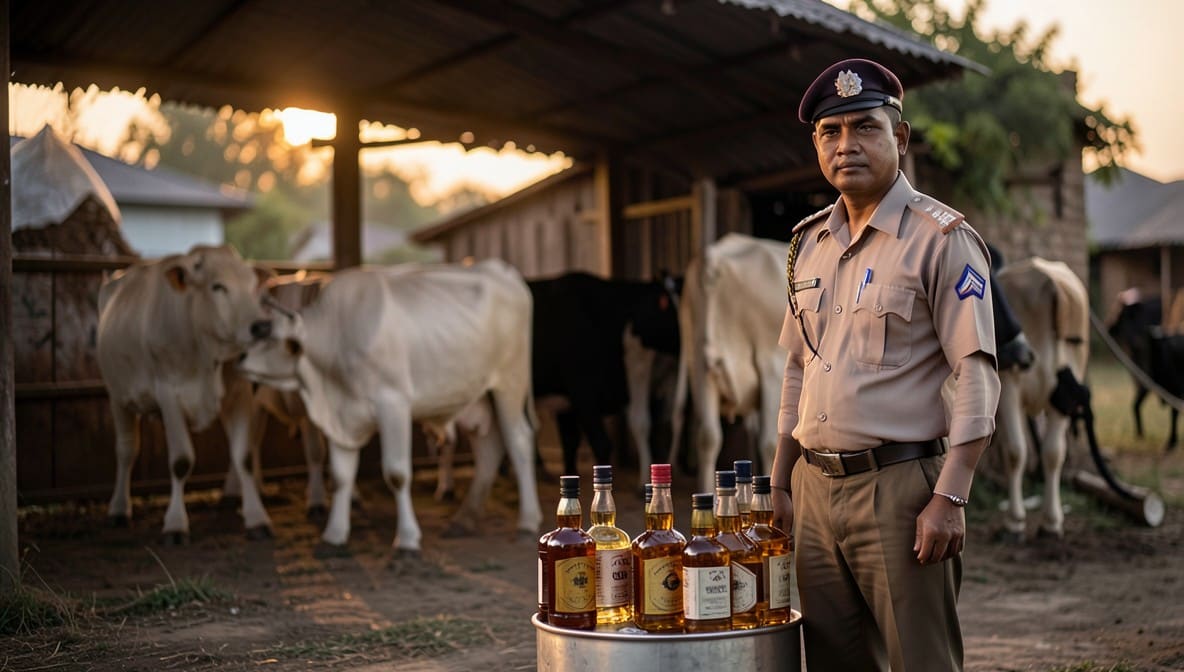
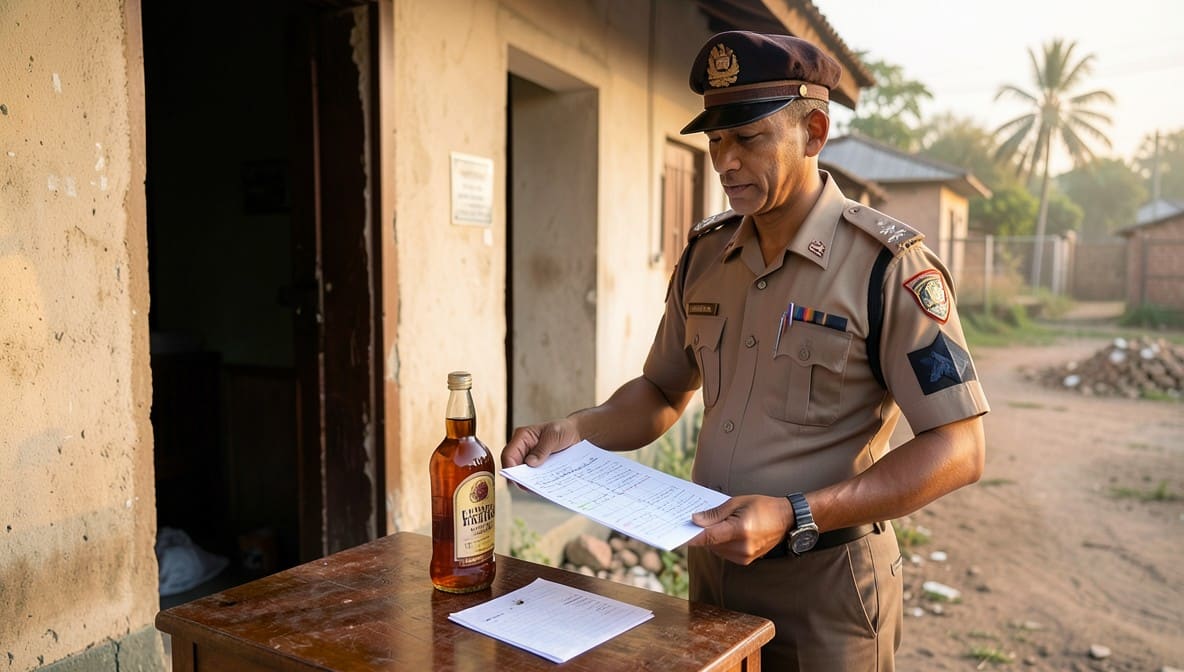
The applicant, Smt. Rupabai, was arrested in connection with Crime No. 510/2026 registered at Police Station - Excise Circle - Antrik Khestra, District Gwalior (Madhya Pradesh). The case pertains to the alleged possession of 61.25 liters of poisonous liquor deemed unfit for human consumption, under Sections 34(2) and 49-A of the M.P. Excise Act. The offence is non-bailable and triable by a Judicial Magistrate First Class (JMFC).
Key Facts
The alleged poisonous liquor (61.25 liters) was seized from the applicant’s possession
The applicant has been in custody since 13/06/2026
The offence is punishable under Sections 34(2) and 49-A of the M.P. Excise Act
The applicant is a permanent resident of District Gwalior, Madhya Pradesh
No prior allegations of absconding or evidence tampering have been established
The investigation is reported to be nearly complete, with the charge sheet expected to be filed shortly
The applicant has no history of flight risk or interference with witnesses
Procedural History
13/06/2026: Applicant arrested and taken into custody
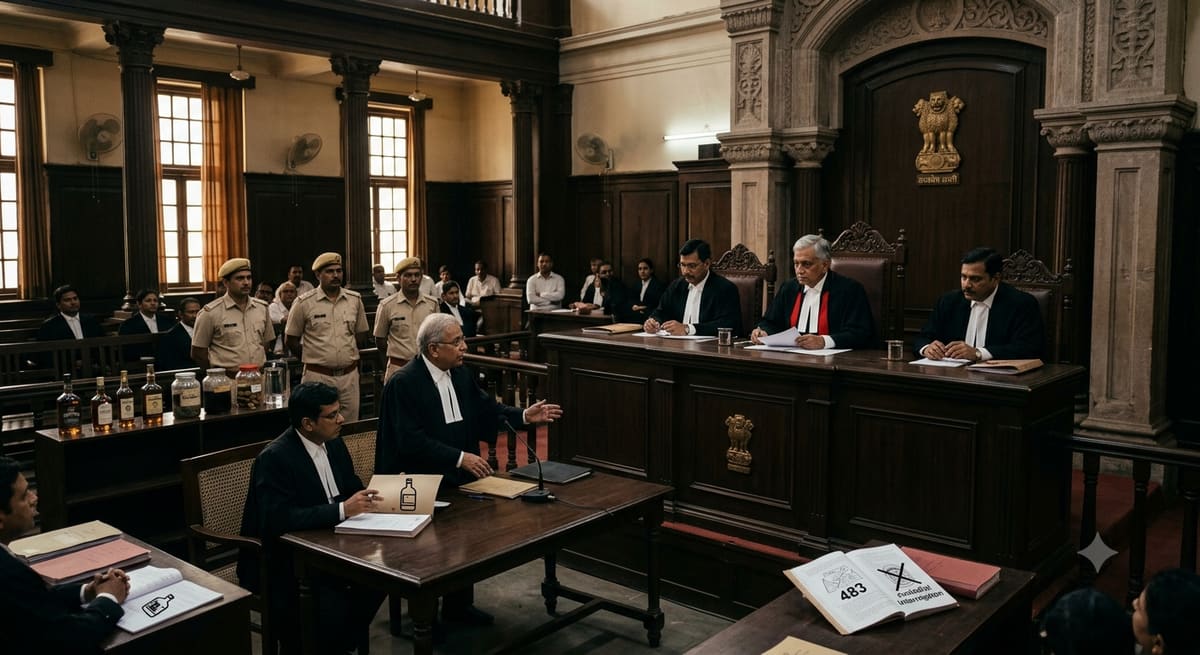
29/06/2026: Application filed under Section 483 of the Bharatiya Nagarik Suraksha Sanhita (B.N.S.S.) seeking bail
29/06/2026: Hearing before the High Court at Gwalior
The Parties' Positions
For the Applicant
The applicant’s counsel, Shri Brajesh Kumar, submitted that:
The applicant is innocent and falsely implicated
The contraband liquor has already been seized, eliminating any need for custodial interrogation
The investigation is nearly complete, and no further detention is required
The applicant is a permanent resident of Gwalior with no incentive to abscond
The applicant is willing to comply with all bail conditions
The trial will take considerable time, and prolonged pre-trial detention is unjustified
For the Respondent-State
The Public Prosecutor, Ms. Kalpana Parmar, opposed bail on the ground that the applicant has previous criminal antecedents, though no specific details of such antecedents were provided in the order.
Relief Sought
The applicant sought release on bail pending trial, with conditions to ensure cooperation with the investigation and trial process.
The Legal Issue
The central question was whether bail could be granted in a non-bailable offence under the M.P. Excise Act where the contraband has been seized, the investigation is nearly complete, and there is no reasonable apprehension of the accused absconding or tampering with evidence.
Arguments Presented
For the Applicant
The applicant’s counsel relied on the principle that pre-trial detention must be justified by necessity, not presumption. Citing Arnesh Kumar v. State of Bihar, the counsel argued that arrest and custody should not be automatic even in serious offences, particularly when the evidence is secured and custodial interrogation is no longer required. The counsel emphasized that the applicant’s permanent residence, lack of prior absconding history, and the advanced stage of investigation warranted bail.
For the Respondent-State
The State opposed bail solely on the assertion of previous criminal antecedents, without providing any documentary evidence or specific details of prior convictions or charges. No argument was made regarding risk of evidence tampering, witness intimidation, or flight.
The Court's Analysis
The Court examined the nature of the offence, the stage of investigation, and the applicant’s personal circumstances. It noted that the contraband had been seized and the investigation was nearing completion, rendering custodial interrogation unnecessary. The Court observed that the applicant was a permanent resident of Gwalior with no indication of intent to flee.
"The applicant is a permanent resident of District Gwalior (M.P.), therefore, there is no likelihood of his absconding or tampering with the prosecution evidence."
The Court further held that while the offence is serious, the mere existence of prior antecedents, without substantiation, cannot override the applicant’s right to liberty under Article 21 of the Constitution, especially when the conditions for detention are not met. The Court emphasized that bail is the rule and jail the exception, particularly when the accused is not a flight risk and the investigation is complete.
The Court also considered the practical reality that trials in excise cases often take months or years, and prolonged pre-trial detention without necessity violates the principle of proportionality.
The Verdict
The applicant succeeded. The Court granted bail on the following conditions:
Furnishing a personal bond of Rs. 50,000 (Rupees Fifty Thousand only)
Producing one solvent surety in the same amount, to the satisfaction of the Trial Court
Compliance with all bond terms
Cooperation in investigation and trial
No inducement, threat, or promise to witnesses
No commission of any further offence
No unnecessary adjournments during trial
No departure from India without prior permission of the Trial Court or Investigating Officer
Automatic cancellation of bail if the FSL report confirms the liquor is poisonous or unfit for human consumption
Mandatory reporting at Excise Circle Police Station, Antrik Khestra, Gwalior, on the first Sunday of every month between 10:00 AM and 2:00 PM until trial concludes
Failure to comply with any condition shall result in automatic cancellation of bail without further reference to this Bench.
What This Means For Similar Cases
Custodial Interrogation Is Not Automatic After Seizure
Practitioners must argue that once contraband is seized and forensic samples collected, further custody lacks legal justification under Arnesh Kumar v. State of Bihar
Courts should scrutinize whether custodial interrogation is genuinely required or merely routine
In excise, narcotics, and similar cases, the completion of seizure and forensic testing should trigger re-evaluation of detention
Prior Antecedents Require Specific Proof
Vague allegations of "previous criminal antecedents" without production of records or FIRs are insufficient to deny bail
The burden lies on the State to substantiate such claims; mere assertion is not enough
Courts must not allow blanket denial of bail based on unverified assertions
Reporting Conditions Are Valid and Enforceable
Monthly reporting to police stations is a permissible and proportionate condition in non-bailable cases
Such conditions balance liberty with accountability and are preferable to prolonged custody
Practitioners should propose similar reporting conditions as alternatives to custody in appropriate cases
Bail Can Be Automatically Cancelled on New Evidence
The Court’s condition that bail stands cancelled upon a positive FSL report is legally sound and enforceable
This mechanism ensures that bail is not a shield against conclusive evidence
Defence counsel should anticipate and prepare for such conditions in cases involving forensic reports
Trial Delays Do Not Justify Prolonged Detention
The Court recognized that lengthy trial timelines cannot justify continued pre-trial detention
This reinforces the principle that the right to speedy trial includes protection from undue pre-trial incarceration
Applications for bail under Section 483 B.N.S.S. should highlight trial delays as a factor favoring release