High Courts judgments

10232 High Courts judgments explained in plain English: what was decided, the law applied and why it matters. Page 62 of 427.

Section 528 BNSS | 20% Deposit Requirement in Cheque Bounce Cases May Be Reduced to 10% for Accused with Severe Health & Financial Hardship: AP HC
Case Law Analysis
|Andhra Pradesh High Court

Section 528 BNSS | 20% Deposit Requirement in Cheque Bounce Cases May Be Reduced to 10% for Accused with Severe Health & Financial Hardship: AP HC

The Andhra Pradesh High Court has ruled that courts may reduce the mandatory 20% deposit under Section 528 BNSS to 10% when an accused demonstrates compelling financial distress and serious medical conditions, setting a precedent for equitable relief in non-violent economic offences. This shifts the rigid application of deposit conditions toward proportionality and personal circumstance, benefiting indigent accused in NI Act cases nationwide.


Consent as Defense to BNS Section 64 + IT Act 66E | Bail Granted When Physical Contact Lacks Coercion and No Criminal Antecedents: Karnataka HC
Case Law Analysis
|Karnataka High Court

Consent as Defense to BNS Section 64 + IT Act 66E | Bail Granted When Physical Contact Lacks Coercion and No Criminal Antecedents: Karnataka HC

The Karnataka High Court granted bail in a case under BNS Section 64 and IT Act Section 66E, holding that voluntary physical contact between consenting adults, without coercion or corroboration of non-consent, does not establish rape or digital voyeurism. The ruling reinforces that absence of criminal antecedents and completed investigation weigh heavily in bail decisions, even for non-bailable offences, when the core allegation hinges on disputed consent.

Order VI Rule 17 CPC | Costs Imposed for Four-Year Delay in Amending Pleadings in Divorce Case : Karnataka HC
Case Law Analysis
|Karnataka High Court

Order VI Rule 17 CPC | Costs Imposed for Four-Year Delay in Amending Pleadings in Divorce Case : Karnataka HC

The Karnataka High Court has imposed ₹10,000 costs on a husband for filing a delayed amendment to his divorce petition, four years after the case began, emphasizing that procedural delays cannot be compensated by substantive relief alone. This ruling reinforces judicial discipline in matrimonial litigation and warns against tactical use of amendment provisions to reframe allegations at a late stage.

Electricity Rebate Scheme | Clubbing LT Installations for HT Conversion Requires Uniform Consumer Registration: Karnataka HC
Case Law Analysis
|Karnataka High Court

Electricity Rebate Scheme | Clubbing LT Installations for HT Conversion Requires Uniform Consumer Registration: Karnataka HC

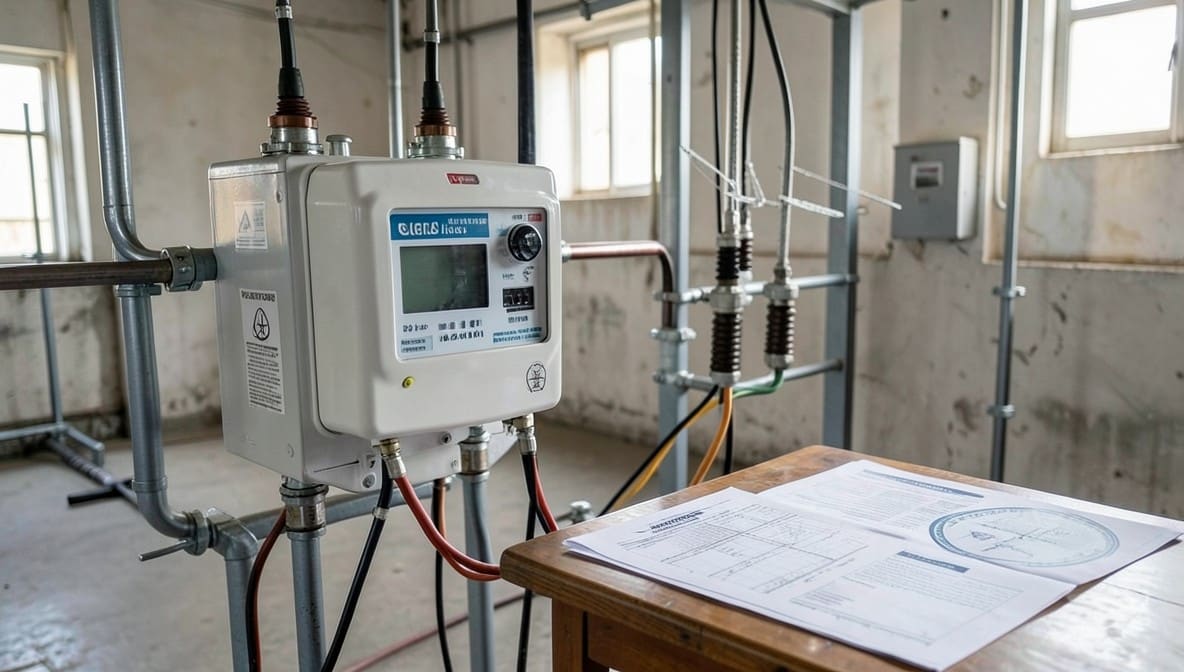
The Karnataka High Court has ruled that to qualify for electricity rebates under LT-to-HT conversion schemes, all linked low-tension installations must be registered under a single consumer’s name. This clarifies a critical compliance requirement for industrial users seeking fiscal incentives, preventing fragmented claims and reinforcing administrative accountability in utility subsidy regimes.

Article 226 Powers | High Court Can Retrospectively Shift Section 4 Notification Date to Prevent Injustice in Land Acquisition: Bombay HC
Case Law Analysis
|Bombay High Court

Article 226 Powers | High Court Can Retrospectively Shift Section 4 Notification Date to Prevent Injustice in Land Acquisition: Bombay HC

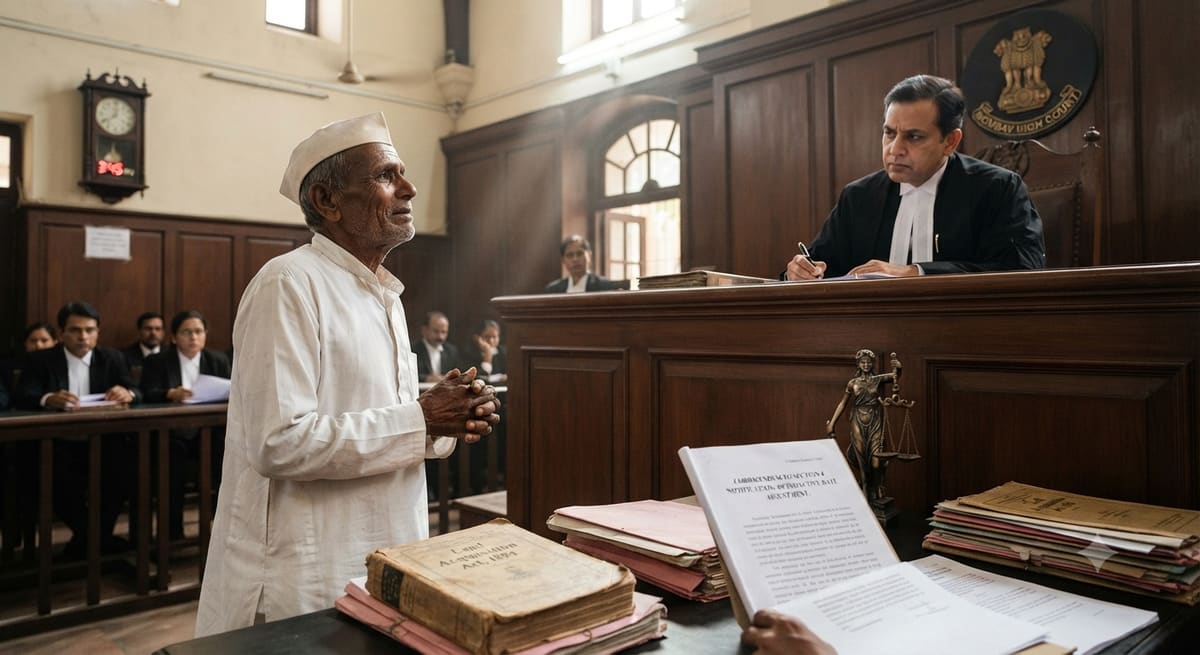
Bombay High Court rules that while State Land Acquisition Officers lack authority to alter Section 4 notification dates under the Land Acquisition Act, 1894, High Courts can exercise Article 226 powers to retrospectively adjust dates to prevent injustice. The Court shifted the notification date to the writ petition filing date, ensuring fair compensation calculation for affected landowners.

NDPS Act Section 20 | Suspension of Sentence Warranted When Conviction Relies Solely on Uncorroborated Co-Accused Disclosure: Rajasthan HC
Case Law Analysis
|Rajasthan High Court

NDPS Act Section 20 | Suspension of Sentence Warranted When Conviction Relies Solely on Uncorroborated Co-Accused Disclosure: Rajasthan HC

The Rajasthan High Court suspended the sentence of an accused convicted under the NDPS Act because the prosecution failed to link him to the contraband through direct evidence or reliable corroboration, relying only on unverified disclosure statements of co-accused. This reinforces that mere association or mobile call records cannot substitute for substantive proof in drug cases, protecting individuals from conviction based on conjecture.

Section 6 Land Acquisition Act 1894 | Declaration Beyond One Year of Section 4 Notification Lapses Acquisition : Bombay HC Orders Fresh Compensation Calculation
Case Law Analysis
|Bombay High Court

Section 6 Land Acquisition Act 1894 | Declaration Beyond One Year of Section 4 Notification Lapses Acquisition : Bombay HC Orders Fresh Compensation Calculation

Bombay High Court rules that acquisition proceedings under the Land Acquisition Act, 1894 lapse if the Section 6 declaration is not issued within one year of the Section 4 notification. The court directed a fresh compensation calculation for land acquired in 1960, adjusting the notification date to 26.08.2011 to balance landowners' rights and public interest, setting a precedent for timely compliance with procedural timelines.

Judicial Recall Doctrine | Orders Based on Supreme Court-Overruled Precedent Are Void ab Initio: Rajasthan HC
Case Law Analysis
|Rajasthan High Court

Judicial Recall Doctrine | Orders Based on Supreme Court-Overruled Precedent Are Void ab Initio: Rajasthan HC

The Rajasthan High Court has held that any judicial order founded on a precedent subsequently overruled by the Supreme Court is legally void from inception. This ruling reinforces the hierarchy of precedent and mandates proactive correction of judgments tainted by invalid legal foundations, affecting all litigants relying on erroneous judicial reasoning.

NDPS Act Sections 42 & 50 | Fleeing Accused Forfeits Right to Procedural Safeguards: Karnataka HC Upholds Conviction
Case Law Analysis
|Karnataka High Court

NDPS Act Sections 42 & 50 | Fleeing Accused Forfeits Right to Procedural Safeguards: Karnataka HC Upholds Conviction

Karnataka High Court rules that an accused who flees before a personal search under the NDPS Act waives mandatory compliance with Sections 42 and 50, reinforcing that procedural safeguards are not absolute when evasion occurs. The ruling upholds a 4-year sentence for possession of 7 kg ganja, clarifying that flight negates statutory protections designed to prevent arbitrary searches.

Section 376-D IPC | No Absolute Bar to Open Air Camp Transfer; Competent Authority Must Assess Special Circumstances on Merits : Rajasthan HC
Case Law Analysis
|Rajasthan High Court

Section 376-D IPC | No Absolute Bar to Open Air Camp Transfer; Competent Authority Must Assess Special Circumstances on Merits : Rajasthan HC

The Rajasthan High Court has ruled that a conviction under Section 376-D IPC does not automatically disqualify a prisoner from transfer to an Open Air Camp. The competent authority must evaluate each case individually, considering special circumstances such as conduct, rehabilitation, and institutional needs under the Rajasthan Prisoners Rules, 1972 - reinforcing that procedural fairness overrides blanket exclusions in prison administration.

Section 24(2) Right to Fair Compensation Act | Land Acquisition Notifications Published Post-01.01.2014 Void : Allahabad HC
Case Law Analysis
|Allahabad High Court

Section 24(2) Right to Fair Compensation Act | Land Acquisition Notifications Published Post-01.01.2014 Void : Allahabad HC

Allahabad High Court rules that land acquisition proceedings under the repealed Land Acquisition Act, 1894 are invalid if Section 4 notifications were published after 01.01.2014, regardless of the notification date. The court directed recalculation of compensation under the Right to Fair Compensation Act, 2013, reinforcing the publication date as the decisive factor for initiation of proceedings.

Rule 25-A MEPS Rules | Absorption of Surplus Teachers Not Automatic; Dies Non Period Excludes Backwages : Bombay HC Aurangabad
Case Law Analysis
|Bombay High Court

Rule 25-A MEPS Rules | Absorption of Surplus Teachers Not Automatic; Dies Non Period Excludes Backwages : Bombay HC Aurangabad

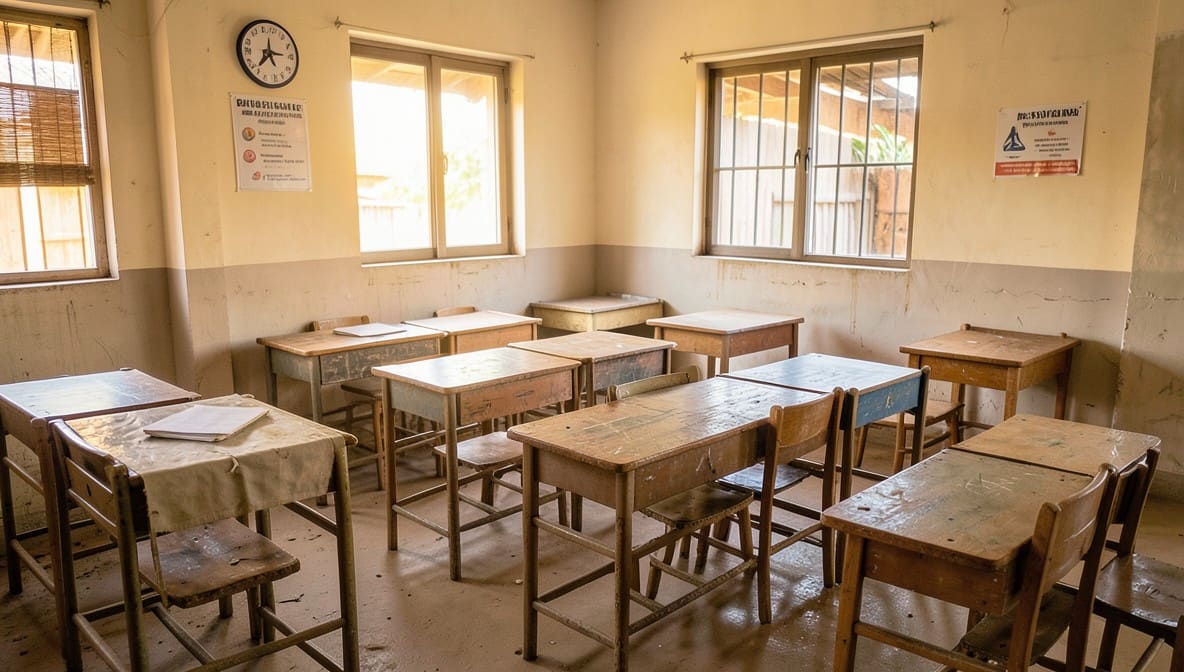
Bombay High Court Aurangabad Bench rules that surplus teachers from derecognized schools have no vested right to absorption or backwages for the period treated as 'dies non' under Maharashtra Employees of Private Schools Rules, 1981. The judgment clarifies that absorption is subject to administrative discretion, and no salary entitlement arises during the interim period.

Section 144(2) BNSS | Wife’s Waiver of Maintenance in Mutual Divorce Bars Interim Maintenance Claim : Karnataka HC
Case Law Analysis
|Karnataka High Court

Section 144(2) BNSS | Wife’s Waiver of Maintenance in Mutual Divorce Bars Interim Maintenance Claim : Karnataka HC

Karnataka High Court holds that a wife’s explicit waiver of maintenance in mutual divorce proceedings estops her from claiming interim maintenance under Section 144(2) BNSS, while affirming the minor child’s independent right to Rs. 5,000 per month. The ruling clarifies the binding nature of mutual divorce agreements on future maintenance claims.

Family Courts Must Endorse Talaq-e-Hasan Under Muslim Personal Law | Allahabad HC Sets Aside Lower Court’s Misapplication of Specific Relief Act
Case Law Analysis
|Allahabad High Court

Family Courts Must Endorse Talaq-e-Hasan Under Muslim Personal Law | Allahabad HC Sets Aside Lower Court’s Misapplication of Specific Relief Act

Allahabad High Court holds that Family Courts must declare the marital status as 'divorced' upon undisputed extra-judicial Talaq-e-Hasan, rejecting the lower court’s dismissal for misapplying Section 34 of the Specific Relief Act. The ruling clarifies that Muslim Personal Law governs such divorces, and Family Courts cannot refuse endorsement without adjudicating the merits.

Review Jurisdiction Under Civil Procedure | Bombay HC Rejects Reopening Land Acquisition Dispute Without New Evidence : Bombay HC
|Bombay High Court

Review Jurisdiction Under Civil Procedure | Bombay HC Rejects Reopening Land Acquisition Dispute Without New Evidence : Bombay HC

Bombay High Court reinforces judicial finality by dismissing CIDCO's review petition, holding that mere reliance on documents already part of the record does not constitute 'new evidence' under review jurisdiction. The ruling underscores that reopening settled land acquisition disputes without fresh material amounts to abuse of process, affecting government bodies and litigants in similar disputes.

Section 304A IPC | Prosecution Must Prove Culpable Negligence Beyond Reasonable Doubt: Karnataka HC Acquits in Rash Driving Death Case
|Karnataka High Court

Section 304A IPC | Prosecution Must Prove Culpable Negligence Beyond Reasonable Doubt: Karnataka HC Acquits in Rash Driving Death Case

Karnataka High Court upholds acquittal under Sections 279, 337, 338, and 304A IPC, ruling that unreliable eyewitness testimony and lack of independent corroboration fail to establish culpable negligence. The judgment reinforces that mere rash driving allegations are insufficient without conclusive proof of criminal intent or recklessness.

Public Premises Act 1971 Overrides Rent Control Legislation | Civil Courts Barred from Tenancy Disputes in Public Premises : Bombay HC
Case Law Analysis
|Bombay High Court

Public Premises Act 1971 Overrides Rent Control Legislation | Civil Courts Barred from Tenancy Disputes in Public Premises : Bombay HC

Bombay High Court rules that the Public Premises (Eviction of Unauthorized Occupants) Act, 1971 prevails over Rent Control legislation, stripping civil courts of jurisdiction over tenancy disputes in public premises-even for tenancies predating the Act. The ruling mandates eviction proceedings under the 1971 Act, impacting tenants and public sector landlords across Maharashtra.

Article 30(1) Exemption | Minority Institutions Immune from RTE Act Staffing Rules & Recruitment Bans : Bombay HC Aurangabad Bench
Case Law Analysis
|Bombay High Court

Article 30(1) Exemption | Minority Institutions Immune from RTE Act Staffing Rules & Recruitment Bans : Bombay HC Aurangabad Bench

Bombay High Court reaffirms that minority institutions under Article 30(1) are exempt from RTE Act provisions, including recruitment bans and staffing pattern rules. The court directed approval of peon appointments, holding that the validity of staffing patterns is determined at the time of appointment, not retrospectively.

Section 313 CrPC | Failure to Confront Accused with Viscera Report Fatal to Murder Conviction: Allahabad HC Acquits
Case Law Analysis
|Allahabad High Court

Section 313 CrPC | Failure to Confront Accused with Viscera Report Fatal to Murder Conviction: Allahabad HC Acquits

The Allahabad High Court set aside a murder conviction after finding that the trial court violated Section 313 CrPC by not confronting the accused with the viscera report-a material piece of evidence. The ruling underscores that procedural compliance under Section 313 is non-negotiable, and its breach irreparably vitiates the trial, regardless of the offence's gravity.

Natural Justice & Judicial Finality | Administrative Orders Cannot Override Judicial Decrees Without Notice: Allahabad HC
|Allahabad High Court

Natural Justice & Judicial Finality | Administrative Orders Cannot Override Judicial Decrees Without Notice: Allahabad HC

The Allahabad High Court quashed ex-parte administrative orders attempting to reclassify private land without notice, violating principles of natural justice and judicial finality. The ruling reinforces that administrative actions cannot bypass due process or override judicial decrees, impacting landowners and institutions facing unilateral state actions.

Section 6 PITA | Irrebuttable Presumption Applies When Minor Girls Found in Brothel: Bombay HC Upholds Conviction
Case Law Analysis
|Bombay High Court

Section 6 PITA | Irrebuttable Presumption Applies When Minor Girls Found in Brothel: Bombay HC Upholds Conviction

Bombay High Court reinforces that the presence of minor girls in a brothel triggers an irrebuttable presumption of offence under Section 6 of the Immoral Traffic (Prevention) Act. The ruling limits the scope of revisional jurisdiction in cases involving heinous offences against minors, setting a strict precedent for human trafficking prosecutions.

Habeas Corpus | Major Wife's Voluntary Residence Justifies Minor Children's Custody with Mother: Allahabad HC
Case Law Analysis
|Allahabad High Court

Habeas Corpus | Major Wife's Voluntary Residence Justifies Minor Children's Custody with Mother: Allahabad HC

The Allahabad High Court dismissed a habeas corpus petition after confirming the mother's voluntary choice to live apart from her disabled husband, affirming that a major woman's autonomy over residence extends to custody of her minor children when the father consents. This ruling clarifies that habeas corpus cannot be weaponized to compel cohabitation in matrimonial disputes where no illegal detention exists.