High Courts judgments

10232 High Courts judgments explained in plain English: what was decided, the law applied and why it matters. Page 61 of 427.

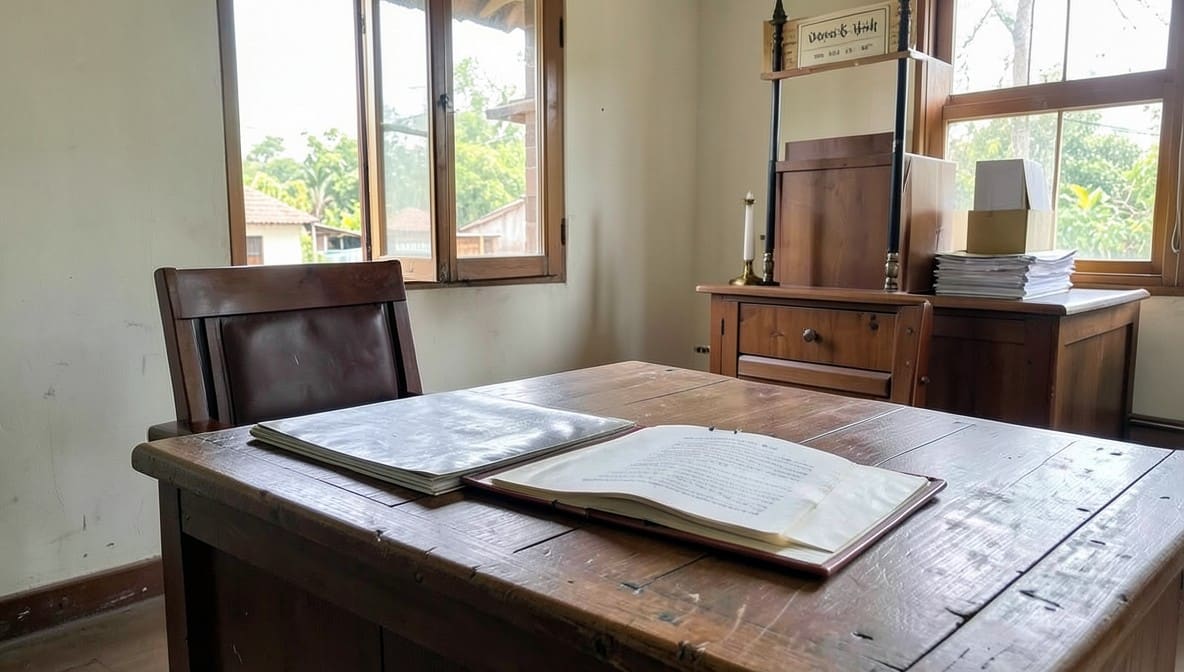
Article 22(1) + BNSS Section 47 | Failure to Inform Relative of Arrest Grounds Vitiates Lawful Detention: Kerala HC
Case Law Analysis
|Kerala High Court

Article 22(1) + BNSS Section 47 | Failure to Inform Relative of Arrest Grounds Vitiates Lawful Detention: Kerala HC

The Kerala High Court ruled that not informing an accused person’s relative of the grounds of arrest constitutes a fundamental violation of procedural rights under Article 22(1) and BNSS Section 47, rendering the detention illegal even in serious NDPS cases. This sets a critical precedent for police compliance in drug-related arrests, ensuring familial notification is not a formality but a constitutional safeguard.

Section 18 SC/ST POA Act | Habitual Offenders Deny Bail Due to Witness Intimidation Risk and Pending Cases: Kerala HC
Case Law Analysis
|Kerala High Court

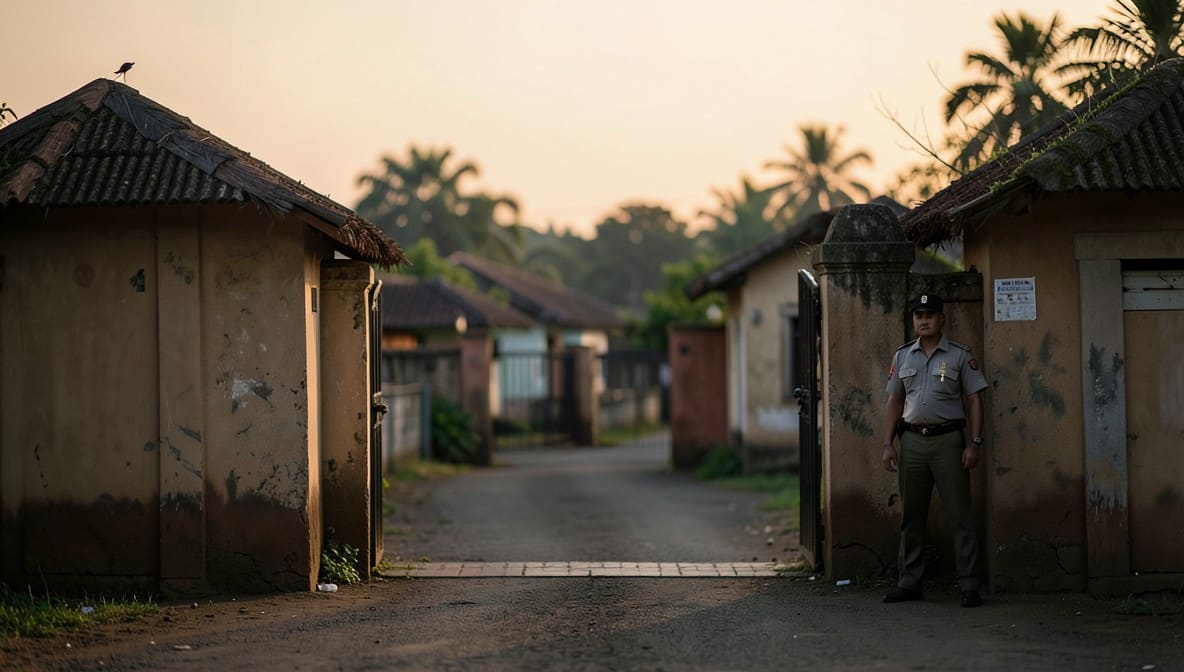
Section 18 SC/ST POA Act | Habitual Offenders Deny Bail Due to Witness Intimidation Risk and Pending Cases: Kerala HC

The Kerala High Court denied bail to an accused under the SC/ST (Prevention of Atrocities) Act, 1989, holding that a pattern of prior offenses combined with credible threats to witnesses justifies overriding the statutory presumption in favor of bail. This ruling reinforces that habitual criminality and intimidation risks are decisive factors in bail decisions under the Act, affecting how courts assess pre-trial liberty in caste-based atrocity cases.

Section 420 IPC | Criminal Cheating Requires Proof of Initial Dishonest Intent, Not Just Breach of Contract : Kerala HC
Case Law Analysis
|Kerala High Court

Section 420 IPC | Criminal Cheating Requires Proof of Initial Dishonest Intent, Not Just Breach of Contract : Kerala HC

The Kerala High Court has ruled that merely failing to deliver goods after receiving advance payment does not constitute criminal cheating under Section 420 IPC unless there is evidence the accused harbored dishonest intent at the time of receiving the payment. This clarifies the boundary between civil contract disputes and criminal fraud, protecting business owners from misuse of criminal law in commercial disagreements.

Seized Property | Owner Entitled to Interim Custody After Investigation Concludes, Subject to Conditions : Kerala HC
Case Law Analysis
|Kerala High Court

Seized Property | Owner Entitled to Interim Custody After Investigation Concludes, Subject to Conditions : Kerala HC

The Kerala High Court has ruled that once a criminal investigation is complete, the owner of a seized vehicle is entitled to interim custody, provided they furnish a bond and agree to restrictions on inter-state movement. This clarifies that prolonged retention of property without trial violates property rights under Article 300A and sets a precedent for timely return of assets in pending cases.

Bail Conditions | Father Cannot Be Mandated as Surety Under BNS Section 483: Kerala HC
Case Law Analysis
|Kerala High Court

Bail Conditions | Father Cannot Be Mandated as Surety Under BNS Section 483: Kerala HC

The Kerala High Court struck down a bail condition requiring the accused's father to serve as a surety, affirming that such familial mandates violate the principle of non-onerous conditions under BNS Section 483 and Supreme Court precedent in Moti Ram. This ruling protects accused persons from discriminatory, non-statutory bail requirements and reinforces that surety rules must be neutral, rational, and not tied to familial status.

Dock Identification Doctrine | Mere General Attribution Insufficient for Conviction; Specific In-Court Identification Mandatory Under Section 313 CrPC : Kerala HC
Case Law Analysis
|Kerala High Court

Dock Identification Doctrine | Mere General Attribution Insufficient for Conviction; Specific In-Court Identification Mandatory Under Section 313 CrPC : Kerala HC

The Kerala High Court overturned a conviction because witnesses failed to specifically identify the accused at the dock, reinforcing that under Section 313 CrPC, general descriptions of involvement cannot satisfy the burden of proof beyond reasonable doubt. This ruling strengthens the rights of the accused in multi-accused cases and demands precise, individualized identification by eyewitnesses to sustain a conviction.

Police Clearance Certificate | Pending Criminal Case Does Not Automatically Bar Issuance for Overseas Employment : Kerala HC
Case Law Analysis
|Kerala High Court

Police Clearance Certificate | Pending Criminal Case Does Not Automatically Bar Issuance for Overseas Employment : Kerala HC

The Kerala High Court has ruled that an accused individual is entitled to a customized Police Clearance Certificate for overseas employment even with a pending criminal case, provided the certificate discloses the case details. This affirms the right to travel and work abroad as part of Article 21, preventing administrative overreach by passport authorities who treat pending cases as automatic disqualifiers.

NDPS Act Section 20 | Bail Granted for Non-Commercial Quantity After Prolonged Pre-Trial Detention and No Criminal Antecedents : Rajasthan HC
Case Law Analysis
|Rajasthan High Court

NDPS Act Section 20 | Bail Granted for Non-Commercial Quantity After Prolonged Pre-Trial Detention and No Criminal Antecedents : Rajasthan HC

The Rajasthan High Court granted bail to an accused possessing 47.9 grams of marijuana below the commercial quantity threshold, emphasizing that extended pre-trial detention without trial, coupled with no prior criminal record, outweighs the presumption against bail under the NDPS Act. This reinforces that prolonged custody alone can justify release even in drug cases, setting a critical precedent for undertrials in non-commercial NDPS offenses.

Section 36AAA Banking Regulation Act | RBI Must Consult State Government Before Superseding Co-operative Bank Board : Kerala HC
Case Law Analysis
|Kerala High Court

Section 36AAA Banking Regulation Act | RBI Must Consult State Government Before Superseding Co-operative Bank Board : Kerala HC

The Kerala High Court has ruled that the Reserve Bank of India cannot supersede a co-operative bank’s board under Section 36AAA without first consulting the state government, making state consultation a mandatory procedural step. This decision strengthens the federal structure of co-operative banking regulation and protects state-level oversight, directly impacting RBI’s regulatory autonomy and co-operative banks’ governance across India.

Double Punishment Barred | Conviction Under Both POCSO Act Section 6 and IPC Section 376(2)(i) for Same Rape Act Impermissible : Allahabad HC
Case Law Analysis
|Allahabad High Court

Double Punishment Barred | Conviction Under Both POCSO Act Section 6 and IPC Section 376(2)(i) for Same Rape Act Impermissible : Allahabad HC

Allahabad High Court rules that convicting an accused under both POCSO Act Section 6 and IPC Section 376(2)(i) for the same act of rape on a minor constitutes double punishment, violating legal principles. The court reduced the sentence to 14 years while affirming conviction under POCSO, setting a precedent for sentencing in similar cases.

PMLA Section 3 | Proceeds of Crime Must Stem from Scheduled Offence; Civil Disputes Over Project Delays Cannot Be Criminalized : Allahabad HC
Case Law Analysis
|Allahabad High Court

PMLA Section 3 | Proceeds of Crime Must Stem from Scheduled Offence; Civil Disputes Over Project Delays Cannot Be Criminalized : Allahabad HC

Allahabad HC quashes PMLA proceedings against a real estate developer, ruling that loan defaults arising from delayed project delivery do not constitute money laundering. The court held that property acquired before the alleged offence cannot be attached as proceeds of crime, reinforcing that civil disputes cannot be criminalized under PMLA.

Section 41 Consumer Protection Act 2019 | 530-Day Delay Condoned Due to Ex-Parte Order & Delayed Notice : SCDRC Maharashtra
|Bombay High Court

Section 41 Consumer Protection Act 2019 | 530-Day Delay Condoned Due to Ex-Parte Order & Delayed Notice : SCDRC Maharashtra

SCDRC Maharashtra condoned a 530-day delay in filing a consumer appeal, holding that delayed notice of an ex-parte order and subsequent legal consultation constitute 'sufficient cause' under Section 41. The ruling underscores the Commission's liberal approach to delay condonation where procedural lapses by the opposite party contribute to the delay.

Rowdy Sheeter Registration | Mandatory Notice & Representation Required Under Karnataka Police Manual: Karnataka HC
Case Law Analysis
|Karnataka High Court

Rowdy Sheeter Registration | Mandatory Notice & Representation Required Under Karnataka Police Manual: Karnataka HC

The Karnataka High Court has ruled that police cannot register a citizen as a rowdy sheeter without sending a sealed notice and granting two weeks to submit a written representation. This enforces natural justice in administrative policing, protecting individuals from arbitrary inclusion in stigmatizing lists without procedural safeguards.

Section 16(c) Specific Relief Act | Readiness and Willingness Must Be Proven by Documentary Evidence, Not Mere Allegations: Karnataka HC
|Karnataka High Court

Section 16(c) Specific Relief Act | Readiness and Willingness Must Be Proven by Documentary Evidence, Not Mere Allegations: Karnataka HC

The Karnataka High Court affirmed that mere assertions of readiness and willingness to perform a contract are insufficient under Section 16(c) of the Specific Relief Act - plaintiffs must produce contemporaneous documentary proof such as bank statements, correspondence, or payment records. This sets a clear evidentiary standard for property buyers seeking specific performance, shifting the burden beyond oral claims to verifiable paper trails.

Motor Vehicles Act Section 147 | Insurer Liable to Third Party Even for Unlicensed Driver, But Entitled to Recover from Owner: Karnataka HC
Case Law Analysis
|Karnataka High Court

Motor Vehicles Act Section 147 | Insurer Liable to Third Party Even for Unlicensed Driver, But Entitled to Recover from Owner: Karnataka HC

The Karnataka High Court has ruled that insurers cannot avoid third-party liability merely because the driver was unlicensed, affirming the statutory mandate of Section 147. However, the insurer retains a right of recovery against the vehicle owner, reinforcing the dual framework of public protection and private accountability in motor insurance. The ruling also corrects disability assessment and applies a 15x multiplier for a child claimant, setting a precedent for fair compensation in minor injury cases.

Consumer Protection Act | Insurance Claim Rejection for Non-Material Disclosure Violates Unfair Trade Practice : Maharashtra SCDRC
Case Law Analysis
|Bombay High Court

Consumer Protection Act | Insurance Claim Rejection for Non-Material Disclosure Violates Unfair Trade Practice : Maharashtra SCDRC

Maharashtra State Consumer Disputes Redressal Commission rules that rejecting a medical insurance claim and cancelling a policy based on non-disclosure of a non-material fact (speech delay) constitutes deficiency in service and unfair trade practice. The ruling reinforces that insurers cannot arbitrarily void policies for immaterial omissions, protecting policyholders from bad-faith rejections.

Section 62(2) CGST Act | Best Judgment Assessment Automatically Withdrawn Upon Filing Returns, Irrespective of Delay: AP HC
Case Law Analysis
|Andhra Pradesh High Court

Section 62(2) CGST Act | Best Judgment Assessment Automatically Withdrawn Upon Filing Returns, Irrespective of Delay: AP HC

Andhra Pradesh High Court rules that GST best judgment assessments under Section 62(2) are deemed withdrawn the moment a taxpayer files returns with late fees and interest, even beyond the 60-day period. The judgment nullifies demand notices issued under such assessments, reinforcing taxpayer rights against procedural rigidity.

Natural Drainage Rights | Revenue Authority Must Conduct Enquiry Before Upholding Obstruction Claims: Karnataka HC
Case Law Analysis
|Karnataka High Court

Natural Drainage Rights | Revenue Authority Must Conduct Enquiry Before Upholding Obstruction Claims: Karnataka HC

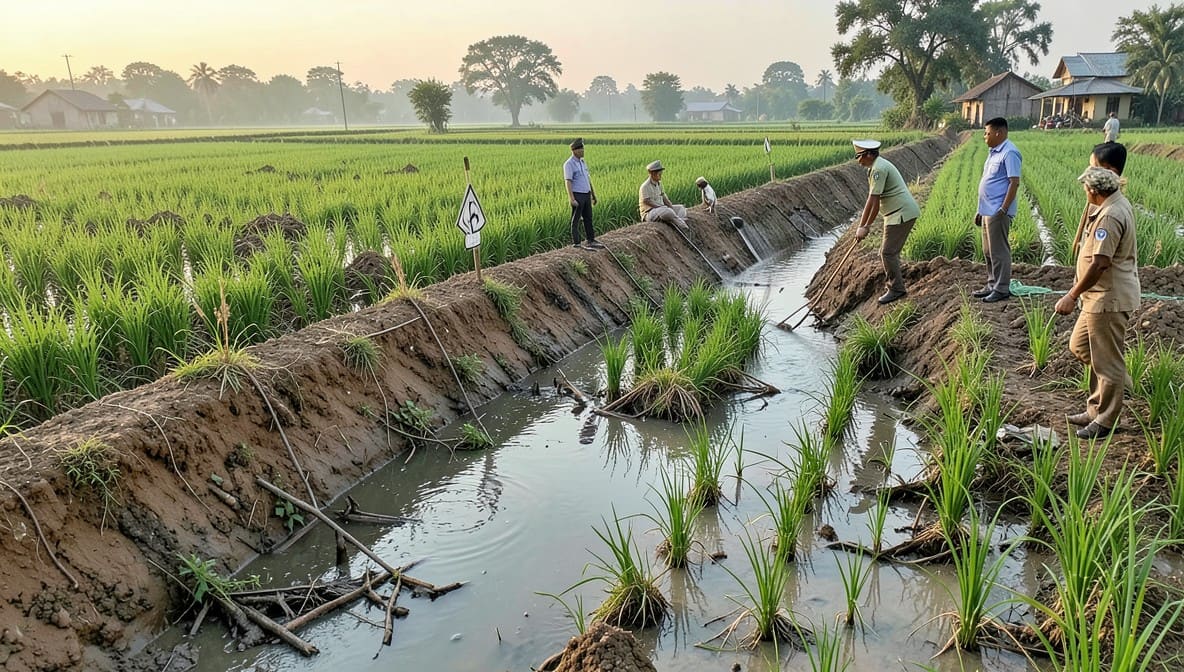
Karnataka High Court mandates that revenue authorities must conduct a formal enquiry into alleged obstructions of natural watercourses, ensuring affected landowners receive due process. The ruling reinforces that private disputes over drainage rights cannot be dismissed without factual verification, protecting agricultural land from arbitrary damage.

Section 148 NI Act | 20% Deposit Condition May Be Reduced to 10% for Petitioners Facing Severe Financial Hardship & Health Crisis: Andhra Pradesh HC
Case Law Analysis
|Andhra Pradesh High Court

Section 148 NI Act | 20% Deposit Condition May Be Reduced to 10% for Petitioners Facing Severe Financial Hardship & Health Crisis: Andhra Pradesh HC

The Andhra Pradesh High Court has ruled that courts may reduce the mandatory 20% deposit under Section 148 of the Negotiable Instruments Act to 10% when the accused demonstrates compelling financial distress and serious health conditions that impair livelihood. This sets a precedent for judicial discretion in cheque bounce cases, balancing creditor rights with constitutional protections against disproportionate hardship.

Compassionate Appointment | Unverified Second Marriage Cannot Justify Denial of Benefit Under Natural Justice : Karnataka HC
Case Law Analysis
|Karnataka High Court

Compassionate Appointment | Unverified Second Marriage Cannot Justify Denial of Benefit Under Natural Justice : Karnataka HC

The Karnataka High Court has ruled that denying compassionate appointment to legal heirs based solely on an unverified claim of the deceased's second marriage violates natural justice and administrative fairness. This sets a critical precedent for public employers: procedural due process, not speculative allegations, must govern eligibility decisions in welfare-based appointments.

Article 14 & 21 | Compensatory Mark Mandated for Repeated MCQ in MBBS Exam to Prevent Procedural Prejudice : AP HC
Case Law Analysis
|Andhra Pradesh High Court

Article 14 & 21 | Compensatory Mark Mandated for Repeated MCQ in MBBS Exam to Prevent Procedural Prejudice : AP HC

The Andhra Pradesh High Court has ruled that repeated multiple-choice questions in a medical entrance exam violate the right to fair assessment under Articles 14 and 21, entitling affected candidates to one compensatory mark. This sets a critical precedent for exam authorities to rectify technical errors that arbitrarily limit scoring opportunities, ensuring no student is penalized for institutional negligence.

Motor Vehicles Act Section 173 | Right to Cross-Examine Witnesses Cannot Be Denied Due to COVID-19 Lockdown Delays: Karnataka HC
Case Law Analysis
|Karnataka High Court

Motor Vehicles Act Section 173 | Right to Cross-Examine Witnesses Cannot Be Denied Due to COVID-19 Lockdown Delays: Karnataka HC

The Karnataka High Court has ruled that denying cross-examination of witnesses in a Motor Accident Claims Tribunal proceeding due to pandemic-related delays violates natural justice and renders the award void. This sets a critical precedent: procedural fairness in compensation cases cannot be sacrificed for administrative convenience, even during emergencies, affecting claimants, insurers, and tribunals nationwide.