Delhi High Court judgments

402 Delhi High Court judgments explained in plain English: what was decided, the law applied and why it matters. Page 9 of 17.

Section 38(2)(a) Consumer Protection Act 2019 | Written Statement Cannot Be Struck Off Without Complete Complaint Documents : Delhi State Consumer Commission
Case Law Analysis
|Delhi High Court

Section 38(2)(a) Consumer Protection Act 2019 | Written Statement Cannot Be Struck Off Without Complete Complaint Documents : Delhi State Consumer Commission

Delhi State Consumer Commission set aside an order striking off Emaar India's right to file a written statement, ruling that the limitation period for filing begins only after receipt of complete complaint documents. The decision underscores the necessity of verifying the completeness of complaint documents before imposing procedural penalties.

Medical Negligence | Non-Consideration of Affidavits & OT Register Vitiates Order: NCDRC Remands for Fresh Adjudication
|Delhi High Court

Medical Negligence | Non-Consideration of Affidavits & OT Register Vitiates Order: NCDRC Remands for Fresh Adjudication

The NCDRC has set aside a State Commission order for failing to examine critical evidence - including affidavits and the operation theatre register - in a medical negligence complaint. This reinforces that procedural fairness in consumer forums demands full appreciation of all material evidence, even when parties dispute involvement. Healthcare providers and insurers must now ensure all documentary defenses are formally recorded and evaluated.

Burden of Proof in Insurance Claims | Claimant Must Prove Ownership, Cash Transaction & Incident Under Utmost Good Faith Doctrine : Delhi State Consumer Commission
Case Law Analysis
|Delhi High Court

Burden of Proof in Insurance Claims | Claimant Must Prove Ownership, Cash Transaction & Incident Under Utmost Good Faith Doctrine : Delhi State Consumer Commission

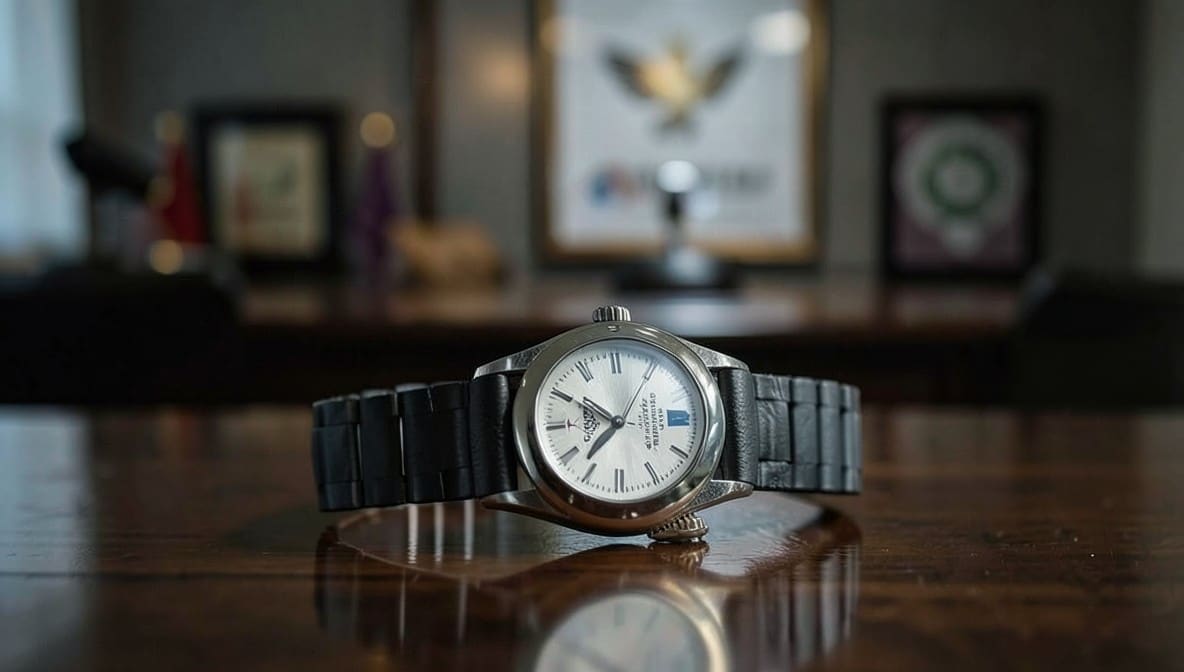
Delhi State Consumer Commission dismisses ₹57.5 lakh insurance claim, ruling the claimant failed to establish ownership of the Breguet wristwatch, the cash transaction, or the snatching incident with credible evidence. The judgment reinforces that insurance claims under the principle of utmost good faith require strict documentary proof, shifting the burden entirely on the claimant.

Consumer Protection Act 2019 | Expert Evidence Mandatory to Prove Manufacturing Defect in Electric Vehicles : Delhi SCDRC
Case Law Analysis
|Delhi High Court

Consumer Protection Act 2019 | Expert Evidence Mandatory to Prove Manufacturing Defect in Electric Vehicles : Delhi SCDRC

Delhi State Consumer Disputes Redressal Commission dismisses a complaint alleging battery range deficiency in a Mercedes EQC 400, ruling that mere mileage discrepancy without expert evidence fails to establish a manufacturing defect under the Consumer Protection Act 2019. The decision underscores the burden of proof on consumers to substantiate claims with technical expertise, impacting electric vehicle litigation and consumer rights enforcement.

Bank Liable for Loss of Original Sale Deed as Deficiency in Service | Consumer Protection Act, 2019 Section 2(1)(g) : Delhi State CDRC
Case Law Analysis
|Delhi High Court

Bank Liable for Loss of Original Sale Deed as Deficiency in Service | Consumer Protection Act, 2019 Section 2(1)(g) : Delhi State CDRC

Axis Bank has been held liable under the Consumer Protection Act, 2019 for losing a borrower’s original sale deed, constituting a clear deficiency in service. The Delhi State CDRC awarded Rs. 15 lakh in compensation, setting a precedent that financial institutions owe a fiduciary duty to safeguard title documents entrusted to them, with consequential liability for financial and emotional harm caused by their negligence.

Consumer Protection Act | Unilateral Extension of Housing Loan Tenure Without Consent Constitutes Deficiency in Service : Delhi SCDRC
Case Law Analysis
|Delhi High Court

Consumer Protection Act | Unilateral Extension of Housing Loan Tenure Without Consent Constitutes Deficiency in Service : Delhi SCDRC

Borrowers availing housing loans for personal use are consumers under the Consumer Protection Act, and lenders cannot unilaterally extend loan tenures without consent - doing so amounts to deficiency in service and unfair trade practice. This ruling empowers home loan borrowers to challenge arbitrary loan modifications and holds financial institutions accountable for transparent contractual conduct.

Consignment Sales Not Reclasifiable as Inter-State Sales Without Valid Form F or Post-01.08.1995 Agreement: CSTAT
Case Law Analysis
|Delhi High Court

Consignment Sales Not Reclasifiable as Inter-State Sales Without Valid Form F or Post-01.08.1995 Agreement: CSTAT

The Central Sales Tax Appellate Tribunal ruled that pre-agreement conduct cannot override statutory requirements for tax classification; only Form F compliance and agreements executed after August 1, 1995, determine whether a transaction qualifies as consignment or inter-state sale. This clarifies a critical compliance threshold for manufacturers and traders dealing with multi-state stock transfers under the CST Act.

Section 2(10) Consumer Protection Act | Delayed Possession & Unjustified Charges Constitute 'Deficiency in Service'; Delhi Consumer Commission Awards 6% Interest + Rs. 1.5 Lakh Compensation : Delhi SCDRC
Case Law Analysis
|Delhi High Court

Section 2(10) Consumer Protection Act | Delayed Possession & Unjustified Charges Constitute 'Deficiency in Service'; Delhi Consumer Commission Awards 6% Interest + Rs. 1.5 Lakh Compensation : Delhi SCDRC

Delhi State Consumer Disputes Redressal Commission holds builders strictly liable for 'deficiency in service' under Section 2(10) of the Consumer Protection Act for delayed possession and arbitrary charges. The ruling mandates 6% interest on payments and Rs. 1.5 lakh compensation, setting a precedent for homebuyers against unfair builder practices.

Section 2(1)(d) CPA 1986 | Single Residential Plot Purchase for Personal Use Qualifies as Consumer Activity : Delhi State Consumer Commission
Case Law Analysis
|Delhi High Court

Section 2(1)(d) CPA 1986 | Single Residential Plot Purchase for Personal Use Qualifies as Consumer Activity : Delhi State Consumer Commission

Delhi State Consumer Commission rules that buying a single residential plot for personal use-even through a broker-falls under the Consumer Protection Act 1986, entitling buyers to remedies for deficiency in service. This clarifies the scope of consumer rights in real estate transactions, reinforcing protections for individual plot buyers against unfair trade practices.

FR 56(j) | Premature Retirement Permissible If Based on Entire Service Record, Even With Uncommunicated Adverse Entries, Absent Mala Fides or Non-Application of Mind : Delhi HC
Case Law Analysis
|Delhi High Court

FR 56(j) | Premature Retirement Permissible If Based on Entire Service Record, Even With Uncommunicated Adverse Entries, Absent Mala Fides or Non-Application of Mind : Delhi HC

The Delhi High Court has affirmed that compulsory retirement under FR 56(j) is lawful when grounded in a holistic assessment of an officer’s entire service record, including uncommunicated adverse entries, as long as the decision reflects reasoned application of mind and lacks mala fides. This reinforces that procedural fairness in service law does not require prior disclosure of every adverse remark, but demands substantive justification and absence of arbitrariness-critical for public sector employees facing administrative review.

Employees' Compensation Act | Insurer Liable for Cleaner/Driver Death Despite Lack of Formal Contract if Premium Paid : Delhi HC
Case Law Analysis
|Delhi High Court

Employees' Compensation Act | Insurer Liable for Cleaner/Driver Death Despite Lack of Formal Contract if Premium Paid : Delhi HC

Delhi High Court rules that an insurer remains liable under the Employees' Compensation Act if an additional premium was paid for cleaner/driver coverage, even without a formal employment contract. The court held that the employer’s admission of the deceased’s role and premium payment triggered the insurer’s indemnity obligation, ensuring compensation for workplace fatalities.

Section 304A IPC | Mere Eyewitness Testimony Insufficient to Prove Rash Driving or Driver Identity; Corroboration Required : Delhi HC
Case Law Analysis
|Delhi High Court

Section 304A IPC | Mere Eyewitness Testimony Insufficient to Prove Rash Driving or Driver Identity; Corroboration Required : Delhi HC

The Delhi High Court has ruled that conviction under Section 304A IPC cannot rest solely on eyewitness accounts of high speed or vague allegations; the prosecution must establish both the accused’s identity as the driver and the rash or negligent nature of driving through credible, corroborated evidence. This sets a critical precedent for road accident prosecutions, raising the bar for circumstantial proof in cases lacking forensic or documentary support.

Section 307 IPC | Throwing Burning Effigy at Security Room with Occupants Constitutes Attempt to Murder, Even Without Injury or Weapon: Delhi HC
Case Law Analysis
|Delhi High Court

Section 307 IPC | Throwing Burning Effigy at Security Room with Occupants Constitutes Attempt to Murder, Even Without Injury or Weapon: Delhi HC

The Delhi High Court ruled that deliberately hurling a burning effigy at a guarded security room, knowing occupants are inside, amounts to attempt to murder under Section 307 IPC - protest intent cannot shield intentional acts likely to cause death. This sets a critical precedent for distinguishing legitimate dissent from lethal aggression in public demonstrations.

Section 32 Evidence Act | Non-Examination of Non-Verbal PoCSO Victim Not Fatal Where Disability Confirmed by Medical & Witness Corroboration : Delhi HC
Case Law Analysis
|Delhi High Court

Section 32 Evidence Act | Non-Examination of Non-Verbal PoCSO Victim Not Fatal Where Disability Confirmed by Medical & Witness Corroboration : Delhi HC

The Delhi High Court upheld a conviction under PoCSO despite the non-verbal child victim not being examined, ruling that medical certification of cerebral palsy and consistent testimony from family members and the MLC suffice to establish guilt. This sets a critical precedent for prosecuting sexual crimes against children with disabilities where direct testimony is impossible, reinforcing that evidentiary flexibility must align with justice, not procedural rigidity.