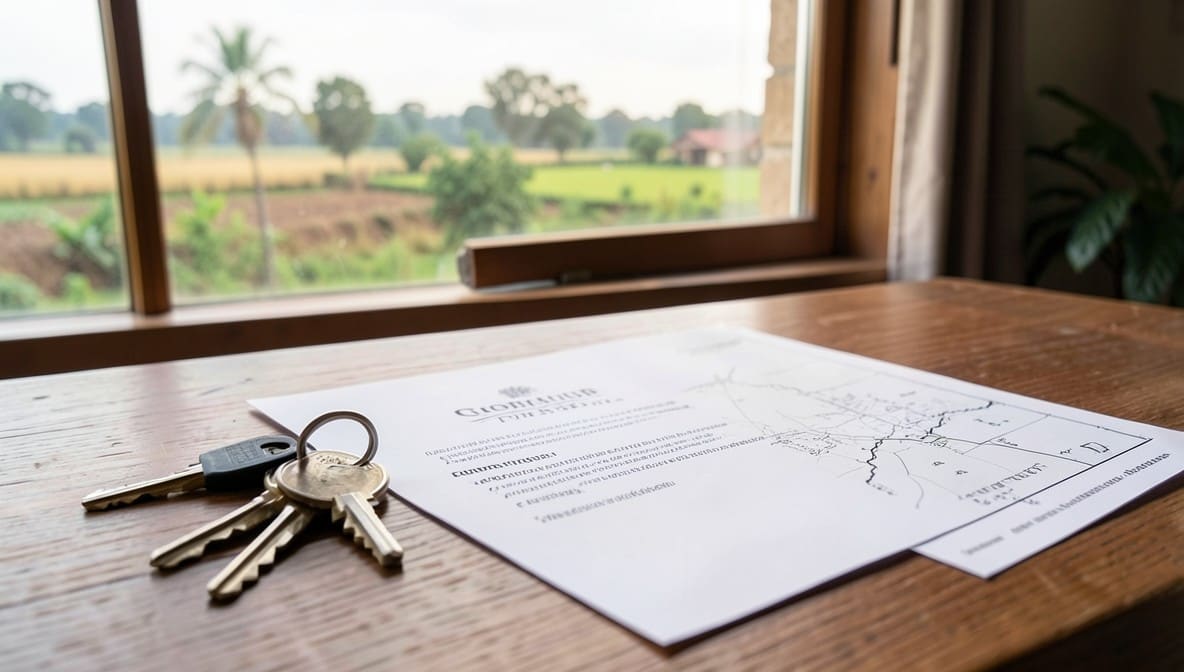
The Delhi High Court has reaffirmed that an agency created under a registered irrevocable General Power of Attorney (GPA) coupled with an interest survives the death of the principal under Section 202 of the Indian Contract Act, 1872. The Court dismissed an appeal challenging a decree for possession, mesne profits, and permanent injunction, holding that the GPA holder had a superior proprietary right over the suit property.
Background & Facts
The Dispute
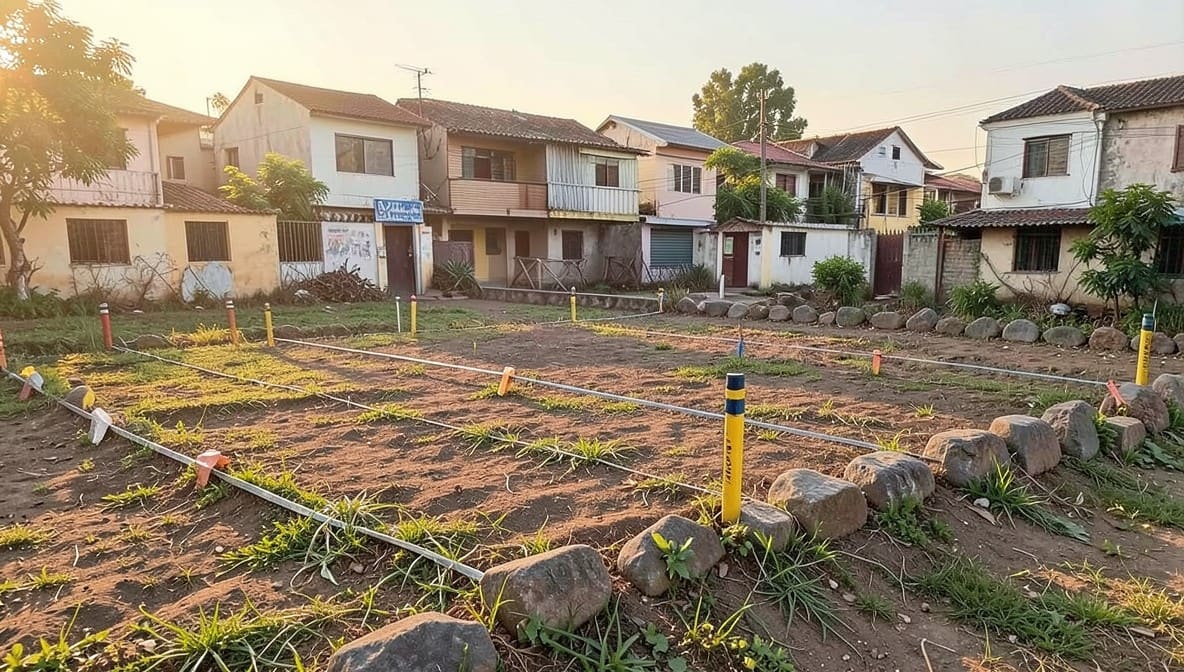
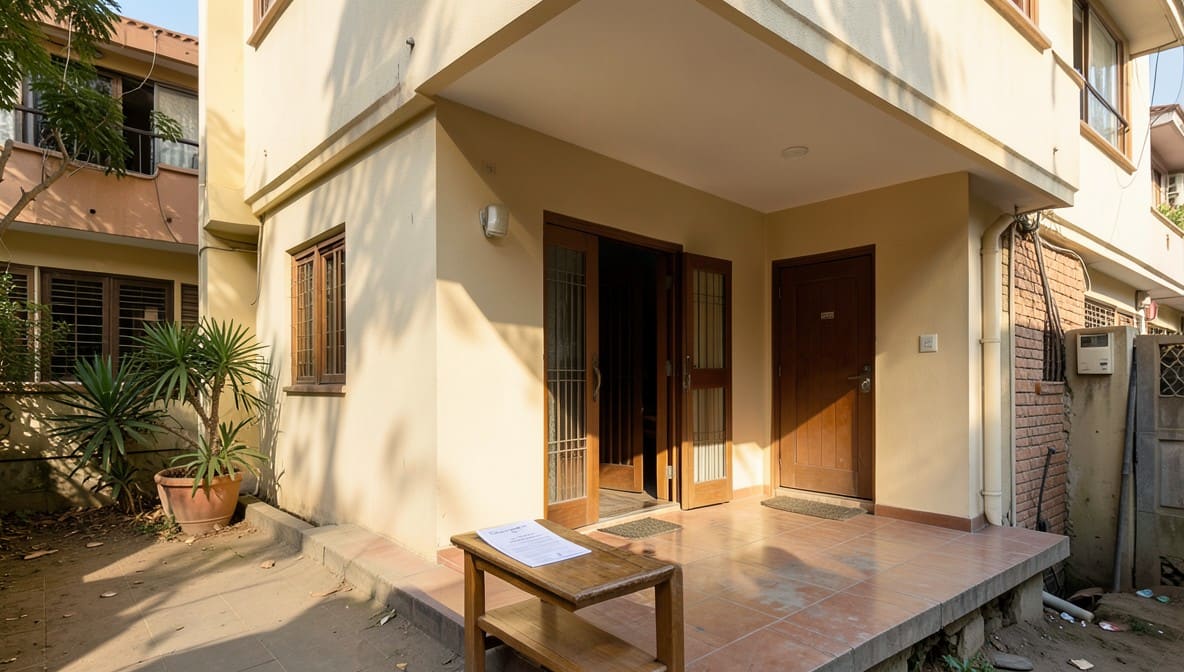
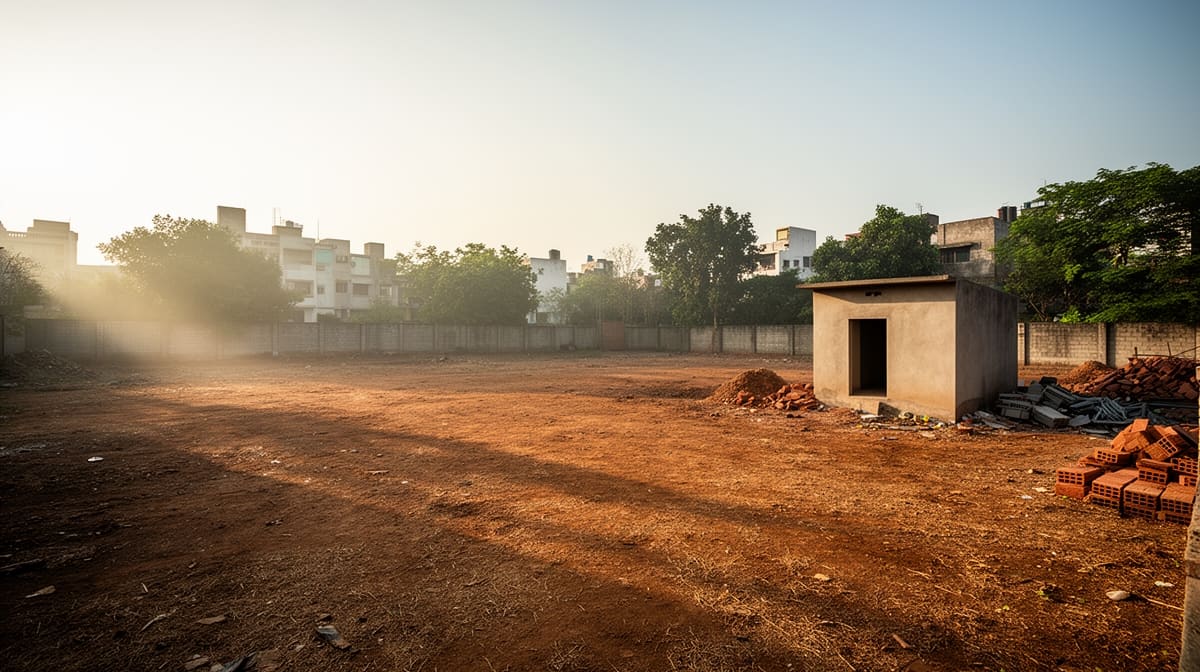
The dispute revolves around two rooms on the first floor of property No. B-27, Road No. 2-3, Gazipur Dairy Farm, Delhi-110096 (suit property). The Respondents/Plaintiffs, Sh. Surender Singh (Plaintiff No. 1) and Sh. Ravinder Singh (Plaintiff No. 2), filed Civil Suit No. 349/2010 (re-numbered as CS No. 258/2015 and later as CS No. 586/2016) for possession, mandatory injunction, permanent injunction, and mesne profits against the Appellant/Defendant No. 1, Smt. Saroj, and Defendant Nos. 2 to 4. The Plaintiffs claimed that Smt. Saroj occupied the two rooms as a licensee for dairy work, while Smt. Saroj asserted ownership based on an alleged oral purchase in 2006.
Key Facts
- Plaintiff No. 1, Sh. Surender Singh, was the original owner of the suit property.
- On 26.03.2010, Plaintiff No. 1 executed a registered irrevocable GPA in favor of Plaintiff No. 2, Sh. Ravinder Singh, for valuable consideration, with contemporaneous delivery of possession.
- Smt. Saroj (Appellant/Defendant No. 1) occupied two rooms on the first floor as a licensee for dairy work, along with her sons (Defendant Nos. 2 to 4).
- Plaintiff No. 1 asked the Defendants to vacate the rooms, but they allegedly turned dishonest and demanded Rs. 50,000 from Plaintiff No. 1.
- Defendant No. 2, Sh. Leelu, filed Civil Suit No. 104/2010 against Plaintiff No. 1, claiming tenancy rights at Rs. 600 per month. The suit was dismissed for want of cause of action on 15.03.2010.
- Plaintiff No. 2 issued three legal notices to the Defendants:
- 07.04.2010: Terminated the license effective 30.04.2010 and demanded mesne profits at Rs. 5,000 per month from 01.05.2010. The notice was returned with the remark "I.D."
- 29.04.2010: Reissued with the correct name of Plaintiff No. 1. The envelopes were returned as "I.D." and later "unclaimed."
- 16.08.2011: Reissued due to Supreme Court directions. Initially returned for incomplete address ("Bina Road Number Ke Pata Adhura hai") and later resent on 24.08.2011 with the road number added. All envelopes were returned as "refused" on 25.08.2011.
- The Defendants allegedly threatened to create third-party interests in the suit property and attempted to forcibly occupy additional rooms. A false FIR No. 151/2011 was registered against Plaintiff No. 2 at Police Station Gazipur.
- Plaintiff No. 1 expired in 2016, and Plaintiff No. 2 was permitted to represent his estate vide Order dated 03.08.2023.
Procedural History
- 13.02.2026: The learned District Judge decreed the suit in favor of the Plaintiffs