Bombay High Court judgments

2134 Bombay High Court judgments explained in plain English: what was decided, the law applied and why it matters. Page 53 of 89.

Natural Justice in Eviction Proceedings | Bombay HC Quashes Coercive Notices Issued Without Hearing Long-Term Leaseholders : Bombay HC
Case Law Analysis
|Bombay High Court

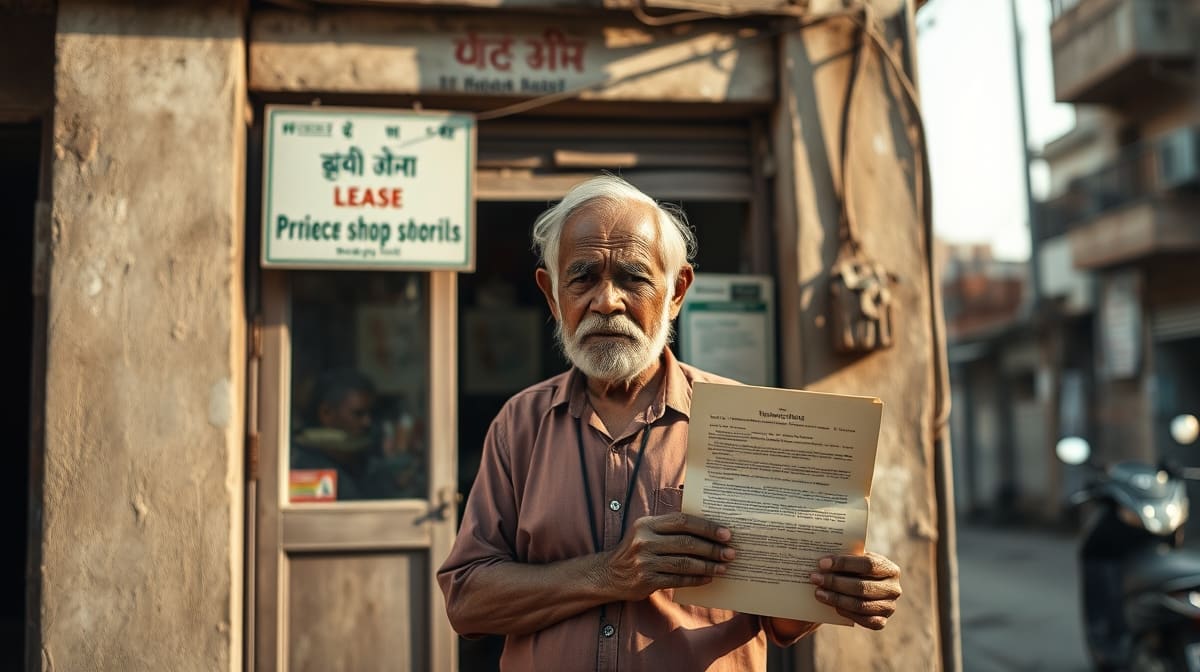
Natural Justice in Eviction Proceedings | Bombay HC Quashes Coercive Notices Issued Without Hearing Long-Term Leaseholders : Bombay HC

Bombay High Court rules that eviction notices issued without affording leaseholders an opportunity of hearing violate principles of natural justice. The court directed the Collector to decide the petitioners' representation within 30 days, emphasizing procedural fairness in administrative actions affecting long-term possession rights.

Section 24 CPC | Wife’s Convenience Trumps Husband’s Choice in Matrimonial Transfer Petitions : Bombay HC Reaffirms Aishwarya Doctrine
Case Law Analysis
|Bombay High Court

Section 24 CPC | Wife’s Convenience Trumps Husband’s Choice in Matrimonial Transfer Petitions : Bombay HC Reaffirms Aishwarya Doctrine

Bombay High Court rules that in transfer petitions under Section 24 CPC, the wife’s logistical hardship-including travel distance, lack of escort, and childcare responsibilities-must outweigh the husband’s choice of forum. The judgment reinforces that matrimonial disputes demand a gender-sensitive approach, prioritizing the wife’s safety and practical constraints over procedural parity.

Successor Employer Liable for Pre-Merger Collective Bargaining Agreements | Bombay HC Upholds Pension Scheme Extension Post-Merger Under Maharashtra Unfair Labour Practices Act
Case Law Analysis
|Bombay High Court

Successor Employer Liable for Pre-Merger Collective Bargaining Agreements | Bombay HC Upholds Pension Scheme Extension Post-Merger Under Maharashtra Unfair Labour Practices Act

Bombay High Court rules that a successor employer must honor pension benefits extended through prior collective bargaining agreements, even after a merger, if employee service continuity is established. The judgment reinforces that unfair labour practices under the Maharashtra Recognition of Trade Unions and Prevention of Unfair Labour Practices Act, 1971, bind successor entities, protecting employee rights in corporate restructuring.

Domestic Enquiry Under Labour Law | Preponderance of Probabilities Suffices for Dismissal Despite Procedural Lapses : Bombay HC
Case Law Analysis
|Bombay High Court

Domestic Enquiry Under Labour Law | Preponderance of Probabilities Suffices for Dismissal Despite Procedural Lapses : Bombay HC

Bombay High Court rules that dismissal in a domestic enquiry can stand on the preponderance of probabilities, even if procedural irregularities exist. The court upheld the dismissal where the workman admitted to possessing an unauthorized item, reinforcing that substantive evidence outweighs technical flaws in disciplinary proceedings.

Natural Justice in CIRP Withdrawal | IRP and Objecting Creditors Must Be Heard, Not Suspended Directors or Unrepresented Creditors : Bombay HC
Case Law Analysis
|Bombay High Court

Natural Justice in CIRP Withdrawal | IRP and Objecting Creditors Must Be Heard, Not Suspended Directors or Unrepresented Creditors : Bombay HC

Bombay HC rules that principles of natural justice in Corporate Insolvency Resolution Process (CIRP) withdrawal applications are satisfied by hearing the Interim Resolution Professional (IRP) and objecting financial creditors, excluding suspended directors or unrepresented creditors. The ruling clarifies the scope of audi alteram partem in IBC proceedings, impacting creditor participation rights.

Eyewitness Identification Without Corroboration Insufficient for Conviction | Bombay HC Acquits in Murder Case Under Section 134 CrPC : Bombay HC
Case Law Analysis
|Bombay High Court

Eyewitness Identification Without Corroboration Insufficient for Conviction | Bombay HC Acquits in Murder Case Under Section 134 CrPC : Bombay HC

The Bombay High Court acquitted appellants in a murder case after finding eyewitness testimony unreliable and entirely uncorroborated by physical or forensic evidence. This reinforces that conviction cannot rest on single, unverified eyewitness accounts - a critical safeguard for accused persons in cases lacking objective proof. The ruling impacts prosecutors and trial courts across Maharashtra where eyewitness-driven cases dominate.

Section 7(7) Payment of Gratuity Act | Appellate Authorities Cannot Condone Delay Beyond 120 Days from Receipt of Order : Bombay HC
Case Law Analysis
|Bombay High Court

Section 7(7) Payment of Gratuity Act | Appellate Authorities Cannot Condone Delay Beyond 120 Days from Receipt of Order : Bombay HC

The Bombay High Court has ruled that the 120-day outer limit for filing appeals under Section 7(7) of the Payment of Gratuity Act is absolute and non-extendable, even for compelling reasons. This clarifies that statutory limitation periods in labour law are jurisdictional barriers, not mere procedural hurdles - directly impacting employers and employees seeking gratuity redressal after prolonged delays.

Writ Petition Withdrawal | Single Petitioner’s Consent Cannot Bind Co-Petitioners Without Express Authorization : Bombay HC
Case Law Analysis
|Bombay High Court

Writ Petition Withdrawal | Single Petitioner’s Consent Cannot Bind Co-Petitioners Without Express Authorization : Bombay HC

The Bombay High Court ruled that when multiple petitioners file a joint writ petition, the unilateral withdrawal by one petitioner does not extinguish the rights of others unless explicitly authorized. This upholds procedural fairness in collective litigation and ensures that co-petitioners retain their standing to pursue remedies even when others opt out, reinforcing the autonomy of individual legal claims within joint proceedings.

Section 166 MV Act | Pillion Rider Covered Under Comprehensive Insurance Policy; Insurer Liable for Compensation : Bombay HC Aurangabad Bench
Case Law Analysis
|Bombay High Court

Section 166 MV Act | Pillion Rider Covered Under Comprehensive Insurance Policy; Insurer Liable for Compensation : Bombay HC Aurangabad Bench

The Bombay High Court has held that a pillion rider is a third party under comprehensive motor insurance, making the insurer jointly liable for compensation in accident claims. This ruling overrides insurer arguments excluding pillion riders and aligns with the protective intent of the Motor Vehicles Act, affecting millions of two-wheeler users across India.

Order VIII Rule 9 CPC | Clear Admissions in Original Written Statement Cannot Be Overridden by Later Leave to File Additional Pleading : Bombay HC
Case Law Analysis
|Bombay High Court

Order VIII Rule 9 CPC | Clear Admissions in Original Written Statement Cannot Be Overridden by Later Leave to File Additional Pleading : Bombay HC

The Bombay High Court has ruled that defendants cannot use leave to file an additional written statement to retract or contradict clear, unambiguous admissions made in their original pleadings, even if the error stems from counsel’s inadvertence. This reinforces the finality of pleadings under CPC and prevents tactical manipulation of procedural leeway, directly impacting litigants and practitioners in commercial disputes where admissions shape summary judgment outcomes.

Section 25 Evidence Act & Section 65-B Certificate Mandatory | Bombay HC Acquits Accused in POCSO Murder Case Over Procedural Lapses : Bombay HC
Case Law Analysis
|Bombay High Court

Section 25 Evidence Act & Section 65-B Certificate Mandatory | Bombay HC Acquits Accused in POCSO Murder Case Over Procedural Lapses : Bombay HC

Bombay High Court ruled that confessions lacking signatures are inadmissible under Section 25 of the Evidence Act, and CCTV evidence without a Section 65-B certificate cannot be relied upon. The acquittal in this POCSO murder case underscores the critical role of procedural compliance in criminal trials, impacting admissibility of key evidence.

Motor Insurance Liability | Insurer Must Prove Policy Exclusion for Gratuitous Passengers Under Section 149 MV Act : Bombay HC Nagpur Bench
Case Law Analysis
|Bombay High Court

Motor Insurance Liability | Insurer Must Prove Policy Exclusion for Gratuitous Passengers Under Section 149 MV Act : Bombay HC Nagpur Bench

The Bombay High Court ruled that insurers cannot deny liability for injuries to gratuitous passengers merely by alleging policy exclusions-they must produce the actual policy terms and prove the exclusion was clearly communicated and paid for. This shifts the burden of proof squarely onto insurers, protecting innocent passengers in rural and informal transport settings where coverage is often assumed.

Co-operative Housing Society Eviction | Due Process Required to Vacate Dangerous Building Despite Redevelopment Rights : Bombay HC
Case Law Analysis
|Bombay High Court

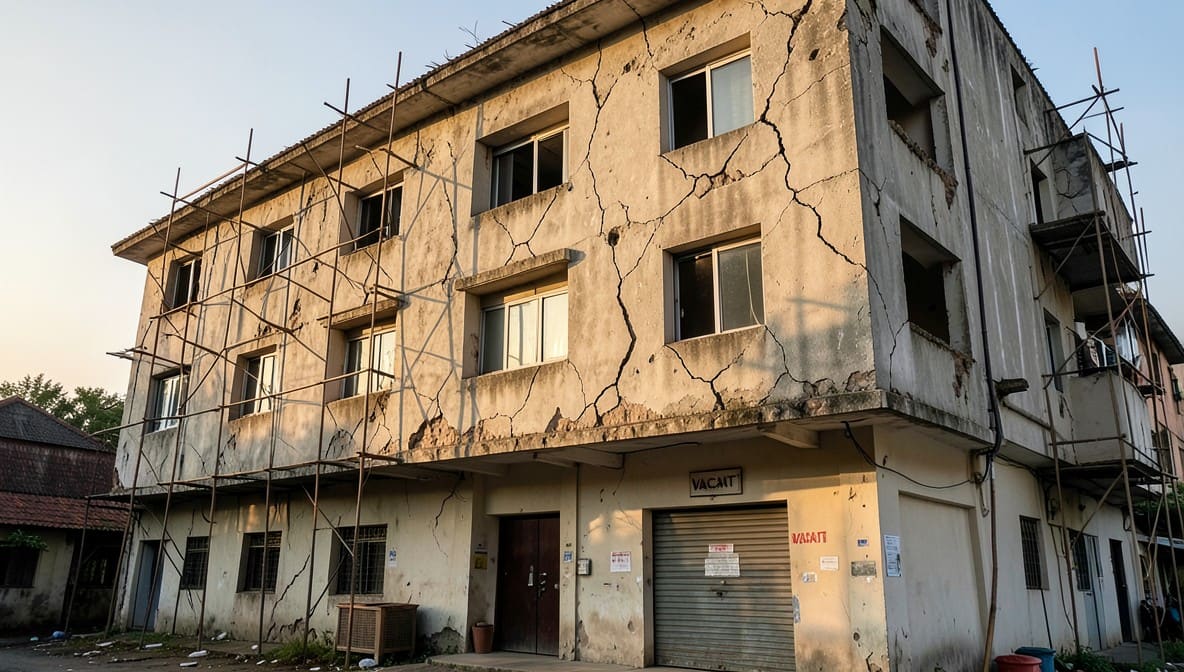
Co-operative Housing Society Eviction | Due Process Required to Vacate Dangerous Building Despite Redevelopment Rights : Bombay HC

The Bombay High Court ruled that even when a co-operative society seeks to vacate a dilapidated building for redevelopment, due process must be followed to evict a holdout member. The court mandated municipal authorities to enforce evacuation after 13 of 14 members had left, affirming that public safety overrides individual resistance - but only if legal procedures are strictly observed. This sets a critical precedent for housing societies balancing redevelopment goals with constitutional rights to fair hearing and property.

Preponderance of Probability Standard Applies to Covid-19 Death Claims for Compassionate Employment & Ex Gratia | Bombay HC
Case Law Analysis
|Bombay High Court

Preponderance of Probability Standard Applies to Covid-19 Death Claims for Compassionate Employment & Ex Gratia | Bombay HC

The Bombay High Court has ruled that for compassionate employment and ex gratia claims arising from Covid-19 deaths in service, the standard of proof is preponderance of probability-not proof beyond reasonable doubt. This lowers the burden for families of frontline workers and sets a critical precedent for public sector employers nationwide when evaluating pandemic-related service deaths.

POCSO Act | School Records Supersede Contradictory Victim Testimony to Establish Minor Status : Bombay HC
Case Law Analysis
|Bombay High Court

POCSO Act | School Records Supersede Contradictory Victim Testimony to Establish Minor Status : Bombay HC

The Bombay High Court held that school records constitute conclusive evidence of a victim's age under the POCSO Act, even when the victim's own testimony contradicts it. This reinforces that documentary proof from official institutions overrides inconsistent oral accounts, ensuring consistent protection for minors regardless of testimonial reliability or lack of medical evidence.

SEBI Master Circular | Broker’s Duty to Provide Real-Time Trade Confirmation Overrides Contractual Disclaimers After Glitch : Bombay HC
Case Law Analysis
|Bombay High Court

SEBI Master Circular | Broker’s Duty to Provide Real-Time Trade Confirmation Overrides Contractual Disclaimers After Glitch : Bombay HC

The Bombay High Court has ruled that brokers cannot evade liability for failing to deliver accurate real-time trade confirmations during exchange glitches, even when client agreements contain risk disclaimers. This decision enforces SEBI’s regulatory mandate as a non-negotiable statutory obligation, directly impacting all registered brokers and retail investors relying on timely trade data for risk management.

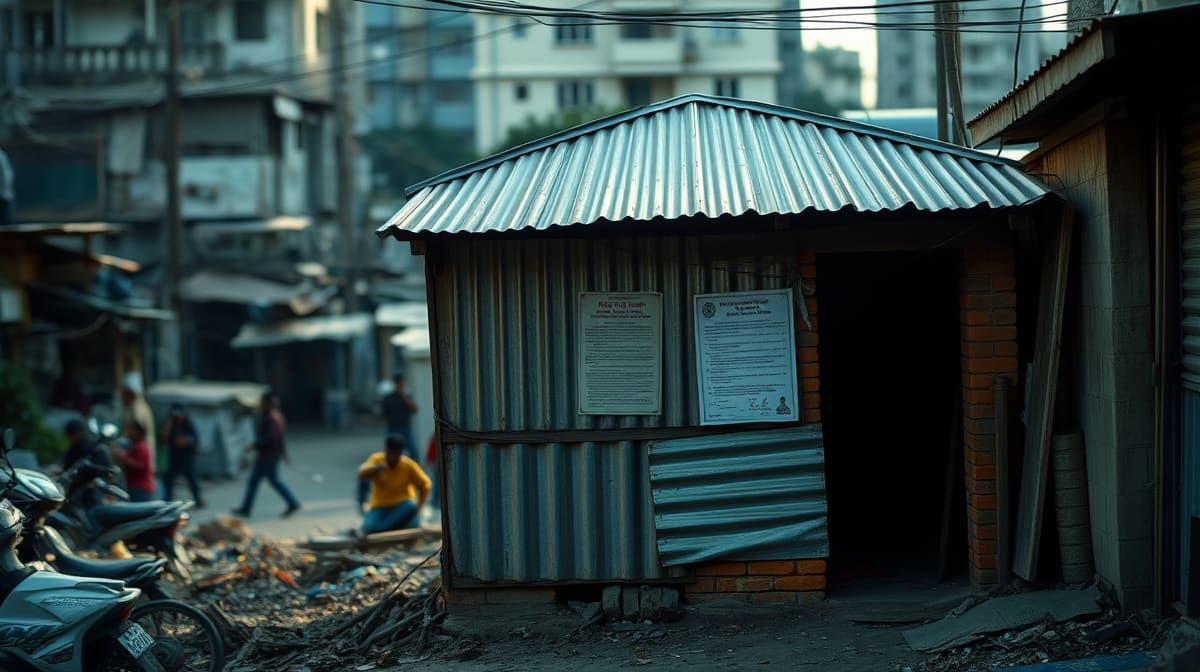
Section 3(1) Maharashtra Slum Areas Act, 1971 | Municipalities Lack Authority to Demolish Protected Slum Structures; Reconstruction Permitted After Illegal Demolition : Bombay HC
Case Law Analysis
|Bombay High Court

Section 3(1) Maharashtra Slum Areas Act, 1971 | Municipalities Lack Authority to Demolish Protected Slum Structures; Reconstruction Permitted After Illegal Demolition : Bombay HC

The Bombay High Court has ruled that municipal corporations cannot demolish structures in officially declared slum areas without violating the Maharashtra Slum Areas Act, 1971. Where demolition is found illegal, the affected resident has the right to reconstruct the dwelling, but compensation claims not raised in the original suit cannot be introduced for the first time on appeal.

Compassionate Employment & Ex-Gratia | Covid-19 Death Proven by Clinical Symptoms & Official Certification, Not RTPCR, Suffices : Bombay HC
Case Law Analysis
|Bombay High Court

Compassionate Employment & Ex-Gratia | Covid-19 Death Proven by Clinical Symptoms & Official Certification, Not RTPCR, Suffices : Bombay HC

The Bombay High Court ruled that families of frontline workers who died from Covid-19 are entitled to compassionate employment and ₹50 lakh ex-gratia even without a positive RTPCR test, if death is certified by medical professionals under pandemic protocols. This sets a critical precedent for public sector employers to prioritize clinical and administrative evidence over rigid testing requirements during public health emergencies.

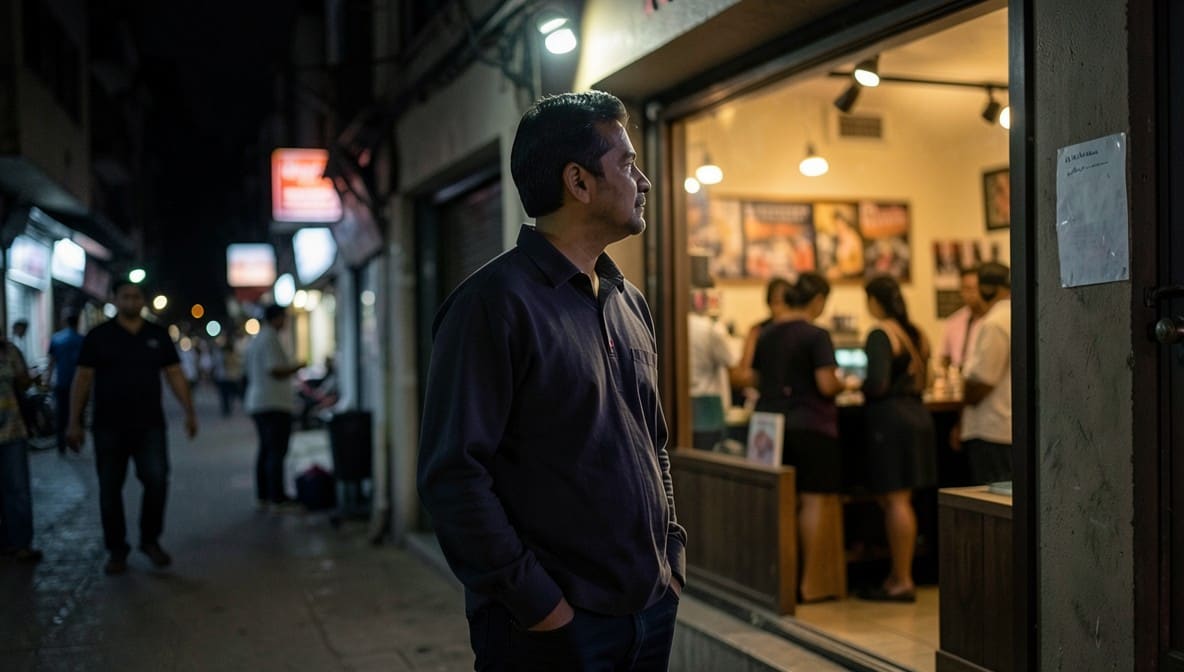
Mere Presence at Hookah Bar Insufficient for Criminal Liability Under COTPA & IPC 34 : Bombay HC
Case Law Analysis
|Bombay High Court

Mere Presence at Hookah Bar Insufficient for Criminal Liability Under COTPA & IPC 34 : Bombay HC

The Bombay High Court quashed criminal proceedings against a customer present at a hookah bar, holding that attendance without active participation or intent cannot attract liability under COTPA or Section 34 of the IPC. This reinforces that personal liberty cannot be curtailed based on association alone, setting a critical precedent for patrons in regulated establishments facing overbroad enforcement.

Section 24 HMA | Agricultural Income Alone Does Not Disqualify Wife from Interim Maintenance : Bombay HC Reaffirms Rajnesh v. Neha Disclosure Norms
Case Law Analysis
|Bombay High Court

Section 24 HMA | Agricultural Income Alone Does Not Disqualify Wife from Interim Maintenance : Bombay HC Reaffirms Rajnesh v. Neha Disclosure Norms

Bombay HC Aurangabad Bench rules that mere ownership of agricultural land or crop insurance payouts does not automatically prove a wife's financial independence for denying interim maintenance under Section 24 of the Hindu Marriage Act. The court emphasized that non-disclosure of income via affidavit, as mandated in Rajnesh v. Neha, remains a prerequisite for maintenance adjudication.