The Bombay High Court has clarified that mere presence at a location where an offence is alleged, without any corroborating evidence of participation or intent, cannot form the basis of criminal prosecution. This judgment reinforces the principle that criminal liability requires affirmative acts or omissions, not passive association.
Background & Facts
The Dispute
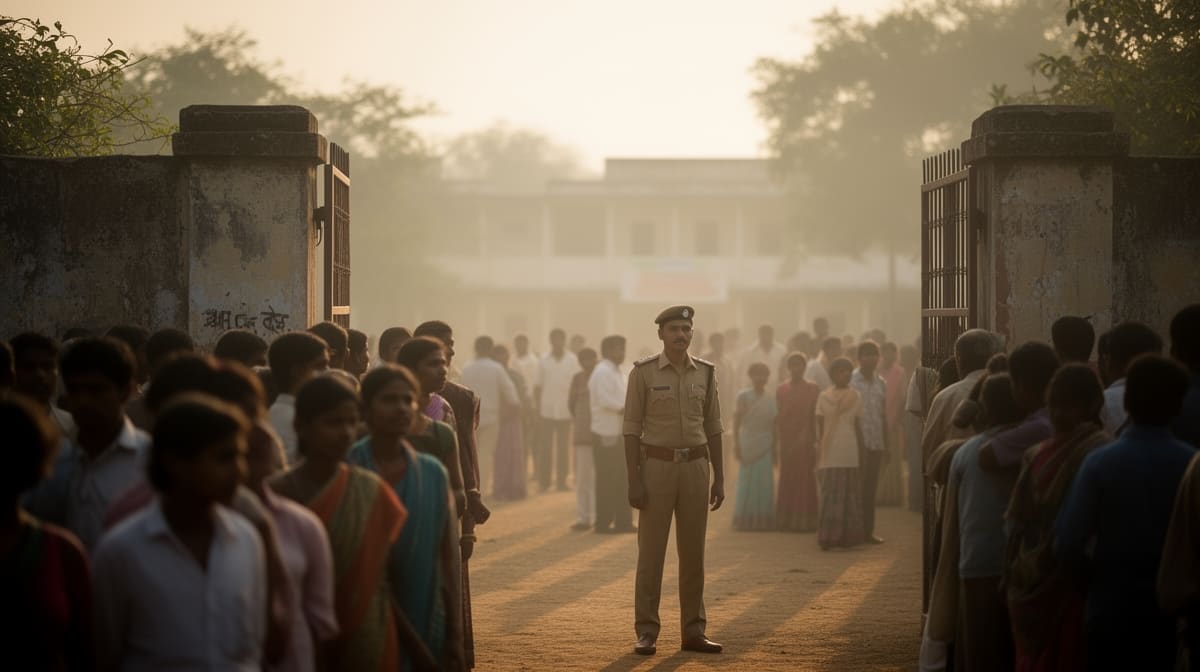
The dispute arises from a raid conducted by the Crime Branch Enforcement Cell at "Epitome Global Dining and Bar", located at Mathuranandan Das Mill Compound, N.M. Joshi Marg, Lower Parel (West), Mumbai, on 22.03.2020. The raid was triggered by confidential information alleging illegal serving of hookah containing tobacco at the establishment, in violation of the Cigarettes and Other Tobacco Products (Prohibition of Advertisement and Regulation of Trade and Commerce, Production, Supply and Distribution) Act, 2003 (COTPA) and the Indian Penal Code, 1860.
Key Facts
- The establishment was raided on 22.03.2020 by the Crime Branch Enforcement Cell
- Approximately 120 individuals, including staff, management, and customers, were detained during the raid
- A Panchanama was prepared and objectionable items (hookahs with tobacco) were seized
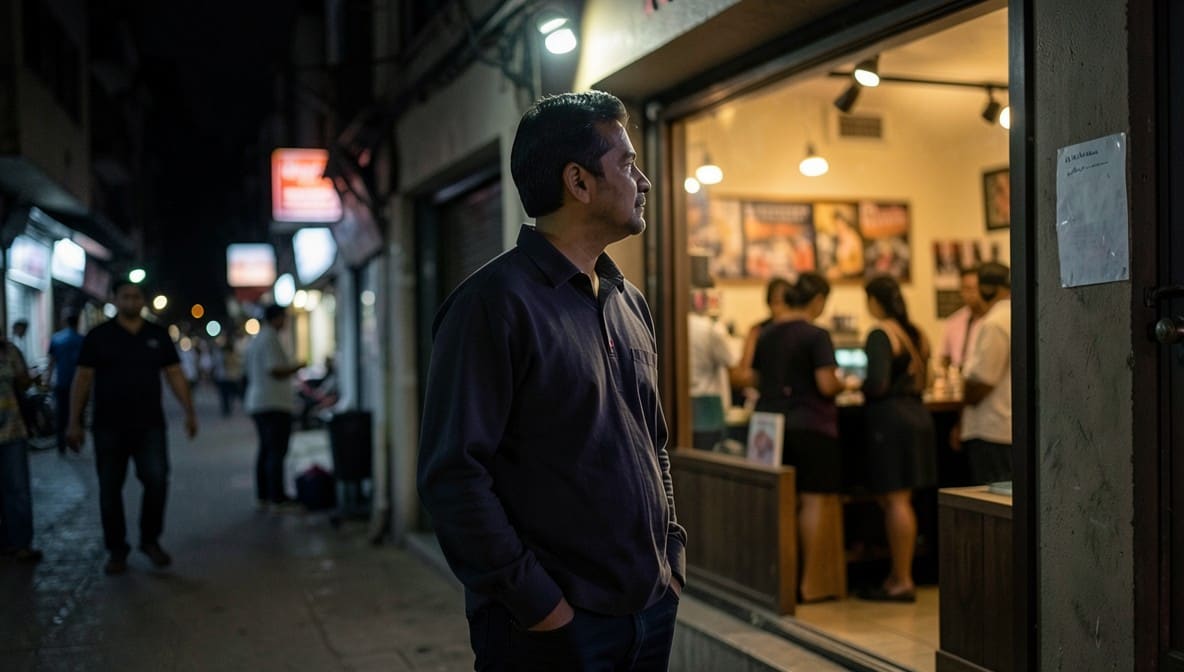
- The Petitioner, Jhanvi Mehta, aged 24 and a student, was identified as one of the 90 customers present
- No evidence was collected linking the Petitioner to the preparation, sale, service, or management of the hookah
- The Petitioner was not named in any witness statement, seizure memo, or inventory list as an active participant
Procedural History
- 22.03.2020: Raid conducted at Epitome Global Dining and Bar
- 26.11.2022: First Information Report (C.R. No. 1064 of 2022) registered at N.M. Joshi Marg Police Station, Mumbai
- Criminal Case No. 4140/PS/2023: Charge-sheet filed before Judicial Magistrate First Class, 13th Court, Bhoiwada, Sewree, Mumbai
- 2025: Criminal Writ Petition No. 1171 of 2025 filed before the Bombay High Court under Article 226 of the Constitution read with Section 528 of the Bharatiya Nagarik Suraksha Sanhita, 2023 (equivalent to Section 482 CrPC)
The Parties' Positions
Petitioner (Jhanvi Mehta): Argued that she was merely a customer present at the establishment during the raid. No allegation in the FIR or charge-sheet connects her to the commission of any offence under IPC Sections 285, 336 read with Section 34, or under COTPA Sections 47, 21, 4A, or 21A. Her name appears only as "customer" without any factual basis for criminal liability.
Respondent (State of Maharashtra): Conceded that apart from the label "customer" in the FIR and charge-sheet, there is no other material, evidence, or witness statement implicating the Petitioner in any offence.
Relief Sought
The Petitioner sought quashing of the Impugned FIR (C.R. No. 1064 of 2022) and the resulting charge-sheet (Criminal Case No. 4140/PS/2023) against her, on grounds of abuse of process of law and absence of any prima facie case.
The Legal Issue
The central question was whether mere presence as a customer at a premises where an offence under IPC or COTPA is alleged, without any evidence of participation, intent, or active involvement, is sufficient to attract criminal liability under Sections 285, 336 read with Section 34 IPC and Sections 47, 21, 4A, 21A of COTPA.
Arguments Presented
For the Petitioner
The Petitioner’s counsel argued that criminal liability under Section 34 IPC requires common intention, which cannot be inferred from passive presence alone. He cited State of Haryana v. Bhagwan Singh and Rajendra Prasad v. State of U.P. to emphasize that the law does not criminalize association without proof of participation. He further contended that the FIR and charge-sheet lacked any specific act attributable to the Petitioner, rendering them legally unsustainable and an abuse of process under Section 528 of the Bharatiya Nagarik Suraksha Sanhita, 2023.
For the Respondent
The Additional Public Prosecutor conceded that no evidence - witness testimony, forensic reports, surveillance footage, or statements - linked the Petitioner to the alleged offences. She acknowledged that the Petitioner’s inclusion in the FIR and charge-sheet was based solely on her presence during the raid, with no independent material to establish mens rea or actus reus.
The Court's Analysis
The Court examined the contents of the FIR and charge-sheet and found no allegation beyond the Petitioner’s designation as a "customer". The judgment emphasized that Section 34 IPC requires proof of common intention, which cannot be presumed from mere presence. Similarly, Section 285 IPC (negligent conduct with respect to fire or combustible matter) and Section 336 IPC (act endangering life or personal safety of others) require affirmative acts or omissions by the accused, not passive attendance.
"Mere presence of the Petitioner at the establishment without any material is not sufficient to attract the offences mentioned in the impugned FIR and the charge-sheet."
The Court further noted that COTPA imposes liability on persons involved in the sale, distribution, or service of tobacco products, not on consumers. The Petitioner, as a customer, was not engaged in any prohibited activity under COTPA. The Court held that the Investigating Agency had failed to collect even prima facie evidence against the Petitioner, and continuing the prosecution would amount to harassment and abuse of the judicial process.
The Court also referenced the principle in Arnesh Kumar v. State of Bihar that arrest and prosecution must be based on credible material, not on blanket inclusion of all persons present at a scene.
The Verdict
The Petitioner succeeded. The Court quashed the Impugned FIR bearing C.R. No. 1064 of 2022 and the charge-sheet in Criminal Case No. 4140/PS/2023 against the Petitioner. No costs were awarded. The prosecution against the Petitioner is terminated with immediate effect.
What This Means For Similar Cases
Presence Alone Cannot Sustain Criminal Charges
- Practitioners must challenge FIRs and charge-sheets that rely solely on "presence" as the basis of liability
- Courts will not permit prosecution of bystanders, customers, or passersby without evidence of active participation
- This precedent applies equally to offences under COTPA, IPC, and other regulatory statutes
Burden of Proof Remains on the Prosecution
- The prosecution must establish specific acts or omissions attributable to the accused
- Mere inclusion in a Panchanama or list of detained persons does not constitute evidence
- Defence counsel should move for quashing under Section 482 CrPC or Section 528 BNSS at the earliest opportunity
COTPA Liability Is Limited to Regulated Entities
- Consumers are not liable under COTPA for using tobacco products
- Liability attaches only to vendors, sellers, or operators who violate advertising or sale restrictions
- This judgment clarifies a common misconception in enforcement practices