The Bombay High Court has clarified that an insurance company cannot deny liability for injuries to a gratuitous passenger merely on the ground that the passenger was not a paying occupant, if the policy terms are not substantiated with documentary evidence. This ruling reinforces the principle that insurers bear the burden of proving exclusions under motor insurance policies.
Background & Facts
The Dispute
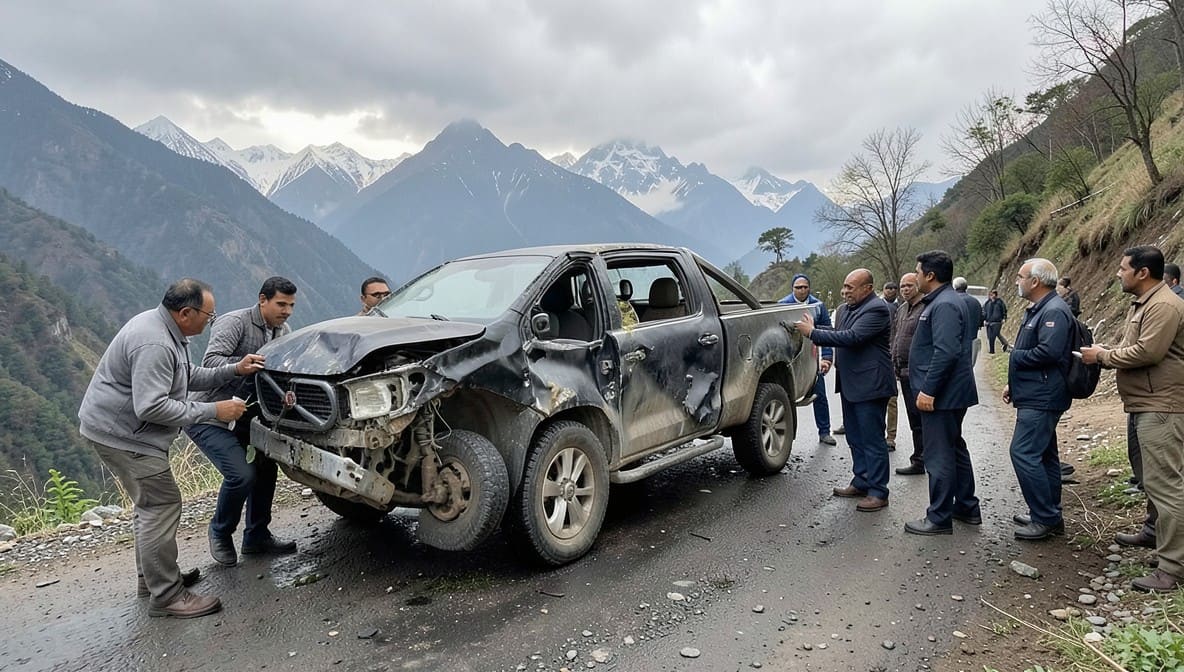
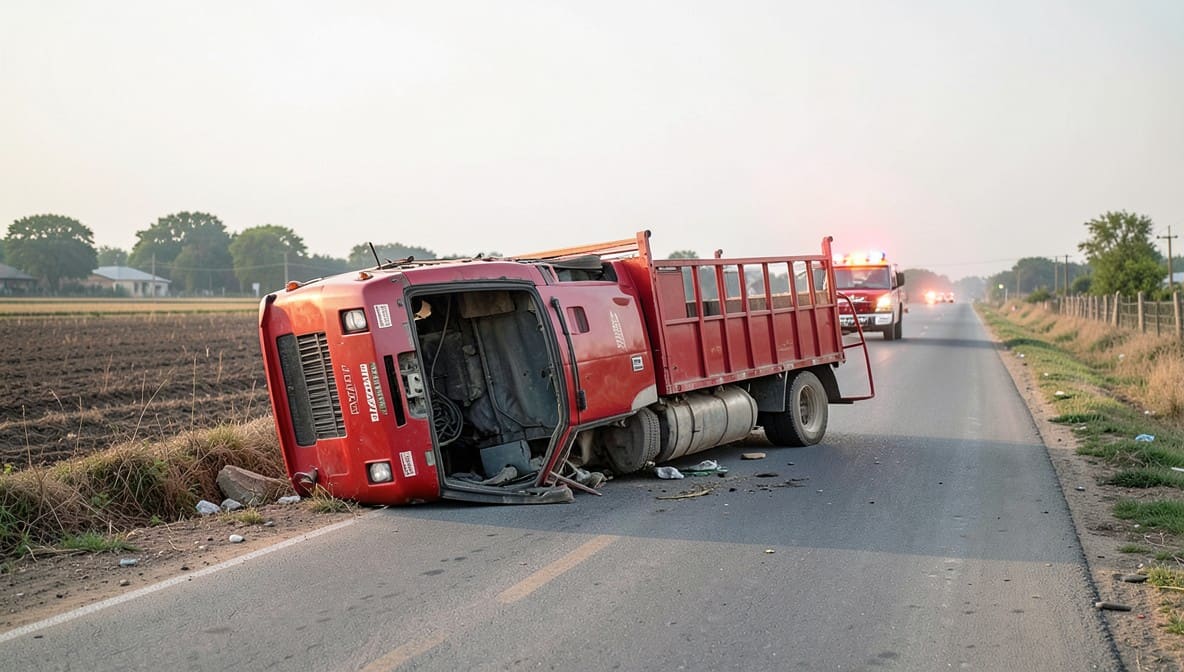
The dispute arose from a motor accident that occurred on 27.05.2007, when Respondent No.1 (Santosh S/o Vithobaji Thakare), a labourer, was travelling in the trolley attached to a tractor registered in the name of Respondent No.3 (Arvind Nagarkar). The tractor was insured with the Appellant, Iffco Tokio General Insurance Co. Ltd. The trolley, used for agricultural transport, overturned during transit, causing injury to Santosh. He filed a claim petition before the Motor Accident Claims Tribunal, Yavatmal, seeking compensation for his injuries.
Key Facts
- The accident occurred on 27.05.2007.
- The tractor was insured under a policy issued by Iffco Tokio General Insurance Co. Ltd.
- The claimant was a gratuitous passenger, not a paying occupant, travelling in the trolley as part of his labour duties.
- The insurer claimed the policy was a "package policy" excluding coverage for labourers or non-paying passengers.
- The insurer produced only a "Cover Note" (Exh.56) and failed to produce the original policy document.
- The insurer’s witness, a branch manager, admitted under cross-examination that the policy document mentioned coverage for "passengers".
- The insurer received a premium of Rs.4,500/- but could not explain what heads of risk this premium covered.
- No endorsement or rider excluding labourers or gratuitous passengers was produced.
Procedural History
- 27.05.2007: Motor accident occurred.
- 2007: Claim Petition No.346/2007 filed before Motor Accident Claims Tribunal, Yavatmal.
- 30.09.2014: Tribunal awarded compensation of Rs.66,900/- with interest at 7.5% p.a. from the date of filing.
- 2016: Appeal No.304/2016 filed before the Bombay High Court, Nagpur Bench, under Section 173 of the Motor Vehicles Act, 1988.
- 25.03.2026: Judgment delivered by the High Court.
The Parties' Positions
Appellant (Iffco Tokio): Contended that the claimant was a gratuitous passenger and the policy was a package policy excluding coverage for labourers or non-paying occupants. Relied on Rule 28 of the Road Regulations, 1989 and National Insurance Co. Ltd. v. Bommithi Subbhayamma (2005) 12 SCC 243.
Respondents (Claimant and vehicle owners): Argued that the insurer failed to prove any exclusion. The policy, as admitted by its own witness, mentioned coverage for passengers. The absence of the original policy and failure to explain the premium allocation rendered the exclusion claim unsubstantiated.
Relief Sought
The Appellant sought to set aside the Tribunal’s award of Rs.66,900/- with 7.5% interest, arguing no liability existed due to policy exclusions. The Respondents sought confirmation of the award.
The Legal Issue
The central question was whether an insurer can deny liability for injury to a gratuitous passenger under a motor insurance policy when it fails to produce the policy document and cannot prove that such passengers were explicitly excluded.
Arguments Presented
For the Appellant
The Appellant relied on National Insurance Co. Ltd. v. Bommithi Subbhayamma to argue that gratuitous passengers are not covered unless expressly included. It contended that the policy was a package policy limited to agricultural use and driver risk, and that no additional premium was paid for passenger coverage. Rule 28 of the Road Regulations, 1989 was cited to support the exclusion of non-paying occupants.
For the Respondent
The Respondents argued that the insurer bore the burden of proving exclusions under the policy. The insurer’s own witness admitted that the policy mentioned coverage for "passengers". The failure to produce the policy or explain the Rs.4,500/- premium rendered the exclusion claim speculative. The Tribunal correctly held that the insurer’s silence and non-production of documents amounted to suppression.
The Court's Analysis
The Court examined the insurer’s failure to discharge its burden of proving policy exclusions. It emphasized that under the Motor Vehicles Act, insurance policies are statutory instruments designed to protect third parties, and exclusions must be clearly communicated and proven.
"It is significant to note here that even though Non-applicant No.4 admitted the cover note Exh.57, has not filed on record the copy of Policy. So also though towards policy Non-applicant No.4 received premium of Rs.4,500/- no details of said premium placed on record. In fact it was binding on Non-applicant No.4 to produce the copy of policy and details of premium, when they are raising objection that the risk of the deceased and occupants in the tractor and trolley is not covered in the policy."
The Court noted that the insurer’s witness, under cross-examination, admitted the policy document referred to "passengers" - a term that logically includes gratuitous passengers unless specifically excluded. The absence of any endorsement, rider, or clear exclusion clause, coupled with the failure to produce the policy, rendered the insurer’s defence legally unsustainable.
The Court distinguished National Insurance Co. Ltd. v. Bommithi Subbhayamma on the ground that in that case, the policy terms were clearly documented and exclusions were proven. Here, no such documentation existed. The Court held that the Tribunal’s appreciation of evidence was correct and that the insurer’s conduct amounted to an attempt to suppress material facts.
The Verdict
The appeal was dismissed with no order as to costs. The Tribunal’s award of Rs.66,900/- with interest at 7.5% per annum from the date of filing of the claim petition (2007) was upheld. The record was directed to be sent back to the Tribunal.
What This Means For Similar Cases
Insurers Must Prove Exclusions with Documentary Evidence
- Practitioners must insist that insurers produce the full policy document when exclusions are pleaded.
- Failure to produce the policy, even if a cover note is submitted, renders exclusion claims unproven.
- Premium receipts without breakdown cannot substitute for policy terms.
Gratuitous Passengers Are Not Automatically Excluded
- The term "passenger" in motor policies is broad and includes non-paying occupants unless explicitly excluded.
- Rule 28 of the Road Regulations does not override statutory insurance obligations under the Motor Vehicles Act.
- Courts will not allow insurers to rely on unproven oral assertions to deny compensation.
Burden of Proof Lies Heavily on the Insurer
- The insurer bears the burden of proving the existence and scope of exclusions.
- Silence, non-production of documents, and inconsistent testimony will be construed against the insurer.
- This judgment reinforces the principle that insurance policies are contracts of utmost good faith (uberrimae fidei).