Bombay High Court judgments

2128 Bombay High Court judgments explained in plain English: what was decided, the law applied and why it matters. Page 22 of 89.

ACPS Second Promotion After 24 Years | Autonomous Body Employees Entitled to Benefits If Funded Internally: Bombay HC Aurangabad Bench
Case Law Analysis
|Bombay High Court

ACPS Second Promotion After 24 Years | Autonomous Body Employees Entitled to Benefits If Funded Internally: Bombay HC Aurangabad Bench

Bombay High Court holds that employees of autonomous bodies like WALMI are entitled to the second Assured Career Progression Scheme (ACPS) promotion after 24 years of service, provided the funding is internal. The court quashed the State’s order for salary differential recovery and mandated arrears release within six months, reinforcing natural justice in career progression schemes.


Equal Pay for Equal Work | Contractual NHM Ambulance Drivers Entitled to Regular Pay Scale & Regularization Under State GR: Bombay HC Aurangabad Bench
Case Law Analysis
|Bombay High Court

Equal Pay for Equal Work | Contractual NHM Ambulance Drivers Entitled to Regular Pay Scale & Regularization Under State GR: Bombay HC Aurangabad Bench

Bombay High Court Aurangabad Bench rules that contractual ambulance drivers under the National Health Mission with over 14 years of service must be paid at the regular pay scale and considered for regularization, reinforcing the principle of equal pay for equal work. The judgment mandates compliance with the State Government Resolution dated 04/12/2024, ensuring wage parity and procedural fairness for long-term contractual employees.

MCS Act Section 32 | Rs.2/Page Document Inspection Right Enforceable; Writ Jurisdiction Barred for FIR, Section 88 Enquiry, or Office-Bearer Removal : Bombay HC
Case Law Analysis
|Bombay High Court

MCS Act Section 32 | Rs.2/Page Document Inspection Right Enforceable; Writ Jurisdiction Barred for FIR, Section 88 Enquiry, or Office-Bearer Removal : Bombay HC

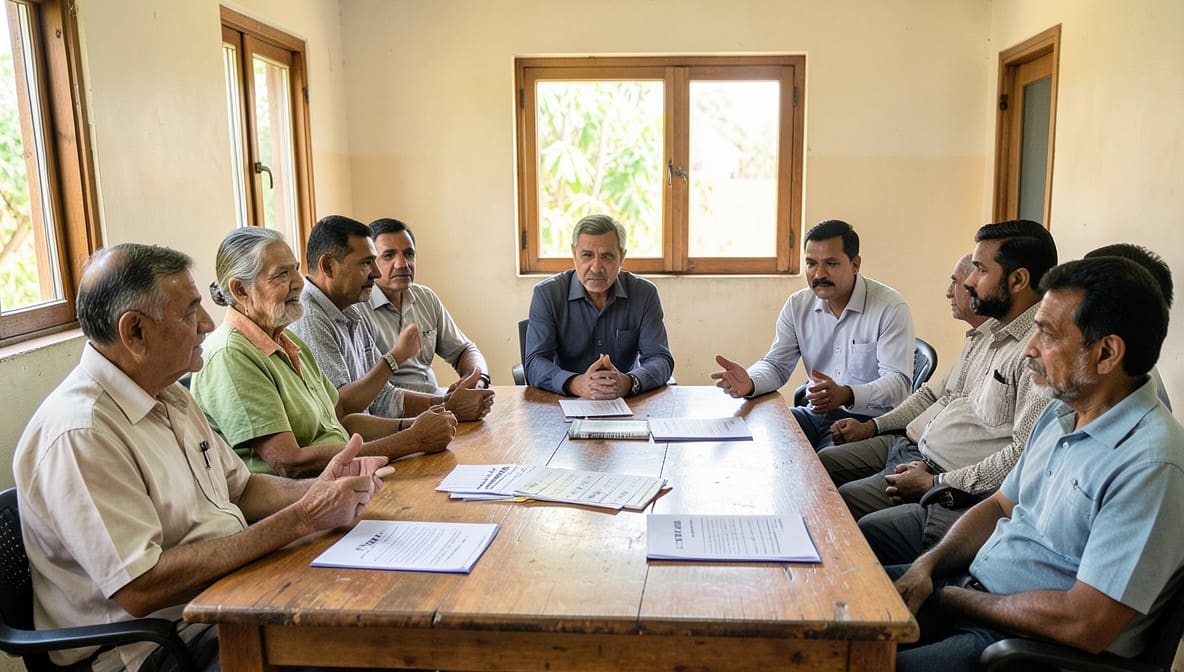
Bombay HC affirms co-operative society members' statutory right to inspect documents at Rs.2/page under Section 32 of the Maharashtra Co-operative Societies Act. However, writ petitions cannot bypass statutory remedies for FIR registration, Section 88 enquiries, or removal of office-bearers, reinforcing the exhaustion doctrine for co-operative disputes.

RERA Section 18 | Statutory Right to Interest for Delayed Possession Overrides Contract Act Section 55 : Bombay HC
Case Law Analysis
|Bombay High Court

RERA Section 18 | Statutory Right to Interest for Delayed Possession Overrides Contract Act Section 55 : Bombay HC

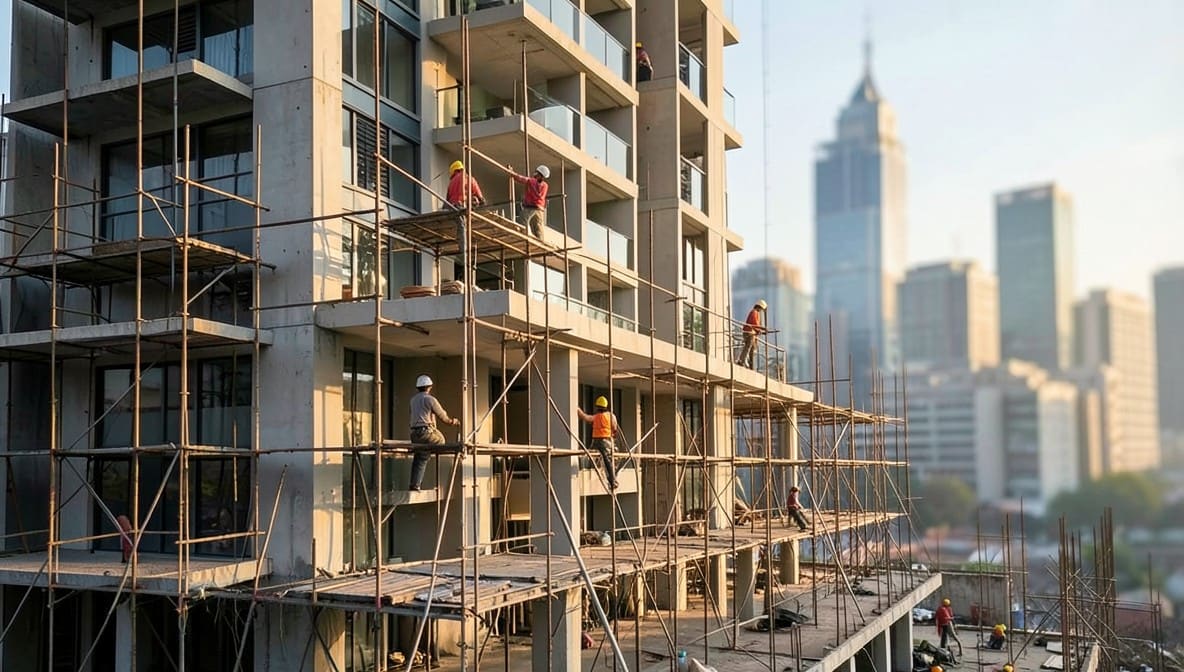
Bombay High Court rules that an allottee’s right to interest under RERA for delayed possession is absolute and cannot be waived by conduct, silence, or acceptance of revised timelines. The judgment clarifies that RERA’s consumer protection provisions prevail over contractual defenses under the Indian Contract Act, ensuring homebuyers are not deprived of statutory remedies.

Section 302 IPC | Last Seen Theory + Circumstantial Evidence Forms Unbroken Chain for Murder Conviction : Bombay HC
Case Law Analysis
|Bombay High Court

Section 302 IPC | Last Seen Theory + Circumstantial Evidence Forms Unbroken Chain for Murder Conviction : Bombay HC

Bombay High Court affirms that the 'last seen' theory, combined with DNA evidence, recovery of victim’s belongings, and medical testimony, constitutes a complete chain of circumstantial evidence sufficient for conviction under Section 302 IPC. The ruling underscores that concurrent sentences for Sections 302 and 201 IPC are permissible when the offences are interlinked.

MCS Rules 2014 | Quorum for Cooperative Society Resolutions Based on Functional Members, Not Total Seats : Bombay HC Aurangabad Bench
Case Law Analysis
|Bombay High Court

MCS Rules 2014 | Quorum for Cooperative Society Resolutions Based on Functional Members, Not Total Seats : Bombay HC Aurangabad Bench

Bombay High Court clarifies that quorum for cooperative society resolutions under Maharashtra Cooperative Societies Rules 2014 must be calculated on the basis of functional members present, not total seats or vacant positions. Election officers cannot unilaterally invalidate internal resolutions without a court order, reinforcing procedural fairness for managing committees.

ACPS Benefits | Autonomous Body Employees Funded by State Entitled to Promotional Benefits Under Assured Career Progression Scheme: Bombay HC
Case Law Analysis
|Bombay High Court

ACPS Benefits | Autonomous Body Employees Funded by State Entitled to Promotional Benefits Under Assured Career Progression Scheme: Bombay HC

The Bombay High Court has ruled that employees of financially autonomous bodies like WALMI are entitled to ACPS benefits when the state bears their salary costs, rejecting arbitrary denial of promotions. This sets a critical precedent for thousands of non-gazetted staff in state-funded autonomous institutions who were previously excluded from career progression despite performing equivalent duties.

Anticipatory Bail | Custodial Interrogation Unnecessary After Contraband Seizure When Section 123 BNS Validity Is Sub Judice : Bombay HC (Aurangabad Bench)
Case Law Analysis
|Bombay High Court

Anticipatory Bail | Custodial Interrogation Unnecessary After Contraband Seizure When Section 123 BNS Validity Is Sub Judice : Bombay HC (Aurangabad Bench)

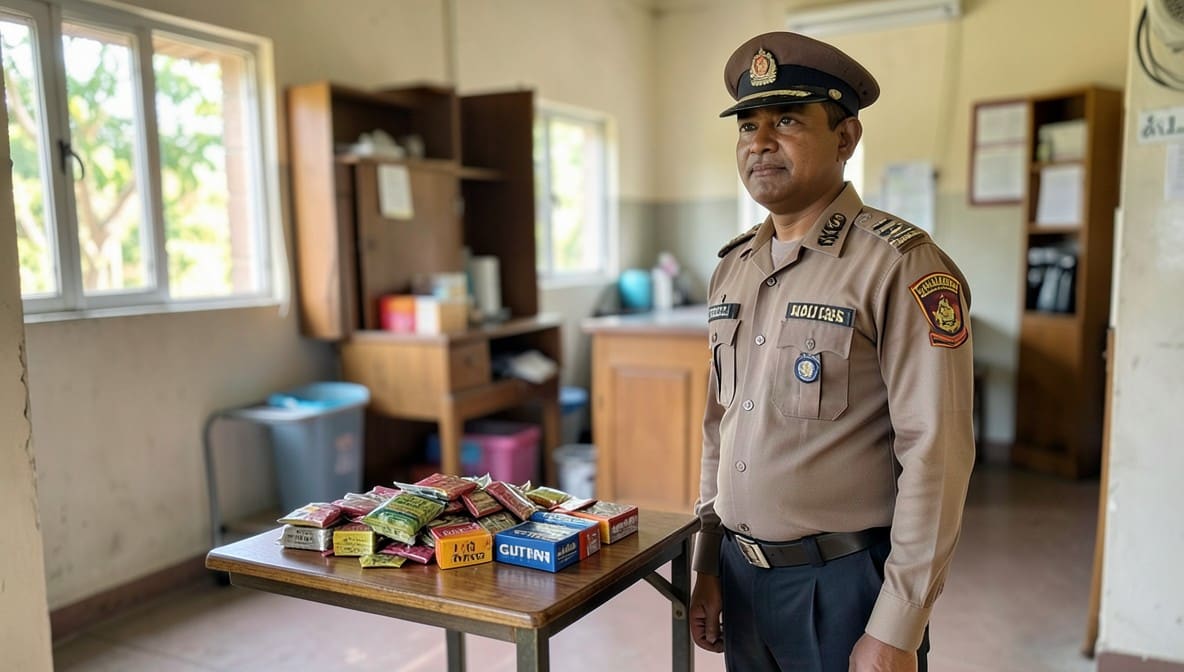
The Bombay High Court grants anticipatory bail to an accused in a contraband case, holding that once the contraband is seized and no further recovery is anticipated, custodial interrogation serves no investigative purpose - especially when the legal applicability of Section 123 BNS is pending before the Supreme Court. This sets a critical precedent for low-value contraband cases where pre-arrest liberty must be preserved unless investigation demands detention.

Section 27(10) MCS Act | Voting Rights Disqualified Based on Default Status on Eligibility Cut-off Date, Not Subsequent Payment : Bombay HC (Aurangabad Bench)
Case Law Analysis
|Bombay High Court

Section 27(10) MCS Act | Voting Rights Disqualified Based on Default Status on Eligibility Cut-off Date, Not Subsequent Payment : Bombay HC (Aurangabad Bench)

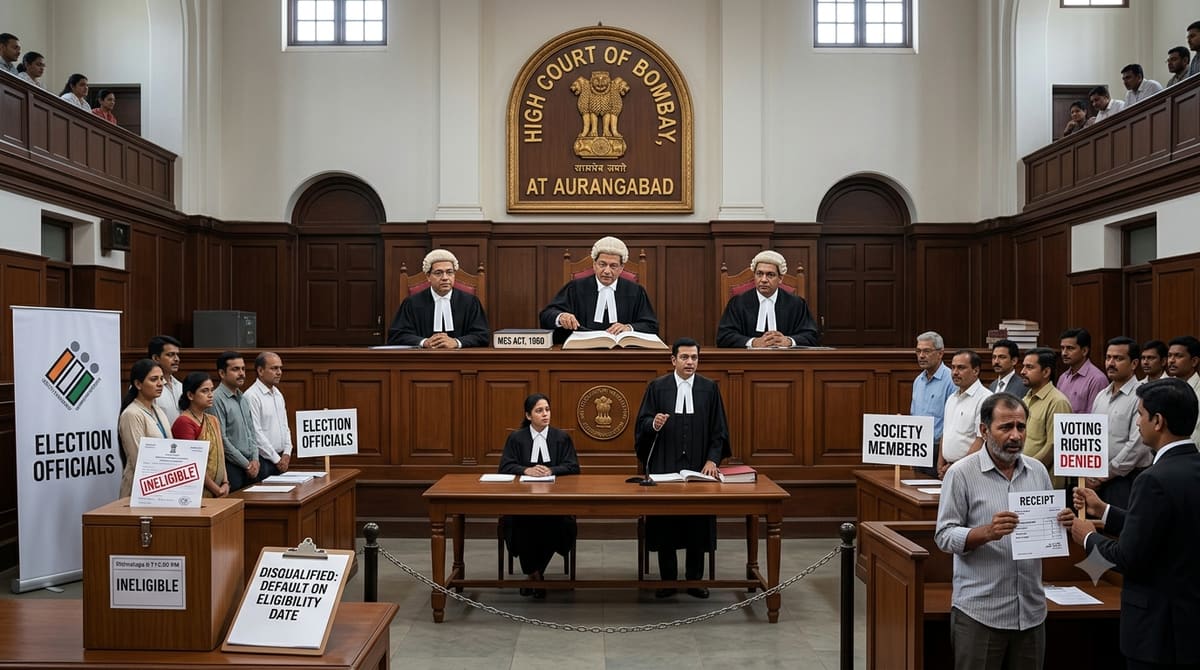
The Bombay High Court has ruled that a cooperative society loses its voting rights in bank elections if it was in default on the statutory eligibility cut-off date, even if dues are paid afterward. This clarifies that statutory disqualification under Section 27(10) is locked in at the time of nomination, not remedied retroactively - impacting how societies manage financial compliance ahead of elections.

Section 9 Arbitration Act | Bombay HC Mandates Full Financial Disclosure & Appoints Receiver to Preserve Assets Pending Arbitration : Bombay HC
Case Law Analysis
|Bombay High Court

Section 9 Arbitration Act | Bombay HC Mandates Full Financial Disclosure & Appoints Receiver to Preserve Assets Pending Arbitration : Bombay HC

The Bombay High Court has ordered a respondent in arbitration to disclose all movable, immovable, bank, and demat assets, and appointed a Court Receiver to take symbolic possession of unattached properties. This sets a new benchmark for asset preservation, ensuring claimants aren't left remedy-less when respondents conceal or dissipate assets before arbitration concludes.

Natural Justice | Caste Verification Order Vitiated by Failure to Provide Translated Vigilance Report or Personal Hearing : Bombay HC
|Bombay High Court

Natural Justice | Caste Verification Order Vitiated by Failure to Provide Translated Vigilance Report or Personal Hearing : Bombay HC

The Bombay High Court has held that denying a petitioner a translated copy of the vigilance report and refusing a personal hearing before invalidating a Scheduled Tribe certificate violates the foundational principles of natural justice. This ruling reinforces that procedural fairness is non-negotiable in caste verification, especially when state action impacts employment rights and affirmative action benefits after decades of service.

Section 3(1)(w)(i) SC/ST Act | Hand-Holding Without Caste Slur Does Not Attract Non-Bailable Bar : Bombay HC (Aurangabad Bench)
Case Law Analysis
|Bombay High Court

Section 3(1)(w)(i) SC/ST Act | Hand-Holding Without Caste Slur Does Not Attract Non-Bailable Bar : Bombay HC (Aurangabad Bench)

The Bombay High Court holds that mere physical contact like hand-holding, absent any caste-based abuse or slur, cannot trigger the non-bailable provisions of the SC/ST Act. This clarifies that the Act’s stringent bail restrictions apply only to acts of humiliation or degradation rooted in caste identity, not to personal or romantic conduct devoid of discriminatory intent - protecting accused persons from automatic pre-trial detention in ambiguous cases.

Writ Jurisdiction Under Article 226 Barred to Stall IBC Personal Insolvency Proceedings After Unexplained Decade-Long Delay : Bombay HC
Case Law Analysis
|Bombay High Court

Writ Jurisdiction Under Article 226 Barred to Stall IBC Personal Insolvency Proceedings After Unexplained Decade-Long Delay : Bombay HC

The Bombay High Court has ruled that filing a writ petition to obstruct ongoing personal insolvency proceedings under the IBC, after a delay of nearly ten years, is an abuse of process. The judgment reinforces that statutory adjudication under the IBC must prevail over belated public law challenges, setting a critical precedent for creditors and guarantors facing delayed constitutional challenges to insolvency triggers.

Advocate Negligence Not Attributable to Litigant | No Cross & Closure of Evidence Set Aside When Absence Is Non-Willful : Bombay HC (Aurangabad Bench)
Case Law Analysis
|Bombay High Court

Advocate Negligence Not Attributable to Litigant | No Cross & Closure of Evidence Set Aside When Absence Is Non-Willful : Bombay HC (Aurangabad Bench)

The Bombay High Court has ruled that litigants cannot be penalized with no-cross orders or closure of evidence due to their advocate’s absence, provided the non-appearance was not willful. This reinforces the right to be heard and prevents procedural injustice against clients who acted in good faith, setting a vital precedent for fair trial standards in civil litigation.

MOFA Section 11 | Developer Cannot Withhold Deemed Conveyance by Claiming Unrealized Future FSI : Bombay HC
Case Law Analysis
|Bombay High Court

MOFA Section 11 | Developer Cannot Withhold Deemed Conveyance by Claiming Unrealized Future FSI : Bombay HC

The Bombay High Court has ruled that once a developer has exhausted the permissible development rights under MOFA, they cannot delay transferring land to the housing society by alleging potential future Floor Space Index. This clarifies that deemed conveyance is triggered by completed development, not speculative future gains, protecting cooperative societies from prolonged legal obstruction by builders.

Review Jurisdiction Limits | Bombay HC Bars Reopening Disputes Over Unpleaded Clauses in Service Matters
Case Law Analysis
|Bombay High Court

Review Jurisdiction Limits | Bombay HC Bars Reopening Disputes Over Unpleaded Clauses in Service Matters

Bombay High Court dismisses review petition, holding that review jurisdiction cannot be used to introduce clauses or arguments not originally pleaded. The ruling reinforces judicial finality, preventing endless litigation by limiting review to apparent errors on record. Temporary workers and service law litigants must ensure all grounds are raised in initial proceedings.

Section 11 Arbitration Act | Arbitration Clause in Main Contract Requires Explicit Incorporation in Subcontracts: Bombay HC
Case Law Analysis
|Bombay High Court

Section 11 Arbitration Act | Arbitration Clause in Main Contract Requires Explicit Incorporation in Subcontracts: Bombay HC

Bombay High Court rules that arbitration clauses in main contracts do not automatically bind subcontractors unless specifically incorporated. The court dismissed an application for arbitrator appointment, emphasizing that general references to the main contract's terms are insufficient for subcontract disputes. This sets a precedent for strict compliance in commercial agreements.

Order 1 Rule 10(2) CPC | Bombay HC Permits Impleadment of Proper Parties Even Without Relief Claim to Ensure Complete Adjudication
Case Law Analysis
|Bombay High Court

Order 1 Rule 10(2) CPC | Bombay HC Permits Impleadment of Proper Parties Even Without Relief Claim to Ensure Complete Adjudication

The Bombay High Court ruled that parties whose rights are directly affected in a dispute can be impleaded under Order 1 Rule 10(2) CPC, even if no relief is sought against them. This ensures all relevant parties are before the court for a comprehensive resolution, preventing fragmented litigation and protecting third-party interests.

Section 7 MOFA, 1963 | Informed Consent Mandatory for Structural Alterations; Bombay HC Sets Aside Blanket Injunction : Bombay HC
Case Law Analysis
|Bombay High Court

Section 7 MOFA, 1963 | Informed Consent Mandatory for Structural Alterations; Bombay HC Sets Aside Blanket Injunction : Bombay HC

Bombay High Court rules that promoters must secure explicit informed consent from existing apartment owners under Section 7 of the Maharashtra Ownership Flats Act (MOFA), 1963, before undertaking structural alterations. The Court overturned a blanket injunction, permitting construction subject to undertakings to preserve amenities, reinforcing promoter obligations and buyer rights in real estate disputes.

Article 21 | Bombay HC Permits MTP Beyond 24 Weeks for Unmarried Woman Citing Reproductive Autonomy Over MTP Act Limits
Case Law Analysis
|Bombay High Court

Article 21 | Bombay HC Permits MTP Beyond 24 Weeks for Unmarried Woman Citing Reproductive Autonomy Over MTP Act Limits

Bombay High Court invokes Article 21 to override the 24-week ceiling under the Medical Termination of Pregnancy Act, allowing termination for a 19-year-old unmarried woman at 26.6 weeks. The ruling prioritizes psychological well-being and reproductive autonomy, setting a precedent for judicial discretion in late-term terminations where statutory limits conflict with fundamental rights.