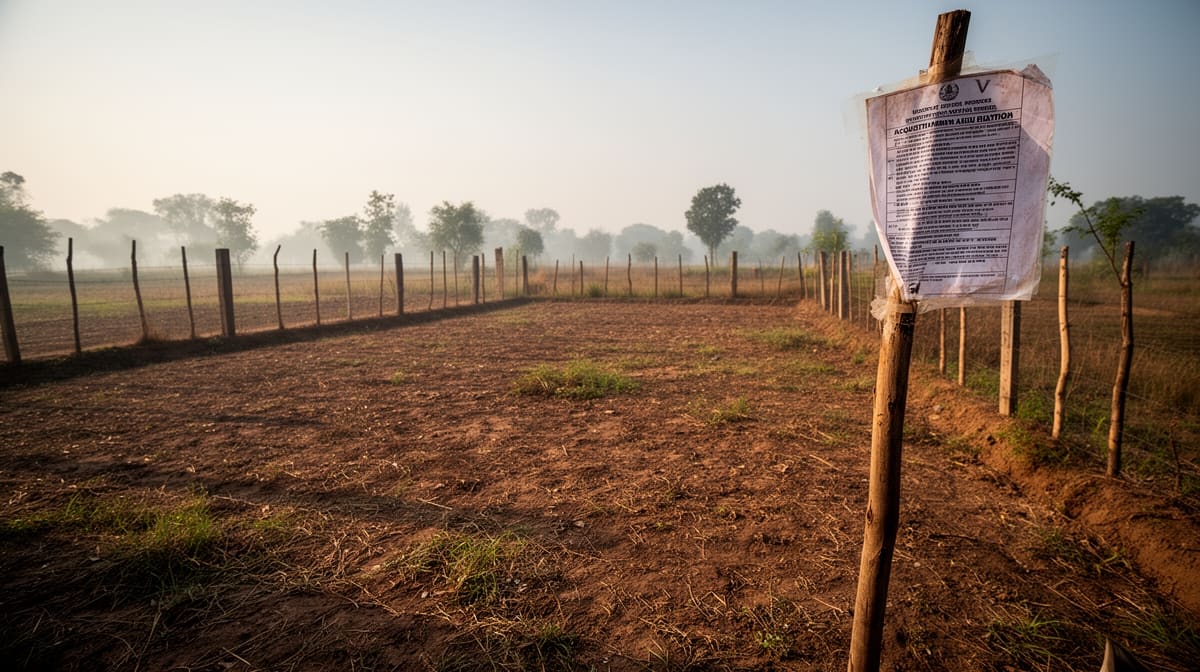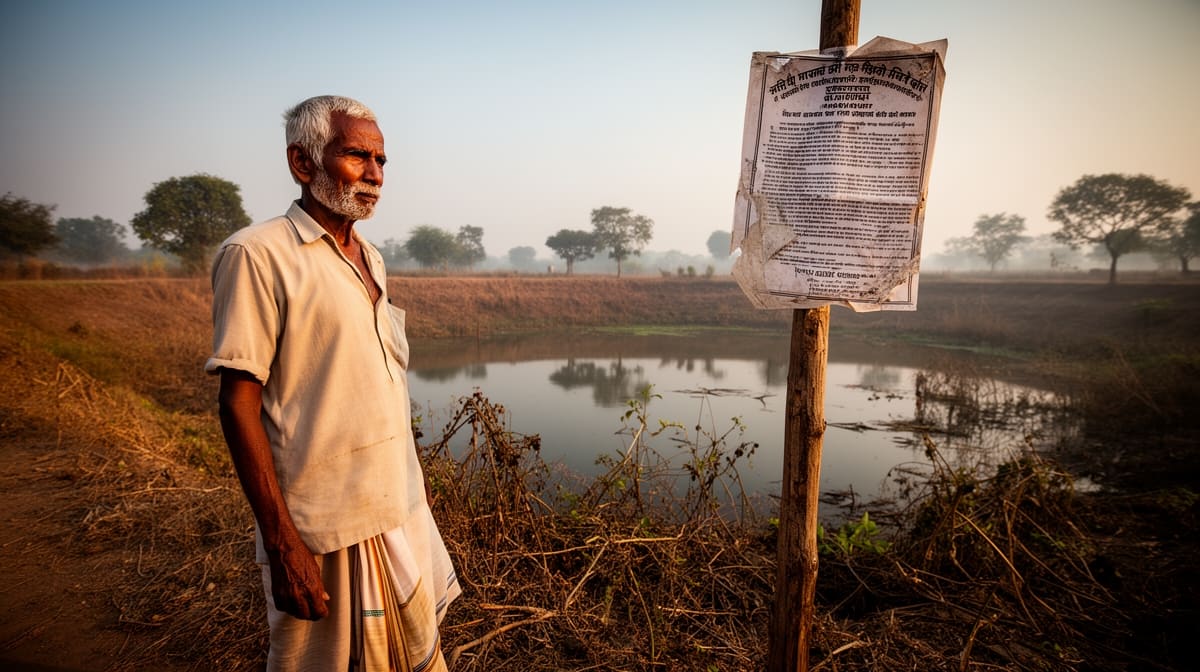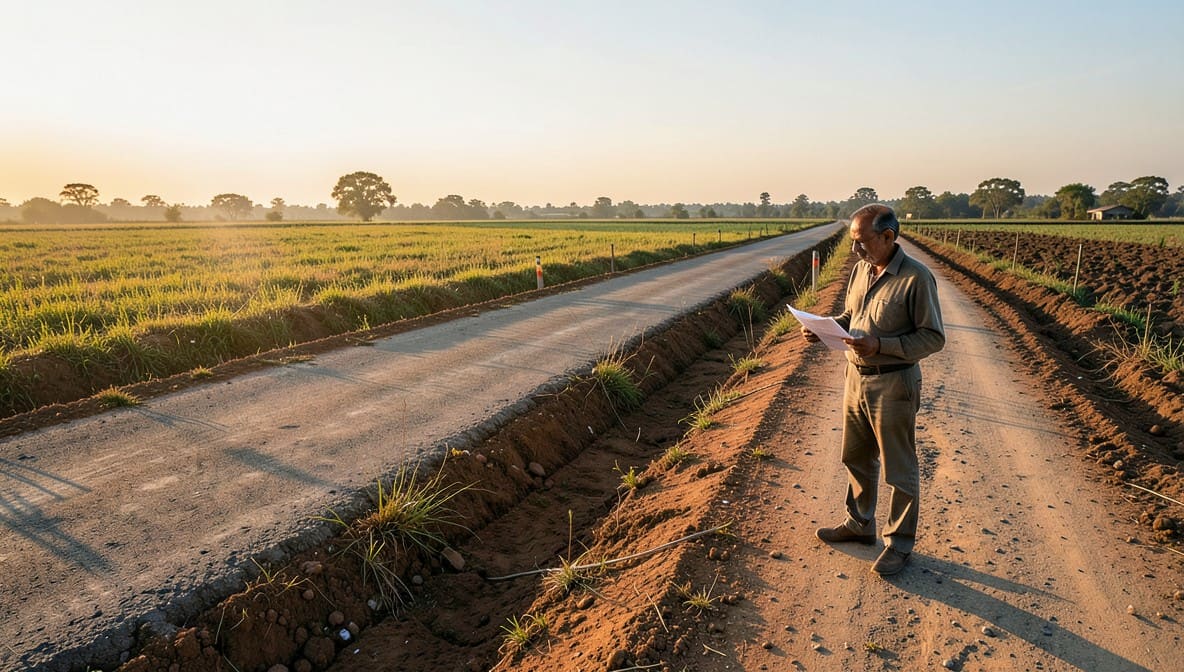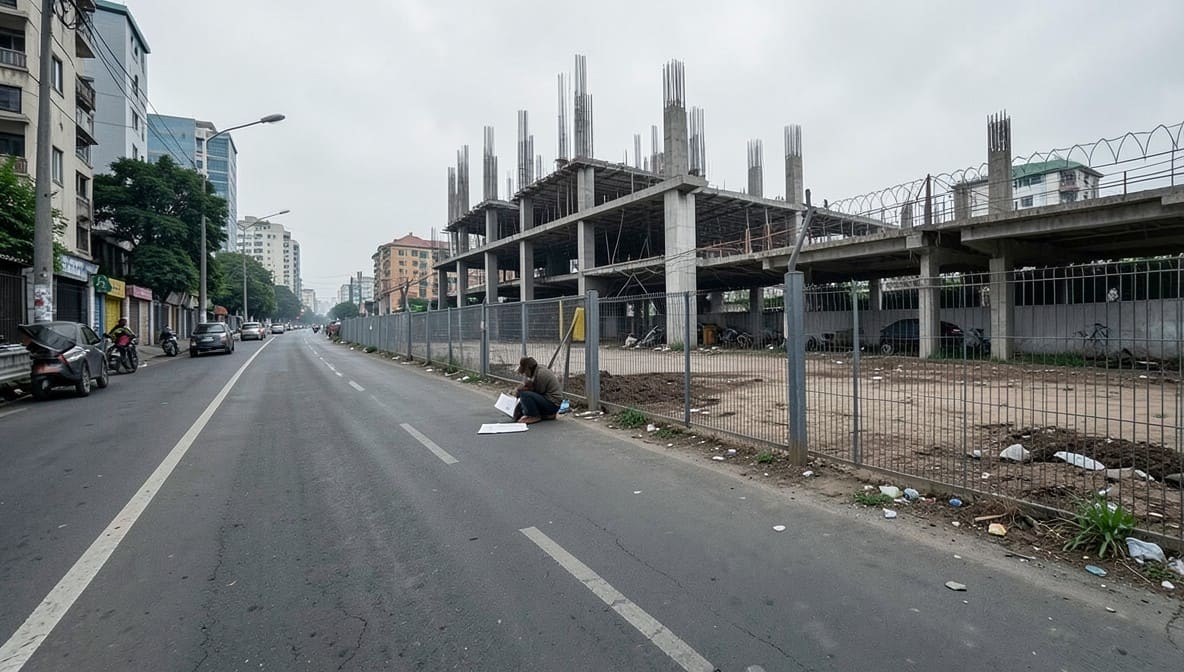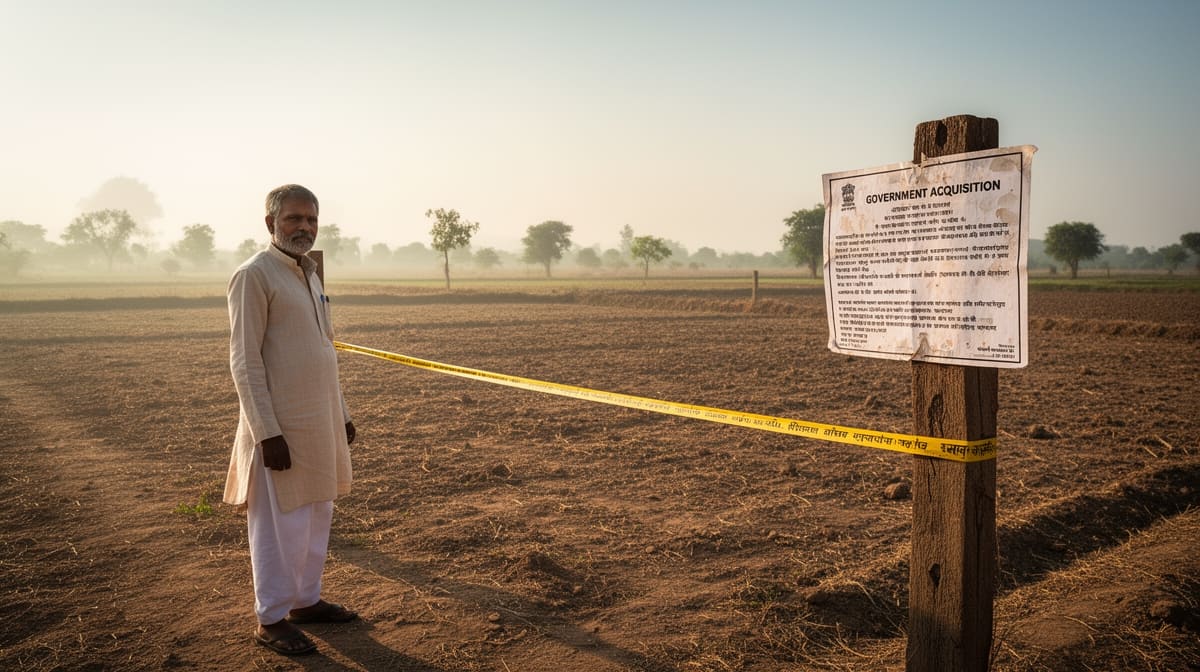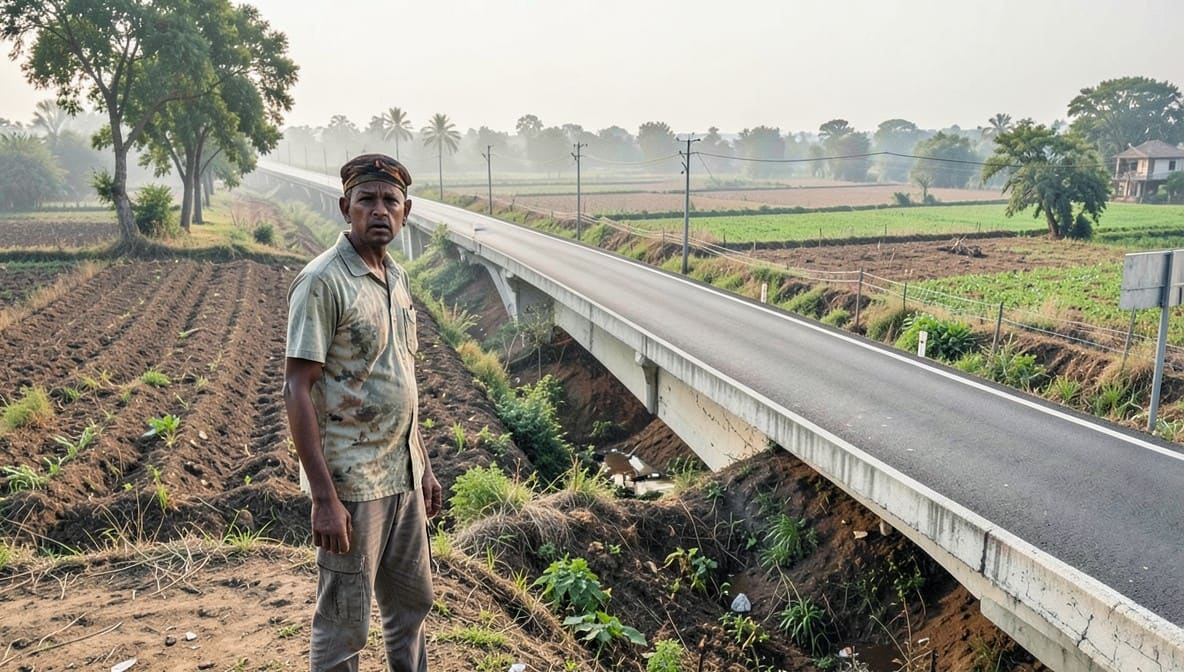
The Bombay High Court has taken strong exception to the National Highways Authority of India’s (NHAI) refusal to compensate landowners for land utilized in the six-laning of National Highway No. 8, despite the absence of a formal acquisition process. The Court has directed NHAI to file a reply affidavit, emphasizing that the denial of compensation violates the constitutional right to property under Article 300A and amounts to an unsustainable approach by the authorities.
Background & Facts
The Dispute
The petitioners, landowners from Vasai, Maharashtra, allege that their land was utilized for the construction of National Highway No. 8 (six-laning between Surat and Dahisar) without the determination or payment of compensation. Despite the land being used for the project, NHAI refused to proceed with "regular acquisition," leaving the petitioners without redress.
Key Facts
- The petitioners’ land was utilized for the six-laning of National Highway No. 8 between Surat and Dahisar.
- A document dated 26.03.2013 (Exhibit G) reveals that NHAI declined "regular acquisition," despite the land being used for the project.
- The Tahsildar of Vasai had requested NHAI to consider payment of ex-gratia compensation on sympathetic grounds, but no action was taken.
- The petitioners were not compensated, leading to the allegation of a violation of Article 300A of the Constitution of India, which guarantees the right to property.
Procedural History
- 06.03.2026: The Bombay High Court issued notice in Writ Petition No. 2504 of 2025.
- 03.07.2026: The Court noted the absence of a reply affidavit from the respondents and expressed concern over NHAI’s stance.
- 24.07.2026: The Court directed the respondents to file reply affidavits by this date, with no further extensions granted.
- 04.08.2026: The petition is listed for further consideration and disposal.
The Parties' Positions
- Petitioners: Contend that NHAI’s refusal to compensate them for the land utilized in the highway project violates Article 300A. They rely on Exhibit G, which demonstrates NHAI’s refusal to proceed with regular acquisition despite the land’s use.
- Respondents: NHAI and State authorities are yet to file a reply affidavit justifying their stance.
Relief Sought
The petitioners seek a direction to NHAI and the State authorities to compensate them for the land utilized in the highway project, in accordance with Article 300A.
The Legal Issue
The central question before the Court is whether the refusal of NHAI to compensate landowners for land utilized in a public infrastructure project, despite declining "regular acquisition," constitutes a violation of Article 300A of the Constitution of India.
Arguments Presented
For the Petitioners
- The petitioners argue that the use of their land for the highway project without compensation amounts to a deprivation of property, violating Article 300A.
- They rely on Exhibit G, which records NHAI’s refusal to proceed with regular acquisition, despite the Tahsildar’s request for ex-gratia payment on sympathetic grounds.
- The petitioners contend that NHAI’s approach is arbitrary and unsustainable, as it leaves landowners without remedy despite the land being utilized for a public purpose.
For the Respondents
- The respondents have not yet filed a reply affidavit, and their arguments remain unarticulated before the Court.
The Court's Analysis
The Court observed that the contents of Exhibit G reveal a concerning stance adopted by NHAI. The document records NHAI’s refusal to proceed with "regular acquisition," despite the land being utilized for the highway project. The Court noted that the Tahsildar of Vasai had requested NHAI to consider payment of ex-gratia compensation on sympathetic grounds, but no action was taken.
"We are surprised to note the contents of the said document, which show that according to the then officer of the respondent - National Highways Authority of India (NHAI), 'regular acquisition was not acceptable'. The said communication also records that Tahsildar of Vasai had requested the respondent - NHAI to consider payment of ex-gratia amount on sympathetic ground. Such an approach of the said respondents appears to be wholly unsustainable and it amounts to violation of right to property under Article 300A of the Constitution of India."
The Court emphasized that the right to property under Article 300A is a constitutional guarantee, and any deprivation of property must be accompanied by just compensation. The Court’s observations suggest that NHAI’s refusal to compensate the petitioners, despite the land’s utilization, is arbitrary and violates this constitutional right.
The Verdict
The Court has directed the respondents, including NHAI and the State authorities, to file reply affidavits by 24.07.2026, with no further extensions granted. The petition is listed for final disposal on 04.08.2026. While the Court has not yet issued a final ruling, its observations indicate a strong inclination to hold NHAI accountable for compensating the petitioners in accordance with Article 300A.
What This Means For Similar Cases
NHAI Cannot Evade Compensation on Technical Grounds
- The Court’s observations underscore that NHAI cannot refuse compensation merely by declining "regular acquisition" when land is utilized for a public project.
- Landowners can rely on Article 300A to challenge arbitrary denials of compensation, even in the absence of formal acquisition proceedings.
Ex-Gratia Payments Are Not a Substitute for Legal Compensation
- The Court’s criticism of NHAI’s reliance on "sympathetic grounds" for ex-gratia payments suggests that such payments are insufficient to discharge the constitutional obligation under Article 300A.
- Landowners should insist on formal compensation mechanisms rather than accepting ex-gratia payments, which lack legal enforceability.
Procedural Compliance Is Critical in Land Acquisition Disputes
- The Court’s direction to NHAI to file a reply affidavit by a strict deadline highlights the importance of procedural compliance in land acquisition disputes.
- Failure to respond adequately may result in adverse inferences, as seen in the Court’s strong observations in this case.