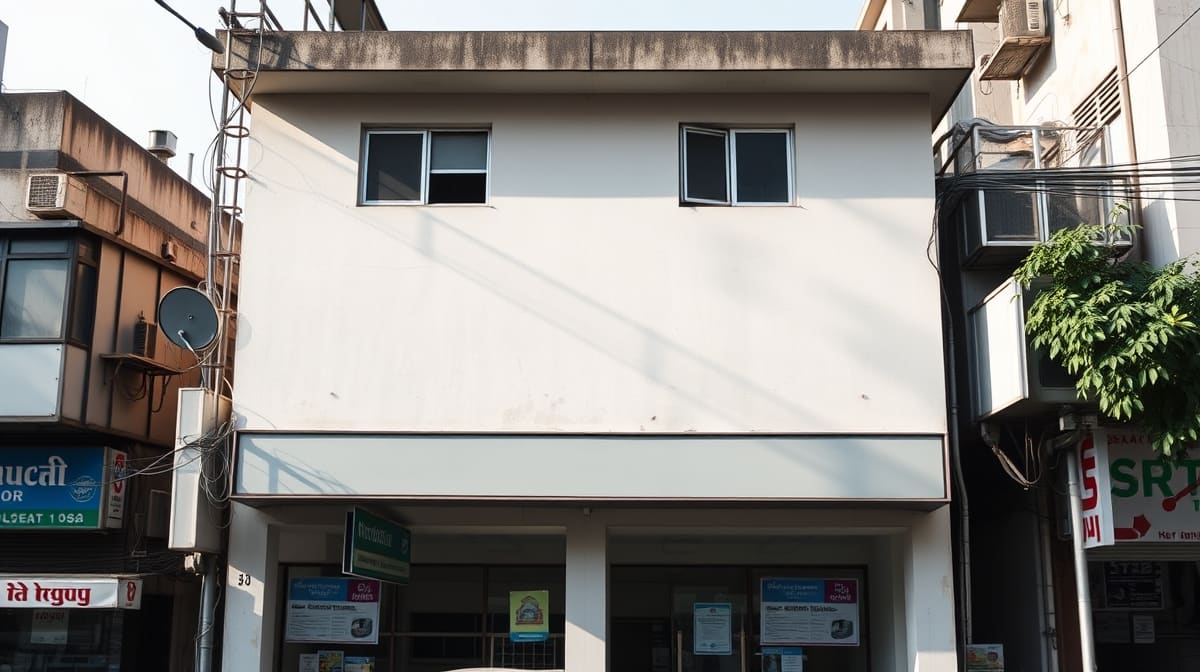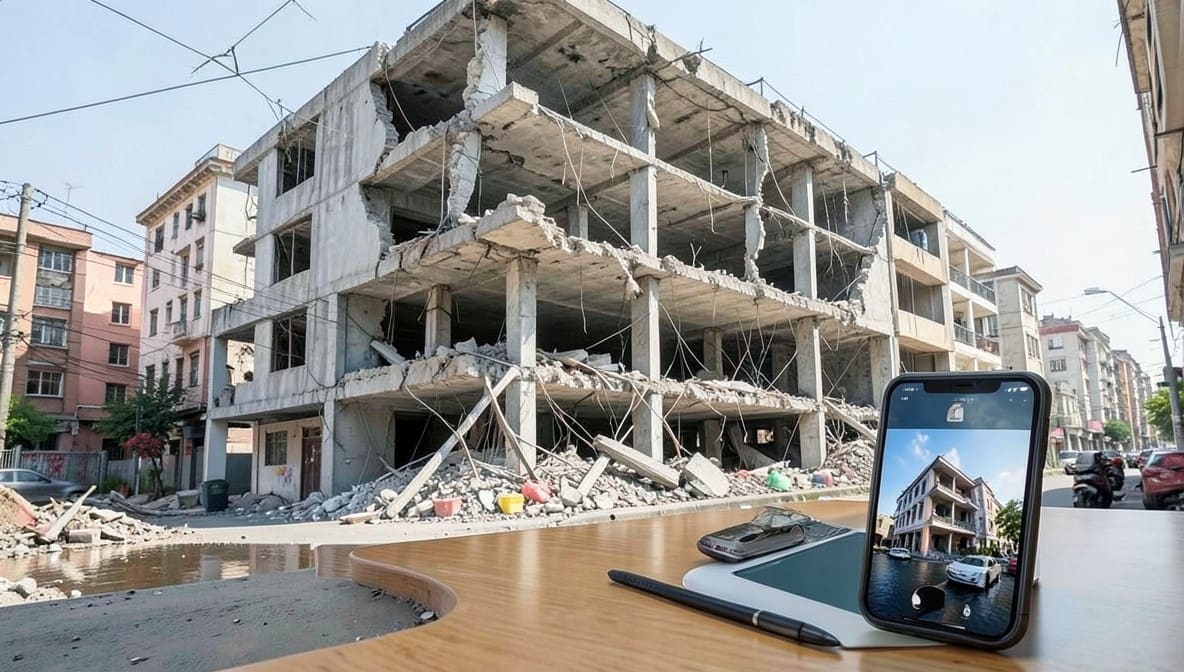
The Bombay High Court, Aurangabad Bench, has underscored the importance of substantive justice over procedural technicalities in a recent judgment concerning the admissibility of photographic and digital evidence in a property demolition case. The Court set aside a trial court's order that rejected the petitioner's applications to exhibit crucial evidence, holding that hyper-technical approaches should not impede the pursuit of truth in civil litigation.
Background & Facts
The Dispute
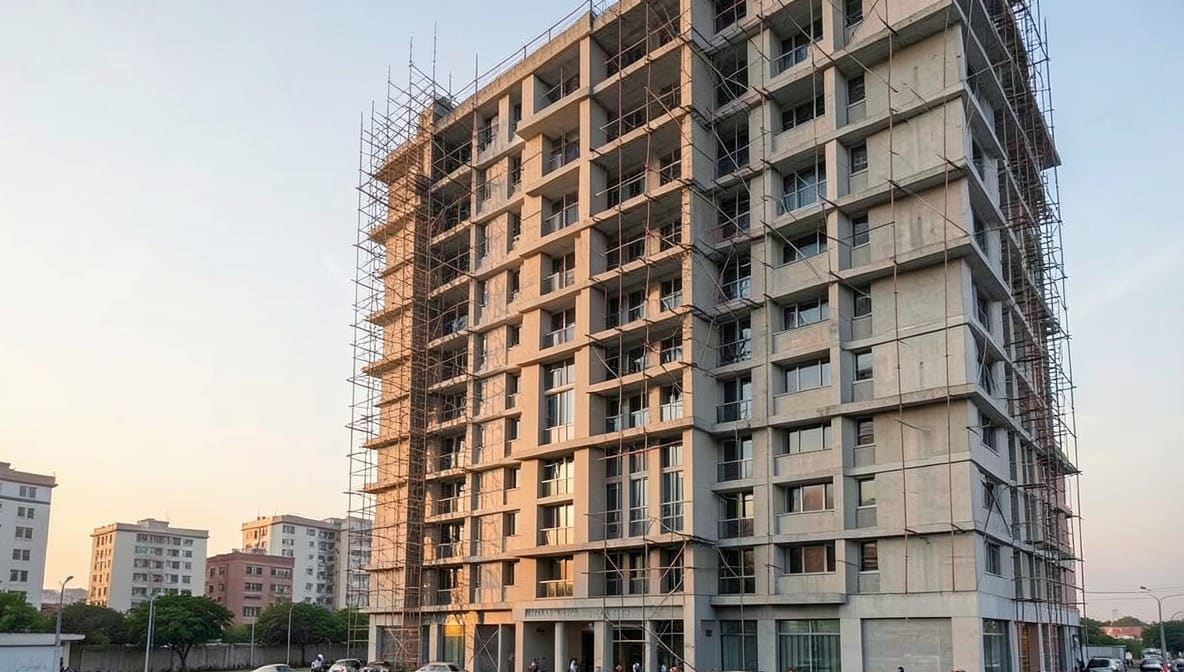
The petitioner, Ms. Kavita Solunke, an advocate, filed a civil suit (R.C.S. No. 108 of 2015) seeking a declaration, perpetual injunction, and recovery of damages against the Aurangabad Municipal Corporation and its officers. The dispute arose from the alleged illegal demolition of her three-storey building at Plot No. 55A, N-4, CIDCO, Aurangabad. The petitioner contended that the demolition was carried out without lawful authority, causing significant financial and personal loss.
Key Facts
- The petitioner owns a three-storey building at the aforementioned plot
- The building was allegedly demolished illegally by the respondent authorities
- To prove the pre-demolition and post-demolition state of the property, the petitioner produced:
- 23 photographs
- CDs and a pen-drive containing digital evidence
- A certificate under Section 65-B of the Indian Evidence Act, 1872
- PW-2 (a witness) was examined to prove these documents during the trial
- The trial court declined to exhibit the photographs, CDs, and pen-drive, citing technical deficiencies in the evidence recording process
Procedural History
The case progressed through the following stages:
- R.C.S. No. 108 of 2015: Civil suit filed before the Civil Judge Senior Division (Corporation Court), Aurangabad
- During trial: Petitioner filed three applications to exhibit evidence:
- Exhibit-187: To exhibit 23 photographs
- Exhibit-188: To exhibit CDs and pen-drive
- Exhibit-189: To recall PW-2 for re-examination and rectify technical defects
- 08.01.2025: Trial court rejected Exhibit-189 on the ground that re-examination could not be permitted to admit new evidence after examination-in-chief
- 13.02.2025: Trial court rejected Exhibit-187 and Exhibit-188, upholding the hyper-technical approach
- Present petition: Writ Petition No. 3722 of 2025 filed before the Bombay High Court, Aurangabad Bench
Relief Sought
The petitioner sought:
- Quashing of the trial court's order dated 13.02.2025 rejecting Exhibit-187, Exhibit-188, and Exhibit-189
- Direction to the trial court to exhibit the photographs, CDs, and pen-drive as evidence
- Permission to recall PW-2 for re-examination to rectify technical defects in evidence recording
The Legal Issue
The central question before the High Court was whether a trial court can adopt a hyper-technical approach to reject applications for exhibiting evidence and recalling a witness for re-examination, particularly when such evidence is crucial to establishing the merits of a case and the defects are merely technical in nature.
Arguments Presented
For the Petitioner
- The petitioner argued that the trial court erred in rejecting Exhibit-187, Exhibit-188, and Exhibit-189 on hyper-technical grounds
- The evidence sought to be exhibited (photographs, CDs, and pen-drive) was already on record and referred to in the examination-in-chief of PW-2
- The rejection of the applications deprived the petitioner of a fair opportunity to prove her case
- The trial court failed to exercise its inherent powers to rectify accidental slips or omissions in evidence recording
For the Respondents
- The respondents contended that the trial court's order was justified as the petitioner sought to introduce new evidence after the conclusion of examination-in-chief
- They argued that the technicalities in evidence recording were not accidental but deliberate omissions, warranting rejection of the applications
- The respondents emphasized that procedural compliance is essential for the admissibility of evidence, and the petitioner failed to meet the required standards
The Court's Analysis
The High Court critically examined the trial court's approach and held that the rejection of the petitioner's applications was unjustified. The Court observed:
"The Civil Court is expected to endeavor to find truth while deciding lis between parties and grant fair opportunity to parties to lead evidence without impeded by technicalities."
The Court emphasized that the trial court had ample power to permit re-examination of witnesses in cases of accidental slips or omissions. It noted that the petitioner was not seeking to introduce new evidence but merely to rectify technical defects that prevented the exhibition of already-produced evidence. The High Court held:
"It is not a case where petitioner wanted to bring new evidence on record of Court, but re-examination was sought in furtherance of reviving technical defects due to which documents which were produced on record and referred in evidence were not admitted in evidence."
The Court further observed that the trial court's hyper-technical approach defeated the ends of justice, particularly in a case where the petitioner sought to prove the illegal demolition of her property. The Court reiterated that procedural rules should not be used as tools to deny substantive justice.
The Verdict
The High Court partly allowed the writ petition with the following directions:
- The order dated 13.02.2025 passed below Exhibit-189 was quashed and set aside
- The application below Exhibit-189 was allowed, permitting the recall of PW-2 for re-examination to rectify technical defects
- The orders passed below Exhibit-187 and Exhibit-188 were not disturbed, implying that the trial court would now exhibit the photographs, CDs, and pen-drive upon re-examination of PW-2
- The rule was made partly absolute in the above terms
What This Means For Similar Cases
Substantive Justice Over Technicalities
This judgment reinforces the principle that courts should prioritize substantive justice over procedural technicalities. Practitioners can rely on this decision to argue against hyper-technical rejections of evidence, particularly when:
- The evidence is already on record and referred to in witness testimony
- The defects are technical and not substantive (e.g., accidental slips in evidence recording)
- The rejection of evidence would cause grave prejudice to a party's case
Scope of Re-Examination
- Courts have inherent powers to permit re-examination of witnesses to rectify accidental slips or omissions
- Re-examination is not limited to introducing new evidence but extends to clarifying or correcting already-produced evidence
- Practitioners should emphasize the distinction between technical defects and deliberate non-compliance when seeking re-examination
Admissibility of Digital Evidence
- This case highlights the importance of Section 65-B of the Indian Evidence Act for admitting digital evidence
- Parties must ensure strict compliance with the requirements of Section 65-B to avoid technical rejections
- However, minor technical deficiencies should not be grounds for rejecting crucial evidence, especially in cases involving significant rights violations (e.g., illegal demolition)