Topic

tariff classification

Tariff classification in Indian law determines the correct customs duty rate for imported or exported goods based on the Harmonized System of Nomenclature and Central Excise Tariff provisions.

28 articlesLatest August 2026
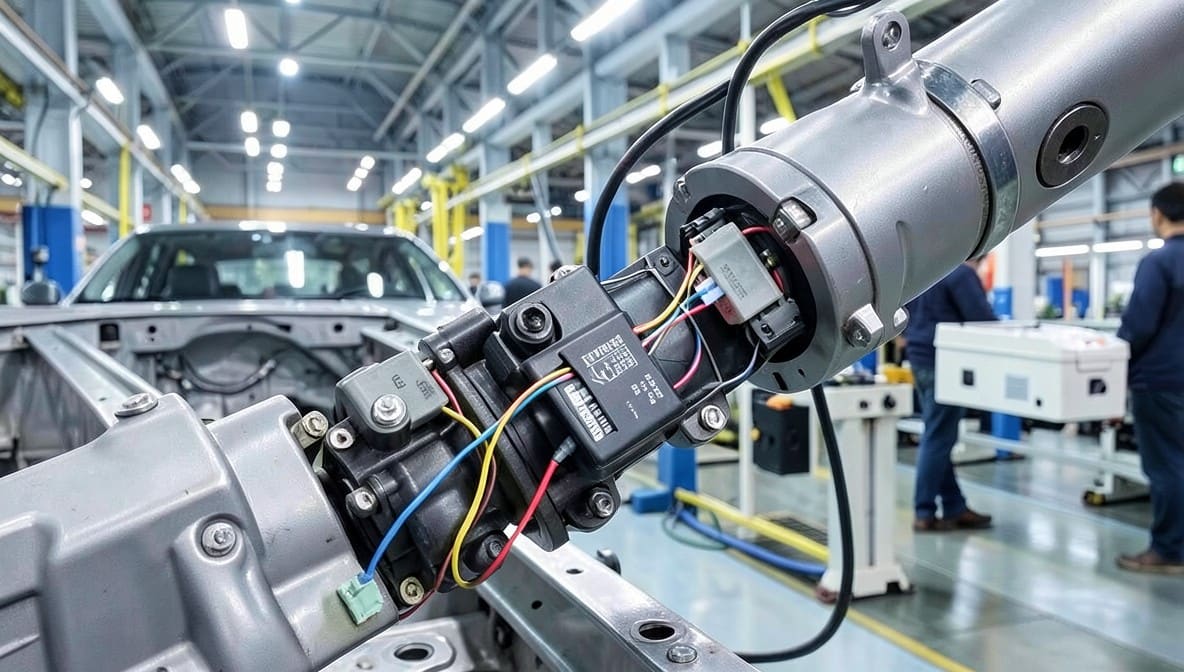
Automotive ECUs (BCM, IBU, TPMS) classified as automatic regulators under HS 9032, not as vehicle parts | Customs tariff interpretation : CESTAT Chennai
Case Law Analysis
|Custom, Excise & Service Tax Tribunal

Automotive ECUs (BCM, IBU, TPMS) classified as automatic regulators under HS 9032, not as vehicle parts | Customs tariff interpretation : CESTAT Chennai

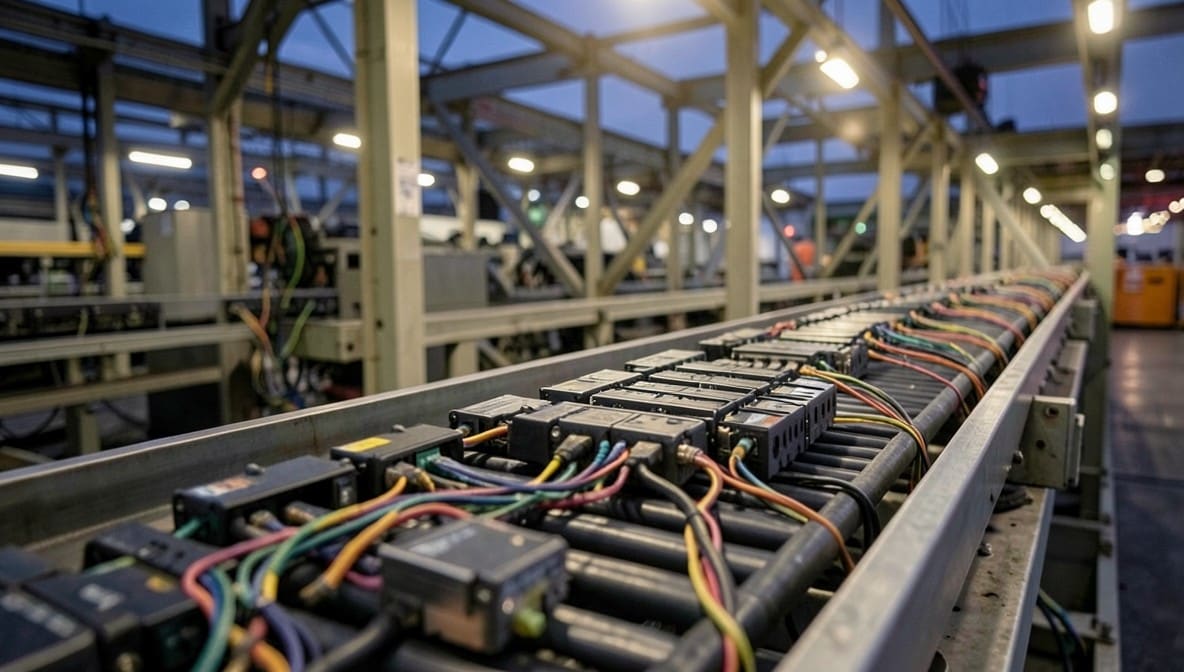
The Chennai Customs Tribunal ruled that body control modules, integrated body units and tyre-pressure-monitor systems are to be classified under heading 9032 as automatic regulating apparatus, not under heading 8708 as vehicle parts. Consequently, importers can claim the lower concessional duty rates prescribed for 9032. The holding benefits manufacturers and importers of automotive ECUs.

Glow Plug Control Unit falls under CTH 8511 as part of ignition equipment | Customs tariff classification : CESTAT (New Delhi)
Case Law Analysis
|Custom, Excise & Service Tax Tribunal

Glow Plug Control Unit falls under CTH 8511 as part of ignition equipment | Customs tariff classification : CESTAT (New Delhi)

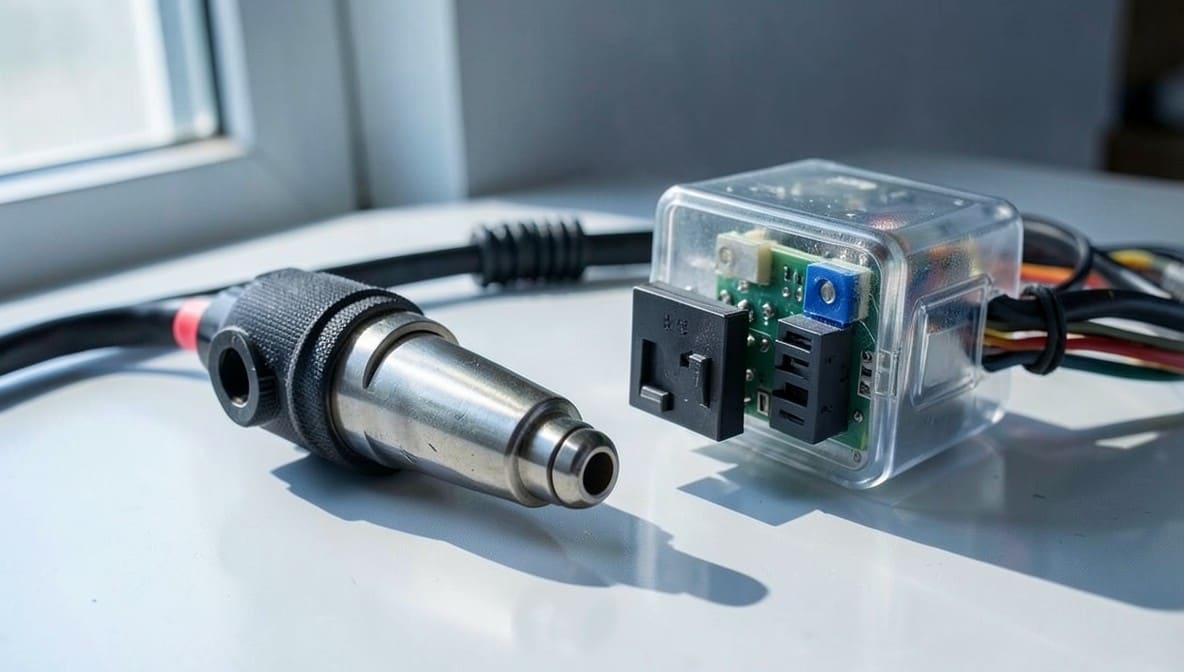
CESTAT ruled that the imported glow-plug control unit is a component of the glow plug and must be classified under heading 8511 9000 of the Customs Tariff, not under 9032 8990. The order upholds the normal-period demand and sets aside the Section 114A penalty. Importers of automotive ignition parts will now attract the 7.5% basic customs duty and IGST.

Classification of Nicotine Sulphate under CTH 2939 upheld; limitation bars duty, interest and penalty | Customs classification & limitation : CESTAT Ahmedabad
Case Law Analysis
|Custom, Excise & Service Tax Tribunal

Classification of Nicotine Sulphate under CTH 2939 upheld; limitation bars duty, interest and penalty | Customs classification & limitation : CESTAT Ahmedabad

CESTAT confirmed nicotine sulphate is correctly placed in tariff heading CTH 2939 and held that the revenue’s extended-period demand for differential duty, interest and penalty is barred by the limitation period. Consequently, the appellant’s duty liability and related-party undervaluation claim were dismissed, benefiting manufacturers and exporters of the chemical.

CESTAT Upholds CTH 8708 94 00 Classification for EPS-ECU & Automotive Parts Under General Interpretative Rules : Delhi Bench
Case Law Analysis
|Custom, Excise & Service Tax Tribunal

CESTAT Upholds CTH 8708 94 00 Classification for EPS-ECU & Automotive Parts Under General Interpretative Rules : Delhi Bench

The Customs, Excise and Service Tax Appellate Tribunal (CESTAT), Delhi, affirmed the classification of Electronic Control Units for Electronic Power Steering (EPS-ECU) and related parts under CTH 8708 94 00, dismissing appeals challenging differential duty demands. The ruling reinforces binding precedent on tariff classification under the General Interpretative Rules, impacting automotive manufacturers and importers.

Binding Precedent in Tariff Classification | Revenue Barred from Re-litigating Tribunal's Final Classification After Supreme Court Affirmation : CESTAT Allahabad
Case Law Analysis
|Custom, Excise & Service Tax Tribunal

Binding Precedent in Tariff Classification | Revenue Barred from Re-litigating Tribunal's Final Classification After Supreme Court Affirmation : CESTAT Allahabad

CESTAT Allahabad has ruled that once a tariff classification is finally settled by the Tribunal and upheld by the Supreme Court, revenue authorities cannot reopen or challenge it in subsequent assessments. This reinforces the principle of finality in tax adjudication, providing certainty to importers and curbing repetitive litigation by tax authorities.

Electricity Tariff Liability Based on Actual Consumption, Not Inspection Date | Retrospective Recovery Valid Under Electricity Act : Bombay HC
|Bombay High Court

Electricity Tariff Liability Based on Actual Consumption, Not Inspection Date | Retrospective Recovery Valid Under Electricity Act : Bombay HC

Bombay High Court rules that electricity tariff classification depends on the actual usage of power, not the date of inspection. Utilities can recover differential charges retrospectively if the consumption was chargeable under the applicable tariff at the time, impacting industrial and commercial consumers facing reclassification disputes.

Tariff Classification Consistency Over Years Bars Retroactive Reassessment | Central Excise Tariff Item 2403 99 | CESTAT
Case Law Analysis
|Custom, Excise & Service Tax Tribunal

Tariff Classification Consistency Over Years Bars Retroactive Reassessment | Central Excise Tariff Item 2403 99 | CESTAT

CESTAT rules that when both taxpayer and department consistently classify goods under the same tariff heading for years, the department cannot later reassess duties retroactively - establishing a binding legitimate expectation. Penalty under Rule 26 cannot be imposed without a prior finding of confiscation, reinforcing procedural safeguards for taxpayers relying on long-standing classification practices.

5G Radio Unit Classified as SDH Equipment Under CTH 8517 6260 Due to Synchronization Function | CESTAT Bangalore
Case Law Analysis
|Custom, Excise & Service Tax Tribunal

5G Radio Unit Classified as SDH Equipment Under CTH 8517 6260 Due to Synchronization Function | CESTAT Bangalore

CESTAT Bangalore ruled that Airspan's 5G radio unit qualifies as SDH equipment under CTH 8517 6260 because its synchronization capability aligns with the heading's technical definition, granting eligibility for Notification No. 57/2017's exemption. This sets a critical precedent for telecom importers seeking duty benefits on 5G infrastructure components by focusing on functional alignment over marketing labels.

Section 112(a) Customs Act | Consistent Past Classification Acceptance Bars Extended Period Duty Demand: CESTAT Chennai
Case Law Analysis
|Custom, Excise & Service Tax Tribunal

Section 112(a) Customs Act | Consistent Past Classification Acceptance Bars Extended Period Duty Demand: CESTAT Chennai

CESTAT Chennai rules that when customs authorities have consistently accepted a tariff classification over years, the department cannot later allege suppression to extend the limitation period for duty demand. This protects importers and logistics firms from retrospective penalties when classifications were openly and repeatedly approved, reinforcing legal certainty in trade compliance.

CTH 7323 vs 9403 | Stainless Steel Kitchen Baskets & Racks Classified as Household Articles, Not Furniture Parts : CESTAT New Delhi
Case Law Analysis
|Custom, Excise & Service Tax Tribunal

CTH 7323 vs 9403 | Stainless Steel Kitchen Baskets & Racks Classified as Household Articles, Not Furniture Parts : CESTAT New Delhi

CESTAT New Delhi has ruled that stainless steel kitchen baskets, racks, and holders are household articles under CTH 7323, not furniture parts under CTH 9403, reversing a customs duty demand. This clarifies a critical boundary in tariff classification for importers of modular kitchen accessories, reducing compliance uncertainty and potential duty exposure for similar goods.

CTH 9013 | LCD Panels for Automotive Instrument Clusters Not 'Parts of Motor Vehicles' Under Specificity Doctrine : CESTAT Chennai
Case Law Analysis
|Custom, Excise & Service Tax Tribunal

CTH 9013 | LCD Panels for Automotive Instrument Clusters Not 'Parts of Motor Vehicles' Under Specificity Doctrine : CESTAT Chennai

CESTAT Chennai rules that LCD panels, even when custom-designed for vehicle instrument clusters, cannot be classified as motor vehicle parts under CTH 8708/8714 because they are more specifically covered under CTH 9013 as liquid crystal devices. This clarifies that mere integration into a vehicle does not override the principle of specific tariff headings over use-based classification, impacting importers of electronics for automotive use nationwide.

Customs Classification | Mere Processing Without Suppression Does Not Trigger Extended Limitation Under Section 28(4) : CESTAT Kolkata
Case Law Analysis
|Custom, Excise & Service Tax Tribunal

Customs Classification | Mere Processing Without Suppression Does Not Trigger Extended Limitation Under Section 28(4) : CESTAT Kolkata

CESTAT Kolkata rules that CRCL reports stating goods 'appear to be processed' are insufficient to prove intentional misdeclaration, and thus cannot justify invoking the extended limitation period under Section 28(4) of the Customs Act. This protects importers from punitive duties based on ambiguous technical assessments, reinforcing that classification disputes are not fraud unless suppression is proven.

Customs Classification | Product Must Be Marketed as Insecticide for Tariff Classification Under Insecticides Act, Not Just Contain Alkaloids : CESTAT Hyderabad
Case Law Analysis
|Custom, Excise & Service Tax Tribunal

Customs Classification | Product Must Be Marketed as Insecticide for Tariff Classification Under Insecticides Act, Not Just Contain Alkaloids : CESTAT Hyderabad

CESTAT Hyderabad ruled that goods containing alkaloids cannot be classified as insecticides under the Insecticides Act solely based on chemical content; classification requires clear commercial intent, market identity, and evidence of use as an insecticide. This sets a critical precedent for agrochemical importers and customs authorities, shifting focus from composition to commercial reality.

Central Excise Duty | Captive Sugar Syrup Not Excisable Without 50% Fructose Content & Marketability Proof : CESTAT Hyderabad
Case Law Analysis
|Custom, Excise & Service Tax Tribunal

Central Excise Duty | Captive Sugar Syrup Not Excisable Without 50% Fructose Content & Marketability Proof : CESTAT Hyderabad

CESTAT Hyderabad rules that sugar syrup used captively in biscuit manufacturing is not liable for central excise duty unless it contains at least 50% fructose in dry state and is proven marketable. The ruling sets aside duty demands, reinforcing that captive consumption alone does not trigger excise liability without meeting tariff classification criteria.