Topic

Public Distribution System

The Public Distribution System (PDS) in India regulates the subsidized distribution of essential commodities like rice, wheat, and sugar through Fair Price Shops under the National Food Security Act and state-level orders.

14 articlesLatest July 2026
Essential Commodities Act | Licence Cancellation Valid After Charge Sheet Filing, Distinguishing FIR-Only Precedent : Allahabad HC
Case Law Analysis
|Allahabad High Court

Essential Commodities Act | Licence Cancellation Valid After Charge Sheet Filing, Distinguishing FIR-Only Precedent : Allahabad HC

The Allahabad High Court has ruled that cancellation of a fair price shop licence is lawful once a charge sheet is filed under the Essential Commodities Act, even if a mere FIR would not suffice. This clarifies that post-issuance criminal violations of licence conditions constitute material breaches, affecting all PDS licensees and state authorities enforcing ration shop compliance.

Administrative Delay in Compassionate Grounds Allotment Violates Natural Justice : Karnataka HC Directs Expeditious Disposal of Fair Price Shop Representation
Case Law Analysis
|Karnataka High Court

Administrative Delay in Compassionate Grounds Allotment Violates Natural Justice : Karnataka HC Directs Expeditious Disposal of Fair Price Shop Representation

Karnataka High Court holds that inordinate delay in processing a representation for fair price shop allotment on compassionate grounds amounts to a violation of natural justice. The court directed authorities to dispose of the petitioner's request within a strict timeline, reinforcing the duty to act promptly under statutory provisions.

Contractual Forfeiture Invalidated After Blacklisting Revocation | Natural Justice Requires Proportionality in PDS Tenders : MP HC Gwalior
Case Law Analysis
|Madhya Pradesh High Court

Contractual Forfeiture Invalidated After Blacklisting Revocation | Natural Justice Requires Proportionality in PDS Tenders : MP HC Gwalior

The Madhya Pradesh High Court holds that forfeiting a security deposit after revoking a bidder’s blacklisting violates natural justice, as the penalty lacks independent legal basis and becomes punitive without procedural fairness. This ruling protects contractors in public distribution tenders from disproportionate financial consequences when administrative sanctions are withdrawn.

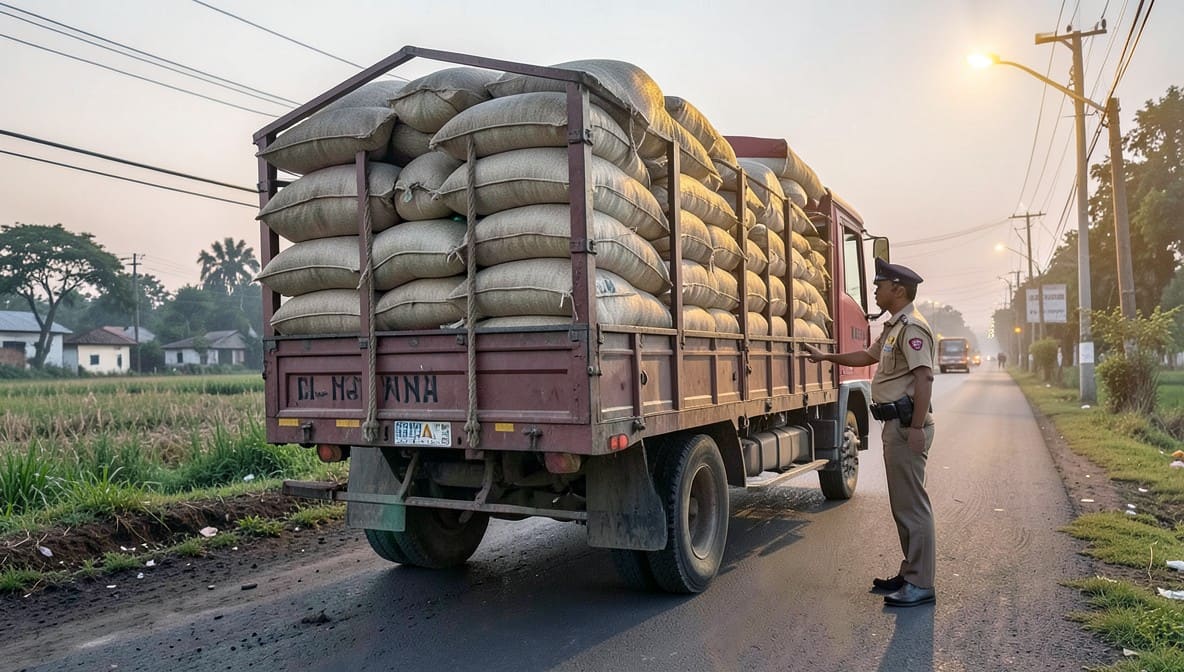
Clause 20(a) AP Targeted Public Distribution System (Control) Order 2018 | Police Lack Jurisdiction to Seize Essential Commodities: AP HC
Case Law Analysis
|Andhra Pradesh High Court

Clause 20(a) AP Targeted Public Distribution System (Control) Order 2018 | Police Lack Jurisdiction to Seize Essential Commodities: AP HC

Andhra Pradesh High Court holds that police officers have no authority under Clause 20(a) of the AP Targeted Public Distribution System (Control) Order 2018 to seize vehicles carrying essential commodities like rice. The ruling sets aside arbitrary seizures, reinforces natural justice, and directs immediate release of confiscated goods, impacting transporters and law enforcement agencies under the Essential Commodities Act.

Essential Commodities Act Sections 3 & 7 | FSL Report Not Mandatory to Prove PDS Diversion: Karnataka HC
Case Law Analysis
|Karnataka High Court

Essential Commodities Act Sections 3 & 7 | FSL Report Not Mandatory to Prove PDS Diversion: Karnataka HC

The Karnataka High Court has held that the absence of a Forensic Science Laboratory report does not invalidate prosecution for illegal diversion of essential commodities under the Essential Commodities Act, 1955. This removes a de facto evidentiary barrier for food inspectors and prosecutors, reinforcing that possession and unexplained origin of PDS stock can sustain charges without scientific verification.

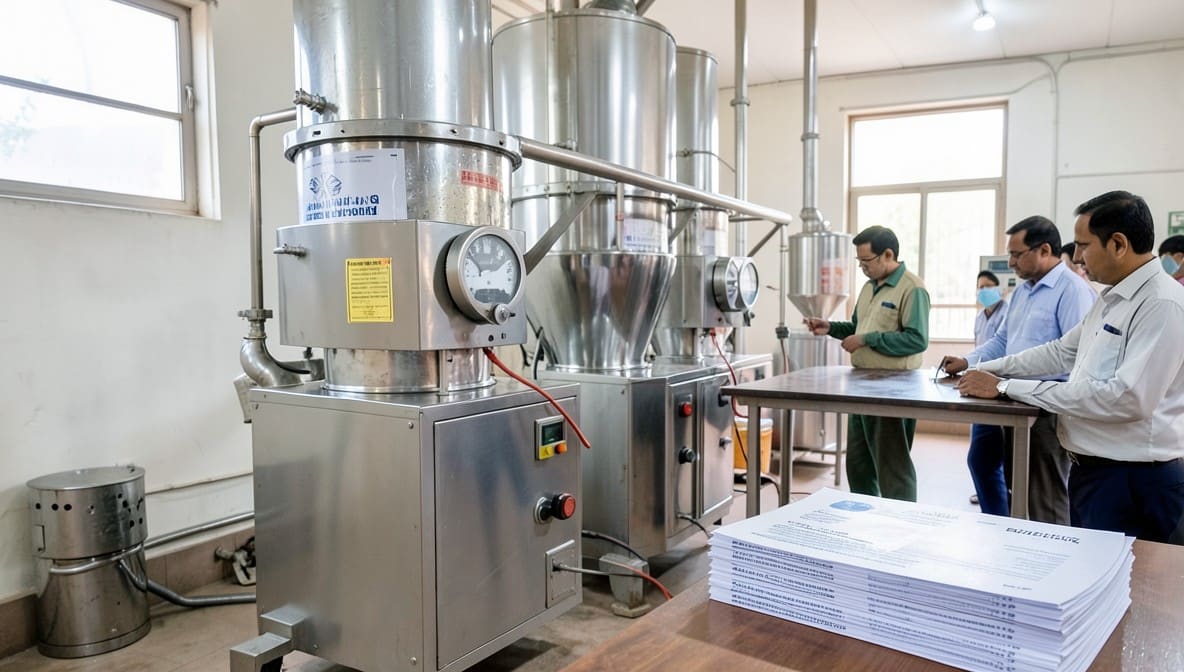
Standard Operating Procedures Under Food Safety Laws | FCI Directions Binding on Millers for Fortified Rice Compliance: Andhra Pradesh HC
Case Law Analysis
|Andhra Pradesh High Court

Standard Operating Procedures Under Food Safety Laws | FCI Directions Binding on Millers for Fortified Rice Compliance: Andhra Pradesh HC

The Andhra Pradesh High Court upheld the binding nature of FCI's Standard Operating Procedures (SOPs) for fortified rice quality control, rejecting millers' challenges. The court ruled that test results are final under appeal procedures, and millers' liability extends beyond mechanical blending, validating surprise inspections without prior notice.

Revisional Authorities Under PDS Laws Cannot Impose Monetary Recovery Without Express Statutory Power : Bombay HC
Case Law Analysis
|Bombay High Court

Revisional Authorities Under PDS Laws Cannot Impose Monetary Recovery Without Express Statutory Power : Bombay HC

The Bombay High Court has ruled that revisional authorities under the Public Distribution System framework lack inherent power to impose monetary penalties or recovery orders, even when misconduct is proven. This clarifies a critical boundary in administrative law: quasi-judicial review does not equate to legislative authority to levy financial sanctions, protecting fair price shop operators from arbitrary fiscal punishment.

Article 14 & 15 | Married Daughters Cannot Be Excluded from 'Family' in Fair Price Shop Allotment: SC Strikes Down Uttar Pradesh G.O. as Discriminatory
Case Law Analysis
|Supreme Court of India

Article 14 & 15 | Married Daughters Cannot Be Excluded from 'Family' in Fair Price Shop Allotment: SC Strikes Down Uttar Pradesh G.O. as Discriminatory

The Supreme Court has ruled that excluding married daughters from the definition of 'family' for compassionate allotment of fair price shops violates constitutional guarantees of equality and non-discrimination. The judgment mandates that dependency and residence, not marital status, must determine eligibility - empowering millions of women who sustain households after a dealer's death, regardless of marriage.

Natural Justice in PDS Contracts | Termination Without Notice Violates Articles 14, 19(1)(g) & 21 : Andhra Pradesh HC
Case Law Analysis
|Andhra Pradesh High Court

Natural Justice in PDS Contracts | Termination Without Notice Violates Articles 14, 19(1)(g) & 21 : Andhra Pradesh HC

Andhra Pradesh High Court quashes termination of a PDS contractor without notice, ruling that principles of natural justice apply even in essential public supply chains. The court held that abrupt termination without opportunity to be heard violates constitutional rights under Articles 14, 19(1)(g), and 21, setting a precedent for procedural fairness in government contracts.

Clause 16, Chhattisgarh PDS Control Order, 2016 | Suspension of Fair Price Shop Invalid Without Hearing and Beyond 3-Month Deadline : CGHC
Case Law Analysis
|Chhattisgarh High Court

Clause 16, Chhattisgarh PDS Control Order, 2016 | Suspension of Fair Price Shop Invalid Without Hearing and Beyond 3-Month Deadline : CGHC

The Chhattisgarh High Court quashed the suspension of a Fair Price Shop license for violating the mandatory 3-month timeline to conclude proceedings and denying the licensee a hearing, reinforcing that procedural fairness under administrative law cannot be bypassed even in public distribution cases. This ruling protects thousands of women-led self-help groups operating FPS outlets from arbitrary state action.

Article 14 & 19(1)(g) | Arbitrary Age Limit for Fair Price Shop Dealerships Struck Down as Manifestly Unreasonable : Calcutta HC
Case Law Analysis
|Calcutta High Court

Article 14 & 19(1)(g) | Arbitrary Age Limit for Fair Price Shop Dealerships Struck Down as Manifestly Unreasonable : Calcutta HC

Calcutta High Court rules that a 45-year age cap for Fair Price Shop dealerships under the West Bengal Targeted Public Distribution System Order is arbitrary and violates constitutional guarantees of equality and freedom of trade. The judgment mandates the state to consider all eligible applicants regardless of age, reinforcing that classification must have a rational nexus to the object sought to be achieved.

Proportionality Principle | Minor Procedural Lapses in Ration Shop Cannot Justify Full Forfeiture of Security Deposit Under Maharashtra Government Resolution 1991 : Bombay HC
Case Law Analysis
|Bombay High Court

Proportionality Principle | Minor Procedural Lapses in Ration Shop Cannot Justify Full Forfeiture of Security Deposit Under Maharashtra Government Resolution 1991 : Bombay HC

The Bombay High Court struck down the suspension of a ration shop license and total forfeiture of a Rs. 5,000 security deposit for trivial administrative oversights, holding that such penalties violate the doctrine of proportionality and contradict the State's own punitive framework under Government Resolution 1991. This ruling reinforces that public authorities must tailor sanctions to the gravity of the breach, protecting small retailers from disproportionate state action under the Public Distribution System.