The Allahabad High Court has clarified that the cancellation of a fair price shop licence under the Essential Commodities Act is justified when a charge sheet is filed for violation of licence conditions, even if the offence occurred during the licence's currency. The judgment distinguishes earlier Full Bench rulings that held mere FIR lodging insufficient for cancellation, emphasizing that post-licence offences under specific statutes warrant stricter scrutiny.
Background & Facts
The Dispute
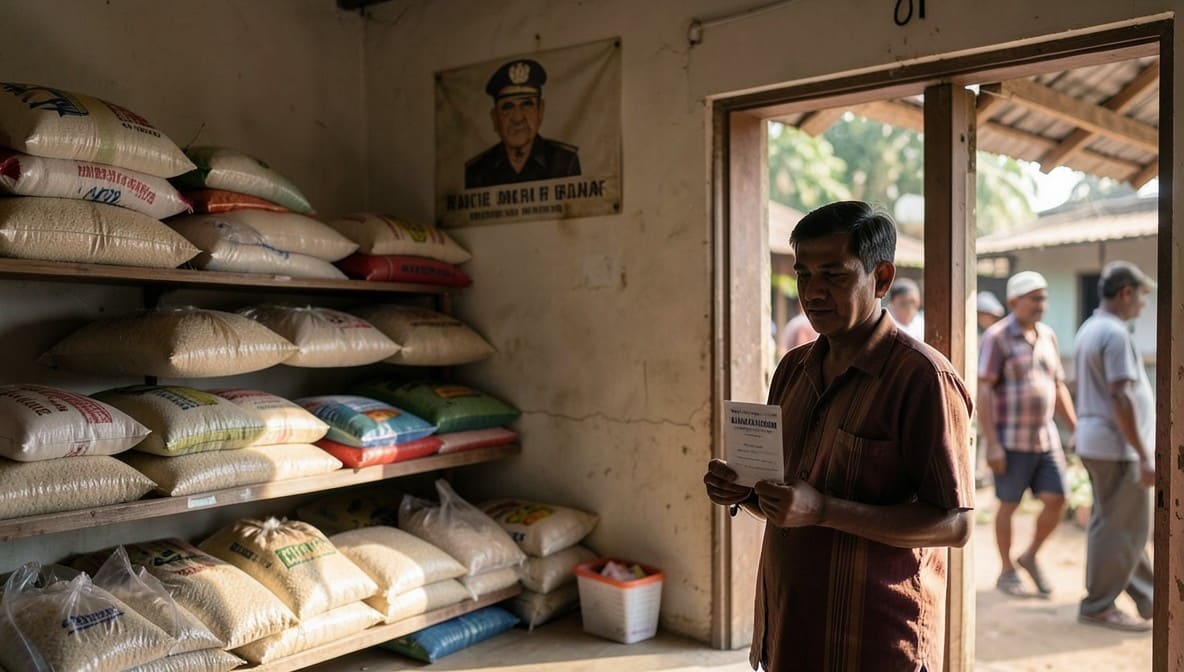
The petitioner, Draupadi Devi, held a fair price shop licence under the Public Distribution System (PDS). On an unspecified date, she was accused of attempting to sell foodgrains reserved for consumers to an unauthorized party. This act allegedly violated Sections 3 and 7 of the Essential Commodities Act, 1955, which regulate the distribution and sale of essential commodities to prevent black-marketing and hoarding.
Key Facts
A First Information Report (FIR) was lodged against the petitioner under Sections 3/7 of the Essential Commodities Act for diverting foodgrains
A recovery of the diverted foodgrains was made from the petitioner
A charge sheet was subsequently filed against the petitioner, though copies of the FIR and charge sheet were not placed on record
The petitioner’s fair price shop licence was cancelled on the basis of the alleged offence
Procedural History
Date of FIR: Not specified in the judgment
Date of Charge Sheet: Not specified, but confirmed to have been filed
Date of Licence Cancellation: Not specified, but occurred post-charge sheet
Date of Writ Petition: Filed as Writ - C No. 20583 of 2026 before the Allahabad High Court
The Parties' Positions
Petitioner’s Argument
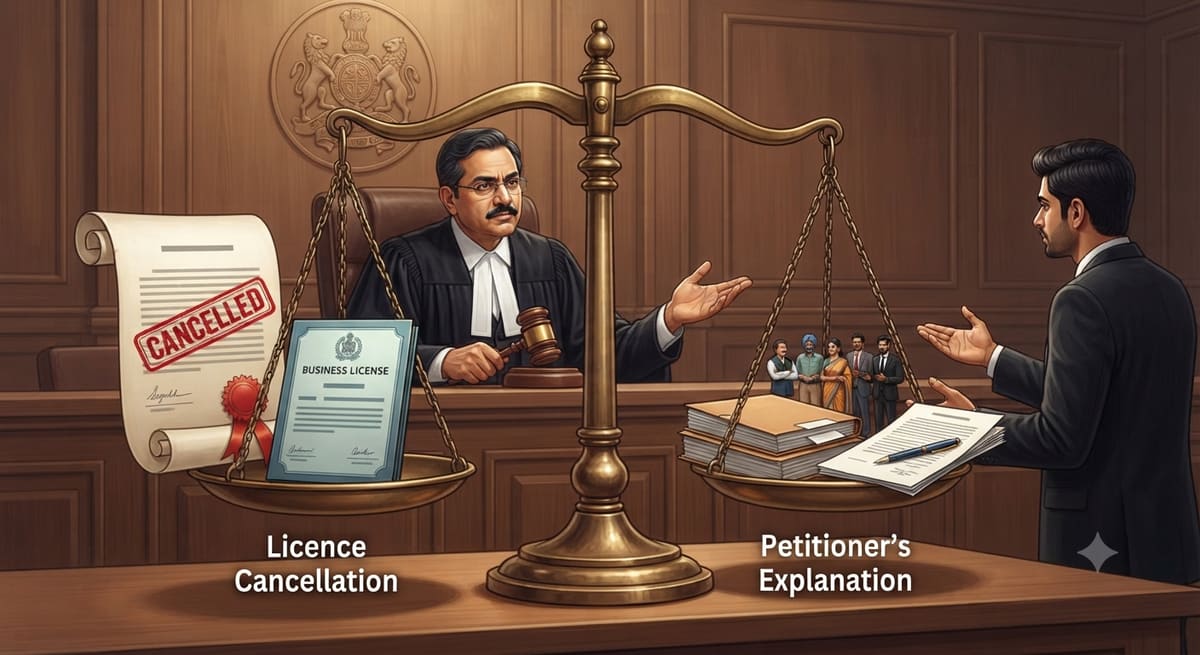
The petitioner relied on a Full Bench judgment of the Allahabad High Court in Bajrangi Tiwari vs. The Commissioner Devi Patan Mandal Gonda and another (Misc. Single No. 8033 of 2013, decided on 26.10.2017). This judgment, interpreting a Government Order issued in 2002, held that mere lodging of an FIR is insufficient grounds for cancelling a fair price shop licence. The petitioner argued that the cancellation was unjustified as it was based solely on the FIR, without considering the merits of the case.
Respondent’s Argument
The State, represented by the Standing Counsel, contended that the petitioner’s case was materially distinct from Bajrangi Tiwari. The Full Bench in that case had addressed eligibility considerations at the stage of licence issuance, whereas the petitioner’s offence occurred during the currency of the licence and involved a violation of the Essential Commodities Act. The State argued that the petitioner’s act of diverting foodgrains constituted a clear breach of licence conditions, justifying cancellation.
Relief Sought
The petitioner sought quashing of the impugned order cancelling her fair price shop licence and restoration of the licence.
The Legal Issue
The central question was whether the cancellation of a fair price shop licence under the Essential Commodities Act is justified solely on the basis of a charge sheet being filed, particularly when the offence occurred during the licence's validity, and whether such cancellation is distinguishable from the principles laid down in Bajrangi Tiwari.
Arguments Presented
For the Petitioner
The petitioner’s counsel argued that the Full Bench judgment in Bajrangi Tiwari established a precedent that mere lodging of an FIR cannot be grounds for licence cancellation. The petitioner contended that the State had not demonstrated any substantive violation beyond the FIR and charge sheet, and thus, the cancellation was arbitrary and contrary to the principles of natural justice.
For the Respondent
The State countered that Bajrangi Tiwari was not applicable to the present case. The Full Bench in that case had dealt with eligibility criteria at the stage of licence issuance, whereas the petitioner’s offence involved active violation of the Essential Commodities Act during the licence’s currency. The State emphasized that the petitioner’s act of diverting foodgrains was a clear breach of licence conditions, and the filing of a charge sheet provided prima facie evidence of such violation, justifying cancellation.
The Court's Analysis
The Court undertook a comparative analysis of the facts in Bajrangi Tiwari and the present case. It observed that the Full Bench in Bajrangi Tiwari had addressed eligibility considerations at the stage of licence issuance, where the nature of allegations was not related to the Essential Commodities Act. In contrast, the petitioner’s case involved an offence under the Essential Commodities Act committed during the licence’s validity, which constituted a direct violation of licence conditions.
The Court held that the filing of a charge sheet provided more than prima facie evidence against the petitioner, indicating that she had committed an offence under the Essential Commodities Act. This act, being a clear violation of licence conditions, justified the cancellation of the licence. The Court distinguished the present case from Bajrangi Tiwari on the grounds that the latter did not involve an active offence during the licence’s currency.
"The issue before the Full Bench was with regard to consideration at the stage of eligibility and considering the nature of allegations therein, which was not related to the Essential Commodities Act. The reference was answered accordingly. Whereas, in the present case, after the fair price shop licence was issued to the petitioner, she was involved in an offence under the Essential Commodities Act, which is a clear violation of the conditions of the licence and it is an act undertaken during the currency of the licence. Therefore, the facts of the present case are absolutely different from the issue considered by the Full Bench in Bajrangi Tiwari."
The Court further emphasized that the charge sheet’s filing strengthened the State’s case, as it indicated that the petitioner had committed an offence under the Act, thereby justifying the cancellation.
The Verdict
The Allahabad High Court dismissed the writ petition and upheld the cancellation of the petitioner’s fair price shop licence. The Court held that the filing of a charge sheet under the Essential Commodities Act, coupled with the violation of licence conditions during its currency, provided sufficient grounds for cancellation. The petitioner’s reliance on Bajrangi Tiwari was rejected as the facts of the two cases were materially distinct.
What This Means For Similar Cases
Licence Cancellation Post-Charge Sheet: A Higher Threshold
This judgment establishes that licence cancellation under regulatory statutes like the Essential Commodities Act can be justified solely on the basis of a charge sheet being filed, provided the offence occurred during the licence’s validity. Practitioners must note:
Charge Sheet as Prima Facie Evidence: The filing of a charge sheet can serve as more than prima facie evidence of a licence violation, particularly when the offence is committed during the licence’s currency
Distinction from Eligibility Cases: Licence cancellation cases involving post-issuance offences will be treated differently from those involving eligibility considerations at the stage of issuance
Essential Commodities Act Violations: Strict Scrutiny
Active Offences During Licence Currency: Violations of the Essential Commodities Act committed during the licence’s validity will attract stricter scrutiny and are more likely to result in licence cancellation
No Automatic Relief from Precedents: Reliance on precedents like Bajrangi Tiwari will not succeed if the facts involve post-licence offences under specific statutes, as opposed to mere procedural lapses at the eligibility stage
Practical Implications for Licensees
Compliance with Licence Conditions: Licensees must ensure strict compliance with the conditions of their licences, particularly under statutes like the Essential Commodities Act, to avoid cancellation
Challenge Cancellation Orders on Factual Grounds: If challenging a cancellation order, licensees must distinguish their case from precedents like Bajrangi Tiwari by demonstrating that the offence did not occur during the licence’s currency or that the charge sheet lacks merit