
Topic

Personal Injury

Personal injury under Indian law refers to physical or psychological harm caused by accidents, negligence, or wrongful acts, particularly in motor accident claims governed by the Motor Vehicles Act.

67 articlesLatest August 2026
Loss of Income & Attendant Fees Recognised in Compensation Assessment | Motor Accident Claim under Sec 166 MVA 1988 : Punjab & Haryana HC
Case Law Analysis
|Punjab and Haryana High Court

Loss of Income & Attendant Fees Recognised in Compensation Assessment | Motor Accident Claim under Sec 166 MVA 1988 : Punjab & Haryana HC

The Punjab & Haryana High Court raised the award for a two-and-a-half-year-old victim, ordering compensation for future loss of earnings and attendant-care fees in addition to interest, thereby expanding the basis for personal injury damages under Section 166. This sets a higher benchmark for claims involving child victims and similar loss-of-income calculations.
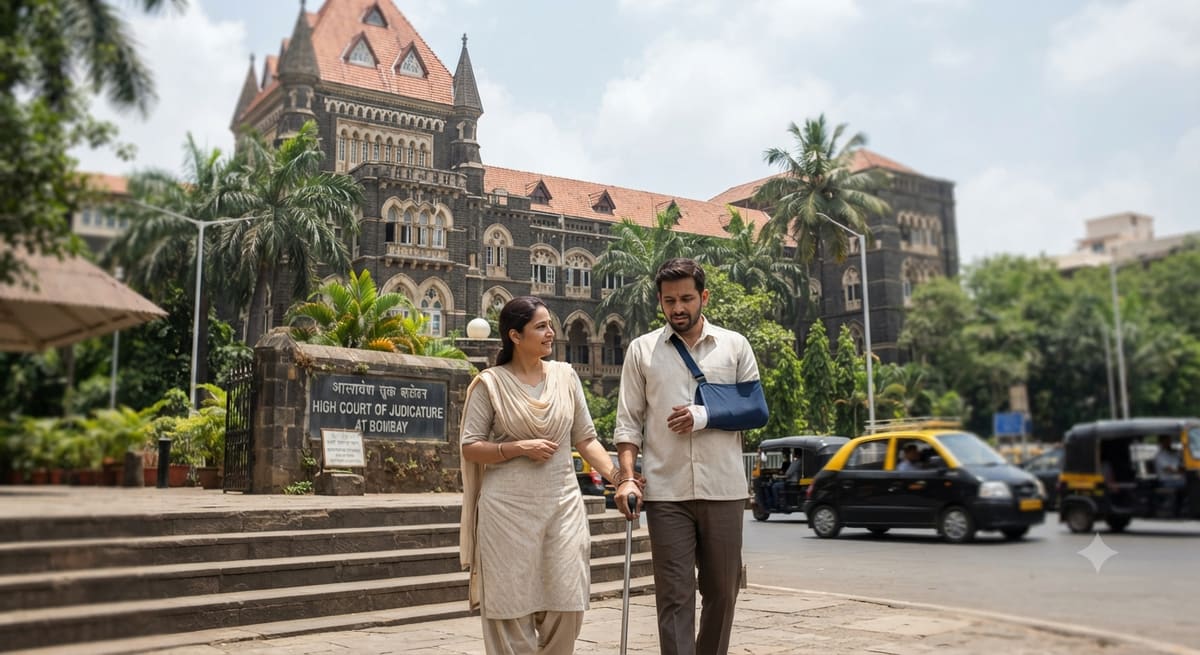

Motor Vehicles Act | Bombay HC Sets Rs. 30,000 Notional Income Benchmark & Rs. 48,000 Consortium Per Dependent in Fatal Accident Claims
Case Law Analysis
|Bombay High Court

Motor Vehicles Act | Bombay HC Sets Rs. 30,000 Notional Income Benchmark & Rs. 48,000 Consortium Per Dependent in Fatal Accident Claims

Bombay High Court revises compensation norms in fatal motor accident cases, establishing Rs. 30,000 as notional annual income for deceased graduates assisting in family businesses and awarding Rs. 48,000 consortium per dependent. The ruling reduces personal expense deduction to 1/2 for bachelors with unmarried siblings, impacting future claims under the Motor Vehicles Act.

Motor Accident Claims | Preponderance of Probabilities Standard Overrides Concurrent Findings on Negligence : SC
Case Law Analysis
|Supreme Court of India

Motor Accident Claims | Preponderance of Probabilities Standard Overrides Concurrent Findings on Negligence : SC

The Supreme Court reiterated that motor accident compensation claims must be adjudicated on the 'preponderance of probabilities' standard, not criminal law standards. The ruling sets aside concurrent findings of negligence where the Tribunal and High Court failed to apply this civil law principle, impacting compensation calculations under the Motor Vehicles Act 1988.

Motor Accident Compensation | Minimum Wages Act Mandates Rs. 4,545/Month Income Benchmark Under Pranay Sethi : MP HC
Case Law Analysis
|Madhya Pradesh High Court

Motor Accident Compensation | Minimum Wages Act Mandates Rs. 4,545/Month Income Benchmark Under Pranay Sethi : MP HC

MP High Court enhances compensation from Rs. 3.4 lakh to Rs. 7.97 lakh by applying the Minimum Wages Act's Rs. 4,545/month benchmark for deceased unskilled laborers, reinforcing future prospects and filial consortium under Pranay Sethi. The ruling sets a precedent for tribunals to avoid underestimating dependency loss in fatal accident claims.

Motor Vehicles Act | Dependency of Parents & Sister Must Be Proven Through Pleadings and Unrebutted Evidence : MP HC Modifies MACT Award
Case Law Analysis
|Madhya Pradesh High Court

Motor Vehicles Act | Dependency of Parents & Sister Must Be Proven Through Pleadings and Unrebutted Evidence : MP HC Modifies MACT Award

Madhya Pradesh High Court rules that dependency claims of parents and siblings under the Motor Vehicles Act cannot be dismissed merely for non-appearance as witnesses if their dependency is pleaded and remains unrebutted. The Court modified the MACT award to include the deceased's parents and sister as dependents, reinforcing that compensation must align with pleaded facts and evidence, not procedural defaults.

Income Tax Returns Admissible as Primary Evidence for Deceased's Income in Motor Accident Claims | MP HC
Case Law Analysis
|Madhya Pradesh High Court

Income Tax Returns Admissible as Primary Evidence for Deceased's Income in Motor Accident Claims | MP HC

The Madhya Pradesh High Court has ruled that Income Tax Returns filed by the deceased are reliable and sufficient evidence to determine income for compensation under the Motor Vehicles Act, 1988, overturning the Tribunal's reliance on speculative earnings. This sets a critical precedent for claimants across India, ensuring fairer compensation by recognizing formal tax filings over arbitrary income estimates.

Pranay Sethi Principles | Bombay HC Revises Disability Assessment from 8% to 10% Based on Evidence : Bombay HC
Case Law Analysis
|Bombay High Court

Pranay Sethi Principles | Bombay HC Revises Disability Assessment from 8% to 10% Based on Evidence : Bombay HC

Bombay High Court enhances motor accident compensation by applying the Pranay Sethi principles, revising the disability assessment from 8% to 10% after evaluating evidentiary gaps. The ruling underscores the need for tribunals to balance equity in income and disability calculations, ensuring compensation reflects actual loss of earning capacity.

Functional Disability Assessment Must Be Occupation-Specific Under Pranay Sethi Guidelines : Bombay HC Enhances Compensation for Drivers
Case Law Analysis
|Bombay High Court

Functional Disability Assessment Must Be Occupation-Specific Under Pranay Sethi Guidelines : Bombay HC Enhances Compensation for Drivers

Bombay HC rules that functional disability in motor accident compensation must reflect the claimant’s occupation-specific impact, not just medical ratings. Applying the Supreme Court’s Pranay Sethi guidelines retroactively, the Court enhanced compensation for drivers, emphasizing income-based disability assessment over generic medical percentages.

Motor Accident Compensation | Medical Board Certificate Must Prevail Over Private Doctor’s Assessment: Bombay HC
Case Law Analysis
|Bombay High Court

Motor Accident Compensation | Medical Board Certificate Must Prevail Over Private Doctor’s Assessment: Bombay HC

Bombay High Court rules that functional disability in motor accident claims must align with the medical board’s certificate, not private assessments. The judgment reinforces that tribunals must accept board-certified disability percentages as conclusive evidence unless proven fraudulent, impacting compensation calculations for claimants.

Motor Accident Compensation | ITR-Based Income Assessment Must Be Contextual, Not Mechanical: SC Distinguishes Salaried vs Self-Employed Claimants
Case Law Analysis
|Supreme Court of India

Motor Accident Compensation | ITR-Based Income Assessment Must Be Contextual, Not Mechanical: SC Distinguishes Salaried vs Self-Employed Claimants

The Supreme Court ruled that income tax returns (ITRs) cannot be mechanically applied to determine compensation under the Motor Vehicles Act. Courts must evaluate ITRs contextually, considering the deceased’s employment status-salaried individuals’ ITRs reflect actual income, while self-employed claimants’ ITRs may understate earnings due to business deductions. The judgment mandates a nuanced approach to prevent unjust compensation reductions, impacting insurers, claimants, and tribunals.

Section 124A Railways Act | Strict Liability Excludes Trespass-Related Deaths: Kerala HC Denies Compensation for Self-Inflicted Track Deaths
Case Law Analysis
|Kerala High Court

Section 124A Railways Act | Strict Liability Excludes Trespass-Related Deaths: Kerala HC Denies Compensation for Self-Inflicted Track Deaths

Kerala High Court holds that compensation under Section 124A of the Railways Act is not payable for deaths resulting from trespass on railway tracks, distinguishing such cases from accidents involving lawful passengers. The ruling clarifies that strict liability does not extend to self-inflicted injuries, impacting compensation claims for track-related fatalities.