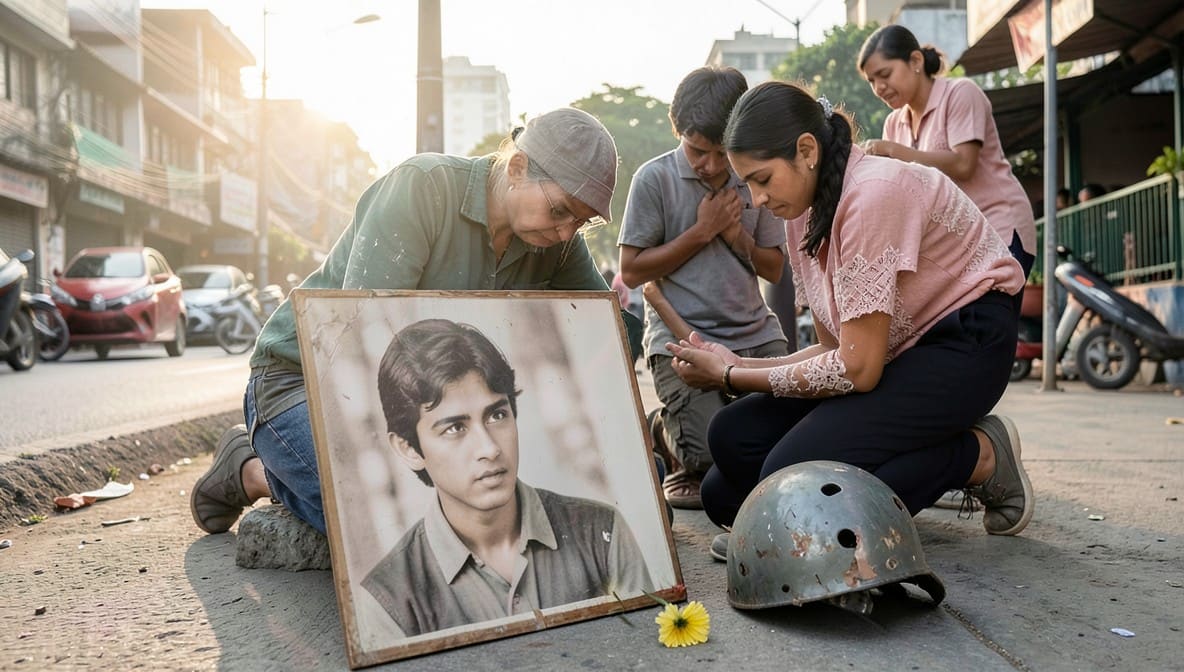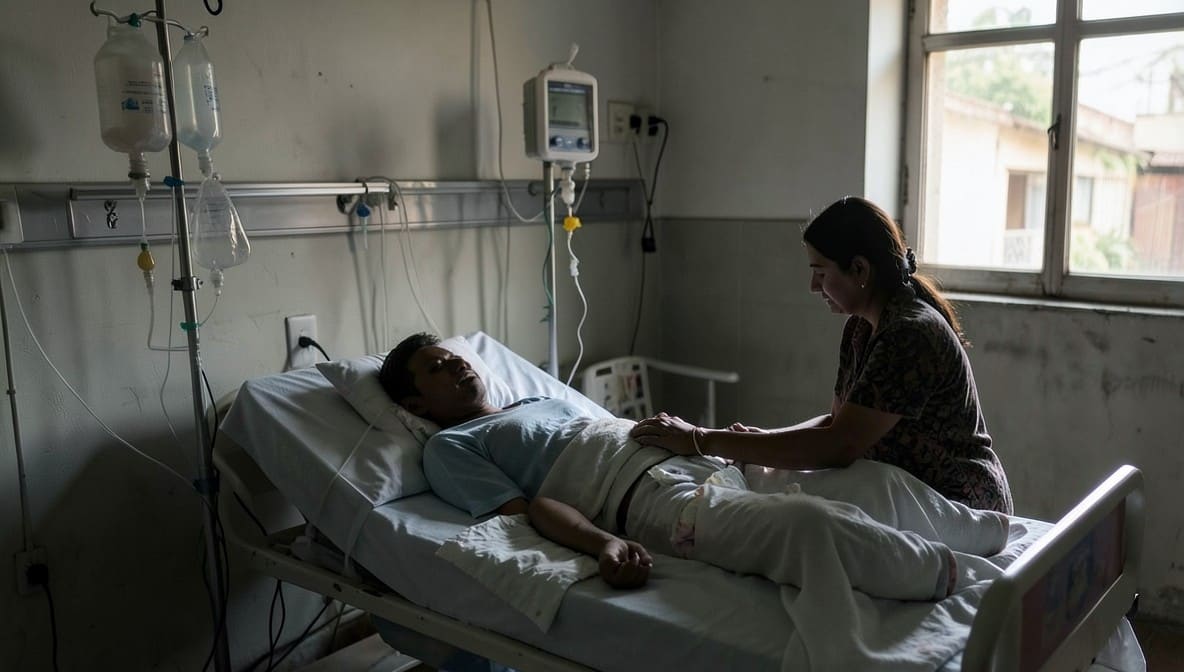
The Bombay High Court delivered a landmark judgment in Kumari Trupti Umakant Kavale v. Ramdas V. Shetty, enhancing compensation from Rs. 7,04,000 to Rs. 44,34,000 for a minor who remained in a vegetative state for 16 years following a road accident. The Court recognized the inadequacy of the Tribunal's award, particularly for daily medical expenses, and established a reasonable daily expenditure benchmark for prolonged coma cases under social welfare legislation.
Background & Facts
The Dispute
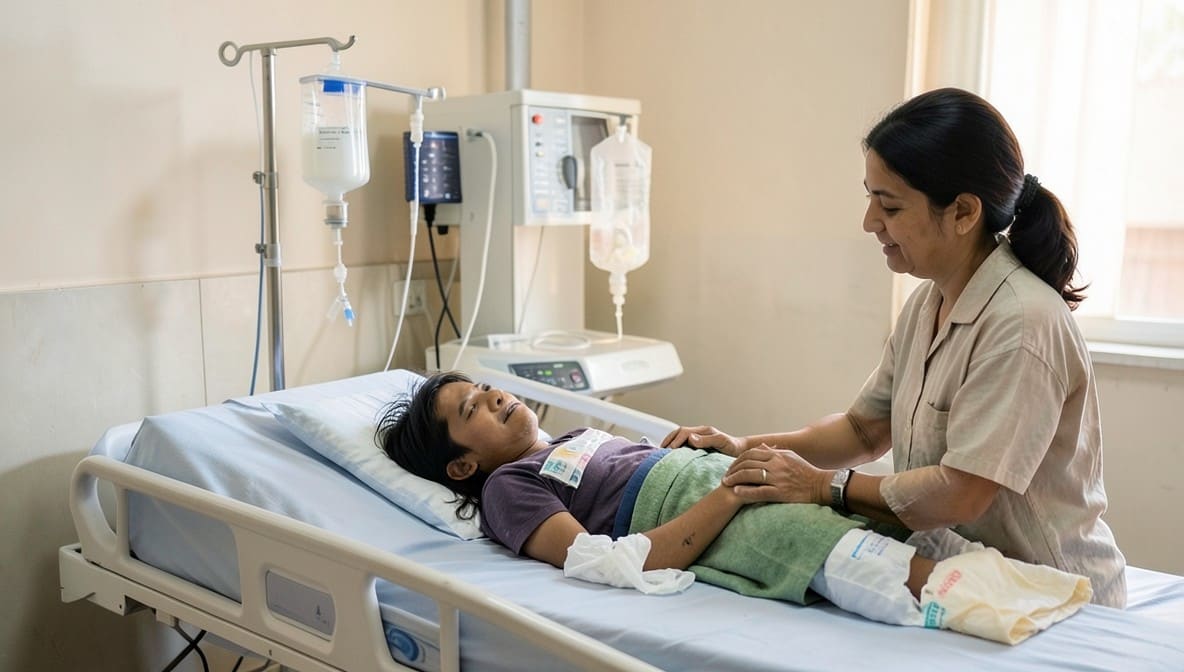
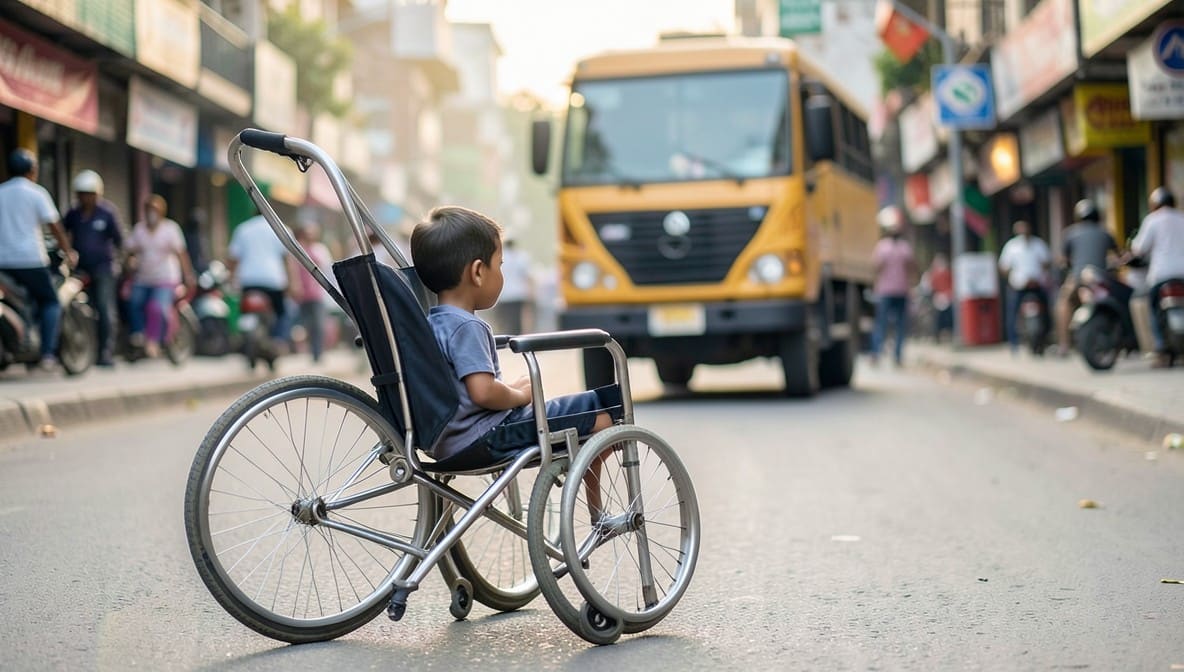
The appellant, Umakant Kavale, filed this appeal on behalf of his minor daughter, Trupti Kavale, who suffered fatal injuries in a road accident on 5 March 2003. Trupti, then 12 years old, was cycling home from tuition when a Maruti Omni van, insured with The New India Assurance Co. Ltd., dashed her, causing severe brain hemorrhage. Despite extensive medical treatment across Nashik and Mumbai, she remained in a coma until her death on 5 February 2019.
Key Facts
- Accident Date: 5 March 2003
- Hospitalization Period: 5 March 2003 to 24 June 2003
- Home Care Period: 25 June 2003 to 5 February 2019 (5,701 days)
- Death Date: 5 February 2019
- Claimant’s Status: Father of the deceased, sole caregiver after the mother’s death in 2016
- Tribunal Award: Rs. 7,04,000 under various heads, including hospital bills, pain and suffering, and future medical expenses
Procedural History
- 15.07.2003: Claim petition filed before the Motor Accident Claims Tribunal, Nashik
- 2007: Tribunal awarded Rs. 7,04,000 (details below)
- 2019: Trupti Kavale passed away during pendency of appeal
- 10.07.2026: Bombay High Court delivered judgment enhancing compensation
Tribunal’s Compensation Breakdown
| Particulars | Amount (Rs.) |
|---|---|
| Hospital bills (presumptive) | 2,04,000 |
| Medicines (rough bills) | 15,000 |
| Transport expenses (Mumbai) | 15,000 |
| Pain and suffering | 50,000 |
| Future sufferings and medication | 1,50,000 |
| Future income | 2,00,000 |
| Leave pay | 50,000 |
| Special diet | 20,000 |
| Total | 7,04,000 |
Relief Sought
The appellant sought enhancement of compensation, arguing:
- The Tribunal’s award was grossly inadequate for 16 years of coma care.
- Daily expenses for medical supplies (urine bags, catheters, diapers, etc.) and attendants amounted to Rs. 1,500 per day, totaling Rs. 85,51,500.
- The pain and suffering of losing an only child in a prolonged vegetative state warranted higher compensation.
The Legal Issue
The central question was whether the Motor Accident Claims Tribunal erred in:
- Awarding Rs. 7,04,000 as just compensation for 16 years of coma care.
- Failing to account for daily medical expenses post-hospitalization under social welfare principles.
- Applying strict evidentiary standards for expenses incurred during prolonged home care.
Arguments Presented
For the Appellant
- Daily Expenses: Submitted that Rs. 1,500 per day was spent on medical supplies, attendants, and physiotherapy from 25 June 2003 to 5 February 2019, totaling Rs. 85,51,500.
- Pain and Suffering: Argued that Rs. 50,000 for pain and suffering was meagre given the loss of an only child.
- Medical Evidence: Highlighted that the Tribunal ignored original medical bills and registers maintained by the father.
For the Respondent (Insurance Company)
- Lack of Evidence: Contended that no strict proof was led for daily expenses post-hospitalization.
- Admission in Cross-Examination: Relied on the father’s admission that daily expenses were Rs. 800 - 900, not Rs. 1,500.
- Precedents Cited:
- Sudhir Bhulya v. National Insurance Co. Ltd. (doctor’s evidence required for disability)
- Rajesh Kumar Kaushik v. Tej Narayan Singh (strict proof for medical expenses)
- Oriental Insurance Co. Ltd. v. Sh. Praveen (burden of proof on claimant)
The Court's Analysis
The Court critically examined the Tribunal’s award and the social welfare objectives of the Motor Vehicles Act, 1988, emphasizing that strict evidentiary standards cannot defeat justice in cases of prolonged suffering.
Daily Medical Expenses
- Tribunal’s Error: The Tribunal awarded Rs. 1,50,000 for future medical expenses but failed to account for 16 years of home care.
- Court’s Estimate: After perusing chemist bills, registers, and medical records, the Court estimated Rs. 600 per day as reasonable expenditure:
- Nursing charges: Rs. 300
- Urine bags: Rs. 50
- Syringes: Rs. 15
- Diapers: Rs. 60
- Feeding tubes: Rs. 24
- Medicines/doctor visits: Rs. 151
- Total for 5,701 Days: Rs. 34,20,600 (rounded to Rs. 35,00,000).
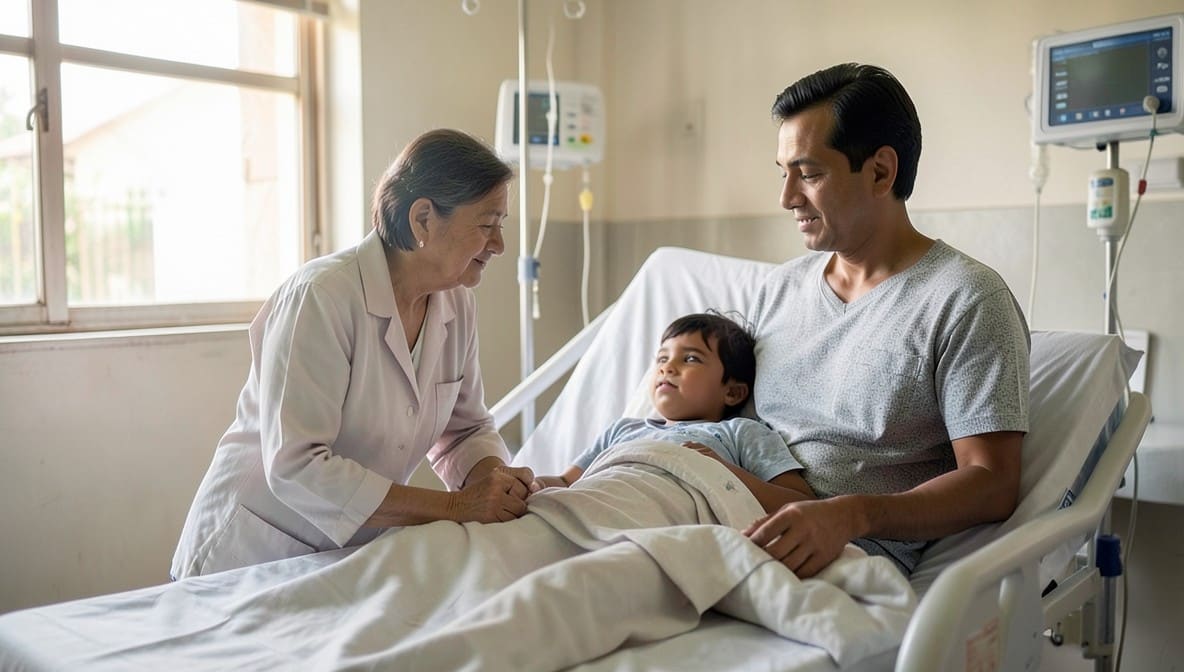
"When a person is in a vegetative condition and at home, one cannot lose sight that various expenses are required to be incurred on the patient. These expenses would be in the nature of urine bags, catheters, feeding tubes, syringes, adult diapers, general medicines, salary of nurses, special diets, doctor's visits, etc. It cannot be said that these expenses were never incurred. At the same time, to expect the claimant to keep a detailed account of each and every expenditure supported by the original bills and to prove the same in accordance with strict proof of evidence law is also not acceptable moreso when we are dealing with social welfare legislation."
Pain and Suffering
- The Tribunal awarded Rs. 50,000 for pain and suffering, which the Court deemed grossly inadequate.
- Enhanced to Rs. 1,00,000, acknowledging the insurmountable grief of losing an only child in a prolonged coma.
Funeral Expenses and Loss of Consortium
- Applied the Supreme Court’s decision in National Insurance Co. Ltd. v. Pranay Sethi:
- Funeral expenses: Rs. 18,000
- Loss of estate: Rs. 18,000
- Loss of consortium: Rs. 48,000
- Loss of amenities: Rs. 50,000
- Total: Rs. 1,34,000 (added to enhanced compensation).
Disability and Future Income
- Tribunal’s Contradiction: Observed that the daughter had permanent disability but did not rely on medical evidence.
- Court’s Finding: Since the daughter was in a vegetative state, 100% disability was implicit. No medical certificate was required to prove this.
- Future Income: The Tribunal awarded Rs. 2,00,000, which the Court did not disturb.
Transportation and Leave Pay
- Transportation: Enhanced from Rs. 15,000 to Rs. 30,000, considering 180 - 200 km trips between Nashik and Mumbai for 4 months.
- Leave Pay: Upheld the Tribunal’s award of Rs. 50,000 for the father’s earned leave.
The Verdict
The Bombay High Court allowed the appeal in part, enhancing the compensation as follows:
- Enhanced Compensation: Rs. 37,30,000 (over and above the Tribunal’s Rs. 7,04,000).
- Daily Medical Expenses: Rs. 35,00,000 (Rs. 600/day for 5,701 days).
- Pain and Suffering: Rs. 50,000 (enhanced from Rs. 50,000 to Rs. 1,00,000).
- Funeral/Loss of Consortium: Rs. 84,000 (as per Pranay Sethi).
- Loss of Amenities: Rs. 50,000.
- Total Compensation: Rs. 44,34,000 (Rs. 7,04,000 + Rs. 37,30,000).
- Interest:
- Tribunal Award: 7.5% p.a. (undisturbed).
- Enhanced Amount: 6% p.a. from the date of application till realization.
- Compliance: The insurance company must deposit Rs. 37,30,000 with interest within 12 weeks before the Tribunal.
What This Means For Similar Cases
Social Welfare Over Strict Proof
- Courts must balance evidentiary standards with humanitarian considerations, especially in prolonged coma cases.
- Daily medical expenses can be estimated based on illustrative bills and registers, even if not exhaustive.
Daily Expenditure Benchmark
- Rs. 600/day set as a reasonable benchmark for home care of coma patients, covering:
- Nursing charges
- Medical supplies (diapers, catheters, syringes)
- Doctor visits and medicines
- Practitioners should argue for higher amounts where detailed records are available.
Compensation for Loss of Consortium and Amenities
- Loss of consortium (Rs. 48,000) and loss of amenities (Rs. 50,000) are separate heads under Pranay Sethi.
- Funeral expenses (Rs. 18,000) are mandatory in death-linked claims.
Multiplier and Notional Income
- Death compensation (Rs. 4 - 5 lakhs) was not awarded separately as the enhanced daily expenses covered the shortfall.
- Courts may adjust estimates to avoid double compensation where heads overlap.