Topic

Locus Standi

Locus standi in Indian law determines who has the legal right to approach a court, requiring a direct and personal injury or sufficient public interest nexus under Article 226 or other remedies.

31 articlesLatest 1 week ago
Multiple Compounding Barred; Air Force Land Excluded from FAR; Completion Certificate Mandatory Pre-Transfer : Allahabad HC
Case Law Analysis
|Allahabad High Court

Multiple Compounding Barred; Air Force Land Excluded from FAR; Completion Certificate Mandatory Pre-Transfer : Allahabad HC

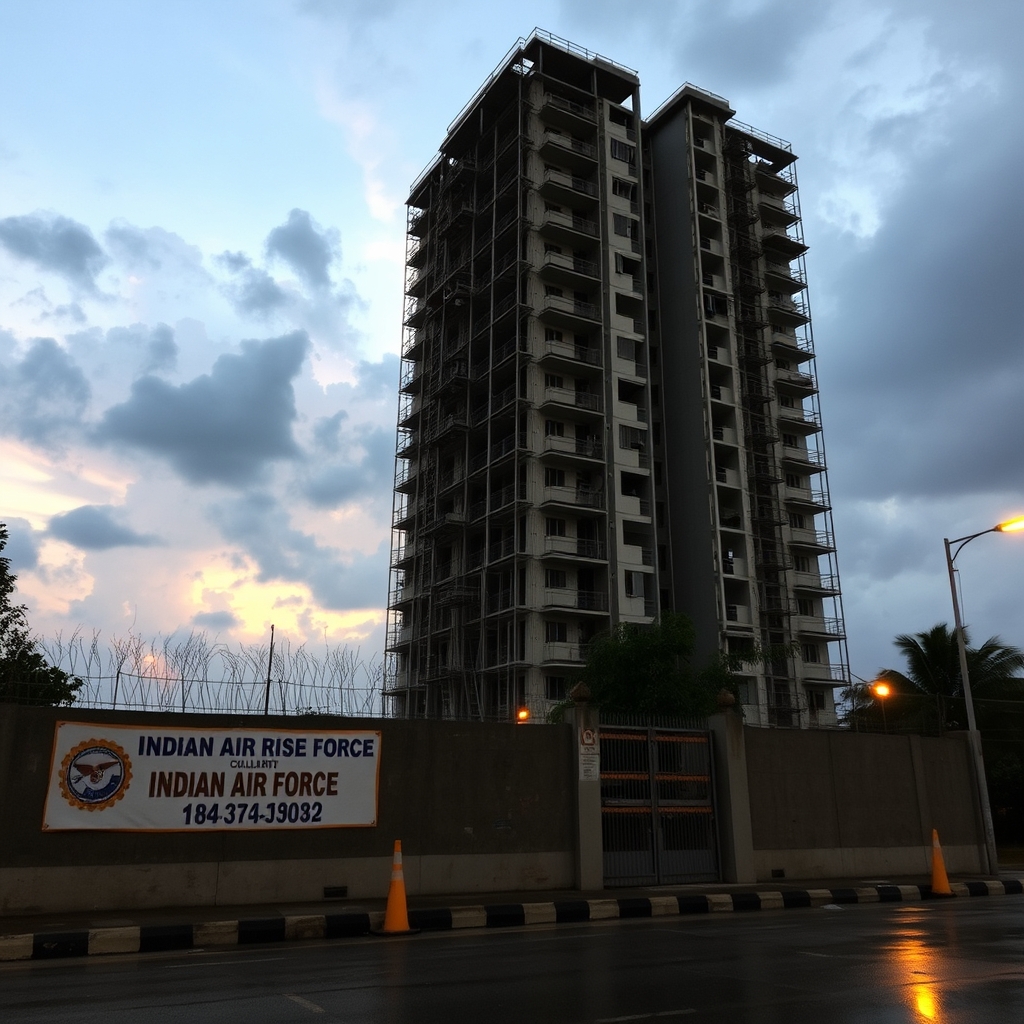
The Allahabad HC quashed a third compounding order for Gulmohar Greens, holding repeated compounding for identical offences barred. It ruled Air Force land cannot count toward FAR, mandated prior apartment-owner consent for alterations under the UP Apartment Act, and required a completion certificate before flat transfers. Demolition of unauthorized floors and a fresh police probe were ordered.


Order VII Rule 11 CPC | Plaintiff’s suit cannot be dismissed on basis of defendant’s de-registration; decision rests on plaint’s averments : J&K HC
Case Law Analysis
|Jammu & Kashmir and Ladakh High Court

Order VII Rule 11 CPC | Plaintiff’s suit cannot be dismissed on basis of defendant’s de-registration; decision rests on plaint’s averments : J&K HC

The Jammu & Kashmir High Court ruled that an Order VII Rule 11 application to dismiss a civil suit must be decided solely on the pleadings, not on the defendant society’s de-registration. This safeguards plaintiffs from dismissal merely because the opponent lacks current registration and clarifies locus-standi under the CPC.

Rule 1(3-A) Allahabad HC Rules | Mandatory Credentials Affidavit Non-Compliance Bars PIL Maintainability : Allahabad HC
Case Law Analysis
|Allahabad High Court

Rule 1(3-A) Allahabad HC Rules | Mandatory Credentials Affidavit Non-Compliance Bars PIL Maintainability : Allahabad HC

Allahabad High Court dismisses a Public Interest Litigation for failing to comply with Rule 1(3-A) of the Allahabad HC Rules, which mandates a sworn affidavit disclosing the petitioner's credentials, public cause, and absence of personal interest. The ruling reinforces procedural compliance as a prerequisite for PIL maintainability, impacting all future PIL filings in the Lucknow Bench.

Section 92 CPC | Locus Standi and Prima Facie Case Mandatory for Public Trust Suits: Kerala HC Dismisses Appeal Against Salvation Army Entities
Case Law Analysis
|Kerala High Court

Section 92 CPC | Locus Standi and Prima Facie Case Mandatory for Public Trust Suits: Kerala HC Dismisses Appeal Against Salvation Army Entities

Kerala High Court reinforces that plaintiffs under Section 92 CPC must establish both locus standi and a prima facie case to sue religious or charitable trusts. The ruling bars frivolous litigation against public trusts by setting a strict threshold for maintainability, impacting trustees, beneficiaries, and litigants in property disputes involving charitable organizations.

Section 257 Maharashtra Land Revenue Code | Executive Instructions Cannot Retrospectively Invalidate Occupancy Class-I Conversion Order : Bombay HC
Case Law Analysis
|Bombay High Court

Section 257 Maharashtra Land Revenue Code | Executive Instructions Cannot Retrospectively Invalidate Occupancy Class-I Conversion Order : Bombay HC

Bombay High Court holds that executive instructions under the Maharashtra Land Revenue Code cannot override a valid conversion order granting Occupancy Class-I rights, even retrospectively. The ruling underscores the limited jurisdiction of revenue authorities in contractual disputes and reinforces the finality of duly issued conversion orders, protecting landowners from arbitrary administrative reversals.

ULCRA Section 10(4) | Post-Notification Property Transfers Void Ab Initio; Transferees Lack Locus Standi to Challenge Acquisition : MP HC Gwalior
Case Law Analysis
|Madhya Pradesh High Court

ULCRA Section 10(4) | Post-Notification Property Transfers Void Ab Initio; Transferees Lack Locus Standi to Challenge Acquisition : MP HC Gwalior

The Madhya Pradesh High Court has ruled that any transfer of land after a Section 10(1) notification under the Urban Land Ceiling Act is void from the outset, stripping subsequent transferees of any legal standing to contest the acquisition. This clarifies that buyers cannot rely on post-notification deeds to assert rights against the state’s acquisition, reinforcing statutory supremacy over private transactions in ceiling land cases.

Locus Standi | Directors of Educational Institutions Cannot File Writ Petitions on Behalf of Unsuccessful Recruitment Candidates : Patna HC
Case Law Analysis
|Patna High Court

Locus Standi | Directors of Educational Institutions Cannot File Writ Petitions on Behalf of Unsuccessful Recruitment Candidates : Patna HC

The Patna High Court has ruled that directors of a diploma institute lack legal standing to challenge a recruitment outcome on behalf of candidates they trained, emphasizing that only aggrieved individuals may invoke writ jurisdiction. This sets a clear boundary against third-party litigation in public employment disputes and deters institutions from acting as proxies in administrative contests.

Locus Standi Expires with Tenure | Former Chairperson of Haj Committee Cannot Challenge Post-Tenure Appointment Under Haj Committee Act, 2002 : MP HC Gwalior
Case Law Analysis
|Madhya Pradesh High Court

Locus Standi Expires with Tenure | Former Chairperson of Haj Committee Cannot Challenge Post-Tenure Appointment Under Haj Committee Act, 2002 : MP HC Gwalior

The Madhya Pradesh High Court holds that once a public officeholder's tenure ends, they lose all legal standing to challenge subsequent appointments-even if the appointment is allegedly ultra vires. This clarifies that only current officeholders or directly affected parties may seek judicial review of administrative appointments, reinforcing the principle that standing is tied to present legal interest, not past office.

Article 226 | Non-Participant in Tender Process Lacks Locus Standi to Challenge Conditions: Andhra Pradesh HC
Case Law Analysis
|Andhra Pradesh High Court

Article 226 | Non-Participant in Tender Process Lacks Locus Standi to Challenge Conditions: Andhra Pradesh HC

The Andhra Pradesh High Court ruled that a non-participant in a tender process cannot challenge its conditions under Article 226, especially when the petition is filed after a 7-year delay, rendering it barred by laches. This reinforces the principle that locus standi in tender disputes is restricted to actual participants, limiting judicial review of public procurement decisions.

Locus Standi Under Andhra Pradesh Endowments Act | Stranger Cannot Seek Mandamus for Temple Land Encroachment Removal: AP HC
Case Law Analysis
|Andhra Pradesh High Court

Locus Standi Under Andhra Pradesh Endowments Act | Stranger Cannot Seek Mandamus for Temple Land Encroachment Removal: AP HC

The Andhra Pradesh High Court ruled that a third-party petitioner lacks locus standi to seek a writ of mandamus for removal of encroachments on temple land under the Andhra Pradesh Charitable and Hindu Religious Institutions and Endowments Act, 1987. The court directed authorities to protect the temple properties while dismissing the petition.

Estoppel Bars Licensee from Denying Locus of Partnership Firm as Lessor | Even When Title Is in Partner’s Name: Bombay HC
Case Law Analysis
|Bombay High Court

Estoppel Bars Licensee from Denying Locus of Partnership Firm as Lessor | Even When Title Is in Partner’s Name: Bombay HC

The Bombay High Court ruled that a licensee who previously acknowledged a partnership firm as the licensor cannot later deny its legal standing to file an eviction suit, even if the property title rests solely with an individual partner. This reinforces that admissions in lease dealings bind licensees under estoppel, protecting partnership entities from tactical legal reversals in eviction proceedings.

PIL Locus Standi Barred When Statutory Remedy Exists Under LARRA : Allahabad HC
Case Law Analysis
|Allahabad High Court

PIL Locus Standi Barred When Statutory Remedy Exists Under LARRA : Allahabad HC

Allahabad HC dismisses a PIL seeking land acquisition benefits, ruling that petitioners must exhaust the statutory remedy under the Land Acquisition, Rehabilitation & Resettlement Authority (LARRA). The court held that a union secretary lacks locus standi to challenge settlements already accepted by affected landowners, reinforcing that PIL cannot bypass exclusive statutory forums.

PIL Standing Requires Geographic & Personal Nexus | Social Worker Status Alone Insufficient for Locus Standi : Allahabad HC
Case Law Analysis
|Allahabad High Court

PIL Standing Requires Geographic & Personal Nexus | Social Worker Status Alone Insufficient for Locus Standi : Allahabad HC

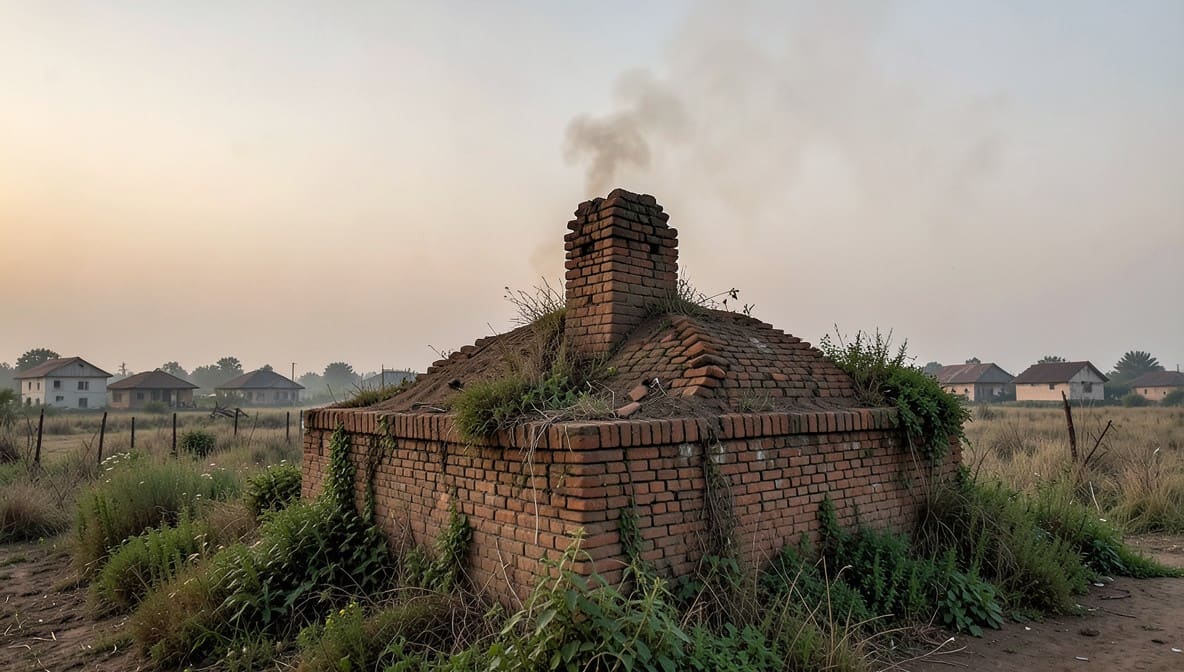
The Allahabad High Court dismissed a PIL challenging a brick-kiln’s operation in a different village, ruling that claiming social work as an occupation does not confer standing without demonstrating direct harm or legitimate connection to the issue. This sets a clear boundary against opportunistic PILs, reinforcing that public interest litigation must be rooted in genuine stakeholder interest, not generic activism.