Topic

grounds of arrest

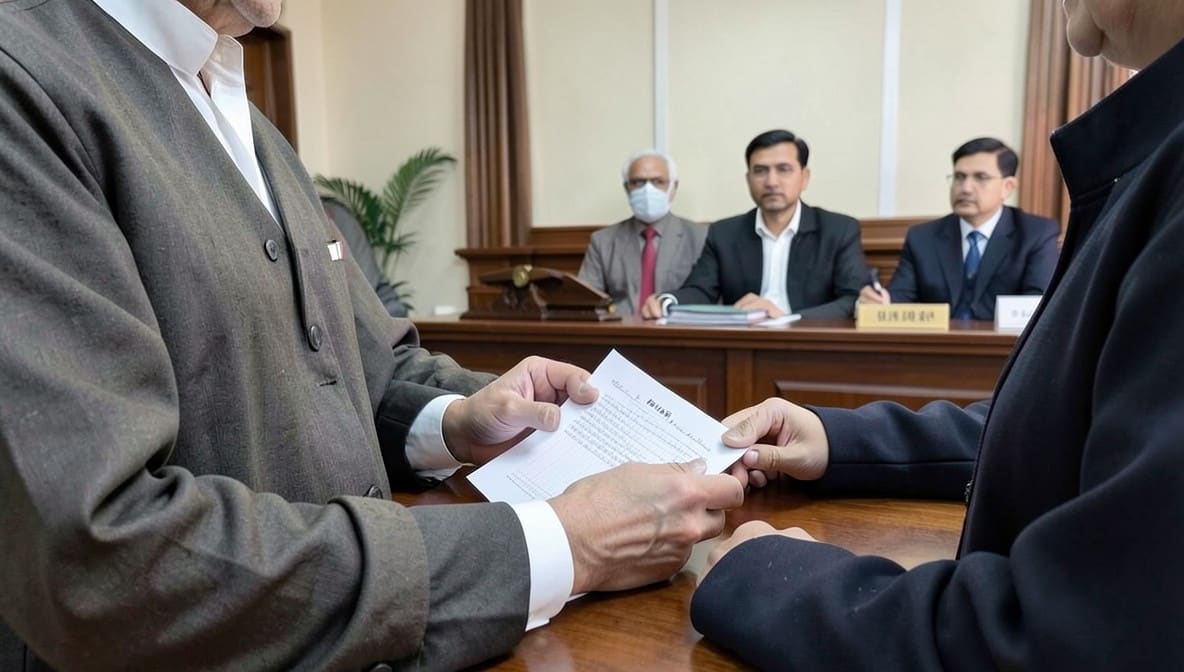
Under Indian law, the grounds of arrest must be clearly communicated in writing to the arrested person, as mandated by Article 22(1) of the Constitution and codified in the BNSS, to prevent arbitrary detention.

23 articlesLatest 1 week ago
BNSS Section 483 | Non-Communication of Arrest Grounds Does Not Invalidate Arrest: Kerala HC Grants Bail to Dy.SP in Bribery Case
|Kerala High Court

BNSS Section 483 | Non-Communication of Arrest Grounds Does Not Invalidate Arrest: Kerala HC Grants Bail to Dy.SP in Bribery Case

Kerala High Court ruled that failure to communicate grounds of arrest in writing under Bharatiya Nagarik Suraksha Sanhita (BNSS) does not vitiate the arrest itself, though it remains a mandatory constitutional requirement. The court granted bail to a Deputy Superintendent of Police accused of demanding Rs. 2 lakh as bribe, emphasizing that procedural lapses do not automatically invalidate criminal proceedings against public servants.

NDPS Act Section 20 | Written Grounds of Arrest Must Specify Quantity of Contraband to Satisfy Article 22(1) : Kerala HC
Case Law Analysis
|Kerala High Court

NDPS Act Section 20 | Written Grounds of Arrest Must Specify Quantity of Contraband to Satisfy Article 22(1) : Kerala HC

The Kerala High Court ruled that failing to disclose the exact quantity of ganja in the written grounds of arrest violates the accused’s constitutional right under Article 22(1), rendering the arrest illegal and entitling the accused to bail. This sets a critical precedent for procedural compliance in NDPS cases, ensuring transparency and preventing arbitrary detention based on undisclosed evidence.

NDPS Act Section 22(c) | Grounds of Arrest Must Explicitly State Quantity of Contraband to Satisfy Article 22(1) and BNSS Section 35(1): Kerala HC
Case Law Analysis
|Kerala High Court

NDPS Act Section 22(c) | Grounds of Arrest Must Explicitly State Quantity of Contraband to Satisfy Article 22(1) and BNSS Section 35(1): Kerala HC

The Kerala High Court ruled that failing to disclose the exact quantity of narcotics at the time of arrest violates the constitutional right to be informed of grounds of arrest under Article 22(1) and renders the arrest illegal. This sets a binding precedent for all NDPS cases in Kerala, requiring police to document and communicate precise drug weights - not just the offense - to ensure lawful detention and fair bail proceedings.

Article 22(1) | Written Grounds of Arrest Mandatory for Lawful Detention: Allahabad HC Quashes Illegal Remand & Imposes ₹10 Lakh Costs
Case Law Analysis
|Allahabad High Court

Article 22(1) | Written Grounds of Arrest Mandatory for Lawful Detention: Allahabad HC Quashes Illegal Remand & Imposes ₹10 Lakh Costs

Allahabad HC rules that failure to provide written grounds of arrest under Article 22(1) renders detention illegal, setting aside remand and imposing exemplary costs for three-month unlawful custody. The judgment reaffirms constitutional safeguards against arbitrary arrest, binding police and magistrates to strict procedural compliance.

Section 48 BNSS | Effective Communication in Accused's Language Suffices for Compliance, Not Literal Translation : Gauhati HC
|Gauhati High Court

Section 48 BNSS | Effective Communication in Accused's Language Suffices for Compliance, Not Literal Translation : Gauhati HC

Gauhati High Court rules that Section 48 BNSS compliance is met if grounds of arrest are explained in a language the accused understands, even if the written notice is in a different language. The judgment clarifies that Mihir Rajesh Shah's precedent applies prospectively, reinforcing procedural fairness in arrest communications under the NDPS Act.

Article 22(1) Compliance | NDPS Arrest Grounds Must Specify Actual Offence, Not Checklist Boilerplate : Meghalaya HC Invalidates Arrest
Case Law Analysis
|Meghalaya High Court

Article 22(1) Compliance | NDPS Arrest Grounds Must Specify Actual Offence, Not Checklist Boilerplate : Meghalaya HC Invalidates Arrest

Meghalaya HC rules that NDPS arrests must specify the exact offence in arrest grounds, not generic checklist formats. The court invalidated the arrest where the memo falsely stated a 7-year punishment instead of the actual 10-year minimum, violating constitutional safeguards under Article 22(1). This sets a precedent for strict compliance in drug-related arrests, impacting law enforcement procedures nationwide.

Article 22(1) & Section 47 BNSS | Failure to Communicate Grounds of Arrest Renders Detention Illegal: Tripura HC Grants Bail in 207 kg Ganja Case
Case Law Analysis
|Tripura High Court

Article 22(1) & Section 47 BNSS | Failure to Communicate Grounds of Arrest Renders Detention Illegal: Tripura HC Grants Bail in 207 kg Ganja Case

Tripura High Court ruled that non-communication of arrest grounds under Article 22(1) of the Constitution and Section 47 of BNSS vitiates detention, entitling the accused to bail regardless of offence severity. The judgment reinforces procedural safeguards, holding that even in NDPS cases, constitutional rights override statutory bail restrictions.

Article 22(1) Compliance Met via Arrest Memo Even Without Separate Written Grounds: Uttarakhand HC Post-Mihir Rajesh Shah
Case Law Analysis
|Uttarakhand High Court

Article 22(1) Compliance Met via Arrest Memo Even Without Separate Written Grounds: Uttarakhand HC Post-Mihir Rajesh Shah

Uttarakhand High Court rules that Article 22(1) of the Constitution is satisfied if the grounds of arrest are communicated in writing through the arrest memo, even without a separate document, provided the arrest occurred before the Supreme Court's 2025 Mihir Rajesh Shah ruling. This decision clarifies the procedural safeguards for arrests, impacting law enforcement and accused rights in pre-2025 cases.

Article 22(1) Compliance | Arrest Memo Alone Suffices as Grounds of Arrest Communication : Uttarakhand HC
Case Law Analysis
|Uttarakhand High Court

Article 22(1) Compliance | Arrest Memo Alone Suffices as Grounds of Arrest Communication : Uttarakhand HC

Uttarakhand High Court rules that an arrest memo containing factual allegations fulfills the constitutional requirement under Article 22(1) to communicate grounds of arrest, eliminating the need for a separate written document. This judgment simplifies arrest procedures for law enforcement while ensuring accused persons are informed of the charges against them.