Topic

Fundamental Rights

Fundamental Rights in Indian law refer to the basic liberties guaranteed by Part III of the Constitution, including equality, life, liberty, and freedom of expression, enforceable against state action.

48 articlesLatest 2 weeks ago
Bank Account Freeze Under Cyber Fraud Probe | Fundamental Rights Override Blanket Lien: Gauhati HC Directs Partial Defreezing
|Gauhati High Court

Bank Account Freeze Under Cyber Fraud Probe | Fundamental Rights Override Blanket Lien: Gauhati HC Directs Partial Defreezing

Gauhati High Court rules that freezing an entire bank account under cyber fraud allegations without individualized scrutiny violates fundamental rights. While upholding investigative needs, the Court directed defreezing of the account, retaining only Rs. 2,22,500 as lien-a precedent for proportionality in financial investigations affecting livelihoods and business operations.

IBA Model Educational Loan Scheme | Co-Borrower's Credit Score Mandatory for Loan Approval: Kerala HC
Case Law Analysis
|Kerala High Court

IBA Model Educational Loan Scheme | Co-Borrower's Credit Score Mandatory for Loan Approval: Kerala HC

Kerala High Court rules that banks can reject educational loan applications under the IBA Model Scheme if the co-borrower has a low credit score, reinforcing compliance with banking regulations. The judgment underscores the legal validity of creditworthiness assessments in loan disbursements, impacting students and co-borrowers reliant on such schemes.

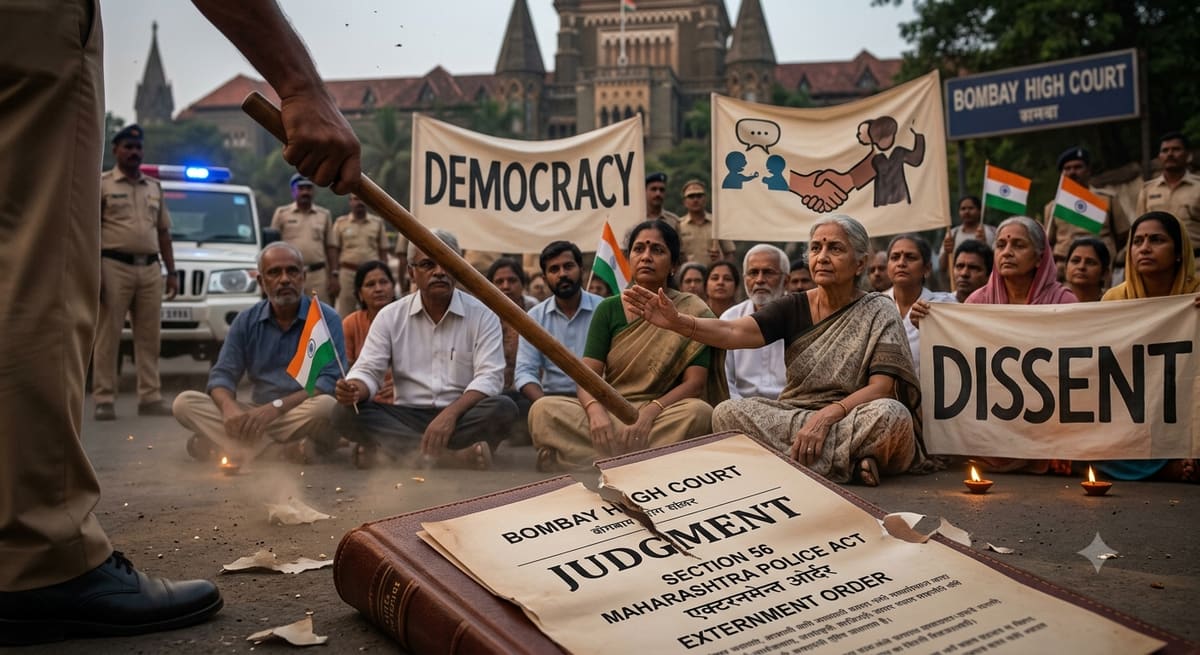
Section 56 Maharashtra Police Act | Externment Orders Void Without Objective Material-Based Subjective Satisfaction : Bombay HC (Nagpur Bench)
Case Law Analysis
|Bombay High Court

Section 56 Maharashtra Police Act | Externment Orders Void Without Objective Material-Based Subjective Satisfaction : Bombay HC (Nagpur Bench)

Bombay High Court quashes an externment order under Section 56 of the Maharashtra Police Act, 1951, ruling that subjective satisfaction must be grounded in objective material. The judgment reinforces judicial review safeguards against arbitrary preventive detention, impacting individuals facing externment proceedings.

Article 226 | State Must Consider Religious Festival Representation Without Arbitrary Delay : AP HC Directs Mandamus for Timely Permission
Case Law Analysis
|Andhra Pradesh High Court

Article 226 | State Must Consider Religious Festival Representation Without Arbitrary Delay : AP HC Directs Mandamus for Timely Permission

Andhra Pradesh High Court rules that state authorities must consider representations for religious festival permissions without undue delay, balancing public order with constitutional rights under Articles 14, 21, and 25. The court directed police to grant permission with necessary safeguards, reinforcing the duty to avoid arbitrary denial of religious freedoms.

Section 56 Maharashtra Police Act | Externment Order Invalidated When Used to Suppress Peaceful Political Protest: Bombay HC
Case Law Analysis
|Bombay High Court

Section 56 Maharashtra Police Act | Externment Order Invalidated When Used to Suppress Peaceful Political Protest: Bombay HC

The Bombay High Court has ruled that using externment orders under Section 56 of the Maharashtra Police Act to silence peaceful political dissent by a registered party official violates fundamental rights to free speech and assembly. This sets a critical precedent: opposition to government policy, even when expressed through unapproved protests, cannot be equated with public disorder warranting forced displacement.

APMMC Rules 1966 | Indefinite Seizure of Boat Without Due Process Violates Articles 14, 19(1)(g) & 21: AP HC
Case Law Analysis
|Andhra Pradesh High Court

APMMC Rules 1966 | Indefinite Seizure of Boat Without Due Process Violates Articles 14, 19(1)(g) & 21: AP HC

Andhra Pradesh High Court rules that seizure of a boat under APMMC Rules without following prescribed procedure infringes constitutional rights to equality, livelihood, and personal liberty. The court directed release of the boat on deposit of Rs. 1.5 lakh, reinforcing that environmental regulations must comply with fundamental rights and natural justice.

Article 22(5) Violation | Unexplained 4-Month Delay in Considering Detenu's Representation Vitiates Preventive Detention: Karnataka HC
Case Law Analysis
|Karnataka High Court

Article 22(5) Violation | Unexplained 4-Month Delay in Considering Detenu's Representation Vitiates Preventive Detention: Karnataka HC

Karnataka High Court quashed a preventive detention order under the PITNDPS Act, 1988, ruling that an unexplained delay of over four months in considering the detenu's representation violates the constitutional mandate under Article 22(5). The judgment reinforces that procedural safeguards in preventive detention must be strictly adhered to, impacting detenu rights and state accountability.

Article 21 | Lawful Occupant Entitled to Electricity Connection Without Title Deed: Allahabad HC
Case Law Analysis
|Allahabad High Court

Article 21 | Lawful Occupant Entitled to Electricity Connection Without Title Deed: Allahabad HC

The Allahabad High Court has ruled that access to electricity is a fundamental right under Article 21, and authorities cannot deny connection to a lawful occupant solely due to lack of title deed. This sets a critical precedent for vulnerable residents-especially women and displaced persons-in securing basic utilities regardless of property ownership disputes.

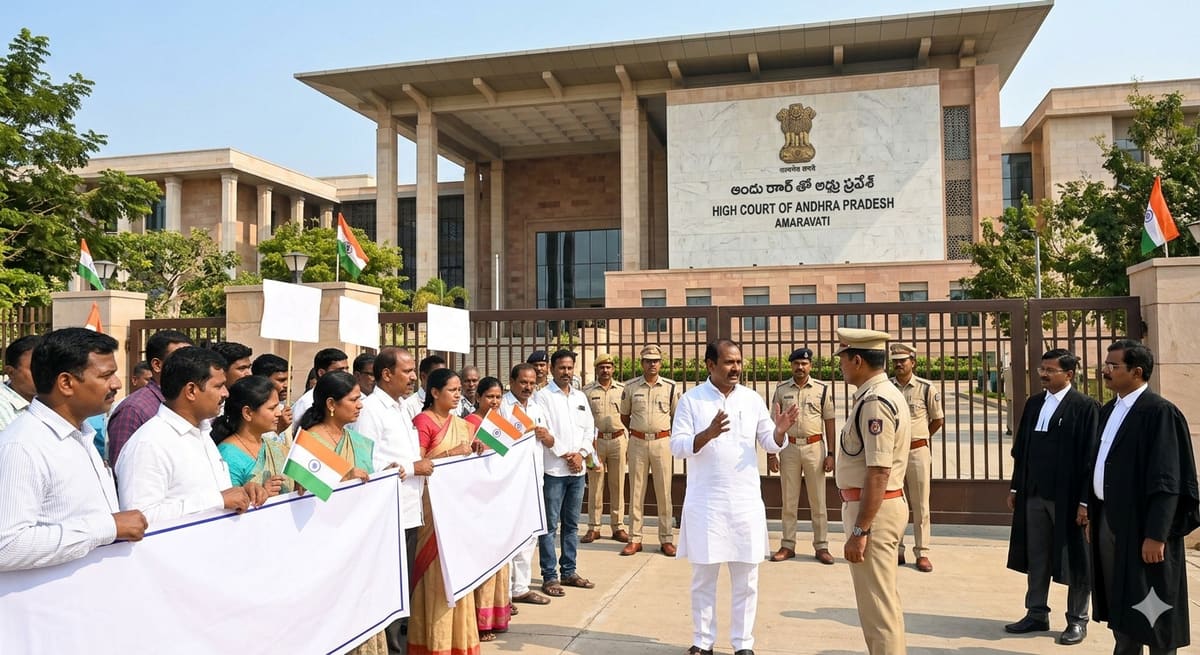
Article 19(1)(b) & Writ of Mandamus | AP HC Directs Disposal of Assembly Permission Request Within 2 Days to Uphold Right to Peaceful Assembly : AP HC
Case Law Analysis
|Andhra Pradesh High Court

Article 19(1)(b) & Writ of Mandamus | AP HC Directs Disposal of Assembly Permission Request Within 2 Days to Uphold Right to Peaceful Assembly : AP HC

The Andhra Pradesh High Court ruled that authorities must dispose of requests for public assembly permissions within two days, emphasizing that undue delays violate constitutional rights under Articles 14, 19(1)(a), 19(1)(b), and 21. The judgment reinforces the state's obligation to facilitate, not obstruct, democratic dissent through timely administrative action.