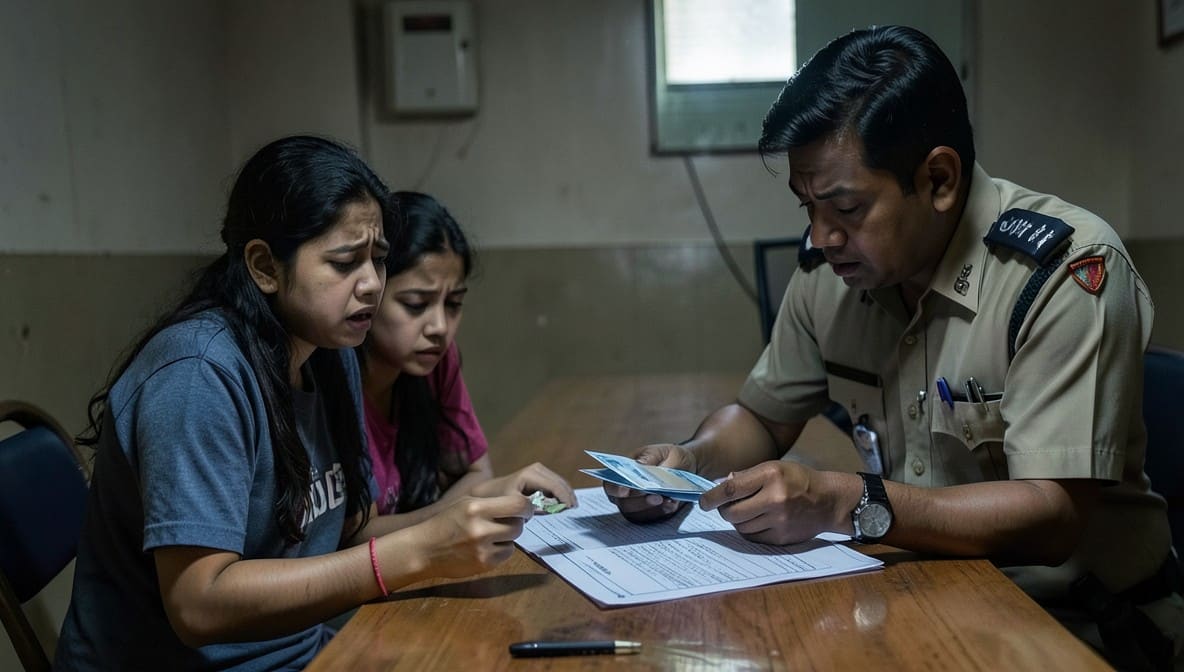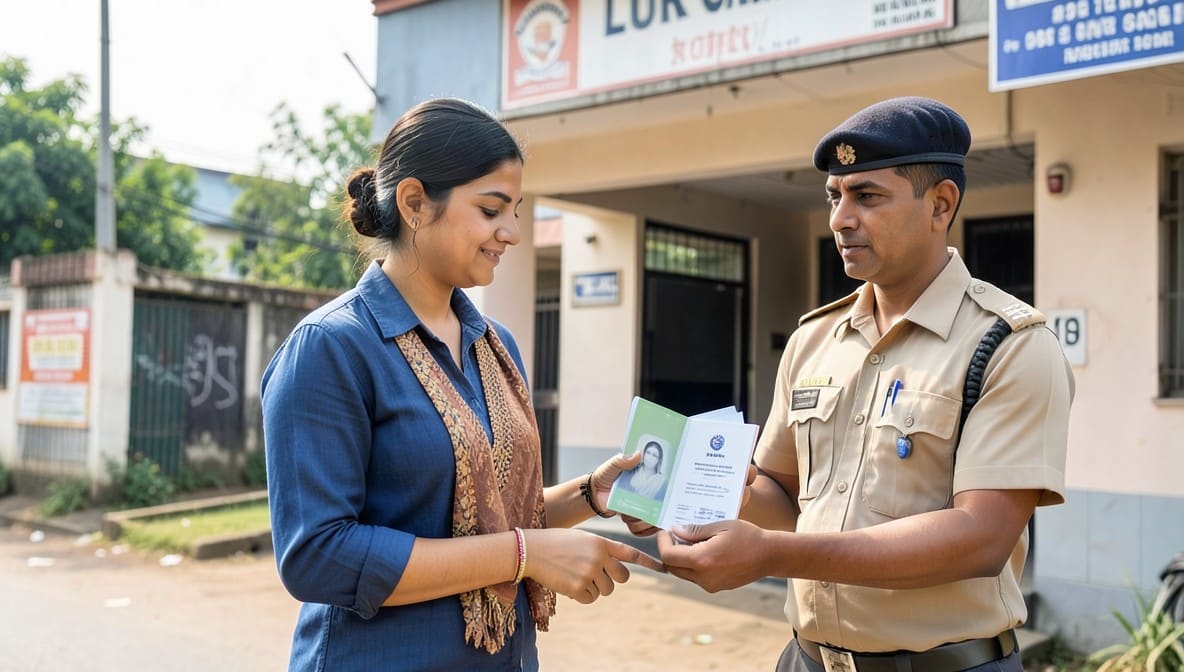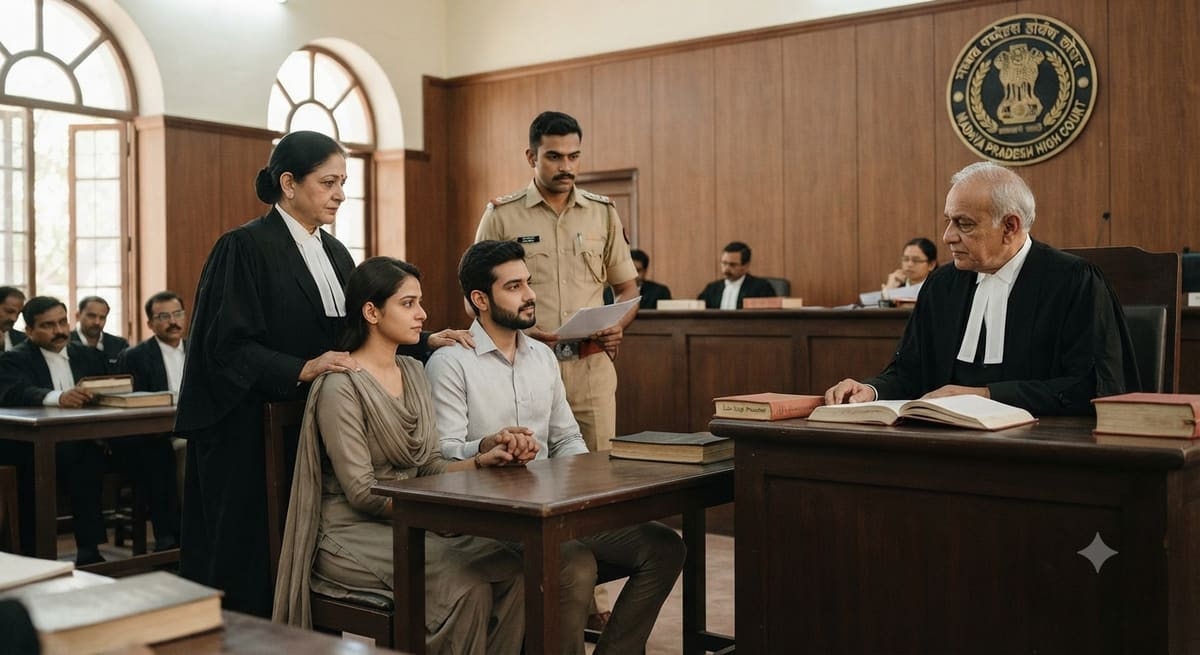
The Madhya Pradesh High Court has reaffirmed the constitutional right of adults to marry a partner of their choice, irrespective of caste or religion, while directing police authorities to protect such couples from harassment. Relying on the Supreme Court’s landmark judgment in Lata Singh v. State of U.P., the Court emphasized that parents or relatives cannot threaten or instigate violence against couples exercising this right, and police must take stern action against those who do.
Background & Facts
The Dispute
The petitioners, Payal Gurjar and another individual (names redacted for privacy), approached the High Court seeking protection from alleged harassment and threats due to their inter-caste marriage. The judgment does not detail the specific nature of the threats or the identities of the harassers, but it underscores the petitioners’ status as adults who had solemnized their marriage through court proceedings.
Key Facts
The petitioners are adults who entered into a court marriage, as evidenced by documents on record
They alleged harassment or threats from family members or third parties due to their inter-caste/inter-religious marriage
The petitioners sought police protection to prevent further harassment
Procedural History
10.07.2026: The present writ petition (WP No. 22259/2026) was filed before the Madhya Pradesh High Court, Indore Bench
The petitioners relied on the legal precedent set in Lata Singh v. State of U.P. to argue their case
Relief Sought
The petitioners sought directions to the police authorities to:
Provide protection against harassment or threats
Take action against those instigating violence or issuing threats, in accordance with the law
The Legal Issue
The central question was whether police authorities are obligated to protect couples in inter-caste or inter-religious marriages from harassment or threats, and whether such couples have a constitutional right to marry without fear of violence or social ostracization.
Arguments Presented
For the Petitioner
The petitioners’ counsel relied on Lata Singh v. State of U.P., arguing that the Supreme Court had explicitly recognized the right of adults to marry a partner of their choice, regardless of caste or religion
It was contended that any harassment, threats, or violence against such couples violates their fundamental rights under Article 21 (right to life and personal liberty) and Article 19(1)(a) (freedom of expression) of the Constitution of India
The counsel emphasized that police authorities are duty-bound to protect such couples and take action against those who harass or threaten them
For the Respondent/State
The State, represented by the Government Advocate, did not contest the petitioners’ right to marry or their entitlement to protection
The State’s role was limited to ensuring compliance with the Court’s directions, including acting on any application filed by the petitioners before the police authorities
The Court's Analysis
The Court relied heavily on the principles laid down in Lata Singh v. State of U.P., where the Supreme Court held that India is a free and democratic country, and once a person attains majority, they have the right to marry whomever they choose. The Court observed:
"This is free and democratic country, and once a person became Major he or she can marry who.so ever he/she likes. If the parent of the boy or girl do not approve such inter-caste or inter religious marriage the maximum they can do is that they can cut of social relation with the son or daughter, but they can not give threats or commit or instigate acts of violence and can not harass the person who under goes such inter-caste or inter religious marriage. We, therefore direct that the administration/ Police authority through out the country will see to it that if any boy or girl who is a major under goes such inter cast or inter religious marriage with the a woman or man who is major, the couple are harassed by any one nor subjected to threat or act of violence and any one who gives such threats or harasses or commits acts of violence either himself of at his instigation, is taken to task by instituting criminal proceedings by the police against such person and further stern action is taken against such persons as provided by law."
The High Court noted that the petitioners’ case fell squarely within the ambit of the Supreme Court’s observations. It directed the petitioners to file an application before the Superintendent of Police (S.P.) and other police officials, which would be considered in light of the legal position established in Lata Singh. The Court further mandated that the authorities act in accordance with the Supreme Court’s directions, ensuring protection for the couple and taking action against any harassers.
The Verdict
The Court disposed of the writ petition with the following directions:
The petitioners were directed to file an application before the Superintendent of Police (S.P.) and other police authorities
The authorities were directed to consider the application in accordance with the observations made in Lata Singh v. State of U.P.
The authorities were mandated to take appropriate action, including instituting criminal proceedings against harassers, if necessary
No specific monetary relief, compliance deadline, or quantified outcome was provided in the judgment
What This Means For Similar Cases
Police Duty to Protect Couples in Inter-Caste/Religious Marriages
Mandatory Action: Police authorities are now explicitly obligated to act on complaints filed by couples in inter-caste or inter-religious marriages. The judgment reinforces that failure to provide protection or take action against harassers could amount to a dereliction of duty, potentially exposing authorities to contempt proceedings or writ petitions
Criminal Proceedings: The Court’s reliance on Lata Singh makes it clear that threats, harassment, or violence against such couples must be met with criminal proceedings against the perpetrators. Practitioners can cite this judgment to argue for swift police action in similar cases
Constitutional Rights Take Precedence Over Social Norms
Fundamental Rights: The judgment reaffirms that the right to marry a partner of one’s choice is a fundamental right under Article 21 (right to life and personal liberty) and Article 19(1)(a) (freedom of expression). Courts are likely to view any interference with this right as a violation of constitutional guarantees
Limits on Parental Authority: While parents or relatives may disapprove of such marriages, their actions are limited to cutting off social relations. Any threats, violence, or harassment are illegal and can be grounds for criminal action
Practical Steps for Couples Seeking Protection
Filing Applications: Couples facing harassment should file formal applications before the local police authorities, citing this judgment and Lata Singh to bolster their case
Legal Recourse: If police authorities fail to act, couples can approach the High Court under Article 226 for writs of mandamus, directing the police to perform their duty
Documentation: Couples should maintain records of threats, harassment, or violence, including witness statements, messages, or other evidence, to support their complaints before the police or courts