Topic

Ex Parte Decree

An ex parte decree in Indian law is a court order passed against a party who fails to appear or defend the case after proper notice. This page provides latest judgments, case analyses, and updates from Indian courts on grounds to set aside such decrees, including defects in service.

20 articlesLatest September 2026
Ex-parte decree for specific performance may be rescinded if balance consideration is deposited after unreasonable delay | Section 28 Specific Relief Act : Madras HC
Case Law Analysis
|Madras High Court

Ex-parte decree for specific performance may be rescinded if balance consideration is deposited after unreasonable delay | Section 28 Specific Relief Act : Madras HC

A Madras High Court second appeal confirmed that an ex-parte decree under Section 28 of the Specific Relief Act can be set aside when the balance sale price is deposited after an unreasonable delay. The decision upholds the 1988 sale deed and signals that delayed payments defeat specific-performance orders, affecting buyers and sellers in property deals.
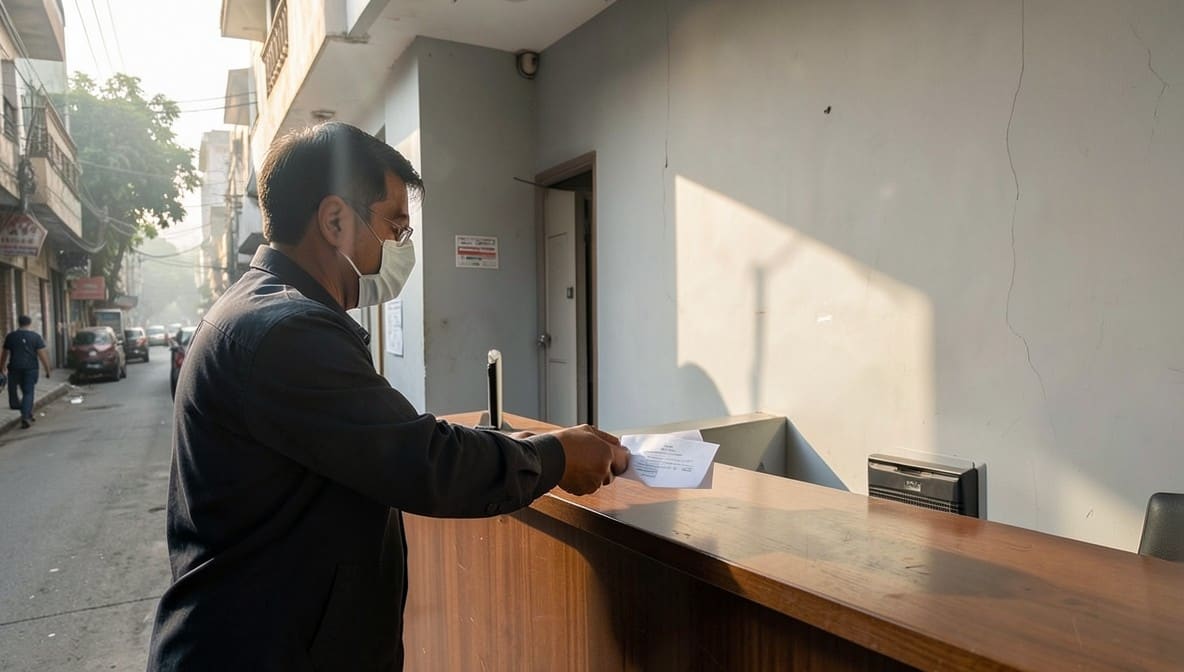

Service of summons by process server at registered office valid under Order IX Rule 13 CPC; ex-parte decree set aside, conditional defence filing ordered | Delhi HC
Case Law Analysis
|Delhi High Court

Service of summons by process server at registered office valid under Order IX Rule 13 CPC; ex-parte decree set aside, conditional defence filing ordered | Delhi HC

A Delhi High Court ruled that serving summons through a process server at the defendant’s registered office satisfies CPC requirements, overturning an ex-parte decree. The court granted the defendant a conditional order to file its defence within a stipulated period, underscoring that proper service can revive a litigant’s right to contest a suit.

Article 123 Limitation Act | Substituted Service Under Order V Rule 20 CPC Does Not Extend Limitation Period : Andhra Pradesh HC
Case Law Analysis
|Andhra Pradesh High Court

Article 123 Limitation Act | Substituted Service Under Order V Rule 20 CPC Does Not Extend Limitation Period : Andhra Pradesh HC

The Andhra Pradesh High Court ruled that substituted service under Order V Rule 20 CPC does not constitute 'due service' for the purpose of Article 123 of the Limitation Act, allowing condonation of delay if applications are filed within 30 days of knowledge of an ex parte decree. This holding ensures litigants are not prejudiced by procedural technicalities in service of summons.

Condonation of Delay | Time Spent Pursuing Order IX Rule 13 CPC Constitutes Sufficient Cause for First Appeal Delay: Bombay HC
Case Law Analysis
|Bombay High Court

Condonation of Delay | Time Spent Pursuing Order IX Rule 13 CPC Constitutes Sufficient Cause for First Appeal Delay: Bombay HC

The Bombay High Court has ruled that a litigant’s diligent pursuit of relief under Order IX Rule 13 CPC - even after prior rejections - amounts to sufficient cause to condone excessive delay in filing a first appeal. This clarifies that procedural good faith in challenging an ex parte decree, not just the final outcome, can justify extension of limitation under the Limitation Act, benefiting litigants misled by procedural lapses.

Service of Summons Under Hindu Marriage Act Must Be Personal & Accurate; Ex-Parte Decree Void for Violating Natural Justice : Karnataka HC
Case Law Analysis
|Karnataka High Court

Service of Summons Under Hindu Marriage Act Must Be Personal & Accurate; Ex-Parte Decree Void for Violating Natural Justice : Karnataka HC

Karnataka High Court sets aside an ex-parte divorce decree after finding summons served on an incorrect name and address, violating principles of natural justice. The court emphasized that constructive service (e.g., pasting on electric poles) is insufficient when personal service is feasible, remanding the case for fresh hearing within six months.

Section 144 CPC | Restitution of Possession Mandatory After Ex Parte Decree Set Aside : AP HC Remands for Compliance
Case Law Analysis
|Andhra Pradesh High Court

Section 144 CPC | Restitution of Possession Mandatory After Ex Parte Decree Set Aside : AP HC Remands for Compliance

The Andhra Pradesh High Court ruled that restitution under Section 144 CPC is not discretionary but mandatory when possession is taken pursuant to an ex parte decree later set aside. The court directed fresh orders after examining execution records, reinforcing that parties must be restored to their original position without delay.

Order 9 Rule 13 CPC | Litigant Not Penalized for Counsel’s Negligence When Forgery Allegations Affect Merits : Chhattisgarh HC
Case Law Analysis
|Chhattisgarh High Court

Order 9 Rule 13 CPC | Litigant Not Penalized for Counsel’s Negligence When Forgery Allegations Affect Merits : Chhattisgarh HC

The Chhattisgarh High Court has ruled that delays in filing applications to set aside ex parte decrees due to counsel’s negligence cannot automatically bar relief, especially when the underlying dispute involves serious allegations of forgery. The judgment emphasizes that courts must examine the merits of the case before dismissing applications on procedural grounds, protecting litigants from being victimized by their advocates’ failures.

Order IX Rule XIII CPC | Ex Parte Succession Certificate Void If Minor Heir Not Impleaded or Guardian Appointed : Supreme Court
Case Law Analysis
|Supreme Court of India

Order IX Rule XIII CPC | Ex Parte Succession Certificate Void If Minor Heir Not Impleaded or Guardian Appointed : Supreme Court

The Supreme Court has ruled that a succession certificate granted without impleading a minor legal heir or appointing a guardian violates natural justice and is voidable under Order IX Rule XIII CPC. This sets a mandatory procedural safeguard for minors in inheritance matters, ensuring their rights cannot be extinguished by technical omissions in notice or representation.

Specific Performance | Subsequent Purchasers Have Locus Standi to Challenge Plaintiff's Readiness & Service Defects : MP HC
Case Law Analysis
|Madhya Pradesh High Court

Specific Performance | Subsequent Purchasers Have Locus Standi to Challenge Plaintiff's Readiness & Service Defects : MP HC

Madhya Pradesh High Court rules that subsequent purchasers can impugn an ex parte decree for specific performance if the original plaintiff failed to demonstrate readiness to perform or if service was improper. The judgment sets a precedent for third-party challenges in property disputes under the Specific Relief Act, reinforcing procedural fairness in contract enforcement.

Symbolic Possession Stayed Pending Appeal Against Ex-Parte Decree Under Order IX Rule 13 CPC | Article 227 Protects Appellate Remedy : PHHC
Case Law Analysis
|Punjab and Haryana High Court

Symbolic Possession Stayed Pending Appeal Against Ex-Parte Decree Under Order IX Rule 13 CPC | Article 227 Protects Appellate Remedy : PHHC

The Punjab and Haryana High Court has ruled that issuing symbolic possession during a pending appeal against an ex-part decree undermines the very purpose of appellate review. Where a stay application is sub judice and the decree’s validity is contested under Order IX Rule 13 CPC, execution must halt to prevent irreparable erosion of the appellant’s statutory rights.

Order XLI Rule 27 CPC | Additional Evidence Cannot Cure Fundamental Defects in Title Claims Based on Unproven Ancestral Possession : SC
Case Law Analysis
|Supreme Court of India

Order XLI Rule 27 CPC | Additional Evidence Cannot Cure Fundamental Defects in Title Claims Based on Unproven Ancestral Possession : SC

The Supreme Court barred appellate courts from admitting additional evidence under Order XLI Rule 27 CPC to salvage title claims rooted in unsubstantiated assertions of ancestral ownership, reinforcing that trial courts are the sole forum for establishing title and that procedural negligence cannot be remedied on appeal. This sets a critical precedent for property litigants and practitioners handling title disputes where possession is contested without documentary proof.