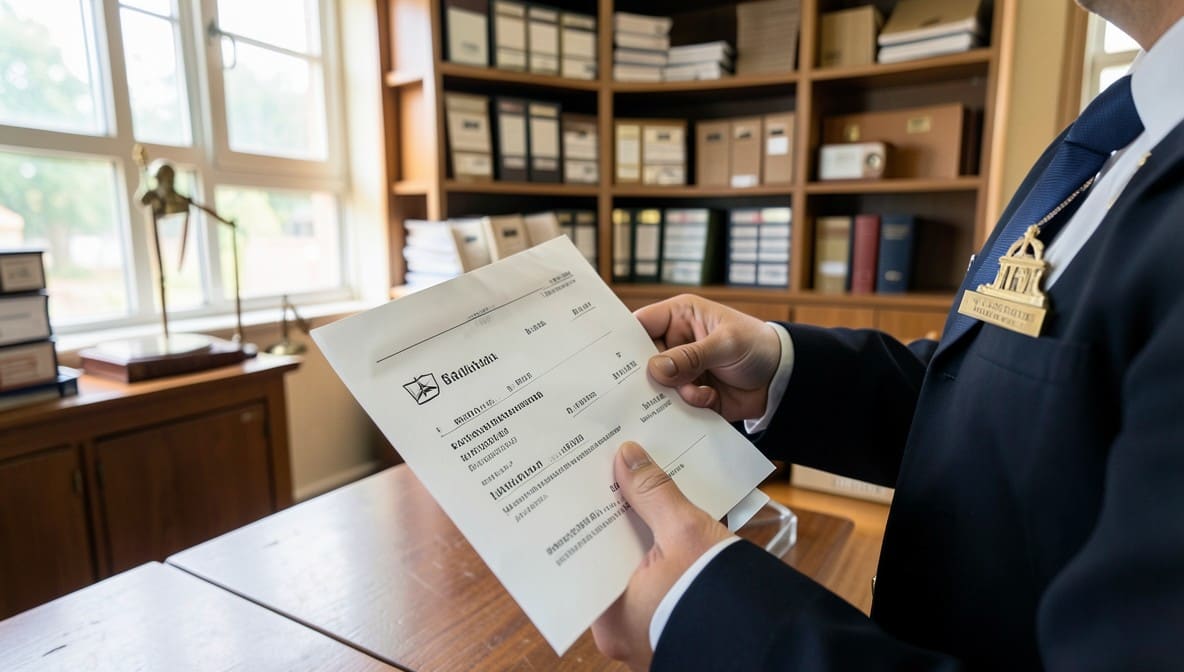
The Karnataka High Court has underscored the critical importance of proper service of summons in divorce proceedings, setting aside an ex-parte divorce decree where the appellant-wife was not effectively served. The judgment reinforces that procedural compliance is non-negotiable, even in matrimonial disputes, and remands the matter for fresh consideration with strict timelines for disposal.
Background & Facts
The Dispute
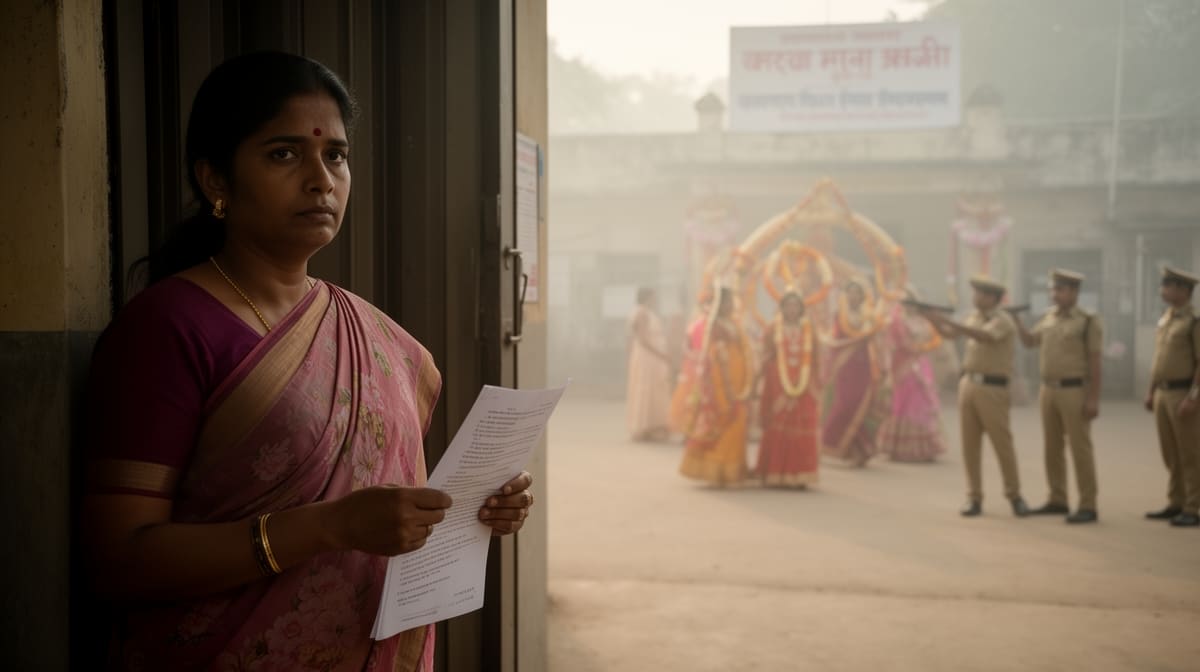
The respondent-husband filed a petition under Section 13(1)(i-a) and 13(1)(i-b) of the Hindu Marriage Act, 1955 before the Family Court, Mysuru, seeking dissolution of his marriage with the appellant-wife. The appellant was described in the petition as 'Uma.M @ Maheshwari M., wife of Mahesh.N.G., daughter of Mahadevappa,' residing at D.No.207, 2nd Ward, Nagarathnamma Badavane, Gundlupet Town, Chamarajanagara District. However, the summons issued by the Family Court incorrectly addressed her as 'Uma.M Alias Maheshwari, S/o Mahesh,' leading to a failure in service.
Key Facts
- The appellant-wife was working as a Guest Lecturer at J.S.S. College for Women
- The summons was incorrectly addressed, mentioning 'S/o Mahesh' instead of 'W/o Mahesh'
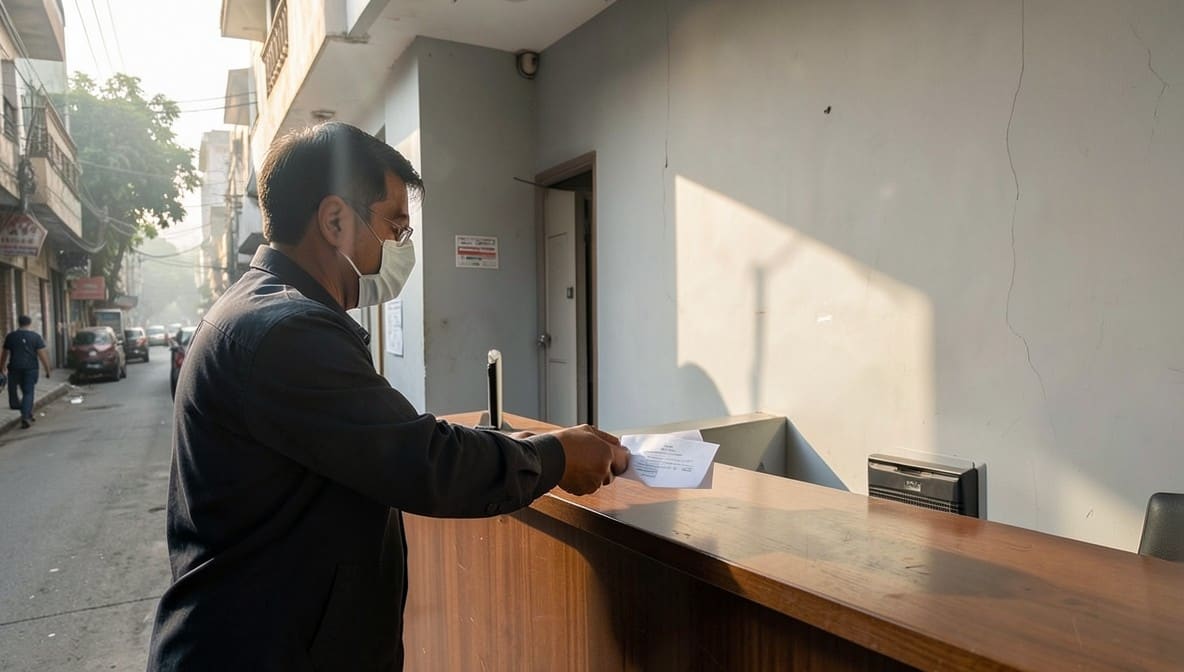
- The summons could not be served at the given address and was pasted on a nearby electric pole and the Municipality Notice Board
- No endorsement was made to indicate that the appellant was not found at the address
- The appellant-wife was declared ex-parte, and the Family Court proceeded to grant the divorce decree in her absence
Procedural History
- 08.07.2025: Impugned judgment and decree passed by the I Additional Principal Judge, Family Court, Mysuru, in MC No. 555/2024, allowing the divorce petition filed under Section 13(1)(i-a) of the Hindu Marriage Act
- 2026: Miscellaneous First Appeal (MFA No. 852 of 2026) filed before the Karnataka High Court under Section 19(1) of the Family Court Act, 1984
- 08.06.2026: Present appeal heard and judgment delivered by the Division Bench
Relief Sought
The appellant-wife sought setting aside of the impugned judgment and decree dated 08.07.2025, arguing that she was never properly served and was denied an opportunity to contest the divorce petition.
The Legal Issue
The central question was whether the service of summons effected by pasting on an electric pole and the Municipality Notice Board, without proper endorsement or verification of the appellant’s presence at the address, constitutes valid service under the procedural laws governing matrimonial disputes.
Arguments Presented
For the Appellant
The appellant contended that:
- The summons was incorrectly addressed, rendering the service invalid
- There was no endorsement to confirm that the appellant was not found at the given address
- The Family Court erred in proceeding ex-parte without ensuring proper service, violating principles of natural justice
- The appellant was deprived of an opportunity to file objections and lead evidence
For the Respondent
The respondent argued that:
- The summons was pasted at the address mentioned in the petition, which should be deemed sufficient service
- The appellant’s absence from the proceedings was due to her own negligence or evasion
- The Family Court had followed the prescribed procedure, and the decree should not be interfered with
The Court's Analysis
The High Court critically examined the procedural irregularities in the service of summons. The Court observed that the summons was not only incorrectly addressed but also lacked any endorsement to indicate that the appellant was not found at the given address. The Court relied on the fundamental principle that service of summons is a cornerstone of procedural fairness, and any deviation therefrom vitiates the proceedings.
"It’s very strange that this service of summons has been considered by the Family Court as sufficient. As no proper service of summons was effected on the appellant-wife, she could not participate in the proceedings and was placed ex-parte by the Family Court."
The Court further noted that the Family Court’s satisfaction with the service was completely incorrect, as the appellant was never afforded an opportunity to contest the divorce petition. The Court emphasized that matrimonial disputes, being sensitive in nature, require strict adherence to procedural norms to ensure that both parties are given a fair chance to present their case.
The Verdict
The Karnataka High Court allowed the appeal, setting aside the impugned judgment and decree dated 08.07.2025. The Court remanded the matter to the Family Court for fresh consideration, directing that:
- The appellant-wife be afforded an opportunity to file objections to the divorce petition
- Both parties shall lead evidence in support of their respective cases
- The Family Court shall conclude the proceedings expeditiously, preferably within six months from 08.06.2026
- The parties shall remain present before the Family Court on 18.06.2026
What This Means For Similar Cases
Procedural Compliance Is Non-Negotiable
This judgment reinforces that courts cannot overlook procedural lapses, even in matrimonial disputes. Practitioners must ensure:
- Accurate addressing of summons: Verify the correctness of names, relationships, and addresses before issuing summons
- Proper endorsement: If summons cannot be served, ensure endorsements are made to reflect attempts at service
- Strict adherence to service rules: Pasting summons on public boards or electric poles without verification does not constitute valid service
Natural Justice Must Be Upheld
- Ex-parte decrees passed without proper service are liable to be set aside
- Opportunity to be heard is a fundamental right, and courts must ensure compliance before proceeding ex-parte
- Remand for fresh consideration is a viable remedy where procedural irregularities are established
Expeditious Disposal of Matrimonial Disputes
- Courts are increasingly directing timely disposal of matrimonial cases to prevent prolonged litigation
- Practitioners should be prepared for strict timelines in remanded matters
- Case management by courts will be prioritized to avoid unnecessary delays in sensitive disputes