Topic

encroachment removal

Encroachment removal in Indian law refers to the legal obligation of public authorities to eliminate unauthorized occupation of public land, water bodies, or protected areas under statutes and constitutional duties.

14 articlesLatest July 2026
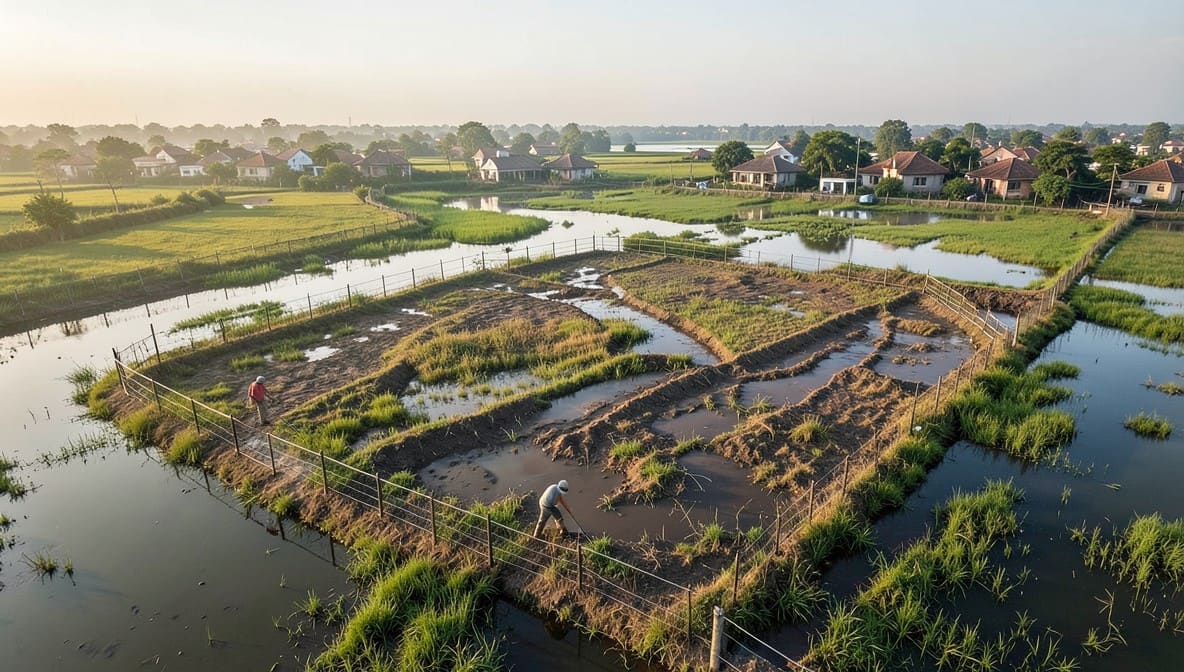
Encroachments Must Be Cleared and Wetland Zones Demarcated | Enforcement of Bhoj Wetland Rules : NGT (Bhopal)
Case Law Analysis
|National Green Tribunal

Encroachments Must Be Cleared and Wetland Zones Demarcated | Enforcement of Bhoj Wetland Rules : NGT (Bhopal)

The National Green Tribunal ordered the state to eliminate the remaining 72 illegal structures on the Bhoj wetland, officially demarcate its protected area and stop untreated discharges. This compels all government agencies to enforce the wetland rules, safeguarding the ecosystem and ensuring compliance by local residents and developers.


Section 9 U.P. Zamindari Abolition Act | Pond Land in Revenue Records Cannot Be Privatized as Appurtenant Property: Allahabad HC
Case Law Analysis
|Allahabad High Court

Section 9 U.P. Zamindari Abolition Act | Pond Land in Revenue Records Cannot Be Privatized as Appurtenant Property: Allahabad HC

The Allahabad High Court has ruled that even if a private party claims ownership under Section 9 of the U.P. Zamindari Abolition Act, they cannot acquire rights over pond land officially recorded in revenue records. This reinforces the Public Trust Doctrine, ensuring such water bodies remain protected for community use and cannot be lawfully converted into private property through adverse possession or litigation.

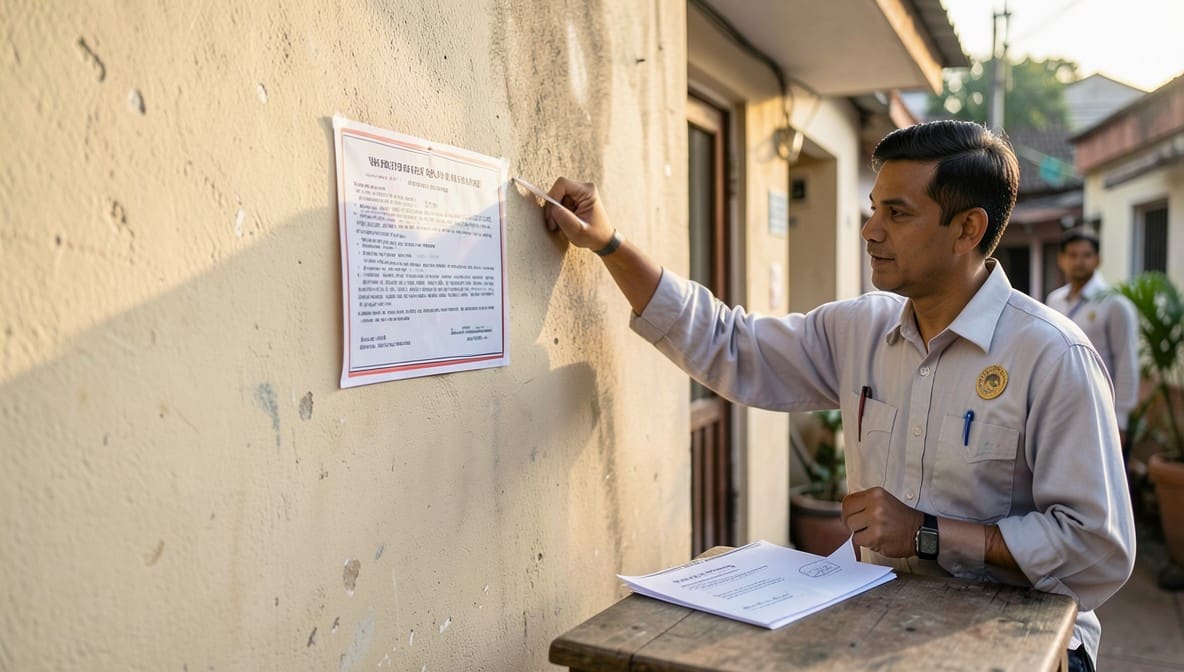
Article 21 & Due Process in Encroachment Removal | Notices Must Be Served via Registered Post & Physical Pasting: Andhra Pradesh HC
Case Law Analysis
|Andhra Pradesh High Court

Article 21 & Due Process in Encroachment Removal | Notices Must Be Served via Registered Post & Physical Pasting: Andhra Pradesh HC

The Andhra Pradesh High Court ruled that municipal authorities must ensure notices for encroachment removal are not only issued but also received through legal channels-registered post and physical pasting on the residence. Failure to comply vitiates any action against peaceful possession, reinforcing due process under Article 21.

Chhattisgarh Land Revenue Code Section 250-A | Writ Petition Dismissed for Failure to Exhaust Statutory Appeal Before SDO: Chhattisgarh HC
Case Law Analysis
|Chhattisgarh High Court

Chhattisgarh Land Revenue Code Section 250-A | Writ Petition Dismissed for Failure to Exhaust Statutory Appeal Before SDO: Chhattisgarh HC

The Chhattisgarh High Court has ruled that petitioners cannot bypass the statutory appellate process under Section 250-A of the Chhattisgarh Land Revenue Code by filing writ petitions against non-execution of encroachment removal orders. The court directed the Sub-Divisional Officer to decide the pending appeal within 60 days, reinforcing that administrative remedies must be exhausted before judicial intervention - a critical procedural safeguard for land dispute litigants.

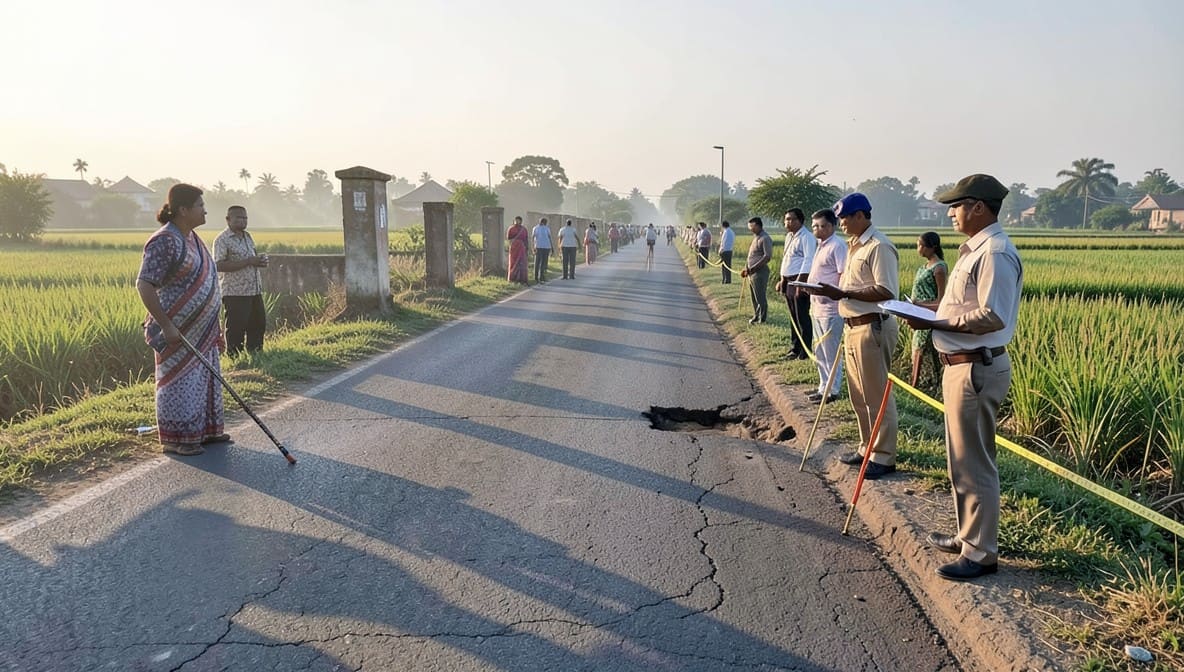
Article 226 & Public Trust Doctrine | Mandamus Mandates Timely Survey & Encroachment Removal on Public Land : Madurai HC
Case Law Analysis
|Madras High Court

Article 226 & Public Trust Doctrine | Mandamus Mandates Timely Survey & Encroachment Removal on Public Land : Madurai HC

Madurai High Court reinforces the state’s duty under Article 226 to protect public land by directing revenue authorities to conduct surveys within two weeks and remove encroachments within three months, ensuring due process. The ruling underscores the Public Trust Doctrine, mandating swift action to prevent arbitrary delays in encroachment cases.