The Chhattisgarh High Court has declined to intervene in a land encroachment dispute where a revenue order remains unexecuted due to a pending appeal, emphasizing that judicial interference at this stage would usurp the appellate forum’s jurisdiction. The Court granted the petitioner liberty to raise all grounds, including limitation, before the appellate authority and imposed a strict 60-day timeline for its disposal.
Background & Facts
The Dispute
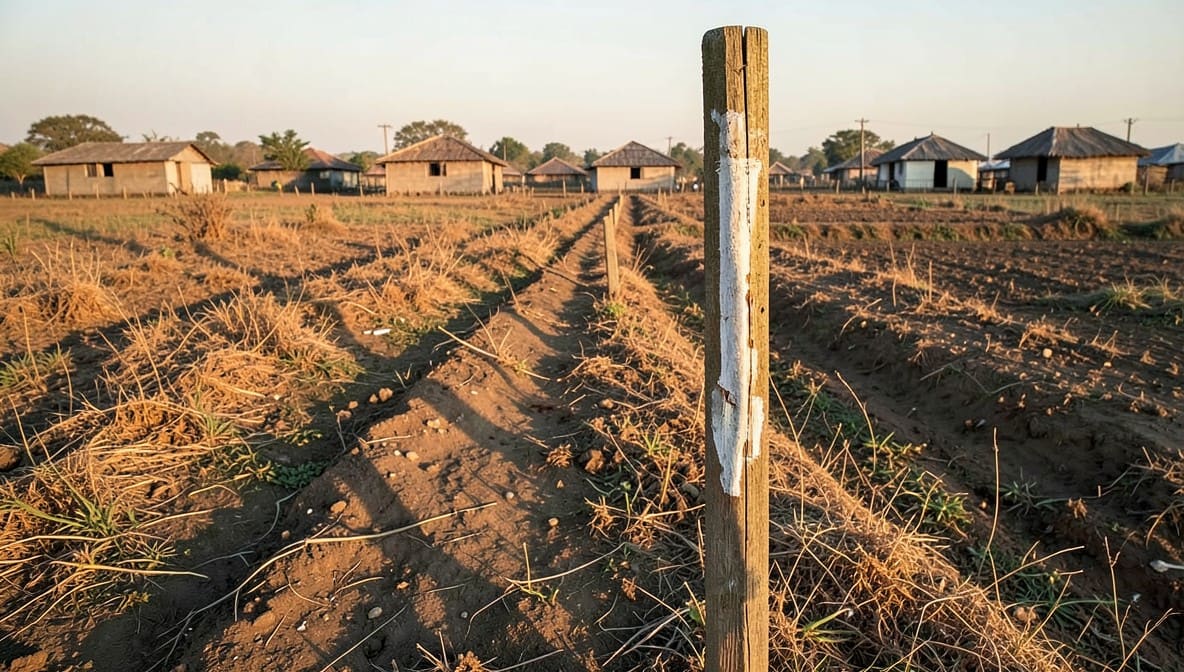
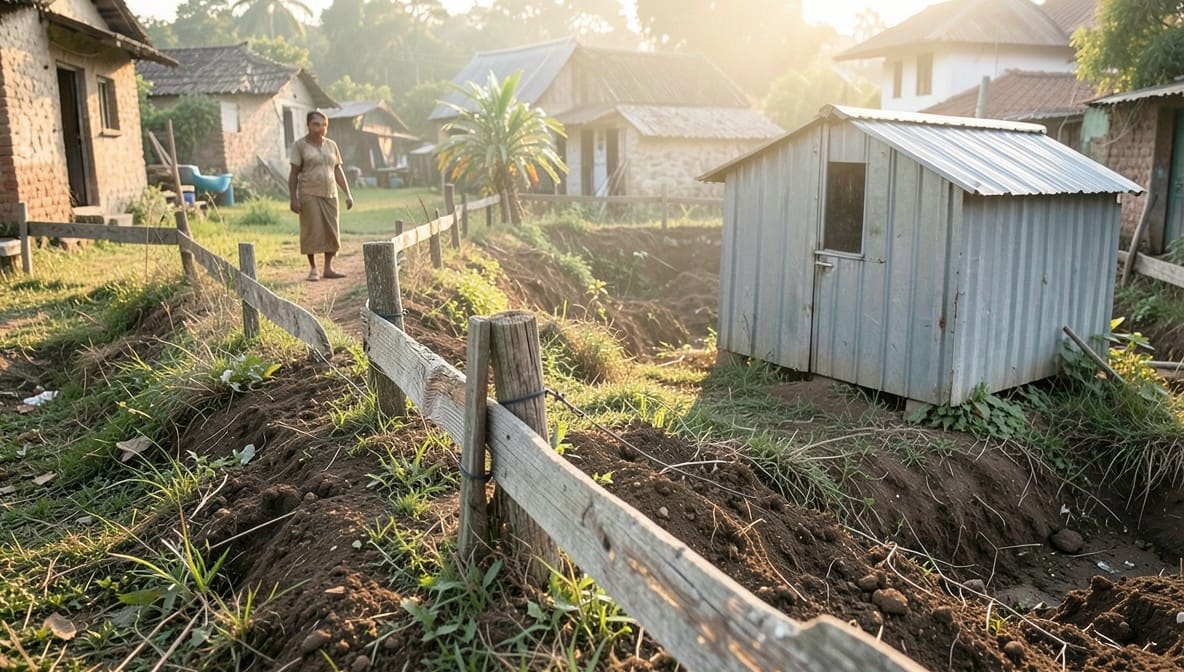
The petitioner, Smt. Hemlata Bansal, is the lawful owner of land bearing Khasra No. 705/8 and 705/19 situated at Village Sakti, Tahsil Sakti, District Janjgir-Champa, Chhattisgarh. She alleged that respondent No. 3, Prem Pradhan, unlawfully encroached upon a portion of her land measuring 14 x 14 sq. ft. and constructed a tin shed thereon. The petitioner filed a complaint before respondent No. 2, the Tahsildar, initiating Revenue Case No. 75/B-121/2018-2019.
Key Facts
- The encroachment occurred prior to the filing of the complaint in 2018
- The Patwari submitted a report dated 21.06.2019 documenting the encroachment
- On 21.05.2020, the Tahsildar passed a detailed order directing removal of the encroachment and restoration of possession to the petitioner under the Chhattisgarh Land Revenue Code
- Despite issuance of multiple notices for dispossession, the order has not been executed as of the filing of this petition
- Respondent No. 3 filed an appeal against the 21.05.2020 order before the Sub-Divisional Officer (SDO), the competent appellate authority under the Code
Procedural History
- 2018: Petitioner filed complaint before Tahsildar
- 21.06.2019: Patwari report submitted
- 21.05.2020: Tahsildar passed order directing removal of encroachment and restoration of possession
- Post-21.05.2020: Respondent No. 3 filed appeal before SDO (exact date not specified)
- 2021: Petitioner filed Writ Petition No. 1541 of 2021 before the High Court seeking enforcement of the 2020 order
- 20.04.2026: Judgment delivered by the High Court
The Parties' Positions
Petitioner’s Position: The Tahsildar’s order dated 21.05.2020 is clear, lawful, and binding. The failure of respondent No. 2 to execute it constitutes arbitrary inaction and violates the petitioner’s right to possession under the Chhattisgarh Land Revenue Code. The Court must direct immediate execution.
Respondent’s Position: The appeal against the 21.05.2020 order is pending before the SDO. Execution of the order during pendency of appeal is legally impermissible. The petitioner must exhaust the statutory remedy available under the Code.
Relief Sought
The petitioner sought:
- Production of case records
- Direction to respondent No. 2 to enforce the 21.05.2020 order under Section 250-A of the Chhattisgarh Land Revenue Code
- Restoration of possession over the encroached land
- Costs of the petition
The Legal Issue
Can a writ petition under Article 226 of the Constitution be maintained to enforce a revenue order when a statutory appeal against that order is pending before the designated appellate authority?
Arguments Presented
For the Petitioner
Learned counsel argued that the Tahsildar’s order dated 21.05.2020 was final and executable, and the prolonged inaction by respondent No. 2 amounted to arbitrary denial of possession. He contended that the right to possession is a fundamental aspect of property rights and that delay in execution defeats the very purpose of the order. He relied on the principle that administrative inaction cannot be permitted to frustrate judicial or quasi-judicial orders.
For the Respondent
The State counsel submitted that the Chhattisgarh Land Revenue Code provides a complete code for adjudication of land disputes, including a statutory right of appeal to the SDO. The pendency of such appeal stays the operation of the impugned order unless specifically stayed. The High Court, therefore, cannot bypass the statutory appellate mechanism. The petitioner’s remedy lies in urging the appellate authority to decide the appeal expeditiously.
The Court's Analysis
The Court acknowledged the validity of the Tahsildar’s order dated 21.05.2020 and recognized the petitioner’s legitimate grievance regarding delay. However, it emphasized that the existence of a statutory appellate forum under the Chhattisgarh Land Revenue Code precludes direct intervention by the High Court under Article 226, unless the appeal is manifestly barred by limitation or the appellate authority is acting in bad faith.
"In view of the pendency of the appeal, this Court is not inclined to enter into the merits of the matter at this stage."
The Court noted that the petitioner’s concerns regarding limitation and procedural irregularities could be raised before the appellate authority. It held that the writ jurisdiction is not meant to substitute the statutory appellate process, particularly where the remedy is adequate and efficacious.
The Court further observed that while it could not compel execution of the order during pendency of appeal, it had the power to ensure that the appellate authority disposes of the matter without undue delay. This led to the imposition of a time-bound direction.
The Verdict
The writ petition was dismissed. The petitioner is granted liberty to raise all grounds, including limitation and merits, before the appellate authority (SDO) in the pending appeal. The appellate authority is directed to decide the appeal expeditiously, preferably within 60 days from the date of receipt of a certified copy of this order, after affording due opportunity of hearing to all parties. The Court clarified that no opinion has been expressed on the merits of the case.
What This Means For Similar Cases
Statutory Appeals Prevail Over Writ Intervention
- Practitioners must exhaust statutory appellate remedies before approaching the High Court under Article 226 in land revenue matters
- Writ petitions seeking enforcement of revenue orders will be dismissed if a statutory appeal is pending, unless the appeal is clearly time-barred or the authority is acting mala fide
Time-Bound Disposal of Appeals Is Now Enforceable
- Courts may now impose specific timelines (e.g., 60 days) on appellate authorities in revenue matters to prevent indefinite delay
- Petitioners can cite this judgment to urge expeditious disposal in pending appeals, especially where possession rights are at stake
Execution of Orders Stays Pending Appeal
- An order under the Chhattisgarh Land Revenue Code does not become executable until the appeal period expires or the appeal is dismissed
- Enforcement actions taken during pendency of appeal may be set aside as illegal