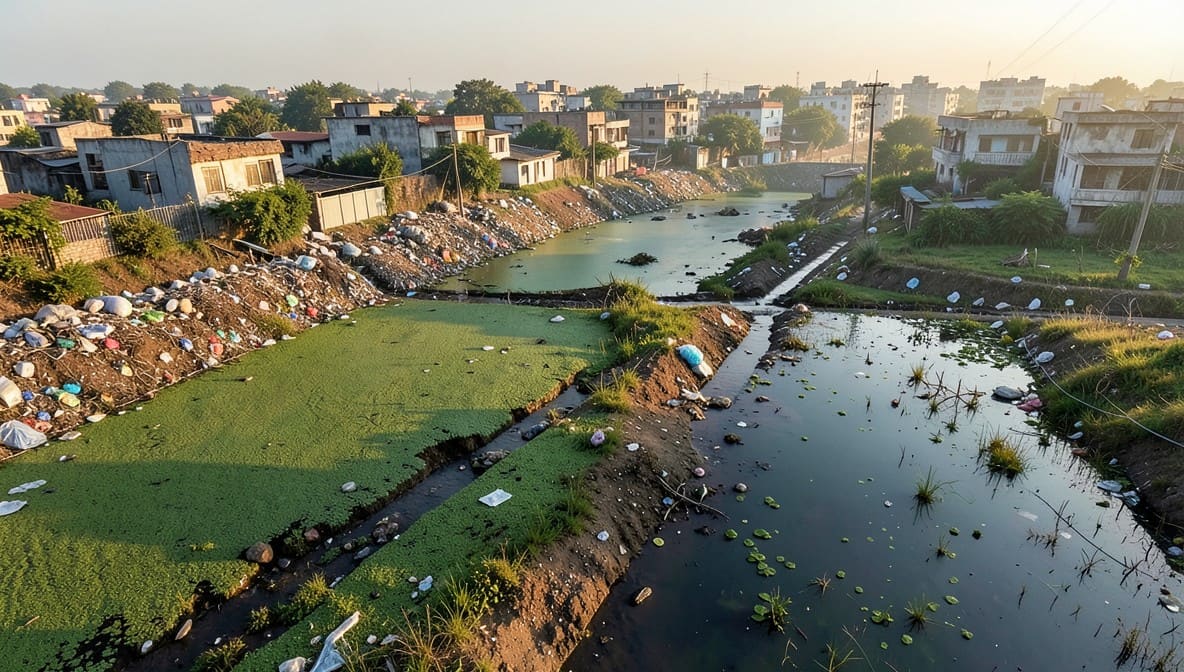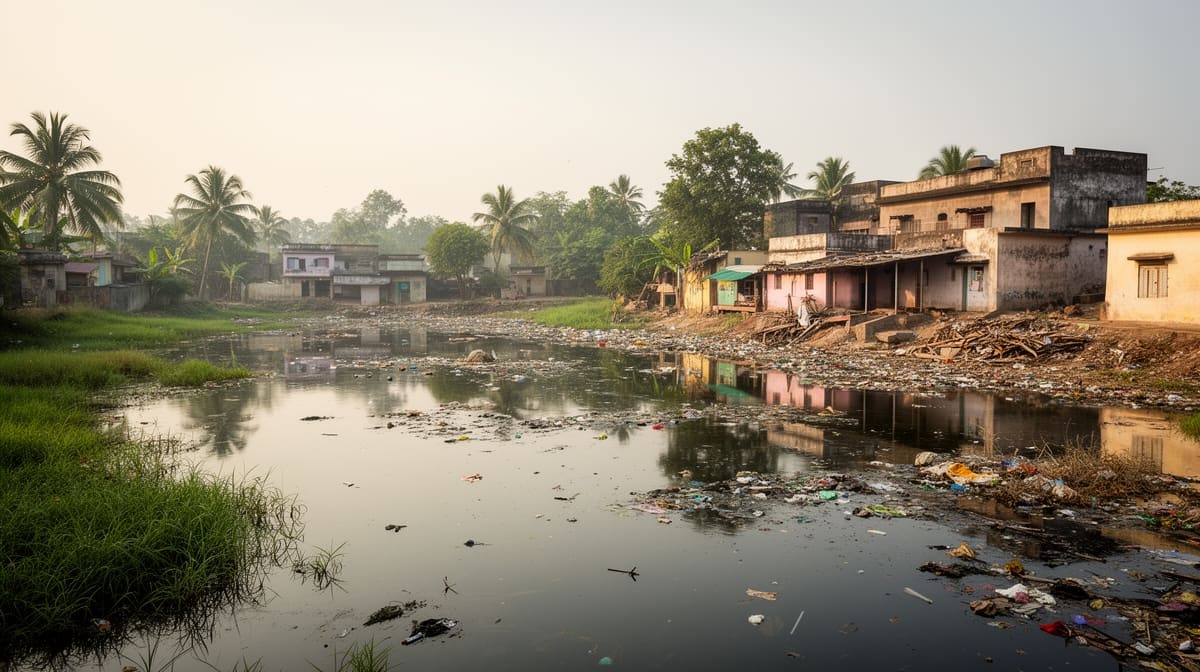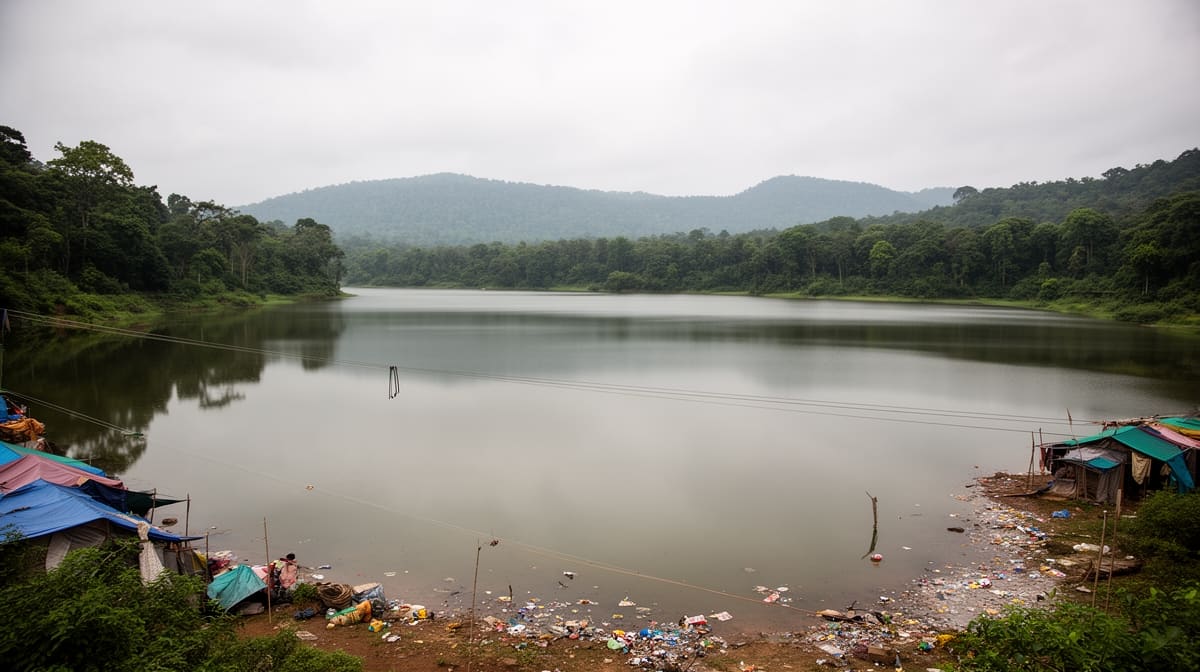
On 29 July 2026 the National Green Tribunal’s Central Zone Bench in Bhopal issued a comprehensive order compelling state authorities to enforce wetland regulations, remove persistent encroachments and demarcate protected zones, underscoring the Tribunal’s proactive stance on environmental protection.
Background & Facts
The Dispute
The applications numbered 5 to 8 were filed by three separate petitioners - Aarya Shrivastava, Dr. Subhash C. Pandey and Rashid Noor Khan - seeking compliance with wetland rules, removal of illegal structures, identification and demarcation of wetland areas and prevention of discharge of untreated water into water bodies. The respondents were the Union of India, the State of Madhya Pradesh, the Collector, Bhopal and other statutory bodies.
Key Facts
- The wetland in question falls under the Bhoj Wetland Rules and the Master Plan, which prohibit construction within a 50-metre Full Tank Level (FTL) buffer zone.
- Encroachments comprised both commercial (9 structures) and residential (9 structures) dwellings within the Abadi area.
- An order dated 12.03.2026 by the Nayab Tehsildar, T.T. Nagar, directed removal of 35 encroachments in Village Prempura, including a Masjid area of 261 sq ft.
- On 09.02.2026 12 encroachments were removed; a Panchnama was recorded.
- On 06.04.2026 an additional 11 encroachments were removed; another Panchnama was recorded.
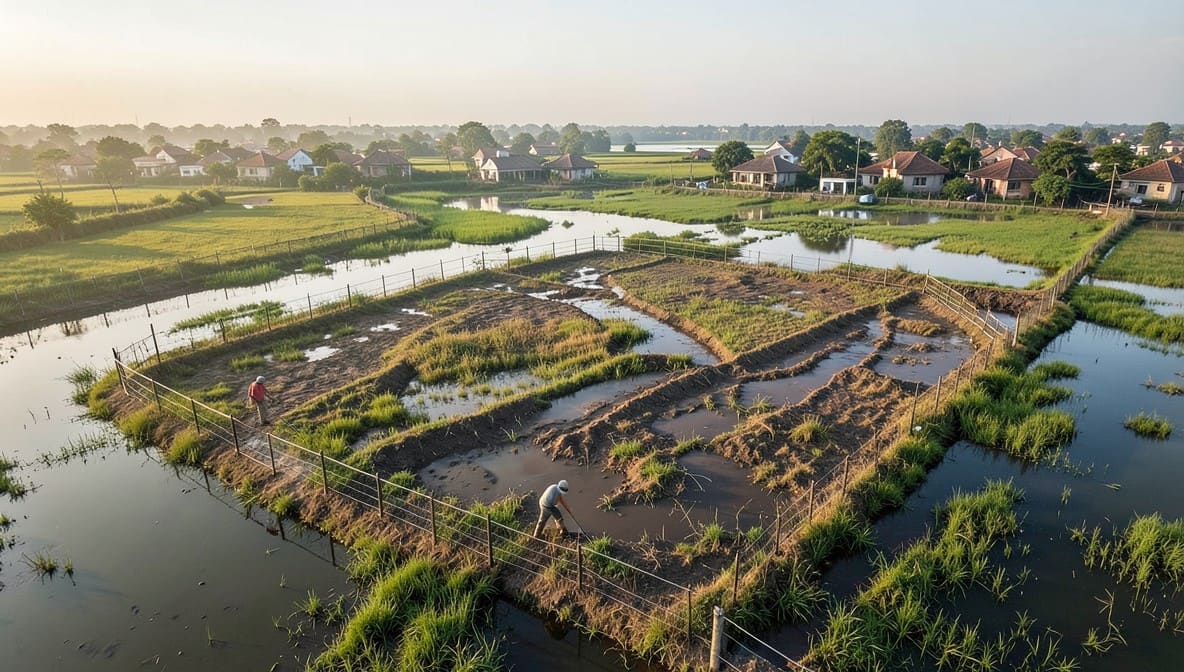
- Approximately 1.00 acre of Government land was reclaimed and made free from encroachment.
- As of the hearing, 12 encroachments in Village Prempura remained, all residential and situated within the Abadi area.
- The Sub-Divisional Officer (Revenue), T.T. Nagar, on 01.07.2026 requested the Bhopal Municipal Corporation to fence the vacated land.
- A comprehensive survey identified 117 encroachments within the 50-metre FTL zone across seven villages (Prempura, Dharampuri, Sevaniya Gond, Gaura, Bishankhedi, Beelkheda, Kotra Sultanabad): 68 on Government land and 49 on private land.
- Of these, 45 encroachments have already been removed (23 on Government land, 22 on private land); 72 encroachments remain (45 on Government land, 27 on private land).
- Applicants raised additional concerns: identification and demarcation of Kaliasot Dam, Kerwa Dam and Bhopal Lake; prevention of chemical runoff from farming; and protection of a 150-hectare botanical garden.
Procedural History
- Original Application No.77/2020(CZ) filed by Aarya Shrivastava against Union of India & Ors.
- Original Application No.07/2022(CZ) filed by Dr. Subhash C. Pandey against State of MP & Ors.
- Original Application No.12/2022(CZ) filed (applicant not specified) against relevant authorities.
- Original Application No.12/2025(CZ) filed by Rashid Noor Khan against Collector, Bhopal & Ors.
- Date of hearing: 29.07.2026 before Hon'ble Mr. Justice Sheo Kumar Singh, JM and Hon'ble Dr. Prashant Gargava, EM.
- The State counsel, Mr. Prashant M. Harne, filed a reply indicating removal of all 9 commercial encroachments but noting that 9 residential structures remained.
- The Supreme Court, in BMC v. Subhash C. Pandey & Ors., directed periodic monitoring of compliance with environmental rules (date of that judgment not specified in the order).
Parties’ Positions
- Applicants contended that the State had failed to fully implement the earlier NGT order, that residential encroachments within the Abadi area continued to threaten wetland integrity, and that additional environmental safeguards (demarcation of dams, chemical use control, botanical garden protection) were required.
- Respondents argued that substantial removal work had been undertaken, that remaining residential structures required rehabilitation under the Housing for All (HFA) Scheme, and that logistical constraints such as lack of police force impeded swift removal.
Relief Sought
- Complete removal of all remaining encroachments within the 50-metre FTL buffer zone.
- Demarcation and identification of Kaliasot Dam, Kerwa Dam, Bhopal Lake and a 150-hectare botanical garden.
- Prohibition of discharge of untreated water into wetland water bodies.
- Coordination with police to ensure enforcement actions where required.
- Periodic reporting to the Tribunal on compliance status.
The Legal Issue
What is the extent of the State authorities’ obligation under the Bhoj Wetland Rules and the earlier NGT directives to remove all encroachments, demarcate protected zones, prevent untreated discharge, and ensure rehabilitation of displaced residents?
Arguments Presented
For the Applicants
- Asserted that the partial removal of encroachments violates the clear language of the earlier NGT order and the statutory prohibition on construction within the 50-metre Full Tank Level buffer.
- Cited the Supreme Court’s direction in BMC v. Subhash C. Pandey requiring periodic monitoring and reporting, emphasizing that non-compliance constitutes a breach of environmental law.
- Emphasised the public health impact of chemical runoff from nearby farming activities into the wetland water supply.
For the Respondents
- Submitted evidence of removal of 23 commercial and 22 private encroachments, supported by Panchnamas dated 09.02.2026 and 06.04.2026.
- Stated that the remaining residential structures are situated within the legally recognised Abadi area and that their removal must be coupled with rehabilitation under the Housing for All (HFA) Scheme.
- Highlighted operational constraints, including shortage of police personnel, which delayed further removals.
The Court's Analysis
The Tribunal examined the statutory framework of the Bhoj Wetland Rules, the 50-metre Full Tank Level (FTL) buffer requirement, and the earlier NGT order directing removal of all illegal constructions. It noted that the purpose of the FTL zone is to preserve the ecological integrity of wetlands by preventing any encroachment that could alter hydrology or water quality.
"The removal of the aforesaid encroachments in Village Prempura, approximately 1.00 acre of Government land has been successfully reclaimed and made free from encroachment."
The Tribunal distinguished between commercial and residential encroachments, observing that while commercial structures may be removed unilaterally, residential dwellings involve constitutional rights to housing. Accordingly, the Tribunal required the State to pursue removal only after providing alternative accommodation under the Housing for All (HFA) Scheme.
The Tribunal also addressed the applicants’ environmental concerns about chemical contamination. It held that the State must enforce existing agricultural chemical usage regulations within the wetland’s catchment area to prevent adverse effects on aquatic life and public health.
In light of the Supreme Court’s earlier direction, the Tribunal reinforced that periodic monitoring is mandatory and that the State must submit detailed reports, including affidavits, on the status of encroachment removal, demarcation activities, and enforcement actions.
Finally, the Tribunal recognized the practical difficulty cited by the State regarding police support. It therefore directed the inclusion of a police representative in the monitoring committee to ensure that necessary force can be deployed when required.
The Verdict
The Tribunal held that the State authorities have partially complied but must:
- Remove the remaining 12 residential encroachments in Village Prempura and the 72 encroachments (45 on Government land, 27 on private land) identified across the seven villages within the 50-metre FTL zone.
- Secure the reclaimed 1.00 acre of Government land by erecting a fence, as requested on 01.07.2026.
- Complete demarcation of Kaliasot Dam, Kerwa Dam, Bhopal Lake and the 150-hectare botanical garden.
- Prevent discharge of untreated water into wetland water bodies and enforce restrictions on chemical use in surrounding farms.
- Submit a comprehensive list of unauthorised constructions within the FTL area, together with affidavits detailing removals and pending actions, within three weeks of the order (by 31 August 2026).
- Include a police officer nominated by the SSP/Police Commissioner in the monitoring committee to provide necessary enforcement support.
- File periodic compliance reports with the Tribunal, accompanied by affidavits, as per the Supreme Court’s directive.
What This Means For Similar Cases
Strict Enforcement of FTL Buffer Zones
- Practitioners must advise clients that any construction within the 50-metre Full Tank Level is prima facie illegal and subject to immediate removal orders.
- Failure to comply can attract contempt proceedings and additional enforcement actions.
Coordination With Rehabilitation Schemes
- When residential encroachments are involved, authorities must demonstrate that alternative housing under the Housing for All (HFA) Scheme is being provided before removal can be ordered.
- Legal counsel should ensure that rehabilitation plans are documented and linked to removal timelines.
Mandatory Police Involvement
-
The inclusion of a police representative in monitoring committees is now a statutory requirement for wetland enforcement.
-
Lawyers should anticipate the need to obtain police assistance for eviction actions and incorporate this into their strategy.
-
Actionable Takeaways:
- Conduct a pre-emptive audit of land use within 50-metre FTL zones.
- Prepare detailed Panchnamas and affidavits for any removal activity.
- Align eviction plans with HFA Scheme eligibility criteria.
- Engage police early to avoid procedural delays.