Topic

Debts Recovery Tribunal

The Debts Recovery Tribunal (DRT) is a specialized Indian court established under the Recovery of Debts Due to Banks and Financial Institutions Act, 1993, to expedite recovery of dues owed to banks and financial institutions.

23 articlesLatest September 2026
HC Cannot Direct DRT to Expedite SARFAESI Proceedings | When Section 17(6) Remedy Exists : MPHC
|Madhya Pradesh High Court

HC Cannot Direct DRT to Expedite SARFAESI Proceedings | When Section 17(6) Remedy Exists : MPHC

The Madhya Pradesh High Court quashed a writ court’s direction to the Debt Recovery Tribunal to expedite SARFAESI proceedings, ruling that such a directive oversteps jurisdiction when borrowers retain the statutory remedy under Section 17(6) of the SARFAESI Act. The decision reinforces that writ jurisdiction cannot be used to fast-track recovery actions, preserving the borrower’s right to challenge dues before the DRT or appellate tribunal.

DRT Lacks Power to Condone Delay Beyond 45 Days in Securitisation Applications | SARFAESI Act : Bombay HC
Case Law Analysis
|Bombay High Court

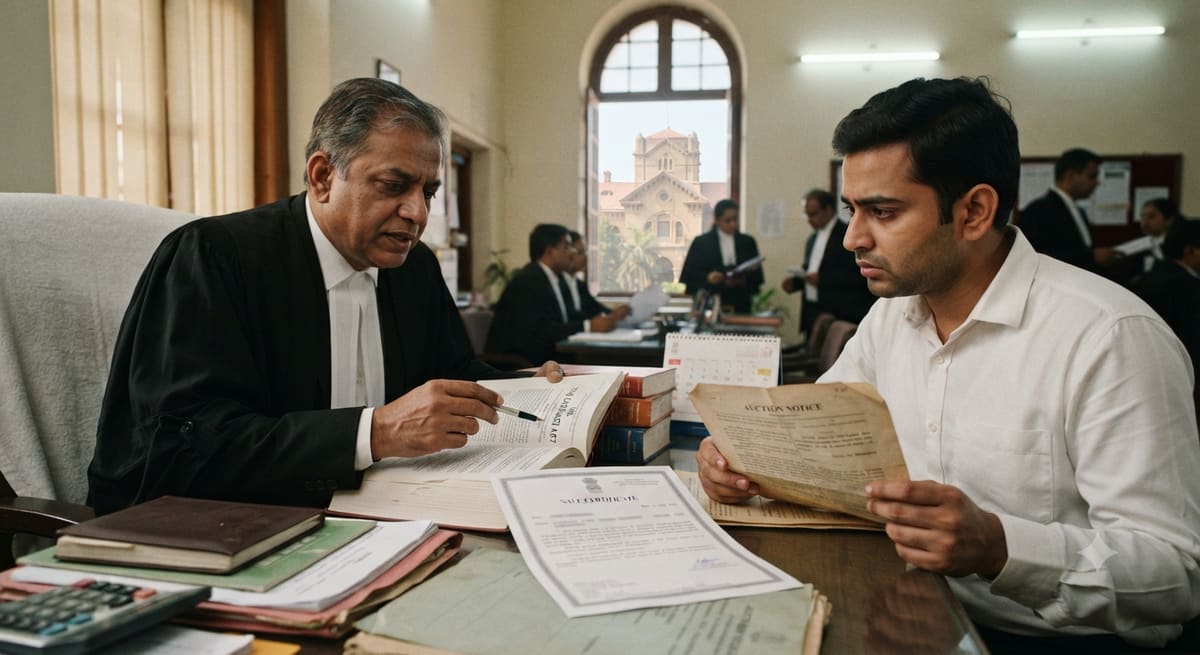
DRT Lacks Power to Condone Delay Beyond 45 Days in Securitisation Applications | SARFAESI Act : Bombay HC

Bombay High Court ruled that Debts Recovery Tribunal (DRT) cannot condone delay beyond 45 days in filing securitisation applications under SARFAESI Act, relying on Supreme Court precedent. The judgment clarifies that DRAT erred in allowing condonation where the statutory limitation period was breached, impacting auction purchasers and secured creditors.

Section 17 SARFAESI Act | 45-Day Limitation Period Starts from Sale Certificate Date, Not Auction Date : Allahabad HC
Case Law Analysis
|Allahabad High Court

Section 17 SARFAESI Act | 45-Day Limitation Period Starts from Sale Certificate Date, Not Auction Date : Allahabad HC

Allahabad High Court clarifies that the 45-day limitation period under Section 17 of the SARFAESI Act begins from the issuance of the sale certificate, not the auction date. This ruling sets aside orders by the Debts Recovery Tribunal and Appellate Tribunal, remanding the case for fresh consideration on merits, impacting borrowers and secured creditors in debt recovery proceedings.

EPF Act Section 11 | Lien on Auction Proceeds Renders Bank Account Attachment Otiose: MP HC Gwalior
Case Law Analysis
|Madhya Pradesh High Court

EPF Act Section 11 | Lien on Auction Proceeds Renders Bank Account Attachment Otiose: MP HC Gwalior

The Madhya Pradesh High Court has ruled that once the EPFO secures a lien on the auction proceeds of a defaulting company’s assets, attaching the personal bank account of a director is disproportionate and legally unsustainable. This clarifies that recovery under the EPF Act must respect the principle of proportionality, protecting individuals from dual enforcement when the debt is already secured.

SARFAESI Act Section 13(4) | Temporary DRT Jurisdiction Transfer Preserves Statutory Remedy; Writ Dismissed : MP HC Jabalpur
Case Law Analysis
|Madhya Pradesh High Court

SARFAESI Act Section 13(4) | Temporary DRT Jurisdiction Transfer Preserves Statutory Remedy; Writ Dismissed : MP HC Jabalpur

The Madhya Pradesh High Court holds that assigning DRT Jabalpur matters to Ahmedabad’s Presiding Officer does not deprive borrowers of their statutory right to approach the Debts Recovery Tribunal under the SARFAESI Act. This ensures administrative continuity in financial recovery proceedings even during judicial vacancies, safeguarding procedural fairness for debtors and lenders alike.

Exhaustion of SARFAESI Act Remedies Mandatory Before Writ Petition Under Article 226 : Allahabad HC
Case Law Analysis
|Allahabad High Court

Exhaustion of SARFAESI Act Remedies Mandatory Before Writ Petition Under Article 226 : Allahabad HC

Allahabad High Court dismisses writ petition for title deed release, ruling that aggrieved parties must first exhaust remedies before the Debts Recovery Tribunal (DRT) under the SARFAESI Act. The Court held that disputed factual issues cannot be adjudicated under Article 226 when efficacious alternative remedies exist, reinforcing the bar on bypassing statutory forums.

SARFAESI Act Section 17 | Exclusive DRT Remedy Bars High Court Writ Jurisdiction Under Article 226 : Bombay HC
Case Law Analysis
|Bombay High Court

SARFAESI Act Section 17 | Exclusive DRT Remedy Bars High Court Writ Jurisdiction Under Article 226 : Bombay HC

Bombay High Court reaffirms that borrowers must exhaust the statutory remedy under Section 17 of the SARFAESI Act before approaching writ courts, dismissing a petition challenging a Section 14 order. The ruling reinforces the Supreme Court's stance in Celir LLP and Satyawati Tandon, limiting judicial intervention where alternative remedies exist.

SICA Rehabilitation Failure | Contractual Pendente Lite Interest Prioritized Over Principal: Bombay HC
|Bombay High Court

SICA Rehabilitation Failure | Contractual Pendente Lite Interest Prioritized Over Principal: Bombay HC

After a SICA rehabilitation scheme collapses, creditors may claim pendente lite interest from the date of suit filing at the contractual rate, with all recoveries first applied to interest before principal. This clarifies the repayment hierarchy for banks and financial institutions pursuing legacy debt recovery under the now-repealed SICA framework, reinforcing contractual rights in insolvency aftermaths.

SARFAESI Act | Non-Functional DRT Does Not Bar Stay on Possession; Borrower’s Deposit Secures Interim Relief : MP HC Gwalior
Case Law Analysis
|Madhya Pradesh High Court

SARFAESI Act | Non-Functional DRT Does Not Bar Stay on Possession; Borrower’s Deposit Secures Interim Relief : MP HC Gwalior

Madhya Pradesh High Court rules that a non-functional Debt Recovery Tribunal (DRT) does not deprive borrowers of interim relief under the SARFAESI Act. The Court stayed coercive action pending appeal, directing the borrower to deposit Rs. 35 lakhs and ensuring expeditious hearing, reinforcing natural justice in asset possession disputes.

IBC Section 95 | No Moratorium Unless Petition Is Registered: Bombay HC Bars SARFAESI Stay on Unfiled NCLT Applications
Case Law Analysis
|Bombay High Court

IBC Section 95 | No Moratorium Unless Petition Is Registered: Bombay HC Bars SARFAESI Stay on Unfiled NCLT Applications

Secured creditors may proceed under SARFAESI Act when an IBC petition filed under Section 95 is never registered by the NCLT Registrar, as no statutory moratorium arises without formal admission. This ruling sharpens procedural compliance standards for insolvency initiations and protects creditor enforcement rights against technical delays or non-filing.