Topic

Customs Tariff Act

The Customs Tariff Act governs the classification and duty assessment of imported and exported goods in India, with interpretations shaped by CESTAT rulings and General Rules of Interpretation.

10 articlesLatest July 2026
Mono Potassium Phosphate Classified as Fertiliser Under CTH 31056000, Not Chapter 28 | CESTAT Chennai Rejects Outdated CBEC Circular
Case Law Analysis
|Custom, Excise & Service Tax Tribunal

Mono Potassium Phosphate Classified as Fertiliser Under CTH 31056000, Not Chapter 28 | CESTAT Chennai Rejects Outdated CBEC Circular

CESTAT Chennai rules that bulk mono potassium phosphate qualifies as a fertiliser under CTH 31056000, rejecting Revenue’s attempt to reclassify it under Chapter 28 based on a 2001 circular now rendered obsolete by evolving agricultural standards. This sets a binding precedent for importers of specialty fertilisers, ensuring tariff accuracy and aligning classification with current industry use.

CTH 9013 | LCD Panels for Automotive Instrument Clusters Not 'Parts of Motor Vehicles' Under Specificity Doctrine : CESTAT Chennai
Case Law Analysis
|Custom, Excise & Service Tax Tribunal

CTH 9013 | LCD Panels for Automotive Instrument Clusters Not 'Parts of Motor Vehicles' Under Specificity Doctrine : CESTAT Chennai

CESTAT Chennai rules that LCD panels, even when custom-designed for vehicle instrument clusters, cannot be classified as motor vehicle parts under CTH 8708/8714 because they are more specifically covered under CTH 9013 as liquid crystal devices. This clarifies that mere integration into a vehicle does not override the principle of specific tariff headings over use-based classification, impacting importers of electronics for automotive use nationwide.

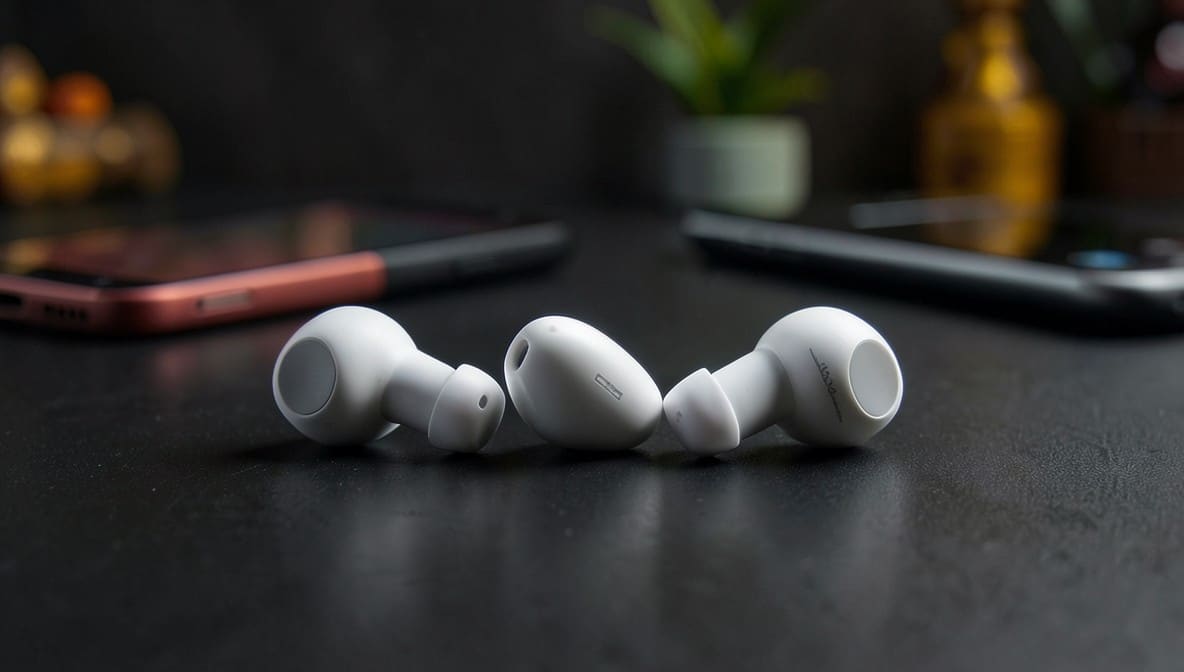
GRI 1 & Eo Nomine Rule | Bluetooth Earphones Classifiable as Audio Devices (CTI 8518), Not Data Transmission (CTI 8517) : CESTAT
Case Law Analysis
|Custom, Excise & Service Tax Tribunal

GRI 1 & Eo Nomine Rule | Bluetooth Earphones Classifiable as Audio Devices (CTI 8518), Not Data Transmission (CTI 8517) : CESTAT

CESTAT rules that Bluetooth earphones' primary function is sound reproduction, not data transmission, classifying them under CTI 8518 (15% duty) instead of CTI 8517 (10% duty). The decision clarifies classification disputes under General Interpretative Rule 1 and the eo nomine provision, impacting importers of wireless audio devices.

Rule 3(1)(vii) CENVAT Credit Rules | Concessional CVD Eligible for Credit Regardless of Rate: CESTAT Chennai
Case Law Analysis
|Custom, Excise & Service Tax Tribunal

Rule 3(1)(vii) CENVAT Credit Rules | Concessional CVD Eligible for Credit Regardless of Rate: CESTAT Chennai

CESTAT Chennai rules that CENVAT credit on concessional Countervailing Duty (CVD) paid on imported goods is admissible under Rule 3(1)(vii) of the CENVAT Credit Rules, 2004, irrespective of the rate applied. The decision clarifies that credit eligibility depends on the nature of the levy, not the quantum or rate, impacting manufacturers availing concessional duty benefits.

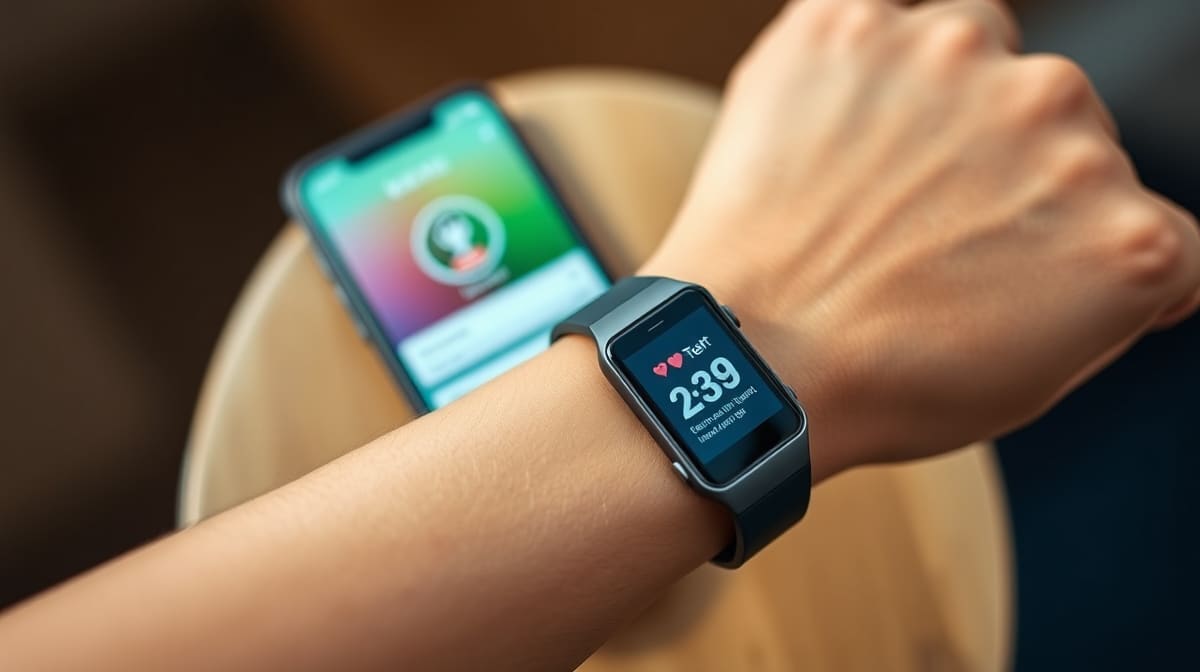
Bluetooth-Enabled Activity Trackers Classifiable as Communication Apparatus Under CTI 8517 6290 : CESTAT Mumbai Applies GRI 3(b)
Case Law Analysis
|Custom, Excise & Service Tax Tribunal

Bluetooth-Enabled Activity Trackers Classifiable as Communication Apparatus Under CTI 8517 6290 : CESTAT Mumbai Applies GRI 3(b)

CESTAT Mumbai ruled that GOQii activity trackers, despite their fitness tracking function, qualify as 'communication apparatus' under Customs Tariff Item 8517 6290 due to their essential Bluetooth data transmission capability. The decision overturns the classification as pedometers, imposing a higher 20% basic customs duty and setting precedent for similar wearable tech imports.

Post-Import MRP Alterations by Distributors Do Not Trigger CVD Liability Against Importers | Corporate Veil Doctrine Applied : CESTAT Hyderabad
Case Law Analysis
|Custom, Excise & Service Tax Tribunal

Post-Import MRP Alterations by Distributors Do Not Trigger CVD Liability Against Importers | Corporate Veil Doctrine Applied : CESTAT Hyderabad

CESTAT Hyderabad rules that importers cannot be held liable for additional customs duty under CVD when independent distributors later alter MRP labels after clearance. The decision shields importers from retrospective liability arising from downstream commercial actions, reinforcing the separation between importation and post-clearance pricing decisions under the Customs Tariff Act.

CRCL Test Reports Sufficient for Customs Tariff Classification Without Additional Evidence: CESTAT Ahmedabad
Case Law Analysis
|Custom, Excise & Service Tax Tribunal

CRCL Test Reports Sufficient for Customs Tariff Classification Without Additional Evidence: CESTAT Ahmedabad

CESTAT Ahmedabad ruled that Central Revenues Control Laboratory (CRCL) test reports alone are adequate for determining customs tariff classification, remanding the case for re-determination. The decision underscores that importers cannot be denied duty exemptions solely due to procedural lapses in sharing test reports if the substantive findings are conclusive.

Section 9A Customs Tariff Act | No Retrospective Anti-Dumping Duty During Gap Between Provisional and Final Duty : CESTAT Kolkata
Case Law Analysis
|Custom, Excise & Service Tax Tribunal

Section 9A Customs Tariff Act | No Retrospective Anti-Dumping Duty During Gap Between Provisional and Final Duty : CESTAT Kolkata

CESTAT Kolkata rules that anti-dumping duty cannot be levied retrospectively for the period between the lapse of provisional duty and issuance of final duty, reinforcing WTO compliance and Section 9A of the Customs Tariff Act. This protects importers from unexpected financial burdens during assessment gaps.